Aralia spinosa: Country Or Region Of Origin
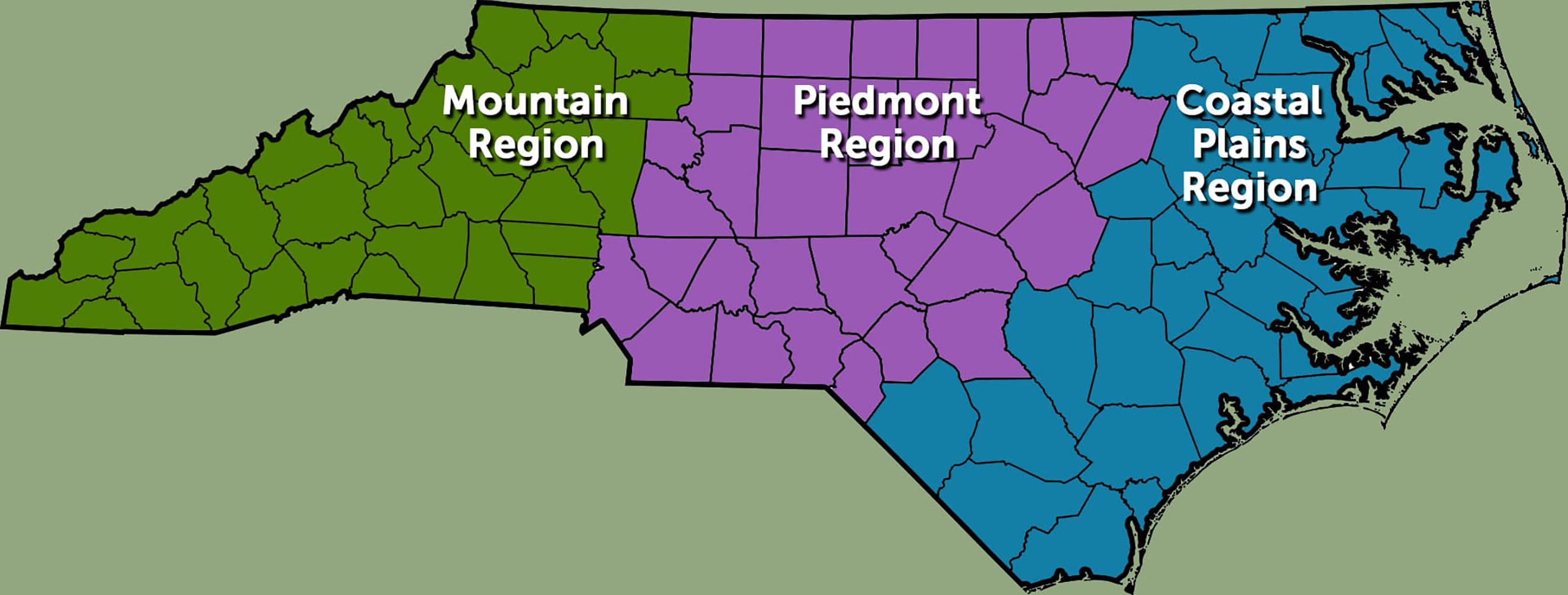
Eastern USA, NC
Phonetic Spelling:ah-RAY-lee-ah spih-NO-sah
Genus:Aralia
Species:spinosa
Family:Araliaceae
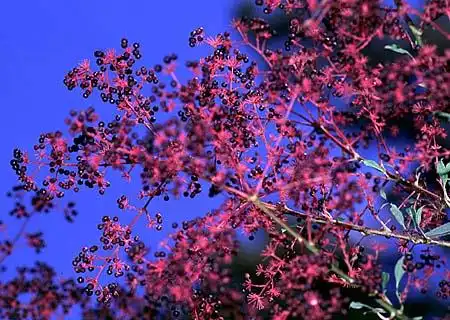
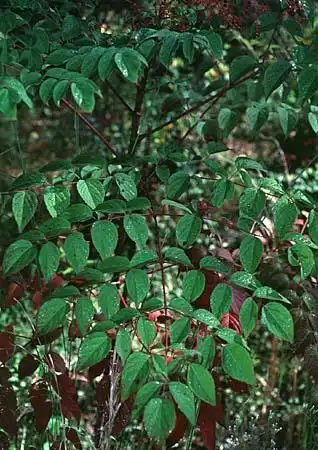
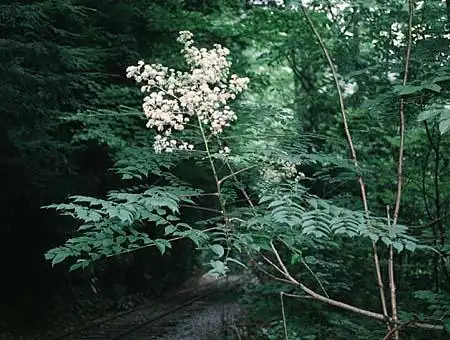
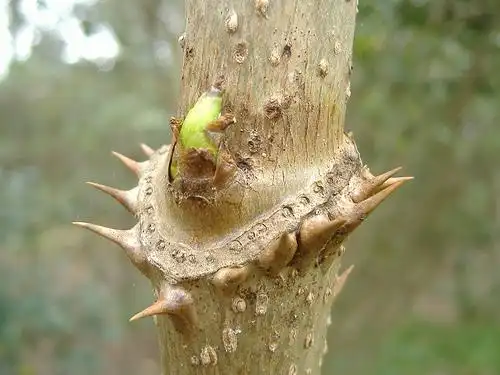
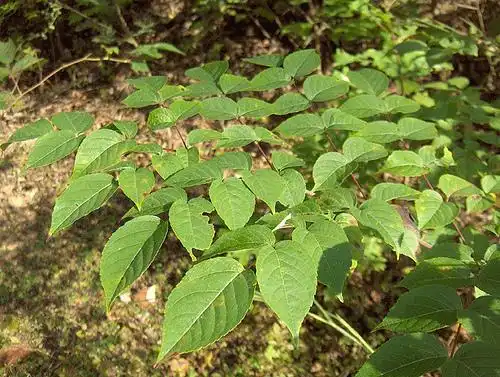
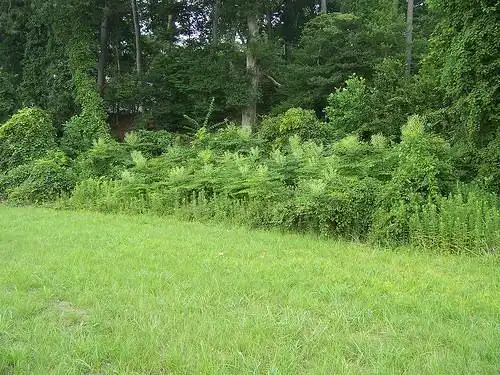
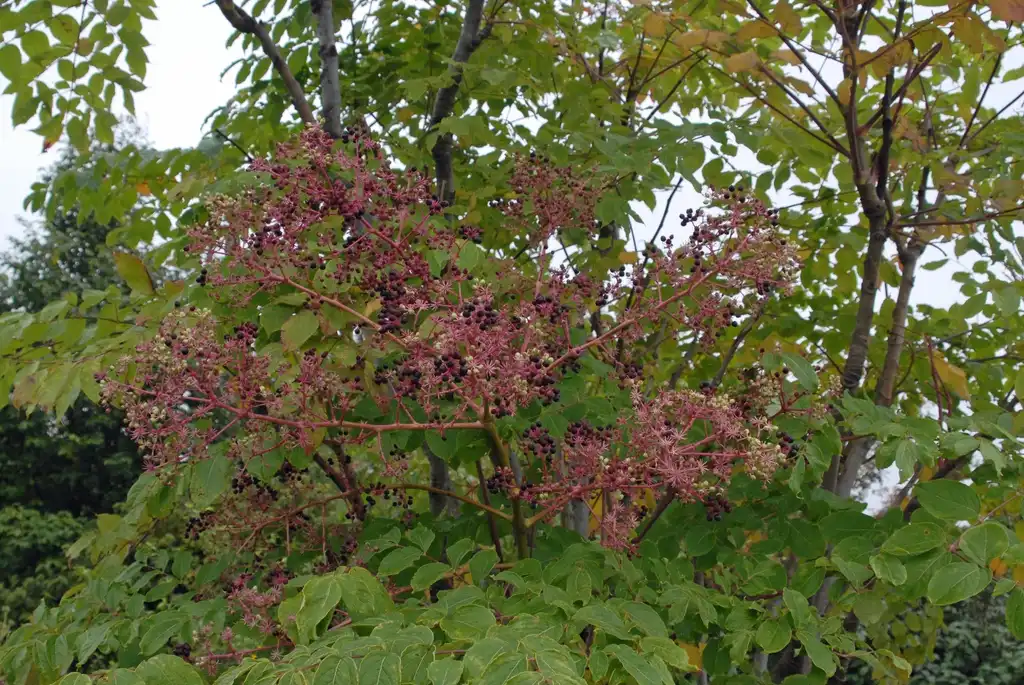
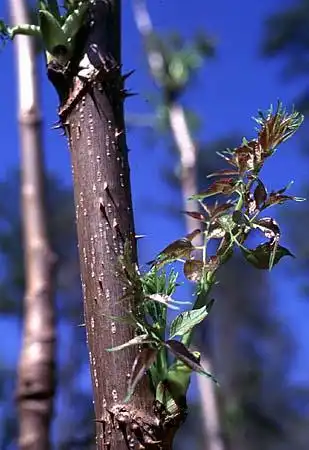
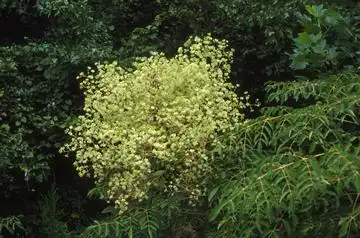
Aralia spinosa, often referred to as devil’s walking stick or Hercules' club, derives its name from the robust, sharp spines that adorn its leaf stalks, stems, and branches. This sizable, upright, deciduous shrub typically reaches heights of 10 to 15 feet, though it can occasionally grow into a small, flat-topped tree, reaching up to 35 feet. In its native habitat across the eastern United States, it thrives in the edges of woodlands, fields, and pastures, often found in moist areas near streams or at the periphery of forests. The plant's striking compound leaves, late summer blooms, juicy black fruits, and spiny branches contribute to its unique ornamental appeal. Its branches are sparse, upright, and mostly unbranched, featuring prominent leaf scars and spines. The lower part of the plant tends to be bare, while the upper section is topped with large, umbrella-like clusters of compound leaves. With stiff branches that extend nearly at right angles, it boasts the largest compound leaves found in North America. This species is easy to transplant and serves as an excellent addition to pollinator gardens.
Devil's walking stick produces abundant flowers and fruits, forming clusters of round, fleshy black drupes. It is a colonial and prickly plant, making it well-suited for natural settings. It thrives in average, medium-moisture, well-drained soils and can grow in full sun to partial shade. While it prefers moist, fertile, humusy loams, it is adaptable to a variety of soil types, including rocky and clay soils. This plant is drought-resistant, generally withstands various urban pollutants, and should be planted in areas shielded from strong winds to protect its large compound leaves. It can be easily propagated from seeds, suckers, or root cuttings. The plant tends to spread quickly through self-seeding and suckering, forming thickets, so it is advisable to promptly remove root suckers to prevent unwanted naturalization.
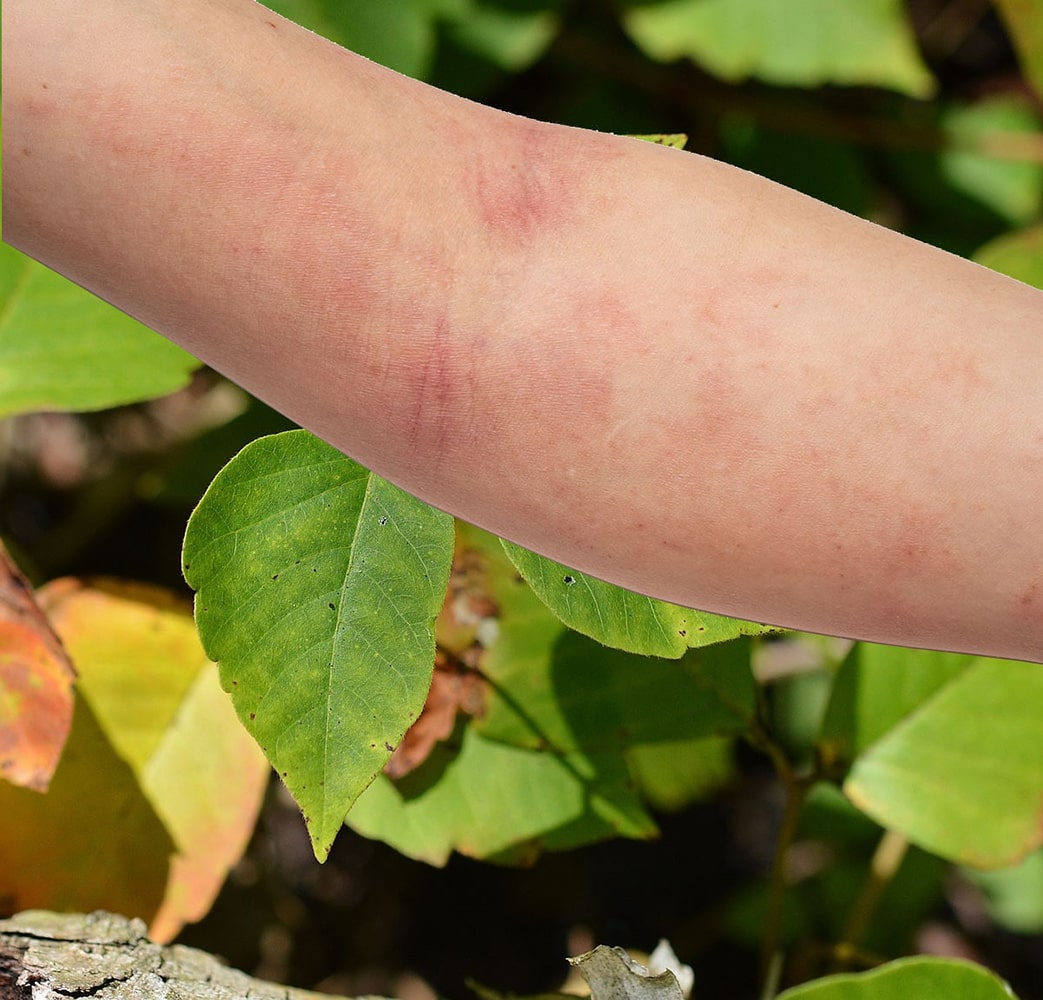
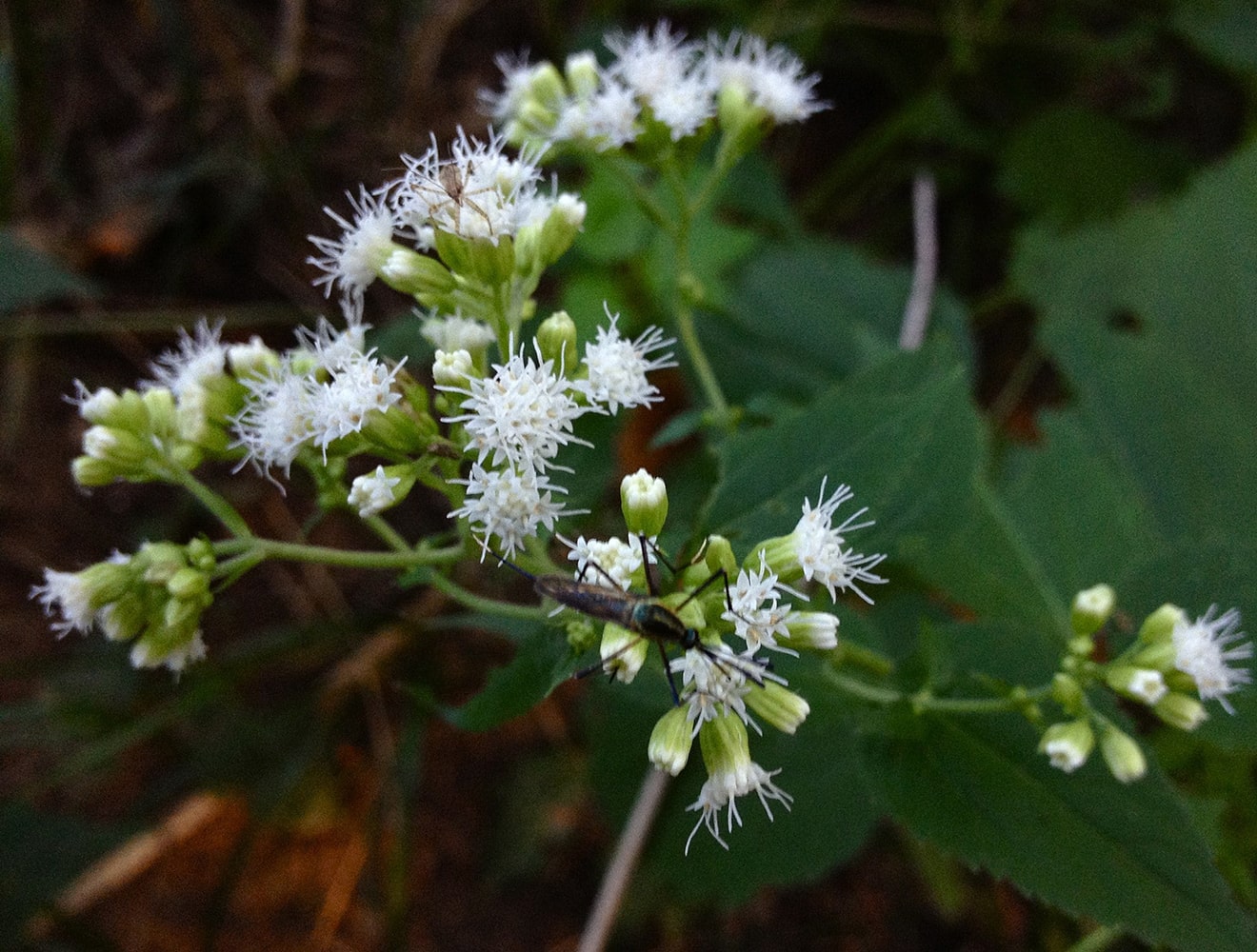
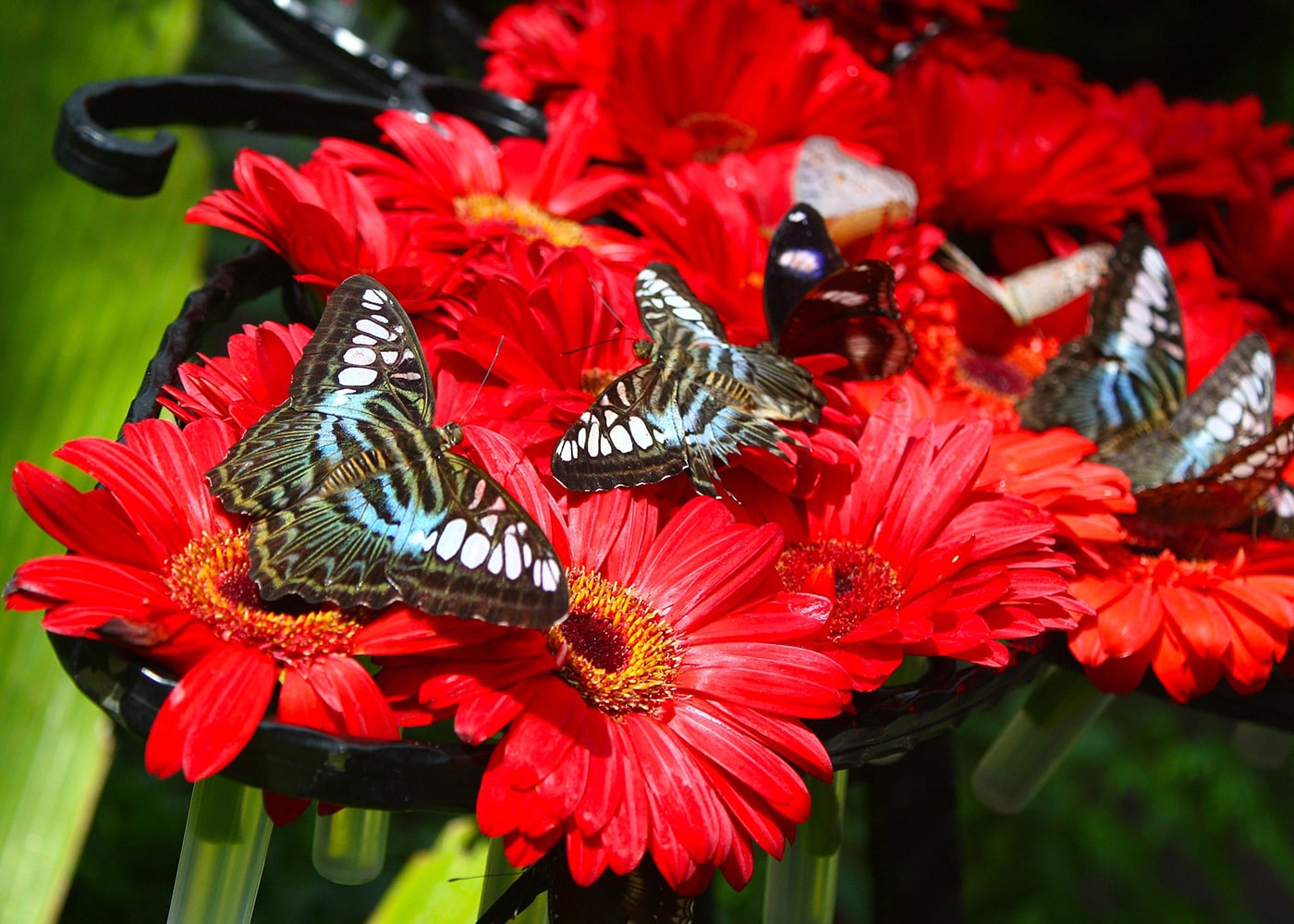
Highly resistant to deer damage, this plant attracts butterflies and other insects to its flowers, while its fruits are a food source for songbirds, small mammals, foxes, raccoons, and opossums. It faces minimal issues with insects or diseases, although it can be prone to leaf spots, and may occasionally attract aphids and mealybugs. Caution is advised when handling its bark and roots, as they may cause allergic skin reactions.
Aralia spinosa Feature Summary