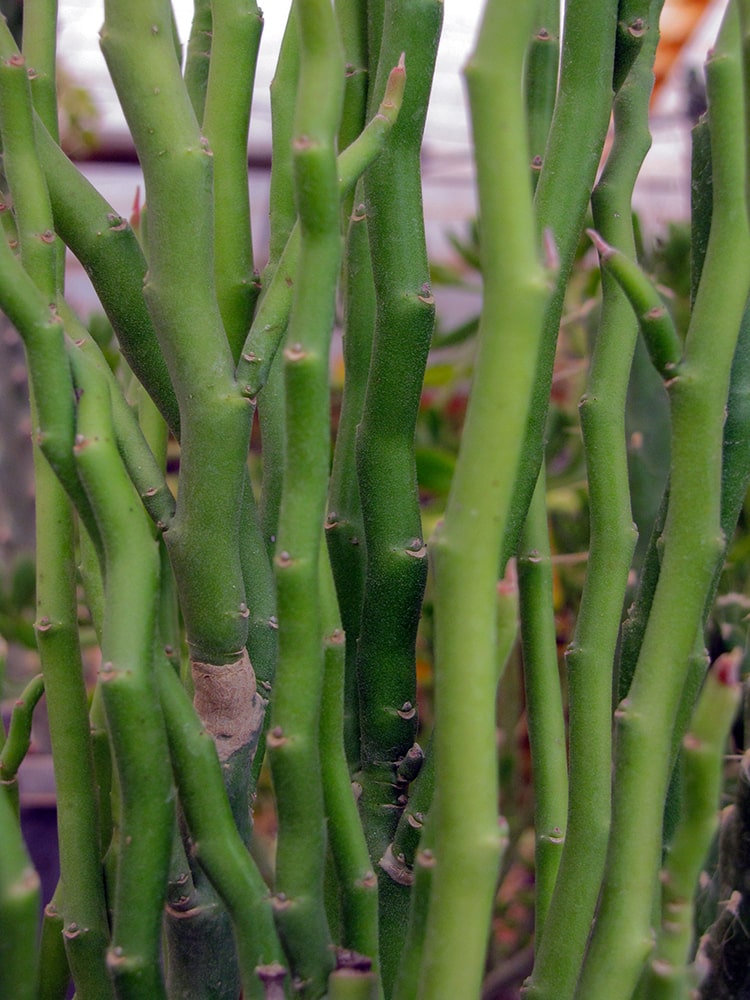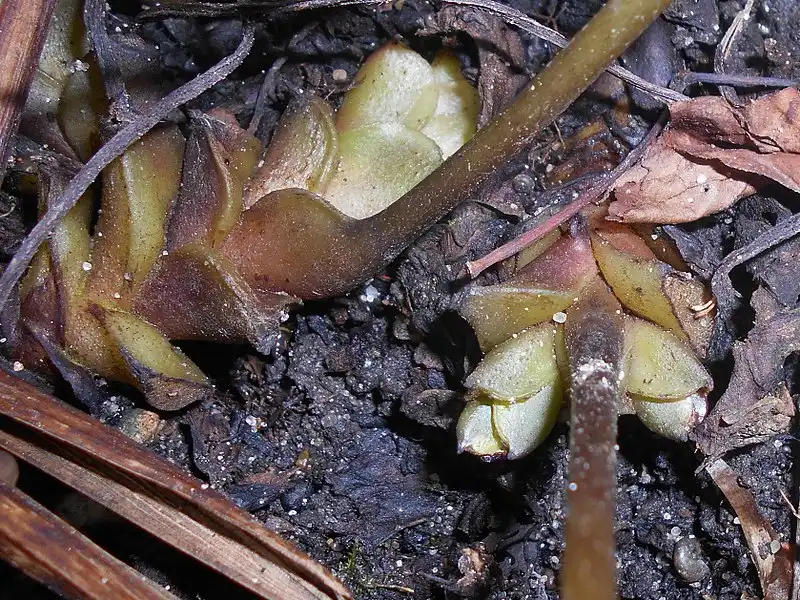
• Photo of Hydrophyllum canadense (Hydrophyllum canadenses)

Plant Profile: Hydrophyllum canadense

Taxonomy: Hydrophyllum canadense

Names

Bluntleaf Waterleaf, Broad-leaf Waterleaf, Canada Waterleaf, Mapleleaf Waterleaf

  • Photo of Hydrophyllum canadense (Hydrophyllum canadenses)

Phonetic Spelling:hy-droh-FIL-um ka-na-DEN-see

Genus:Hydrophyllum

Species:canadense

Family:Boraginaceae

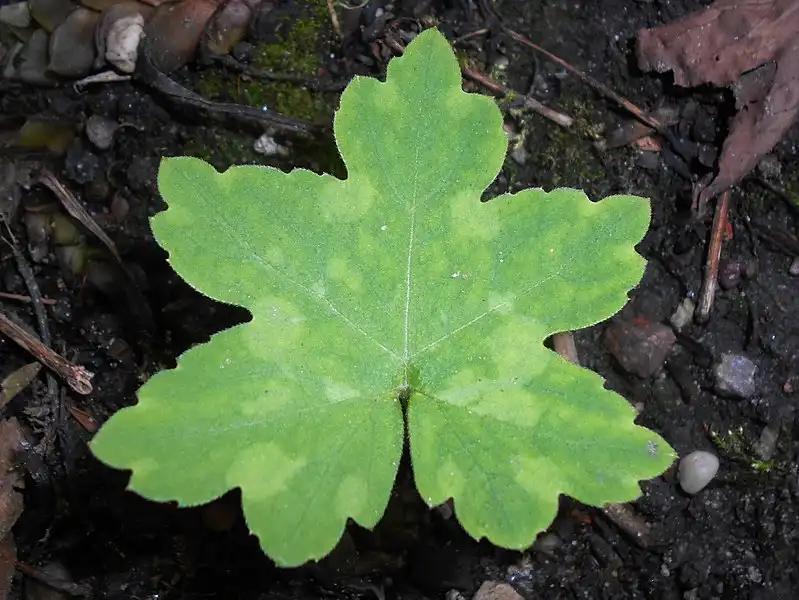
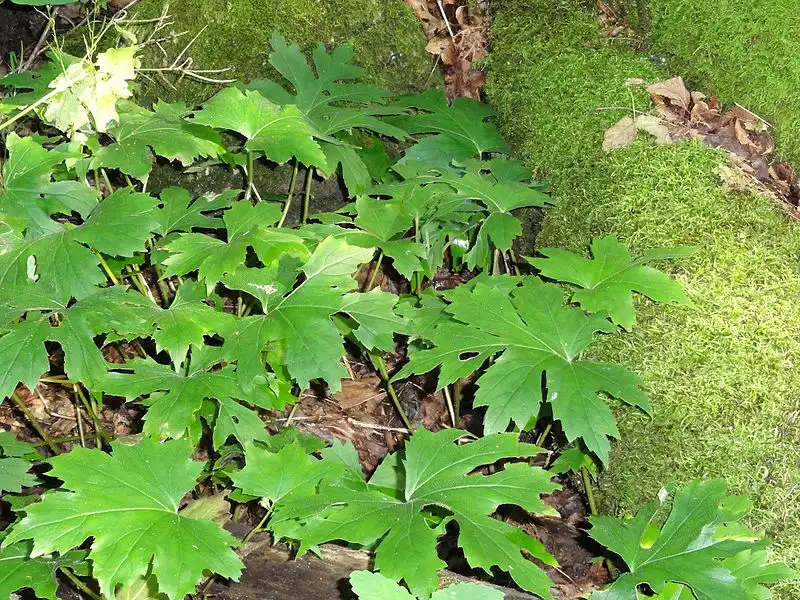
While this plant is known by various names, the most widely recognized is Broad-leaf Waterleaf. The name maple-leaf waterleaf is derived from the distinctive shape of its leaves. These palmate leaves are compound, featuring smaller leaflets that emerge from a single point.

This woodland perennial is classified as extremely rare and is considered threatened. It typically thrives in moist forests rich in organic matter, as well as in bottomlands, forest edges, thickets, and along rocky stream banks.

In late spring, clusters of white to lavender flowers can be spotted beneath the uppermost leaves. The hairy filaments of these clusters create a soft, fuzzy look, and the blooms are often likened to delicate lacework.

Hydrophyllum canadense Feature Summary

Hydrophyllum canadense Image Gallery

Tags

#perennial
#stream banks
#food source
#groundcover
#forests
#food source summer
#food source nectar
#food source pollen
#Coastal FACW
#FACU Piedmont Mountains
#audubon
#woodlands

Similar Plants

Hydrophyllum canadense Feature Summary

Attributes
Eastern North America
Attracts native bees and bumblebees.
Perennial
Attracts Pollinators
Shade
Leaves
Young leaves have a mottled pattern of silver. Leaves are veined.
Green
Gray/Silver
Palmatifid
Whole Plant Traits
Perennial
Wildflower
Herb
Ground Cover
Cultural Conditions
Dappled Sunlight (Shade through upper canopy all day)
Deep shade (Less than 2 hours to no direct sunlight)
Mountains
Piedmont
High Organic Matter
Shallow Rocky
Flowers
Pink
Purple/Lavender
White
4-5 petals/rays
Landscape
Shade Garden
Mass Planting
Woodland
Naturalized Area
Riparian
Pollinators
Bees

Hydrophyllum canadense Attributes

Hydrophyllum canadense: Country Or Region Of Origin

Eastern North America
Hydrophyllum canadense: Wildlife Value

Attracts native bees and bumblebees.

Hydrophyllum canadense: Life Cycle

Annual
Biennial
Bulb
Perennial
Woody

Hydrophyllum canadense: Play Value

Attractive Flowers
Attracts Pollinators
Buffer
Colorful
Defines Paths
Easy to Grow
Edible fruit
Fragrance
Pieces Used in Games
Screening
Shade
Sound
Textural
Wildlife Cover/Habitat
Wildlife Food Source
Wildlife Larval Host
Wildlife Nesting
Wind Break
Wind Shimmer

Hydrophyllum canadense Leaves

Hydrophyllum canadense: Leaf Description

Young leaves have a mottled pattern of silver. Leaves are veined.

Hydrophyllum canadense: Leaf Color

spa
Gray/Silver
spa
Green

Hydrophyllum canadense: Leaf Type

Compound (Pinnately , Bipinnately, Palmately)
Fronds
Needles
Sheath
Simple

Hydrophyllum canadense: Leaf Arrangement

Alternate
Opposite
Other/more complex
Rosulate
Whorled

Hydrophyllum canadense: Leaf Shape

Acicular
Auriculate
Cordate
Cuneate
Deltoid
Elliptical
Filiform
Lanceolate
Linear
Oblanceolate
Oblong
Obovate
Obtuse
Orbicular
Ovate
Palmasect
Palmatifid
Peltate
Pinnatifid
Pinnatisect
Reniform
Rhomboidal
Spatulate
Subcordate
Subulate

Hydrophyllum canadense: Hairs Present

No
Yes

Hydrophyllum canadense Whole Plant Traits

Hydrophyllum canadense: Plant Type

Annual
Bulb
Carnivorous
Edible
Epiphyte
Fern
Ground Cover
Herb
Herbaceous Perennial
Houseplant
Mushroom
Native Plant
Ornamental Grasses and Sedges
Perennial
Poisonous
Rose
Shrub
Succulent
Tree
Turfgrass
Vegetable
Vine
Water Plant
Weed
Wildflower

Hydrophyllum canadense Cultural Conditions

Hydrophyllum canadense: Light

Dappled Sunlight (Shade through upper canopy all day)
Deep shade (Less than 2 hours to no direct sunlight)
Full sun (6 or more hours of direct sunlight a day)
Partial Shade (Direct sunlight only part of the day, 2-6 hours)

Hydrophyllum canadense: Soil Drainage

Frequent Standing Water
Good Drainage
Moist
Occasional Flooding
Occasionally Dry
Occasionally Wet
Very Dry

Hydrophyllum canadense: Available Space To Plant

12 inches-3 feet
12-24 feet
24-60 feet
3 feet-6 feet
6-feet-12 feet
Less than 12 inches
more than 60 feet

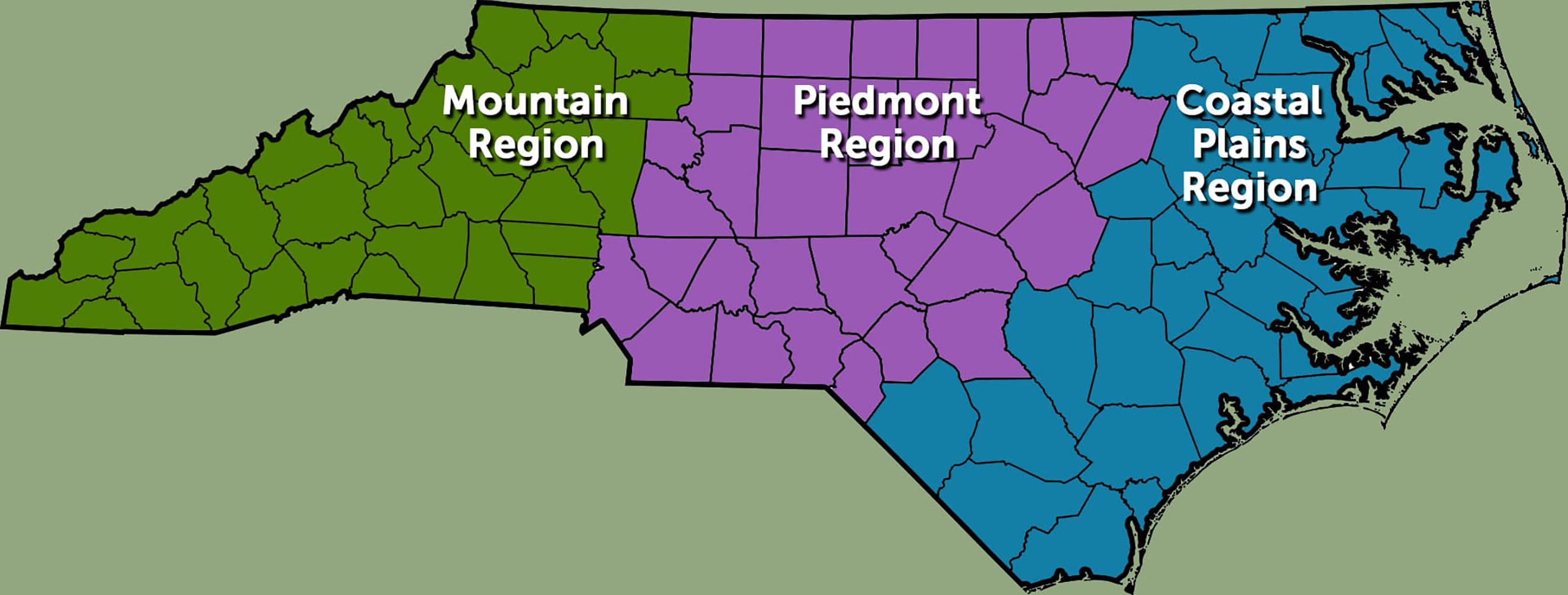
Hydrophyllum canadense: NC Region

Coastal
Mountains
Piedmont

Hydrophyllum canadense: Soil Texture

Clay
High Organic Matter
Loam (Silt)
Sand
Shallow Rocky

Hydrophyllum canadense Fruit

Hydrophyllum canadense: Display/Harvest Time

Fall
Spring
Summer
Winter

Hydrophyllum canadense Flowers

Hydrophyllum canadense: Flower Color

filter_vintage
Pink
filter_vintage
Purple/Lavender
filter_vintage
White

Hydrophyllum canadense: Flower Bloom Time

Winter
Spring
Summer
Fall

Hydrophyllum canadense: Flower Petals

2-3 rays/petals
4-5 petals/rays
6 petals/rays
7 - 20 petals/rays
asymmetrical petals
Bracts
Colored Sepals
fused petals
more than 20 petals/rays
Tepals

Hydrophyllum canadense Stem

Hydrophyllum canadense: Stem Is Aromatic

No
Yes

Hydrophyllum canadense: Stem Form

Straight
Zig Zags

Hydrophyllum canadense Landscape

Hydrophyllum canadense: Landscape Theme

Asian Garden
Butterfly Garden
Children's Garden
Cottage Garden
Cutting Garden
Drought Tolerant Garden
Edible Garden
English Garden
Fairy Garden
Garden for the Blind
Native Garden
Nighttime Garden
Pollinator Garden
Rain Garden
Rock Garden
Shade Garden
Water Garden
Winter Garden

Hydrophyllum canadense: Design Feature

Accent
Barrier
Border
Flowering Tree
Foundation Planting
Hedge
Mass Planting
Screen/Privacy
Security
Shade Tree
Small groups
Small Tree
Specimen
Street Tree
Understory Tree

Hydrophyllum canadense: Landscape Location

Coastal
Container
Hanging Baskets
Houseplants
Lawn
Meadow
Naturalized Area
Near Septic
Patio
Pond
Pool/Hardscape
Recreational Play Area
Riparian
Rock Wall
Slope/Bank
Small Space
Vertical Spaces
Walkways
Woodland

Hydrophyllum canadense: Attracts

Bats
Bees
Butterflies
Frogs
Hummingbirds
Moths
Pollinators
Predatory Insects
Reptiles
Small Mammals
Songbirds
Specialized Bees