Inula helenium: Uses (Ethnobotany)
The root of this plant is used for flavoring the alcoholic beverage absinthe.
Phonetic Spelling:IN-yoo-luh hel-EH-nee-um
Genus:Inula
Species:helenium
Family:Asteraceae
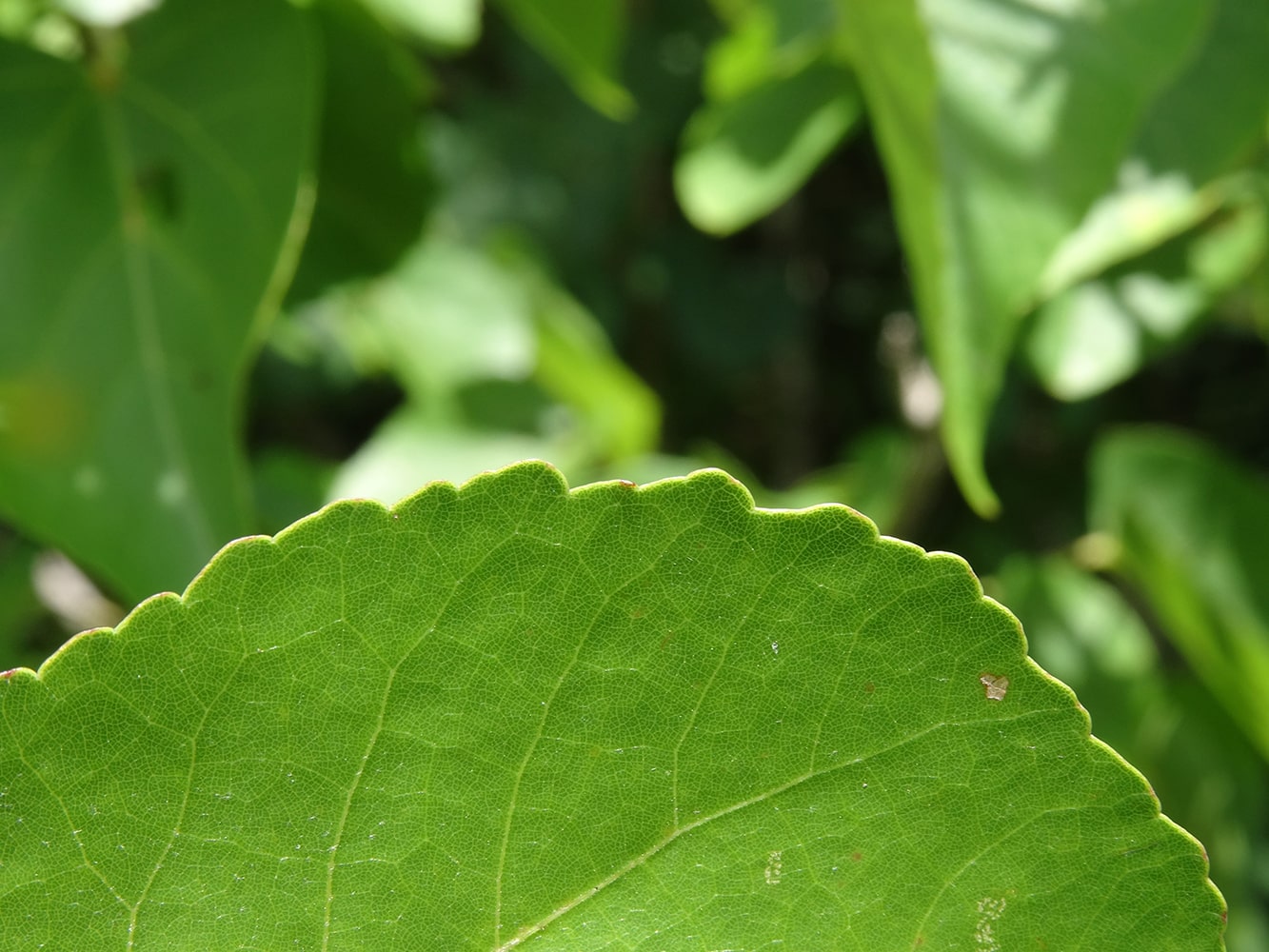
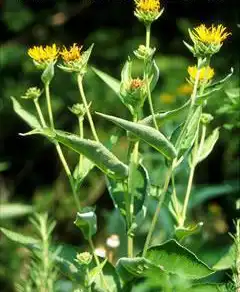
Elecampane belongs to the Asteraceae family, commonly known as the daisy family, and is a relatively new arrival in North America. Originally from Europe, this perennial weed has made its way into various nurseries, often hitching a ride on contaminated hostas and daylilies imported from the Netherlands. Once established, Elecampane spreads vigorously through its thick, fleshy roots, which generate new shoots. The plant develops rosettes of long, slender leaves that bear a resemblance to certain asters or fleabanes. However, unlike buckhorn plantain leaves, which feature five distinct parallel veins, Elecampane leaves are characterized by a netted vein pattern. Notably, the foliage remains green throughout the winter months.
For flowering to occur, Elecampane requires a chilling period. In spring, the plants grow rapidly, and by early to mid-summer, flowering stems start to stretch upward. The flowers, which are typically aster-like, bloom in shades ranging from yellow to light orange. It remains uncertain whether this species produces viable seeds in North America. Since Elecampane primarily reproduces vegetatively, commonly used preemergence herbicides are ineffective against it. Completely eradicating the root fragments is nearly impossible; therefore, if a container plant becomes infested, it is advisable to dispose of it promptly to prevent further spread of the weed.
Insects, diseases, and other plant issues: Its invasive nature.
Inula helenium Feature Summary