Iris: Country Or Region Of Origin
North temperate America, Europe, Asia
Phonetic Spelling:EYE-riss
Genus:Iris
Species:
Family:Iridaceae
The Iridaceae family encompasses a vast array of perennial herbaceous plants that originate from rhizomes, corms, or bulbs. Various Iris species are found worldwide, making them suitable for inclusion in native or woodland gardens. These plants typically form mounds or drifts in fertile soils, with some thriving in wet or marshy conditions, even in standing water. Certain varieties can also be cultivated as houseplants. Depending on the species, they may require anything from full sunlight to complete shade for optimal growth. They reproduce through root division or by seed.
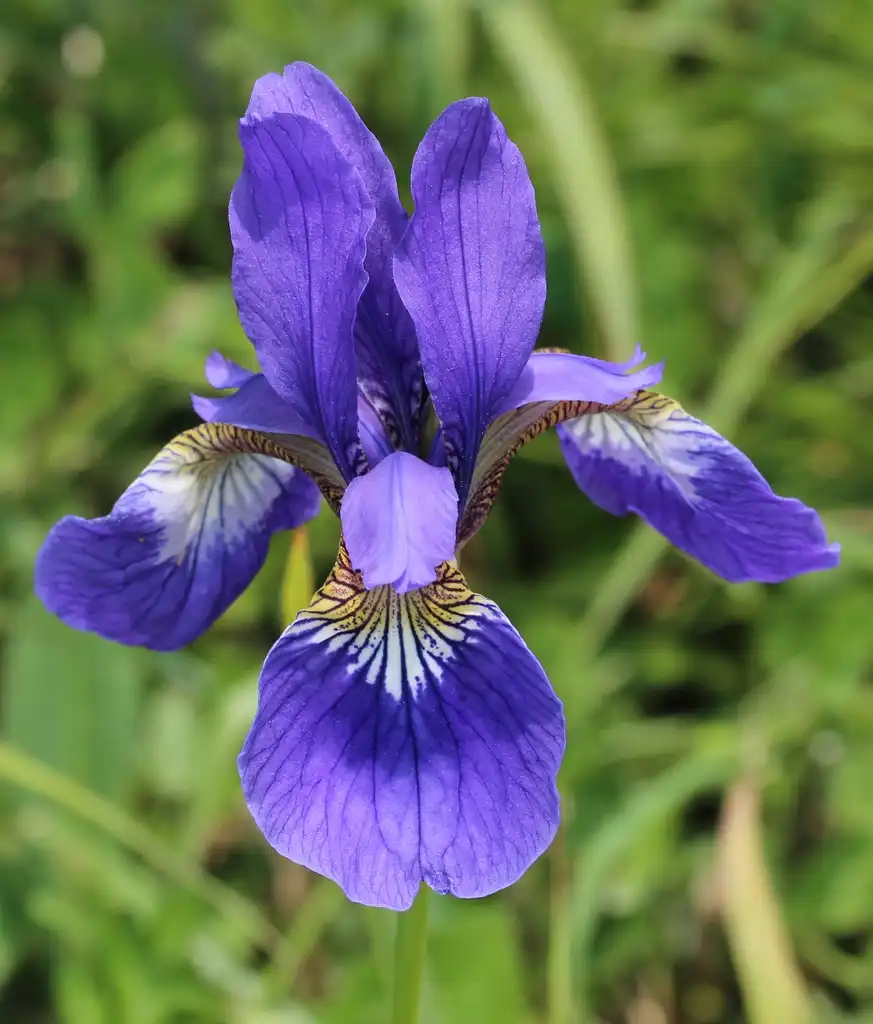
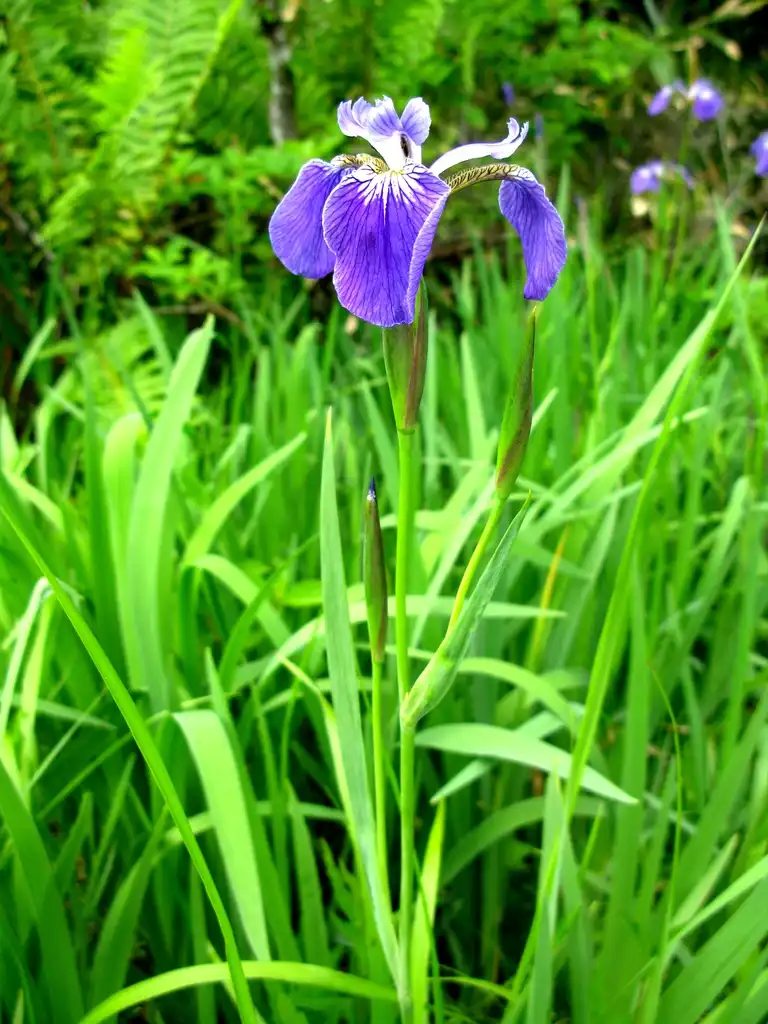
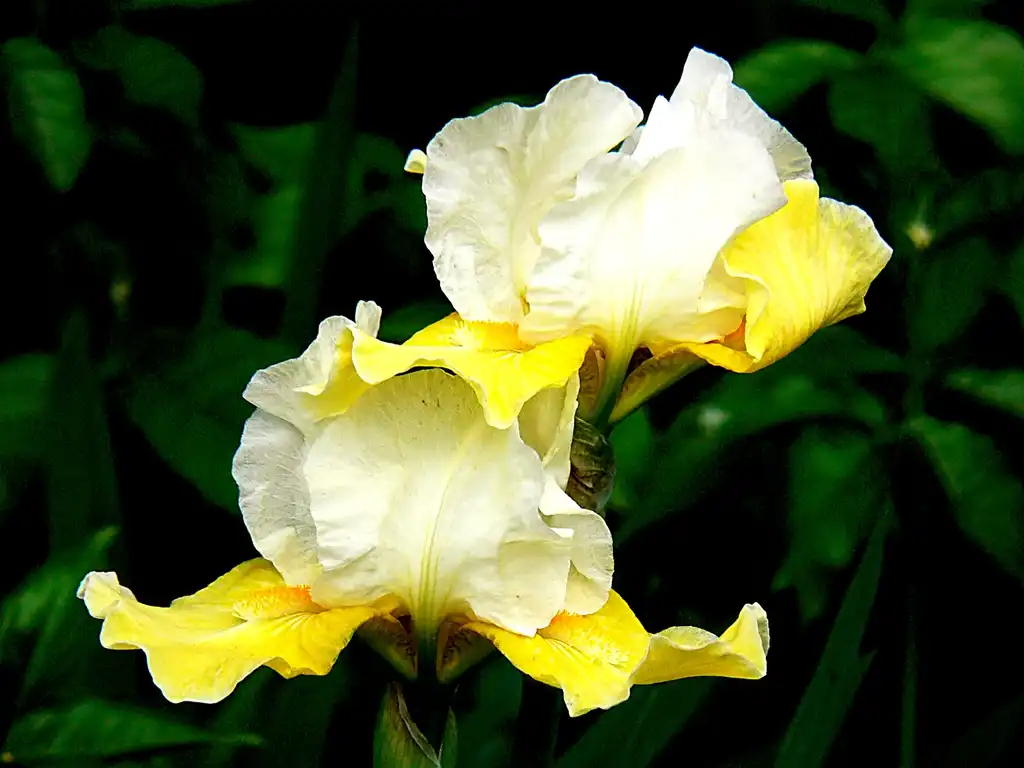
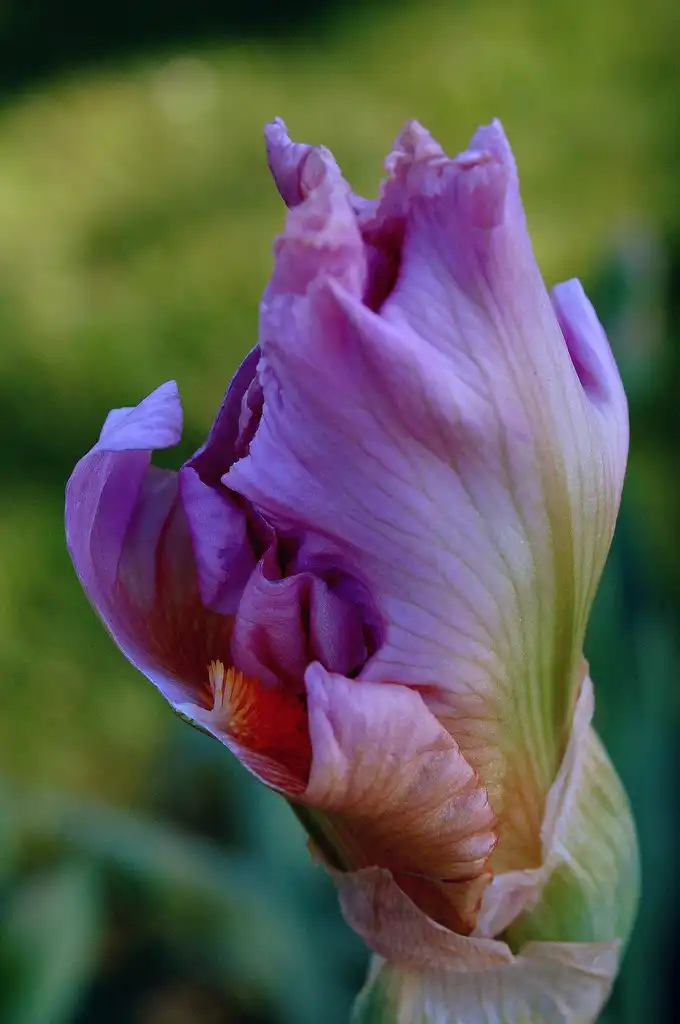
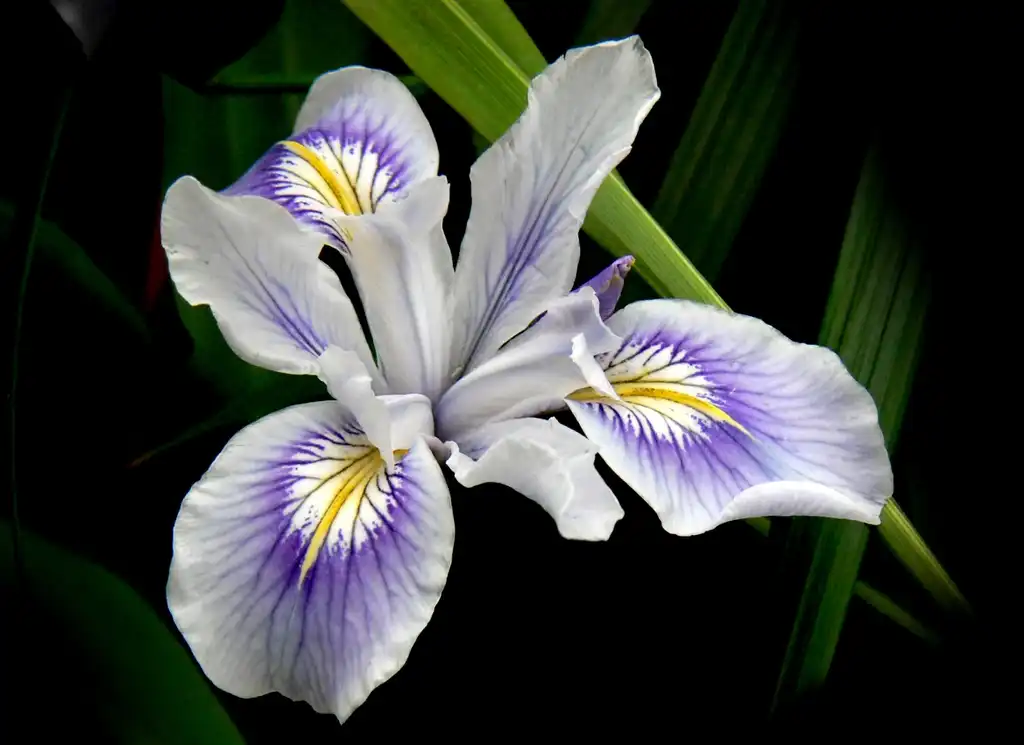
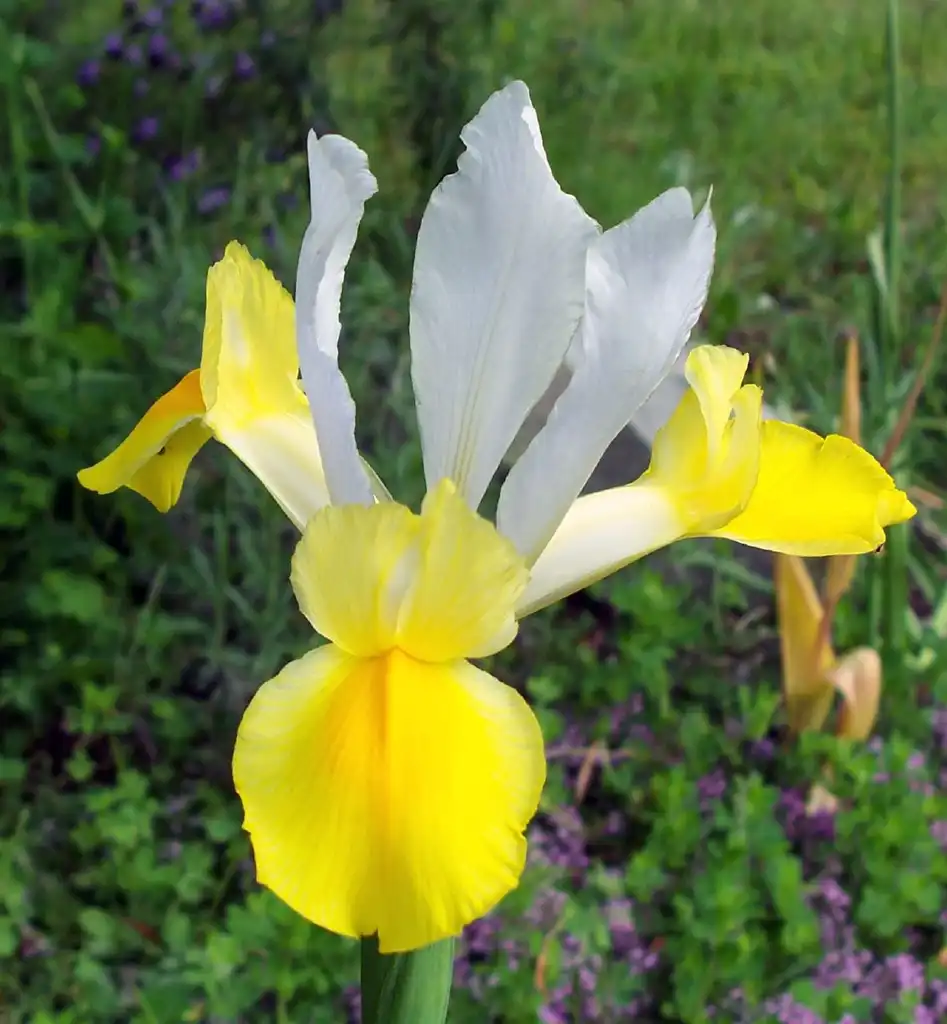
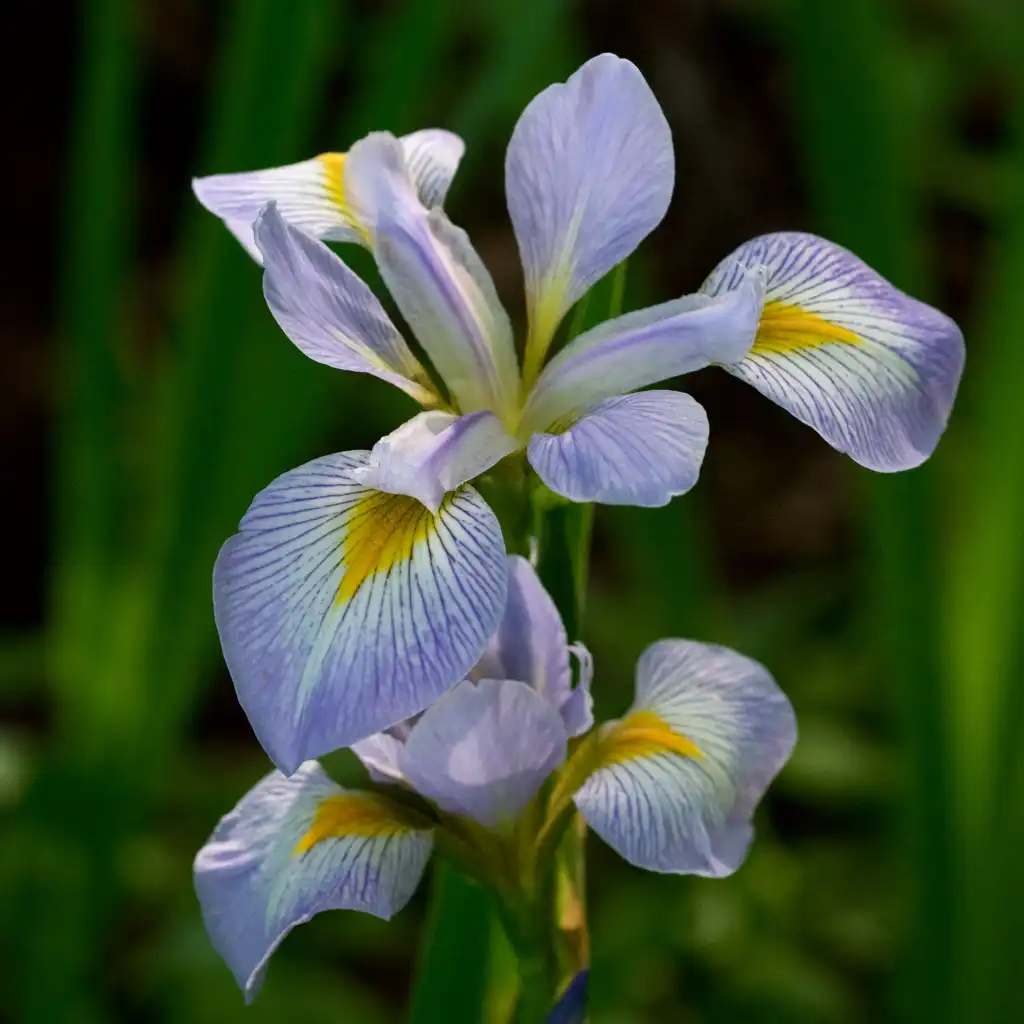
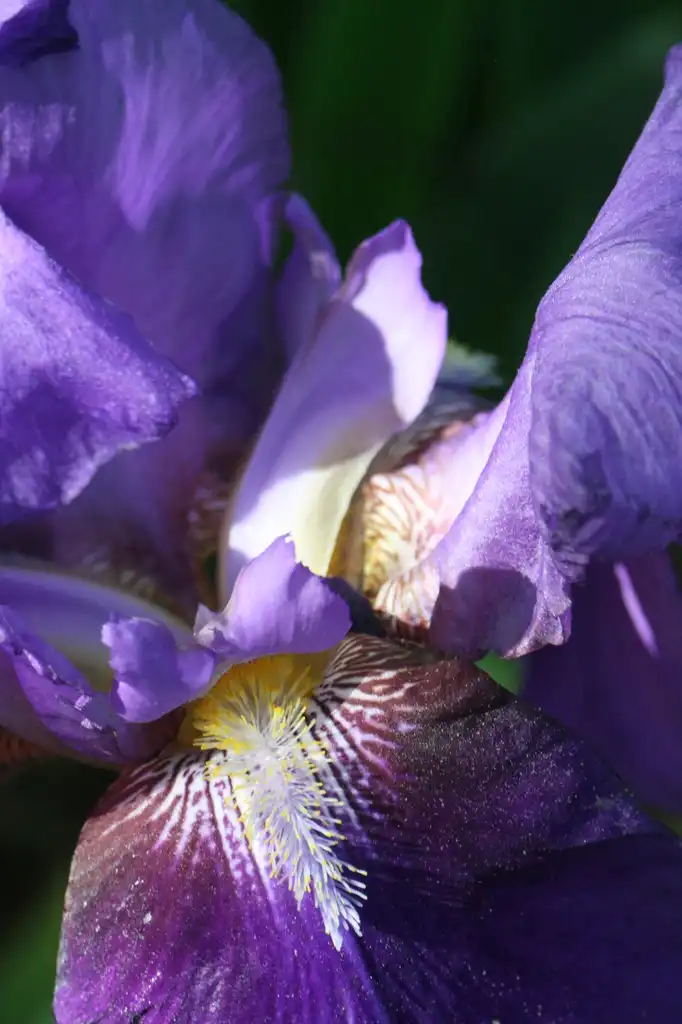
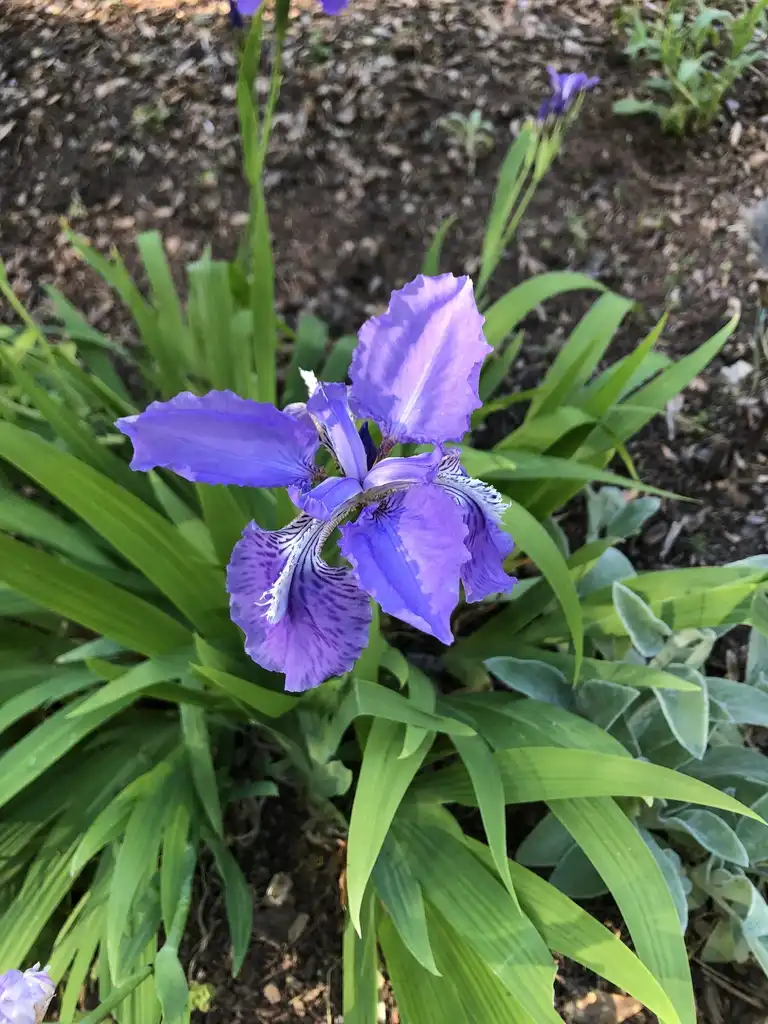
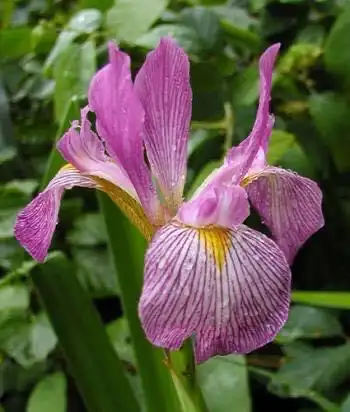
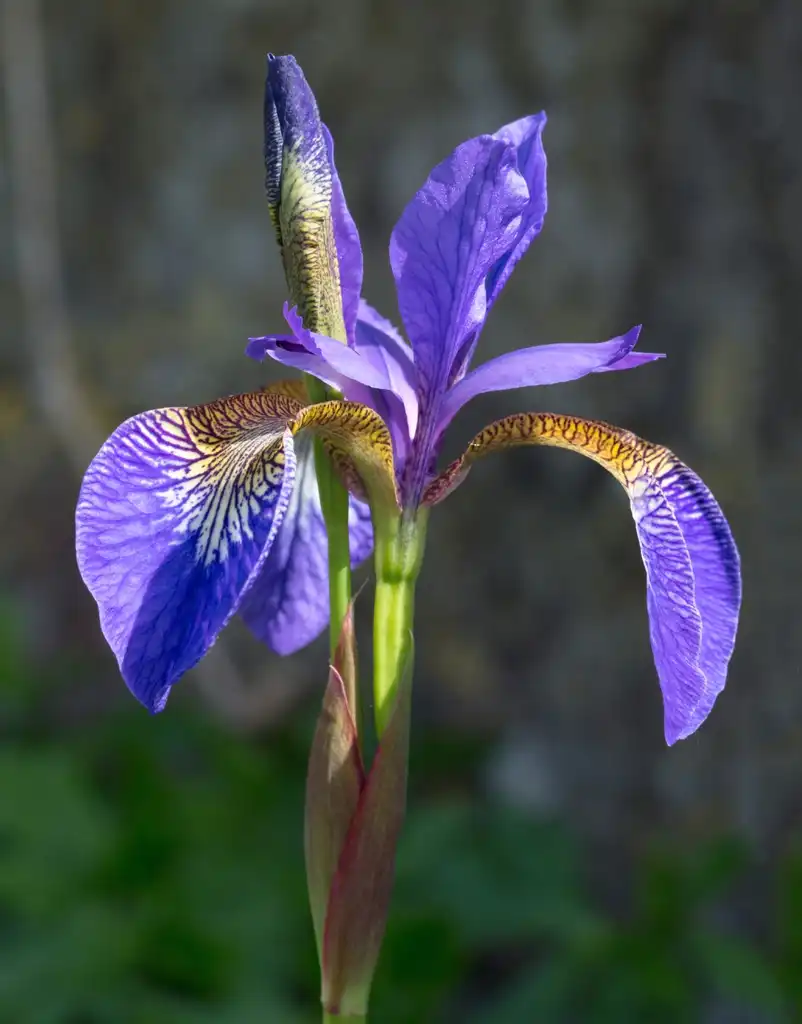
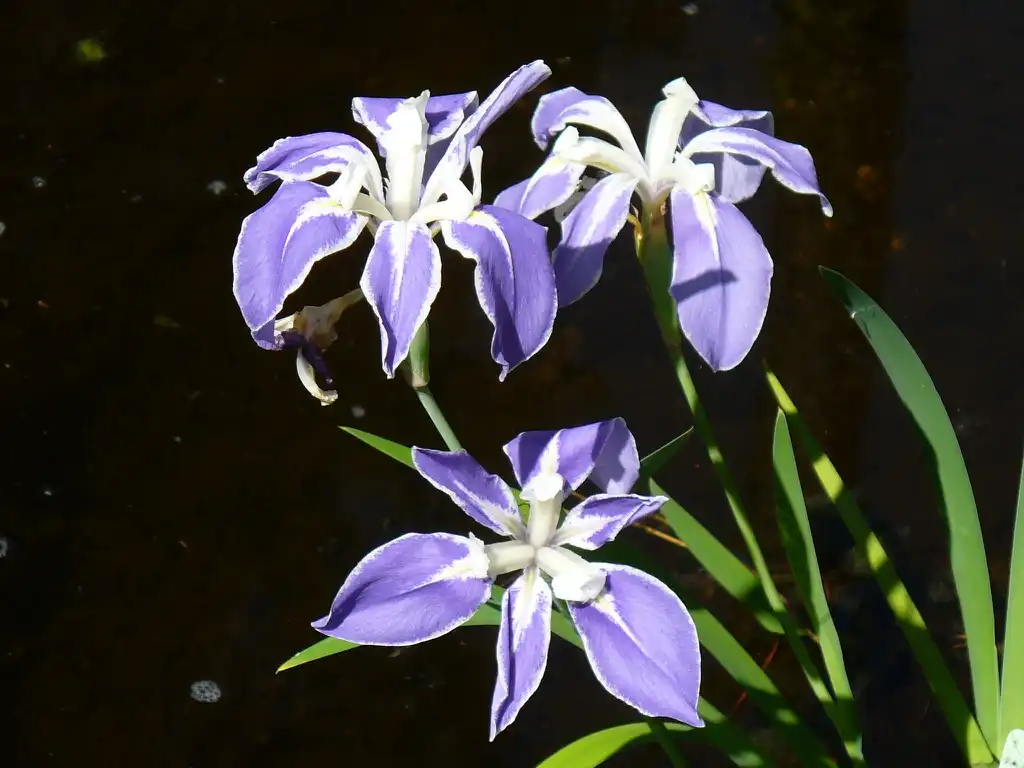
The leaves of Iris are generally long, strap-like, and sword-shaped, overlapping at the base and aligned in a single plane. The flowers, which can range from one to several blooms, are borne atop a bare stem that varies in height from as short as 3 inches in dwarf varieties to as tall as 3 feet. These striking flowers feature six petals, with three often distinctly marked outer "falls" that may spread or droop, and three inner "standards" that stand erect. Iris flowers come in a spectrum of colors, including blues, violets, yellows, oranges, whites, and even blacks, making them highly sought after as cut flowers in perennial gardens. While the seeds are contained within a fruit capsule, the most effective method of propagation is through rhizome or root division, which also helps prevent overcrowding. Some varieties need their rhizomes to be planted at soil level, while others can tolerate deeper planting of corms and bulbs.
In general, Iris plants are resistant to deer and rabbits.
**Quick Identification Tips:**
For more information on specific species, please refer to the boxes below.