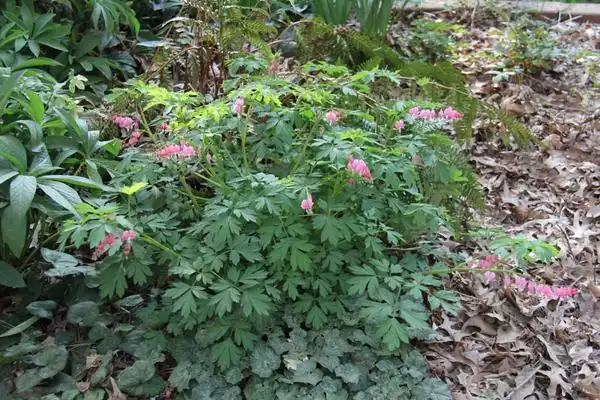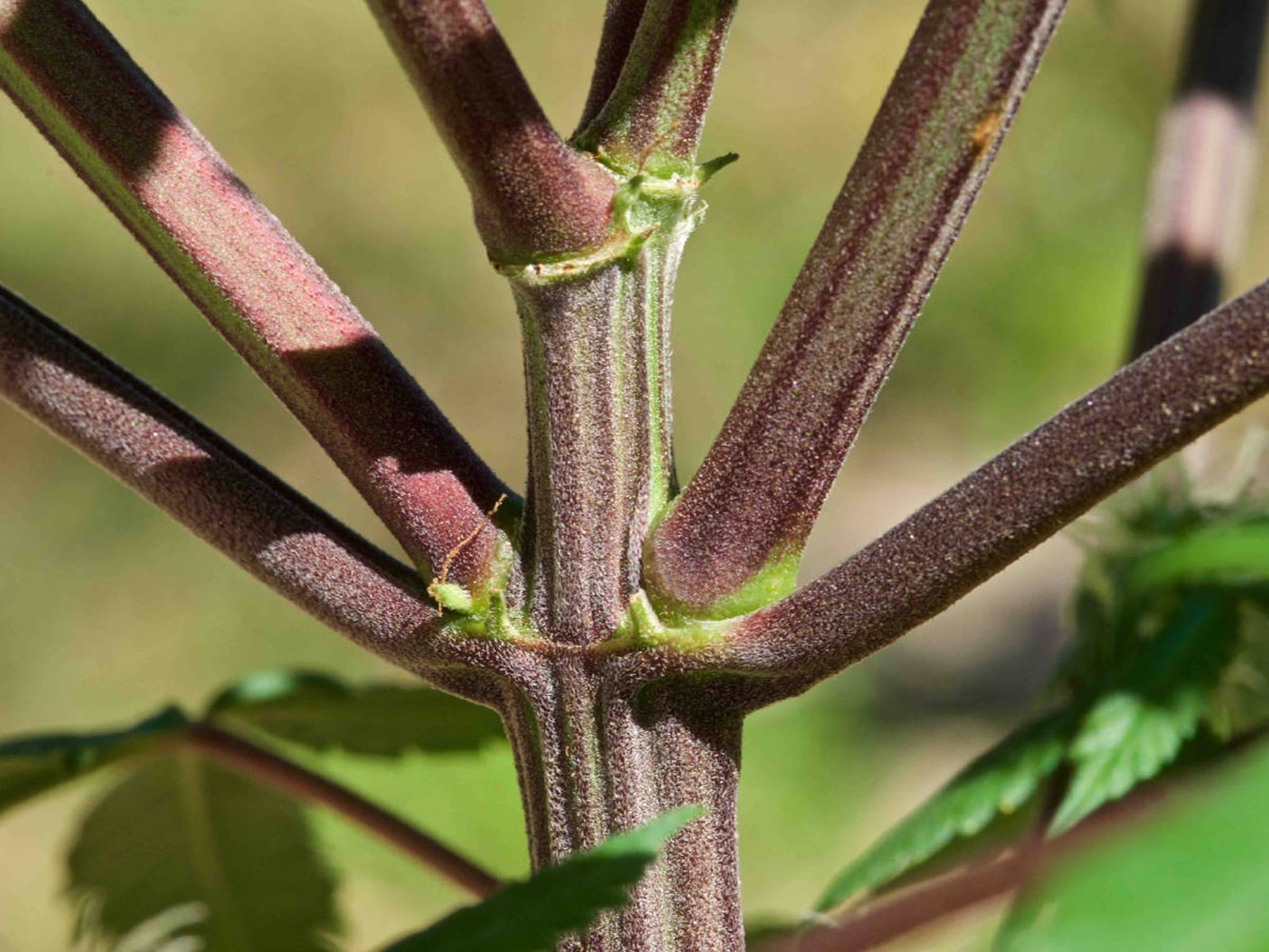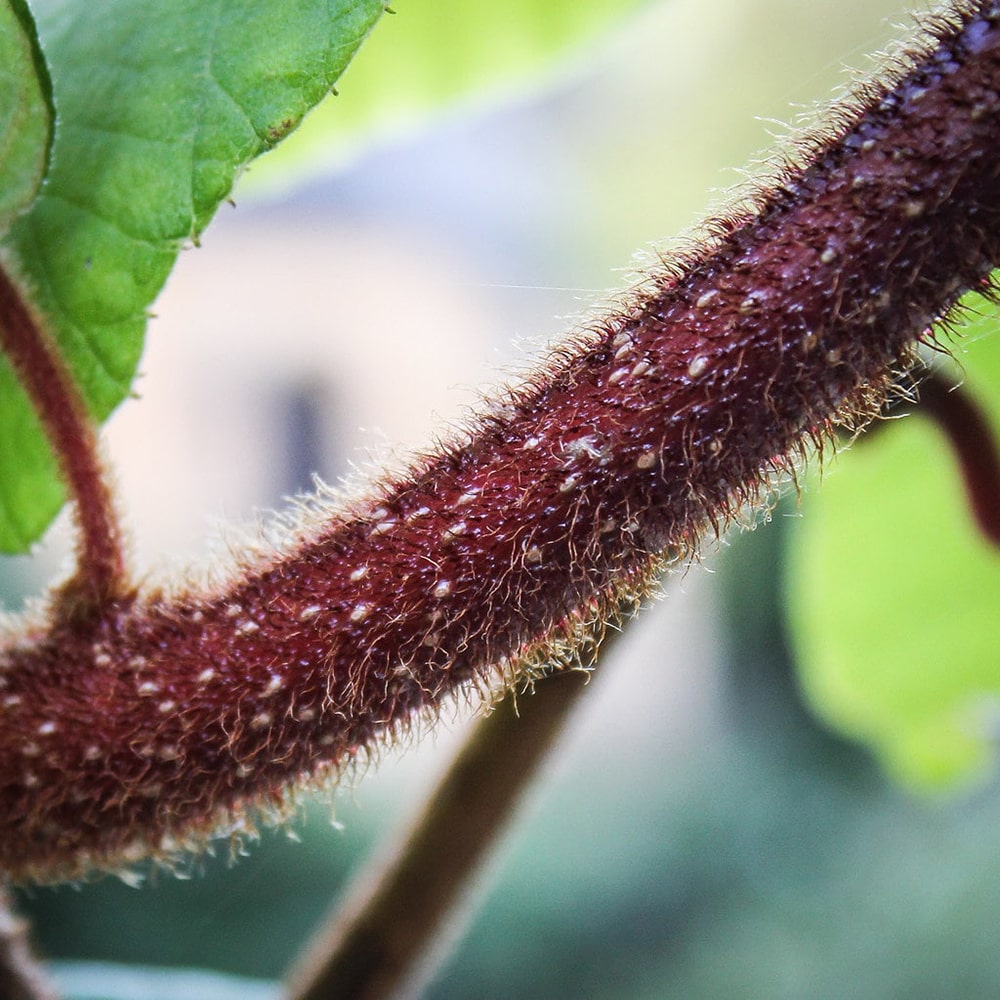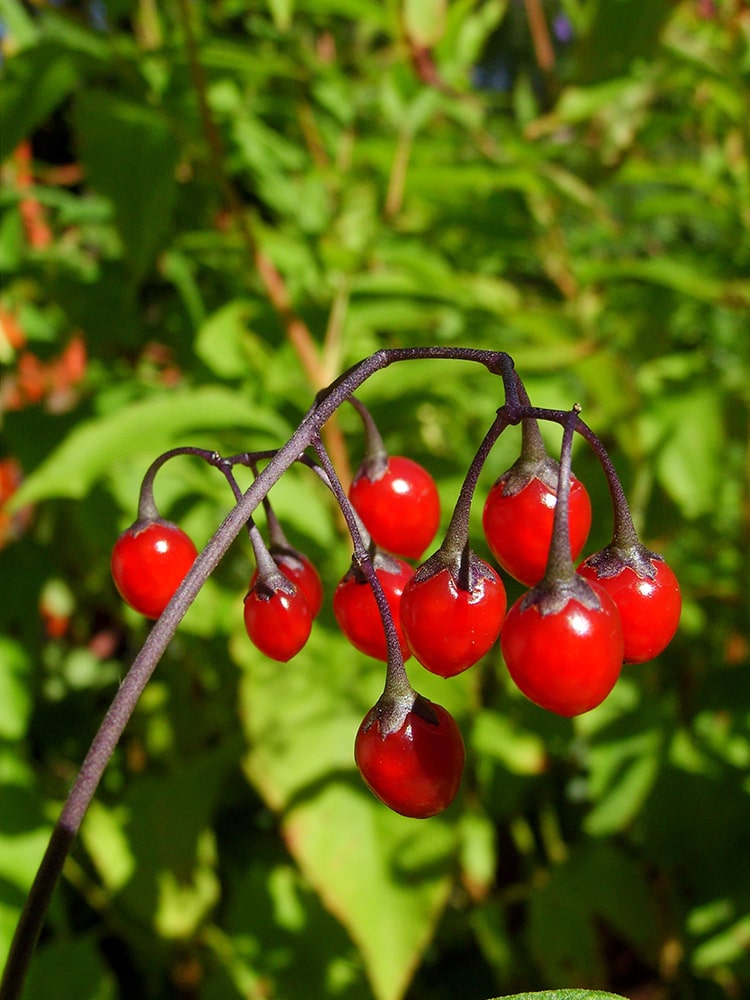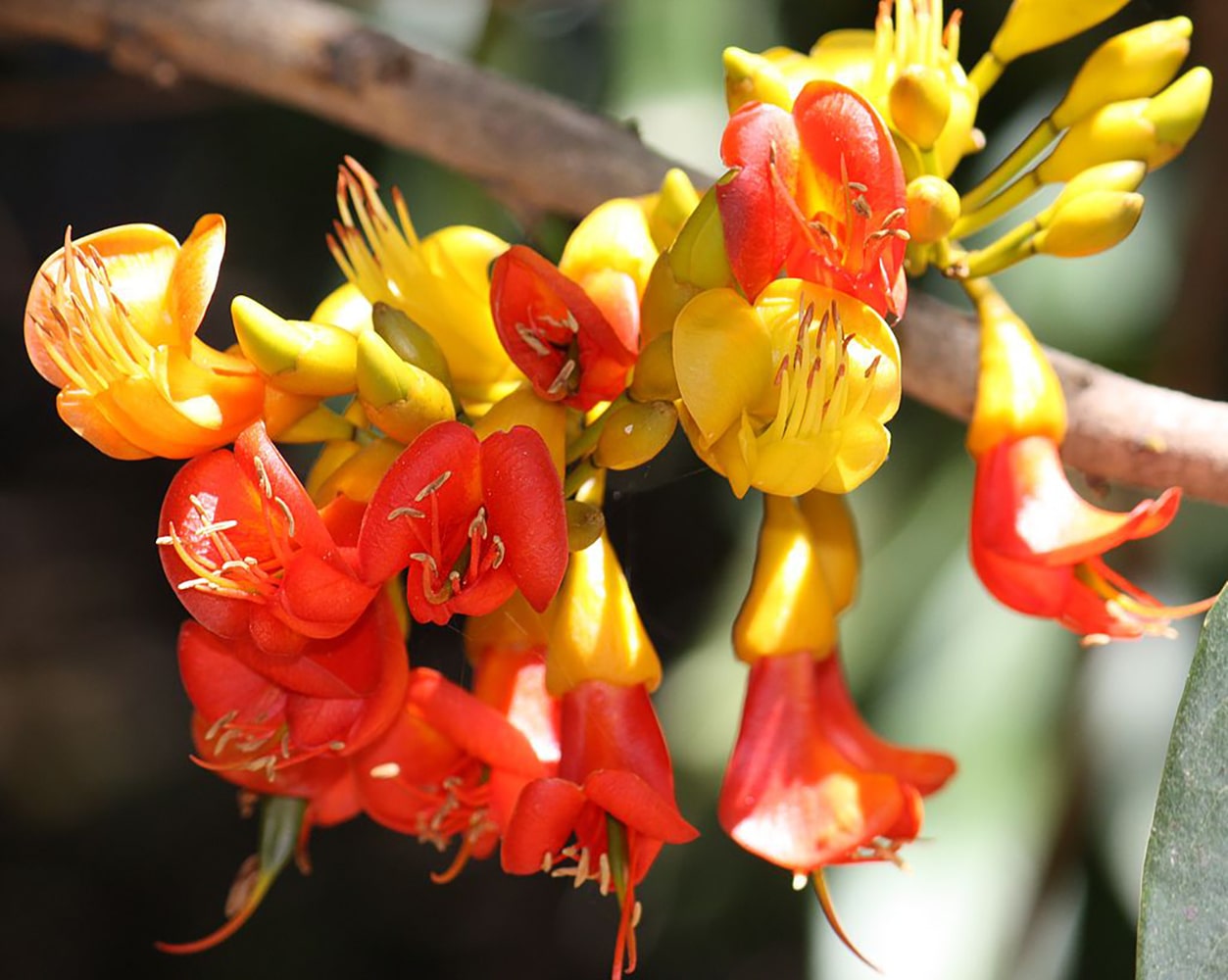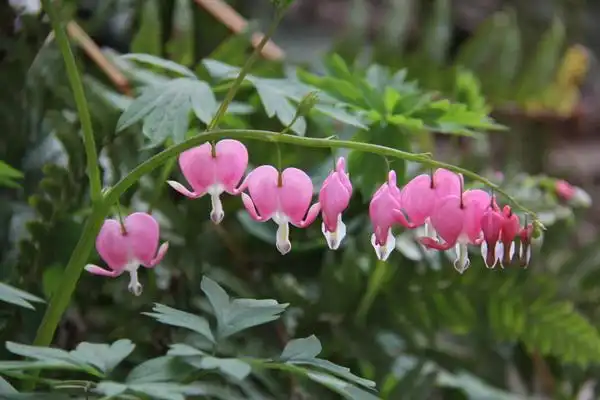
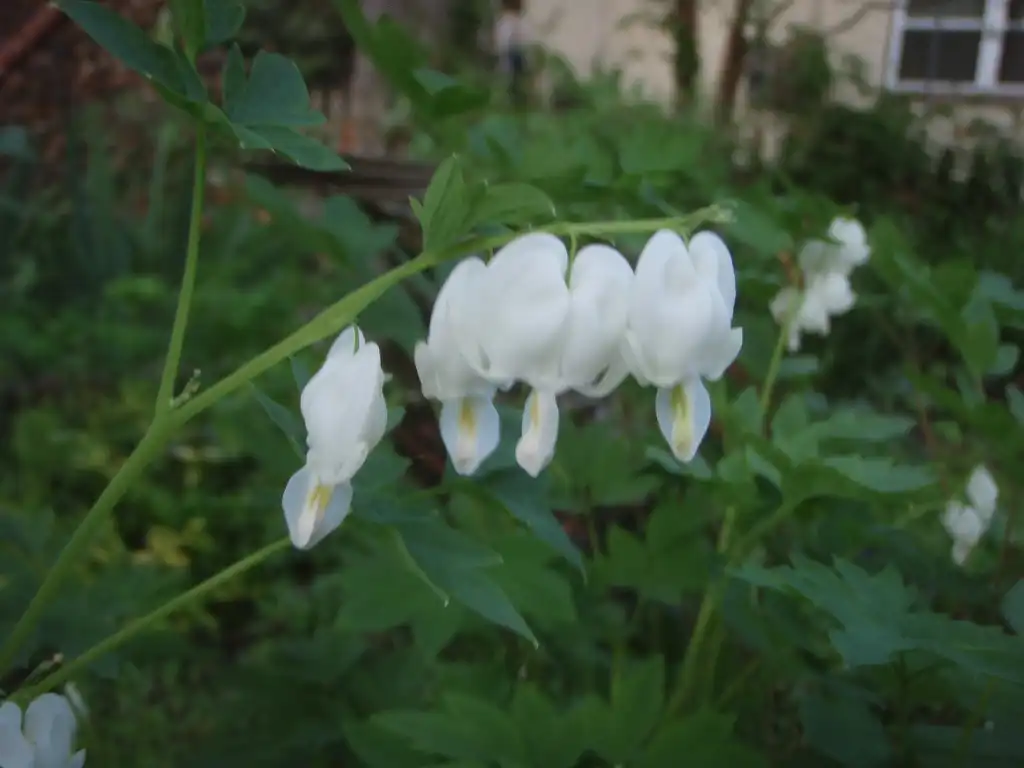
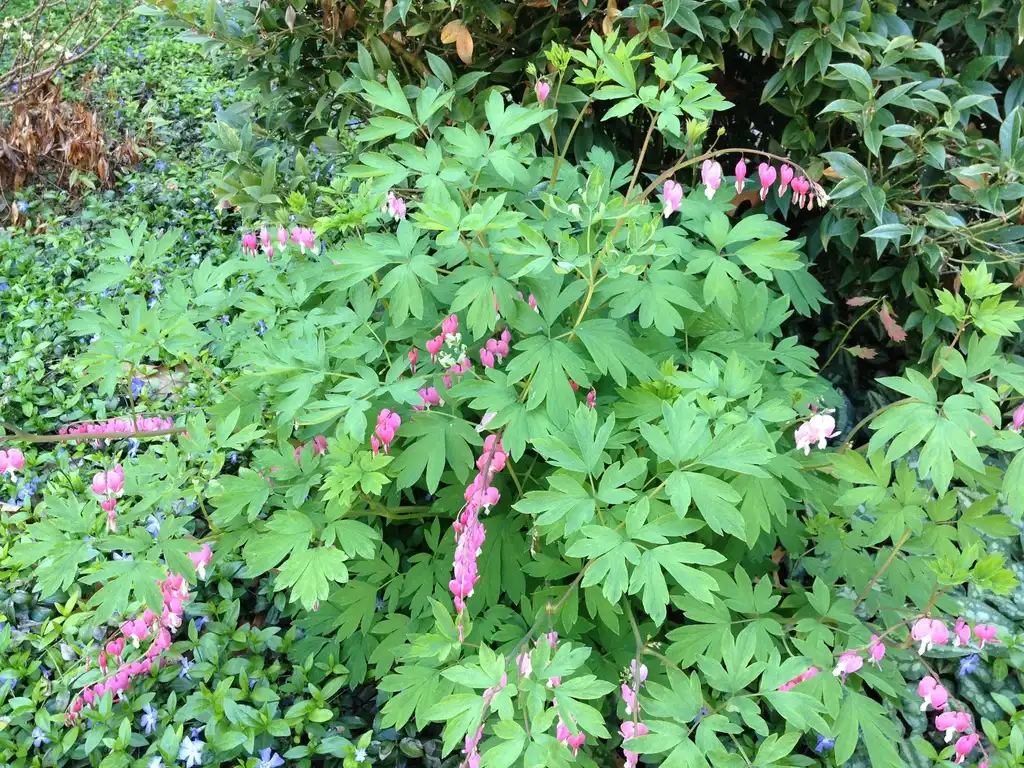
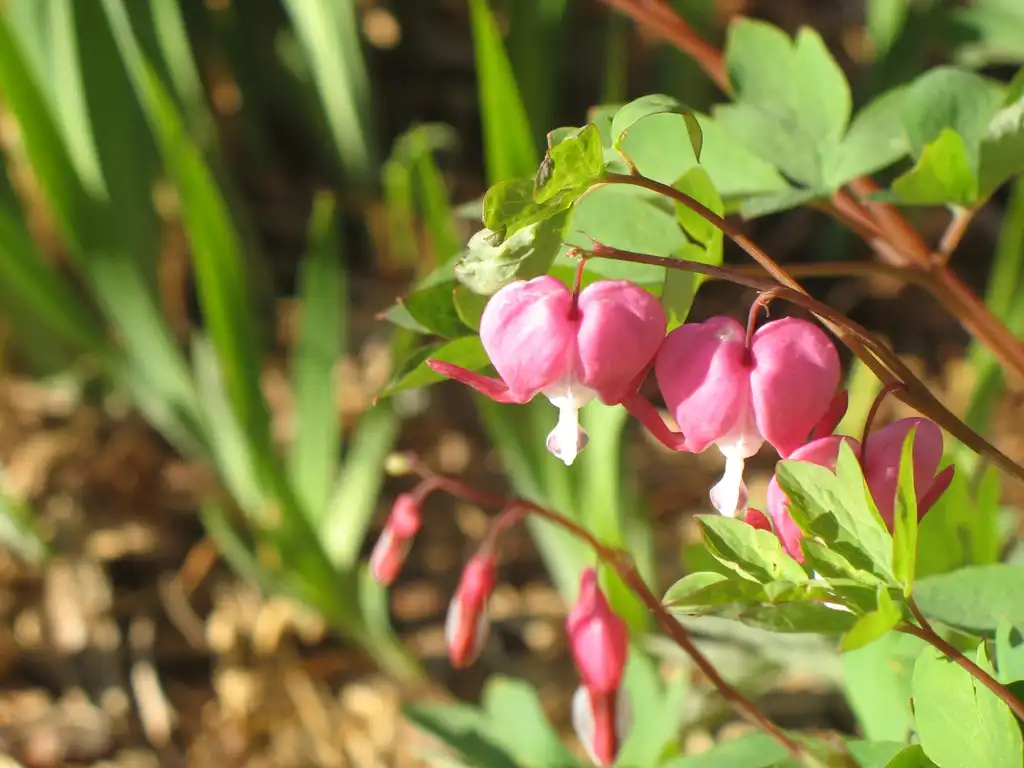
• Photo of Lamprocapnos spectabilis (Lamprocapnos spectabiliss)

Plant Profile: Lamprocapnos spectabilis

Taxonomy: Lamprocapnos spectabilis

Names

Bleeding Heart, Japanese Bleeding Heart

  • Photo of Lamprocapnos spectabilis (Lamprocapnos spectabiliss)

Phonetic Spelling:lam-pro-KAP-nos spek-TAB-il-iss.

Genus:Lamprocapnos

Species:spectabilis

Family:Papaveraceae

This plant enters a dormant phase during the summer months in warmer climates, but you can encourage it to bloom on Valentine's Day by placing dormant rhizomes in a cool greenhouse during late winter.

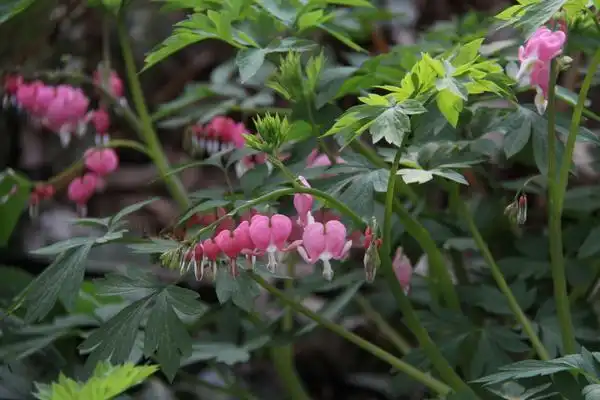
Dicentra spectabilis showcases a stunning array of colors, ranging from vibrant pinks to soft whites with pink accents, as well as pure white and gentle pink hues. These flowers are guaranteed to be a striking addition to any garden. The charming, heart-shaped blooms evoke a sense of nostalgia reminiscent of the Victorian era, highlighting the beauty this plant can bring to your outdoor space. Their lively colors seem to sway gracefully in the spring breeze, adding a touch of joy to the landscape.

Belonging to the Papaveraceae family (previously classified as Fumariaceae), this plant can be identified quickly by its erect perennial herb structure, reaching heights of 2 to 3 feet, with branches and flower clusters arching gracefully at the top.

It typically flowers from late spring to early summer, featuring inner petals that extend outward, creating the appearance of "bleeding" from the outer heart-shaped petals. By mid-summer, the foliage turns yellow and falls off as the plant dries out, making regular watering essential. This plant is often used as a cut flower, a potted plant (often referred to as a "living valentine"), in shaded borders, or as a filler plant. The variety D. eximia offers a longer blooming period and has more finely dissected leaves, making it a modern alternative to this classic garden favorite.

It thrives in partial shade and requires sufficient moisture, although it can be susceptible to fungal diseases. Seeds can be sown in late summer, and plant division can be performed in either fall or spring. This species is commonly found in forests and other natural habitats, thriving in rich woodland environments.

Lamprocapnos spectabilis Feature Summary

Lamprocapnos spectabilis Image Gallery

Tags

#hummingbirds
#white
#poisonous
#houseplant
#white flowers
#wildlife plant
#pink flowers
#shade tolerant
#nectar plant
#interiorscape
#herb garden
#cpp
#delicate
#vibrant
#valentine's day
#heart-shaped
#spring interest
#wildflower garden
#fantz
#HS302

Similar Plants

Lamprocapnos spectabilis is often confused with:

Lamprocapnos spectabilis Feature Summary

Flowers
A secund raceme, axis arching; bracts subulate. Pendulous, 3-15 per raceme, heart-shaped in outline; sepals 2, rudimentary, minute, inconspicuous; petals 4, in opposite pairs; outer petals rose-red, pink to white, spurred at base, swollen, heart-shaped, laterally compressed, apex slender, reflexed; inner petals tongue-shaped with convexed inner faces and crested apices, exerted, white.
Pink
White
Leaves
In a basal rosette, ternately decompound; leaflets ovate, coarsely lobed or toothed, acute, cuneate; cauline leaves few, simple with lanceolate lobes.
Ovate
Lanceolate
Cuneate
Stem
Poisonous to Humans
Trembling, staggering, vomiting, diarrhea, convulsions and labored breathing. Skin irritation after repeated contact with the cell sap.
Several isoquinolone alkaloids.
Seeds
Leaves
Stems
Sap/Juice
Flowers
Fruits
Roots
Whole Plant Traits
Perennial
Poisonous
Wildflower
Cultural Conditions
Partial Shade (Direct sunlight only part of the day, 2-6 hours)
Good Drainage
Moist
Coastal
Mountains
Piedmont
4a
4b
5b
5a
6a
6b
7a
7b
8b
8a
2a
2b
3a
3b
9a
9b
Landscape
Hummingbirds
Poisonous to Humans

Lamprocapnos spectabilis Attributes

Lamprocapnos spectabilis: Country Or Region Of Origin

China to Korea
Lamprocapnos spectabilis: Life Cycle

Annual
Biennial
Bulb
Perennial
Woody

Lamprocapnos spectabilis: Recommended Propagation Strategy

Division
Grafting
Layering
Leaf Cutting
Root Cutting
Seed
Stem Cutting

Lamprocapnos spectabilis Flowers

Lamprocapnos spectabilis: Flower Description

A secund raceme, axis arching; bracts subulate. Pendulous, 3-15 per raceme, heart-shaped in outline; sepals 2, rudimentary, minute, inconspicuous; petals 4, in opposite pairs; outer petals rose-red, pink to white, spurred at base, swollen, heart-shaped, laterally compressed, apex slender, reflexed; inner petals tongue-shaped with convexed inner faces and crested apices, exerted, white.

Lamprocapnos spectabilis: Flower Color

filter_vintage
Pink
filter_vintage
White

Lamprocapnos spectabilis: Flower Inflorescence

Catkin
Corymb
Cyme
Head
Insignificant
Panicle
Raceme
Solitary
Spadix
Spike
Umbel

Lamprocapnos spectabilis: Flower Bloom Time

Winter
Spring
Summer
Fall

Lamprocapnos spectabilis Leaves

Lamprocapnos spectabilis: Leaf Description

In a basal rosette, ternately decompound; leaflets ovate, coarsely lobed or toothed, acute, cuneate; cauline leaves few, simple with lanceolate lobes.

Lamprocapnos spectabilis: Leaf Color

spa
Green

Lamprocapnos spectabilis: Leaf Type

Compound (Pinnately , Bipinnately, Palmately)
Fronds
Needles
Sheath
Simple

Lamprocapnos spectabilis: Leaf Arrangement

Alternate
Opposite
Other/more complex
Rosulate
Whorled

Lamprocapnos spectabilis: Leaf Shape

Acicular
Auriculate
Cordate
Cuneate
Deltoid
Elliptical
Filiform
Lanceolate
Linear
Oblanceolate
Oblong
Obovate
Obtuse
Orbicular
Ovate
Palmasect
Palmatifid
Peltate
Pinnatifid
Pinnatisect
Reniform
Rhomboidal
Spatulate
Subcordate
Subulate

Lamprocapnos spectabilis: Hairs Present

No
Yes

Lamprocapnos spectabilis Stem

Lamprocapnos spectabilis: Stem Description

Short stemmed.

Lamprocapnos spectabilis: Stem Color

grass
Brown/Copper

Lamprocapnos spectabilis: Stem Is Aromatic

No
Yes

Lamprocapnos spectabilis Poisonous to Humans

Lamprocapnos spectabilis: Poison Symptoms

Trembling, staggering, vomiting, diarrhea, convulsions and labored breathing. Skin irritation after repeated contact with the cell sap.

Lamprocapnos spectabilis: Poison Toxic Principle

Several isoquinolone alkaloids.

Lamprocapnos spectabilis: Poison Severity

High
Low
Medium

Lamprocapnos spectabilis: Causes Contact Dermatitis

No
Yes

Lamprocapnos spectabilis: Poison Part

Bark
Flowers
Fruits
Leaves
Roots
Sap/Juice
Seeds
Stems

Lamprocapnos spectabilis Whole Plant Traits

Lamprocapnos spectabilis: Plant Type

Annual
Bulb
Carnivorous
Edible
Epiphyte
Fern
Ground Cover
Herb
Herbaceous Perennial
Houseplant
Mushroom
Native Plant
Ornamental Grasses and Sedges
Perennial
Poisonous
Rose
Shrub
Succulent
Tree
Turfgrass
Vegetable
Vine
Water Plant
Weed
Wildflower

Lamprocapnos spectabilis Cultural Conditions

Lamprocapnos spectabilis: Light

Dappled Sunlight (Shade through upper canopy all day)
Deep shade (Less than 2 hours to no direct sunlight)
Full sun (6 or more hours of direct sunlight a day)
Partial Shade (Direct sunlight only part of the day, 2-6 hours)

Lamprocapnos spectabilis: Soil Drainage

Frequent Standing Water
Good Drainage
Moist
Occasional Flooding
Occasionally Dry
Occasionally Wet
Very Dry

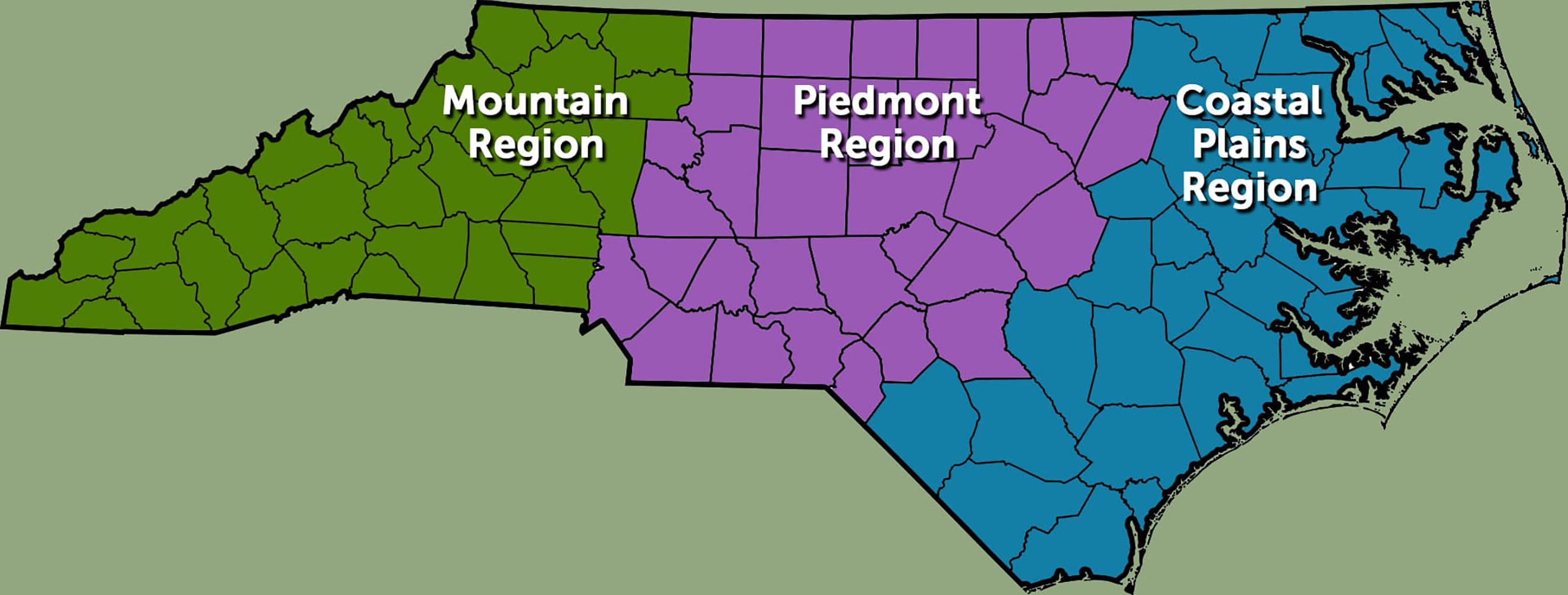
Lamprocapnos spectabilis: NC Region

Coastal
Mountains
Piedmont

Lamprocapnos spectabilis: USDA Plant Hardiness Zone

thermostat
2a
thermostat
2b
thermostat
3a
thermostat
3b
thermostat
4a
thermostat
4b
thermostat
5a
thermostat
5b
thermostat
6a
thermostat
6b
thermostat
7a
thermostat
7b
thermostat
8a
thermostat
8b
thermostat
9a
thermostat
9b

Lamprocapnos spectabilis Landscape

Lamprocapnos spectabilis: Attracts

Bats
Bees
Butterflies
Frogs
Hummingbirds
Moths
Pollinators
Predatory Insects
Reptiles
Small Mammals
Songbirds
Specialized Bees

Lamprocapnos spectabilis: Problems

Allelopathic
Contact Dermatitis
Frequent Disease Problems
Frequent Insect Problems
Invasive Species
Malodorous
Messy
Poisonous to Humans
Problem for Cats
Problem for Children
Problem for Dogs
Problem for Horses
Short-lived
Spines/Thorns
Weak Wood
Weedy