Plant Profile: Larix decidua

Taxonomy: Larix decidua

Names

European Larch

  • Photo of Larix decidua (Larix deciduas)

Phonetic Spelling:LAIR-iks de-SID-joo-uh

Genus:Larix

Species:decidua

Family:Pineaceae

The European Larch is a sizable deciduous conifer characterized by its pyramidal to irregular form and gracefully drooping horizontal branches. Its impressive stature makes it particularly suitable for expansive properties. While it starts off with a slender appearance, the tree's shape becomes more irregular over time, with cones and dead branches remaining as it matures. This species does not thrive in hot, humid environments and is best suited to areas with cool summers and frigid winters.

In terms of pests and diseases, the European Larch can be susceptible to the larch casebearer, which feeds on the inner parts of the needles. Other potential threats include aphids, larch sawflies, and Japanese beetles. Additionally, it may face diseases such as needle cast, rust, and canker. As the tree ages, it tends to lose its initially uniform shape.


Larix decidua Feature Summary

Larix decidua Image Gallery

Tags

#deciduous
#wind tolerant
#needled evergreen
#deer resistant
#cold tolerant
#deciduous conifer
#dry soils tolerant

Similar Plants

Larix decidua Feature Summary

Attributes
Central and Southern Europe
Attractive to birds.
Wildlife Cover/Habitat
Fruit
This tree is non-fruiting but produces 1.5" reddish-brown cones that are covered with brown hairs.
Red/Burgundy
Brown/Copper
1-3 inches
Flowers
Non-flowering
Leaves
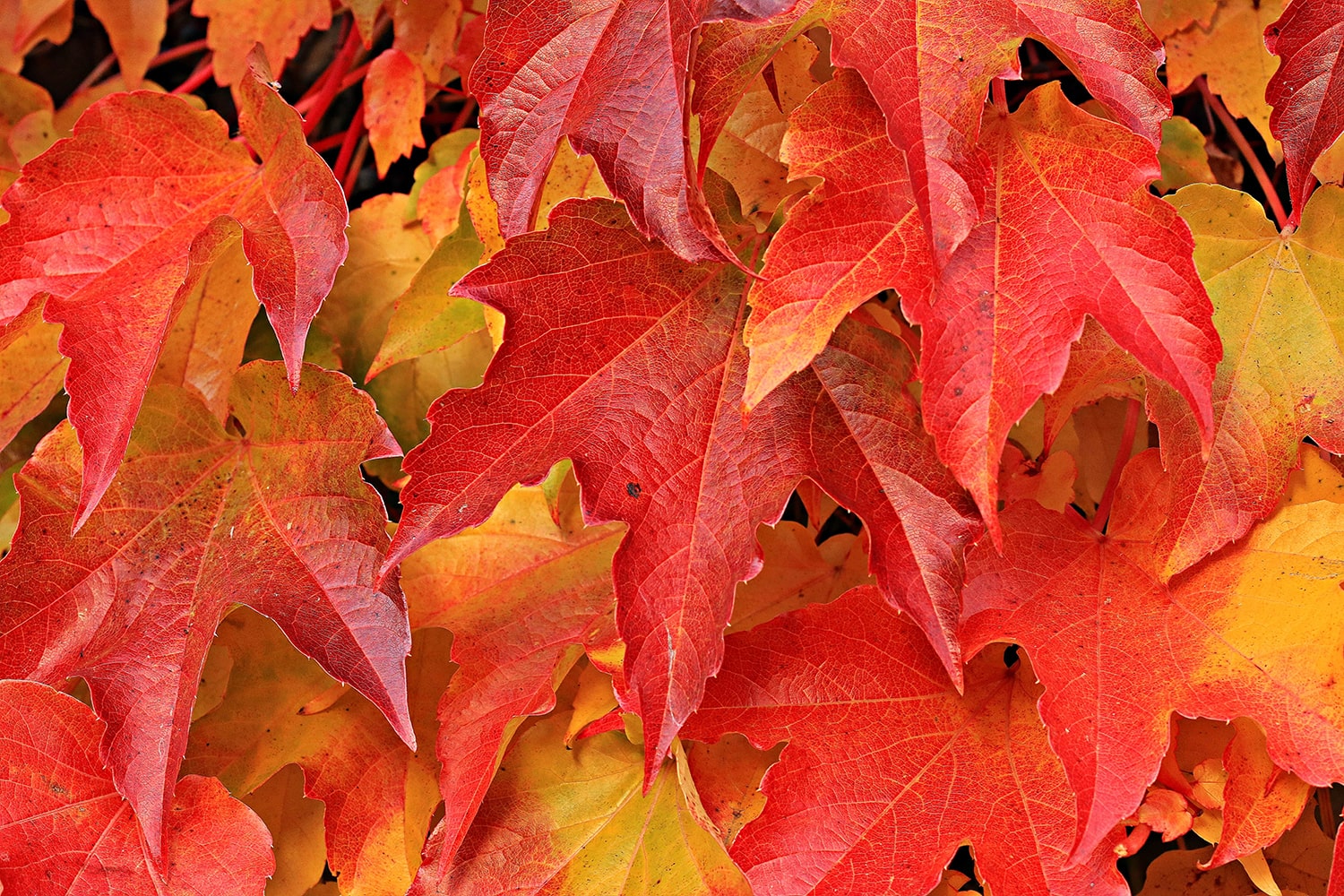
The 1", bright green needles will turn a yellow-amber color in the fall.
Deciduous
Needled Evergreen
< 1 inch
Bark
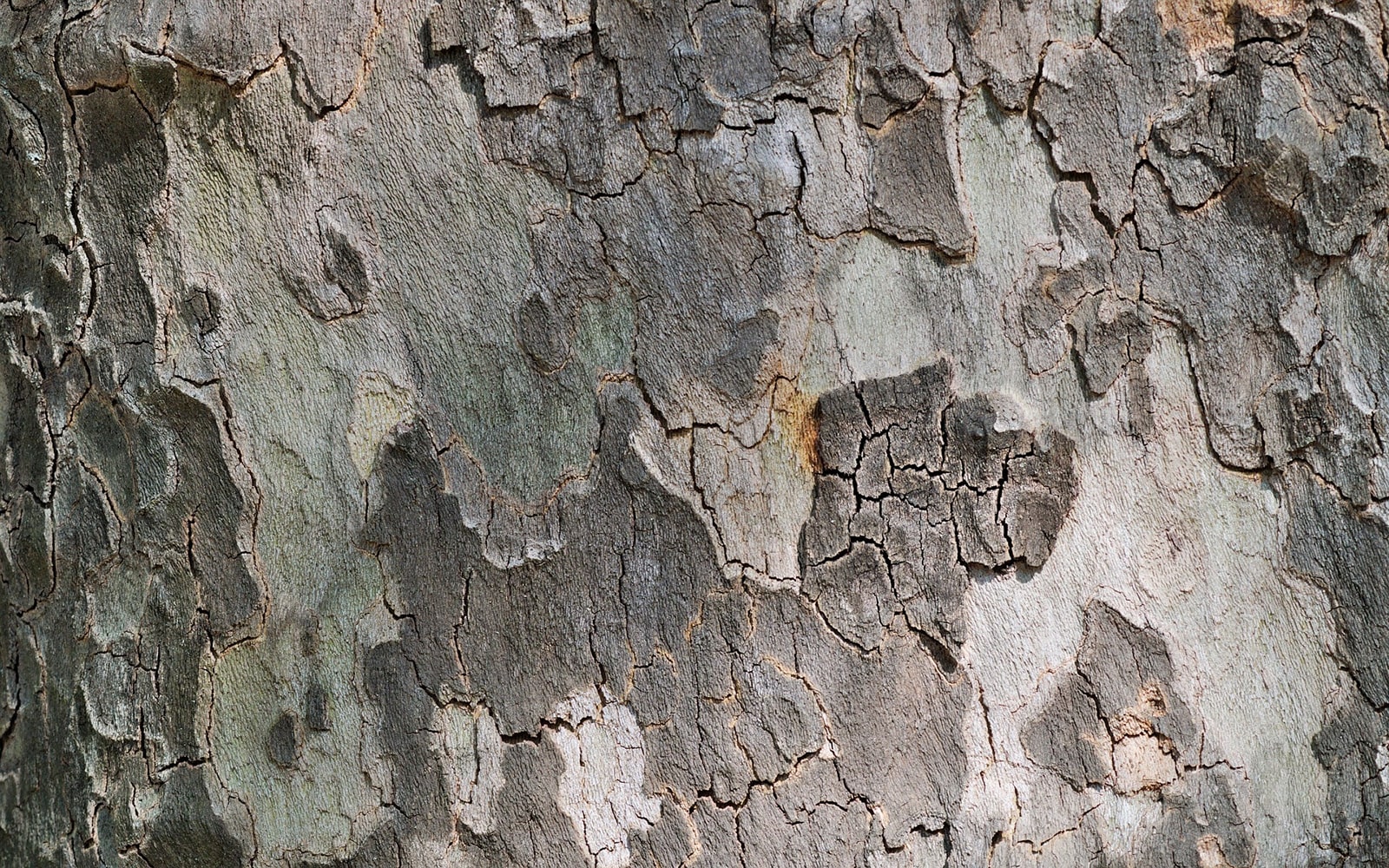
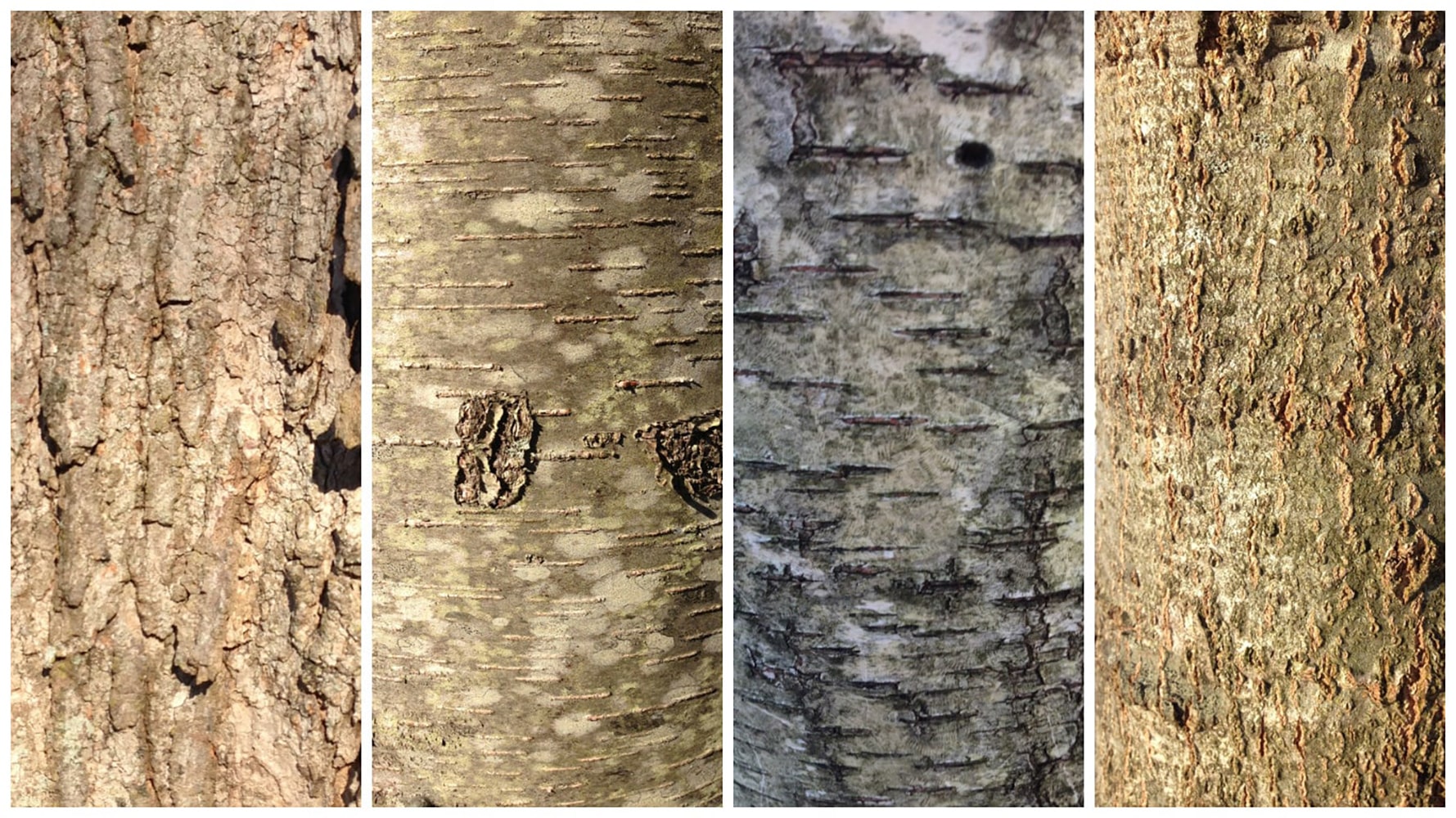
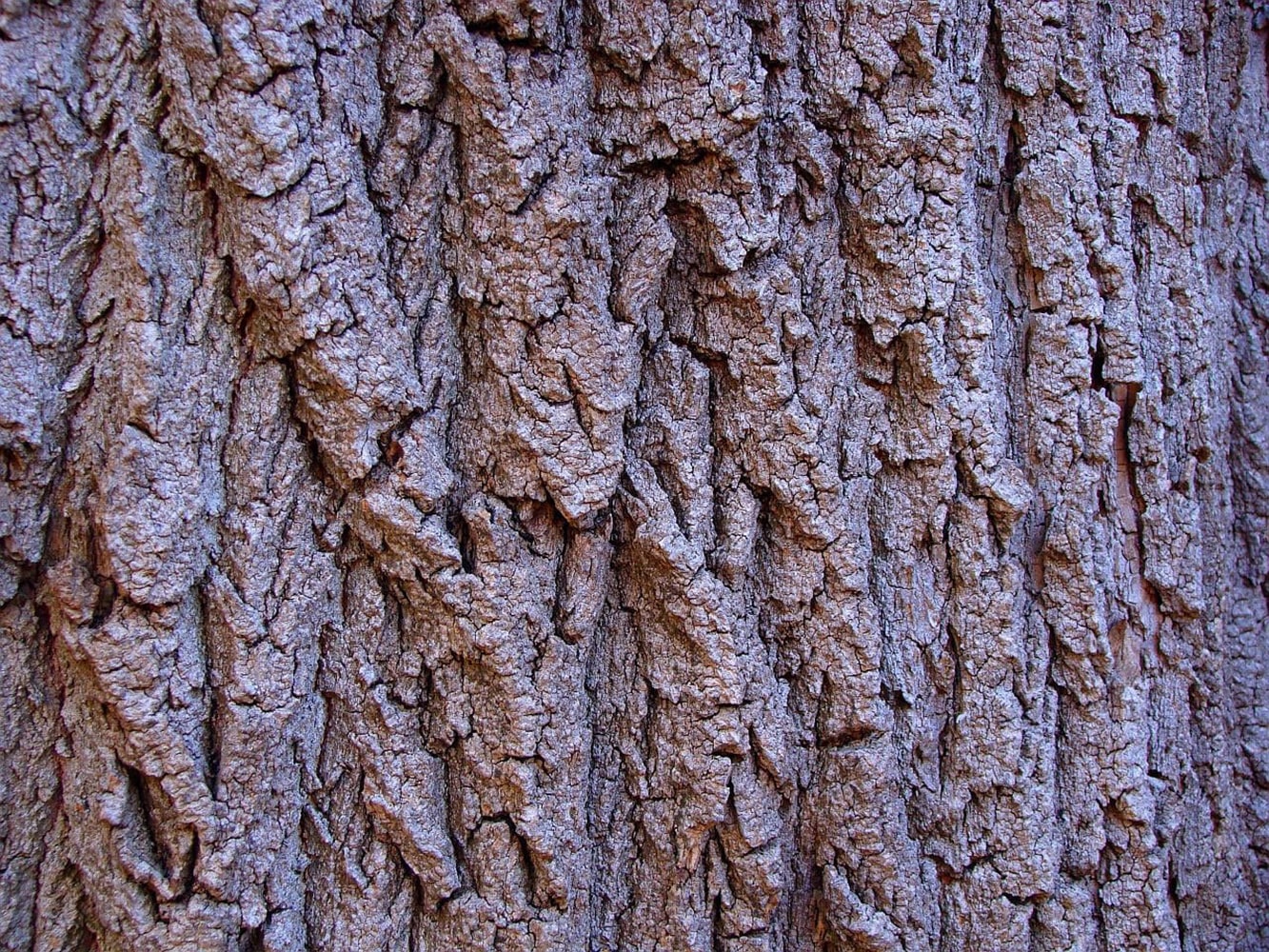
The bark on larger branches can be attractive.
Dark Brown
Whole Plant Traits
Deciduous
Needled Evergreen
Pyramidal
Horizontal
Irregular
Cultural Conditions
Full sun (6 or more hours of direct sunlight a day)
Good Drainage
more than 60 feet
4a
4b
5b
5a
6a
6b
2a
2b
3a
3b
Loam (Silt)
Landscape
Accent
Screen/Privacy
Specimen

Larix decidua Attributes

Larix decidua: Country Or Region Of Origin

Central and Southern Europe

Larix decidua: Wildlife Value

Attractive to birds.

Larix decidua: Life Cycle

Annual
Biennial
Bulb
Perennial
Woody

Larix decidua: Play Value

Attractive Flowers
Attracts Pollinators
Buffer
Colorful
Defines Paths
Easy to Grow
Edible fruit
Fragrance
Pieces Used in Games
Screening
Shade
Sound
Textural
Wildlife Cover/Habitat
Wildlife Food Source
Wildlife Larval Host
Wildlife Nesting
Wind Break
Wind Shimmer

Larix decidua Fruit

Larix decidua: Fruit Description

This tree is non-fruiting but produces 1.5" reddish-brown cones that are covered with brown hairs.

Larix decidua: Fruit Color

grass
Brown/Copper
grass
Red/Burgundy

Larix decidua: Fruit Length

< 1 inch
1-3 inches
> 3 inches

Larix decidua Flowers

Larix decidua: Flower Description

Non-flowering

Larix decidua Leaves

Larix decidua: Leaf Description

The 1", bright green needles will turn a yellow-amber color in the fall.

Larix decidua: Woody Plant Leaf Characteristics

Broadleaf Evergreen
Deciduous
Needled Evergreen
Semi-evergreen

Larix decidua: Leaf Color

spa
Green

Larix decidua: Deciduous Leaf Fall Color

spa
Gold/Yellow

Larix decidua: Hairs Present

No
Yes

Larix decidua: Leaf Length

< 1 inch
1-3 inches
3-6 inches
> 6 inches

Larix decidua Bark

Larix decidua: Bark Description

The bark on larger branches can be attractive.

Larix decidua: Bark Color

grass
Dark Brown

Larix decidua: Surface/Attachment

Bumpy
Exfoliating
Fissured
Furrowed
Lenticels
Papery
Patchy
Peeling
Ridges
Scaly
Shaggy
Shiny
Shredding
Smooth
Spongy

Larix decidua Whole Plant Traits

Larix decidua: Plant Type

Annual
Bulb
Carnivorous
Edible
Epiphyte
Fern
Ground Cover
Herb
Herbaceous Perennial
Houseplant
Mushroom
Native Plant
Ornamental Grasses and Sedges
Perennial
Poisonous
Rose
Shrub
Succulent
Tree
Turfgrass
Vegetable
Vine
Water Plant
Weed
Wildflower

Larix decidua: Woody Plant Leaf Characteristics

Broadleaf Evergreen
Deciduous
Needled Evergreen
Semi-evergreen

Larix decidua: Habit/Form

Arching
Ascending
Broad
Cascading
Climbing
Clumping
Columnar
Conical
Creeping
Dense
Erect
Horizontal
Irregular
Mounding
Multi-stemmed
Multi-trunked
Open
Oval
Prostrate
Pyramidal
Rounded
Spreading
Vase
Weeping

Larix decidua: Maintenance

Low
Medium
High

Larix decidua Cultural Conditions

Larix decidua: Light

Dappled Sunlight (Shade through upper canopy all day)
Deep shade (Less than 2 hours to no direct sunlight)
Full sun (6 or more hours of direct sunlight a day)
Partial Shade (Direct sunlight only part of the day, 2-6 hours)

Larix decidua: Soil Drainage

Frequent Standing Water
Good Drainage
Moist
Occasional Flooding
Occasionally Dry
Occasionally Wet
Very Dry

Larix decidua: Available Space To Plant

12 inches-3 feet
12-24 feet
24-60 feet
3 feet-6 feet
6-feet-12 feet
Less than 12 inches
more than 60 feet

Larix decidua: USDA Plant Hardiness Zone

thermostat
2a
thermostat
2b
thermostat
3a
thermostat
3b
thermostat
4a
thermostat
4b
thermostat
5a
thermostat
5b
thermostat
6a
thermostat
6b

Larix decidua: Soil Texture

Clay
High Organic Matter
Loam (Silt)
Sand
Shallow Rocky

Larix decidua Stem

Larix decidua: Stem Is Aromatic

No
Yes

Larix decidua Landscape

Larix decidua: Design Feature

Accent
Barrier
Border
Flowering Tree
Foundation Planting
Hedge
Mass Planting
Screen/Privacy
Security
Shade Tree
Small groups
Small Tree
Specimen
Street Tree
Understory Tree

Larix decidua: Resistance To Challenges

Black Walnut
Compaction
Deer
Diseases
Drought
Dry Soil
Erosion
Fire
Foot Traffic
Heat
Heavy Shade
Humidity
Insect Pests
Pollution
Poor Soil
Rabbits
Salt
Slugs
Squirrels
Storm damage
Urban Conditions
Voles
Wet Soil
Wind