Liquidambar formosana: Country Or Region Of Origin
Southern China, Taiwan
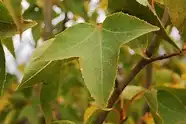
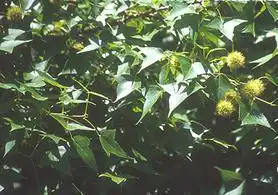
Phonetic Spelling:lih-kwid-AM-bar for-moe-SAY-nuh
Genus:Liquidambar
Species:formosana
Family:Altingiaceae
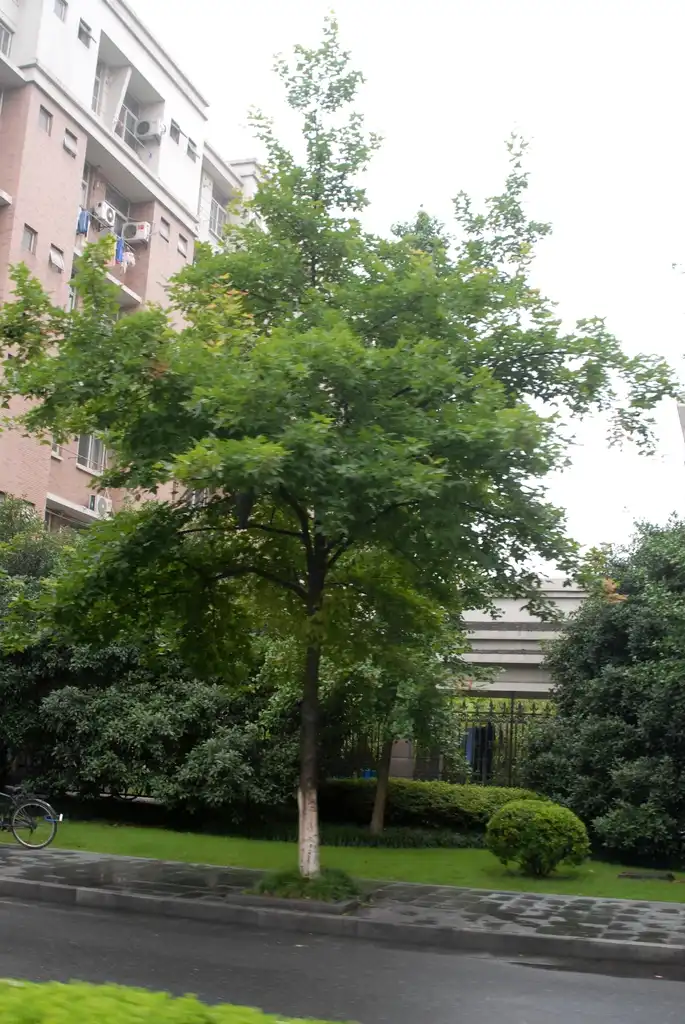
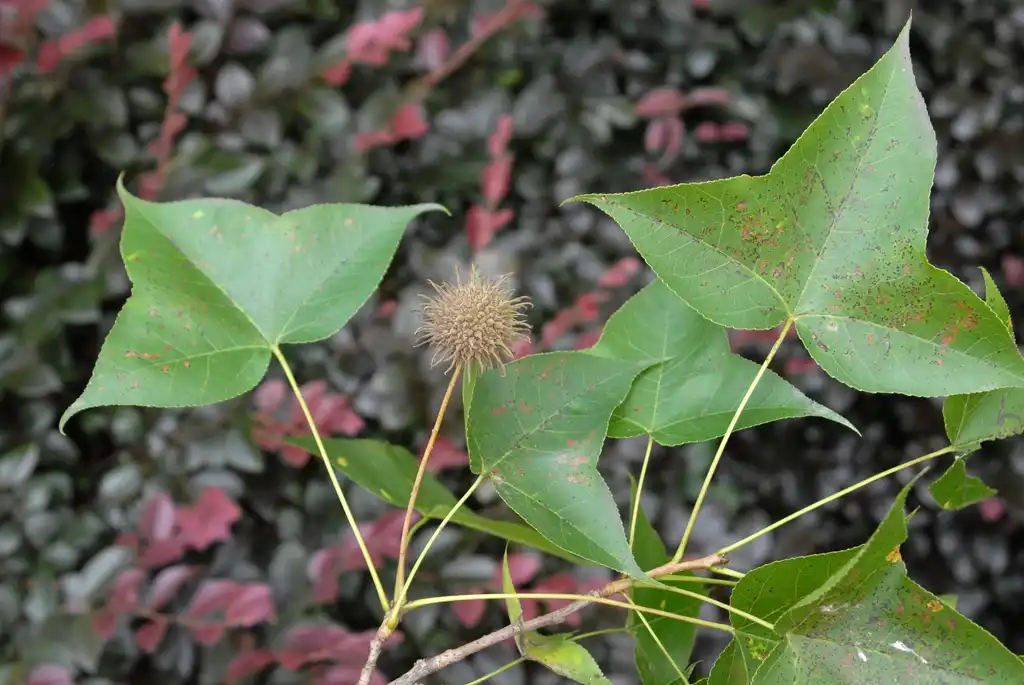
This sweet gum tree, which is not originally from North America, derives its common name from the sap that seeps from any injuries on its trunk. It is often planted for shade, particularly in areas without sidewalks or in lawns that exceed six feet in width. Additionally, it is utilized in bonsai cultivation. While the tree itself is visually striking, its flowers and fruit lack similar appeal. The fruit is known to attract birds, but it can also create a litter issue. When considering the placement of the Formosa Sweetgum as a street tree, caution is advised due to its large, invasive roots, which can eventually disrupt curbs and sidewalks. It is recommended to plant these trees at least 8 to 10 feet away from such structures. Although the fruit can be a nuisance during the fall and winter months, this is typically only a concern on hard surfaces like roads, patios, and sidewalks. The tree has a pyramidal shape when young but matures into a rounded, irregular form, requiring pruning to establish a strong central leader and an aesthetically pleasing shape. Its wood is valued for making furniture and various interior finishes, including flooring.
In terms of pests and diseases, the sweet gum may be vulnerable to bagworms, fall webworms, leaf miners, tent caterpillars, and cottony cushion scale, as well as canker disease.
Liquidambar formosana Feature Summary
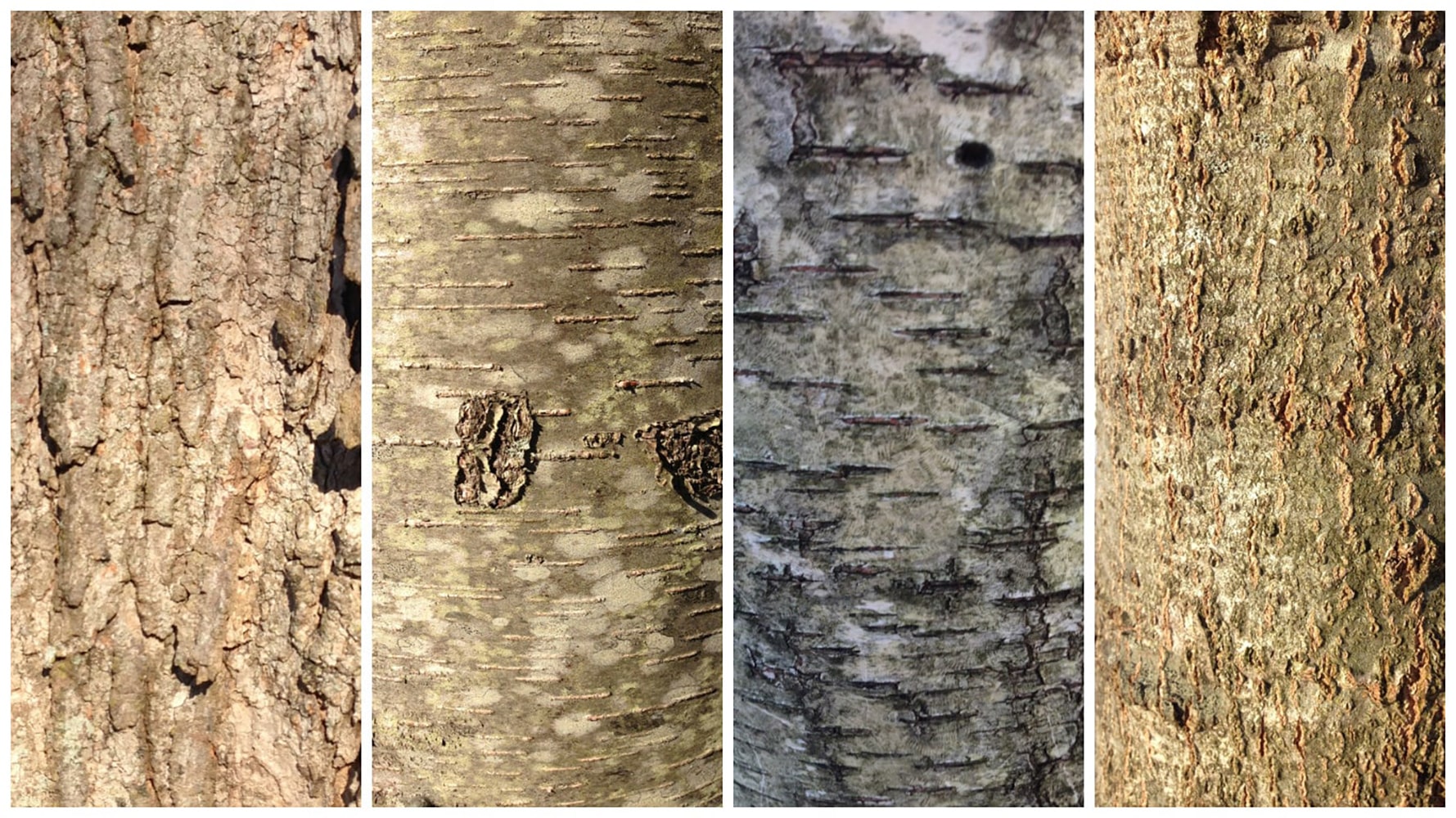
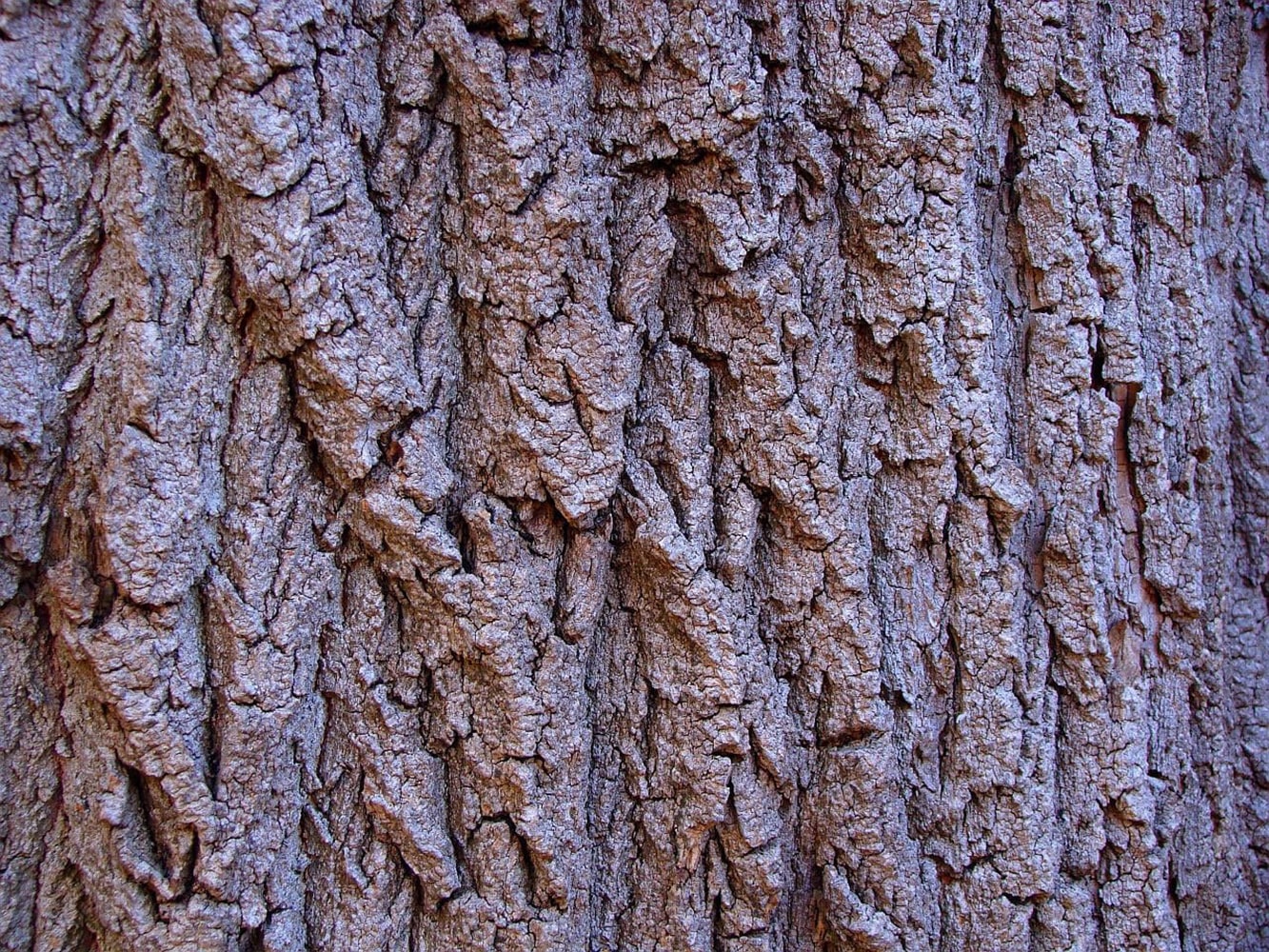
Liquidambar formosana Image Gallery