Nyssa sylvatica: Uses (Ethnobotany)
Wood is touch, cross-grained, hard to work, and warps easily. It is often used for crates, cross ties, rough floors, and pulpwood.
Phonetic Spelling:NY-suh sil-VAT-ee-kuh
Genus:Nyssa
Species:sylvatica
Family:Nyssaceae
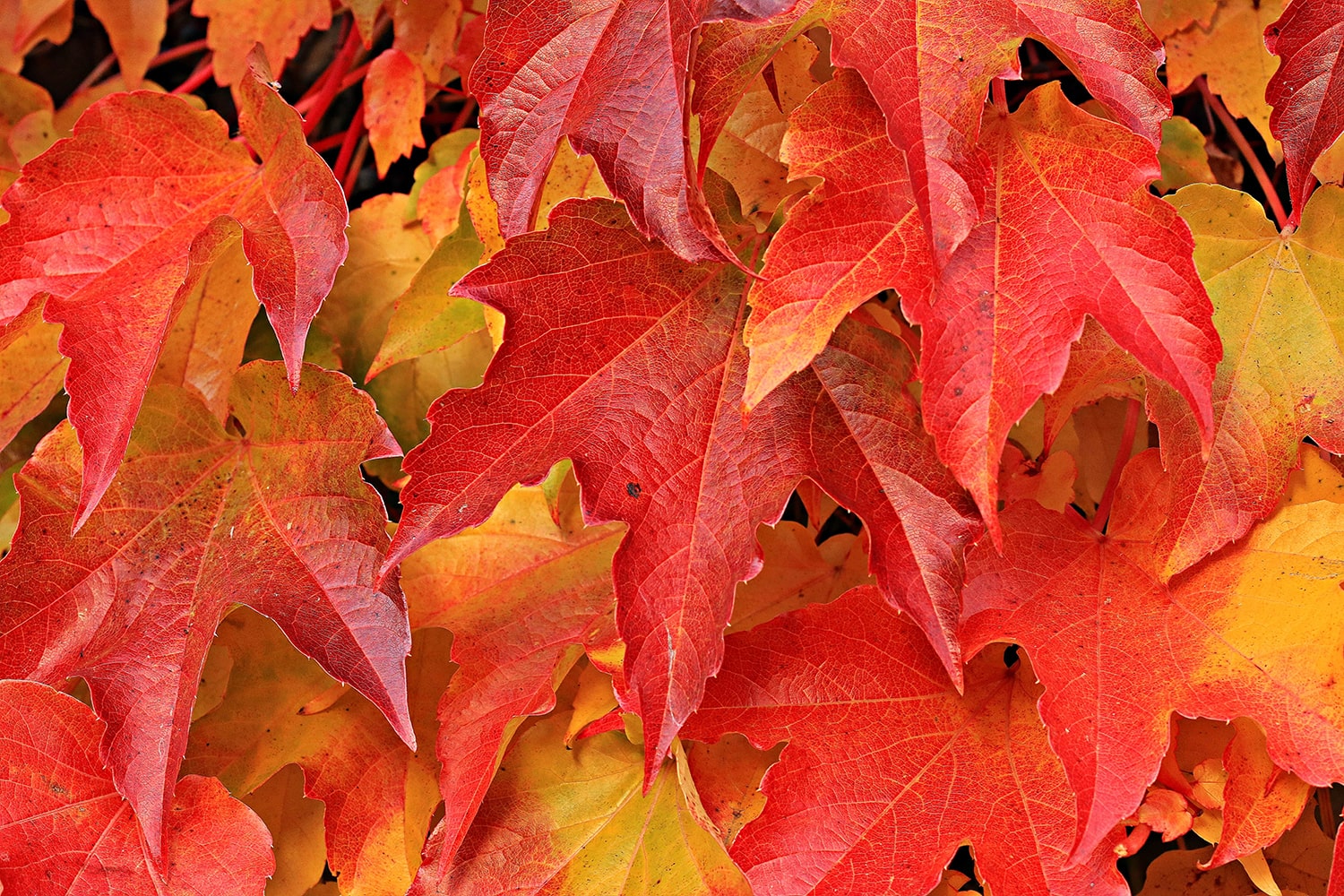
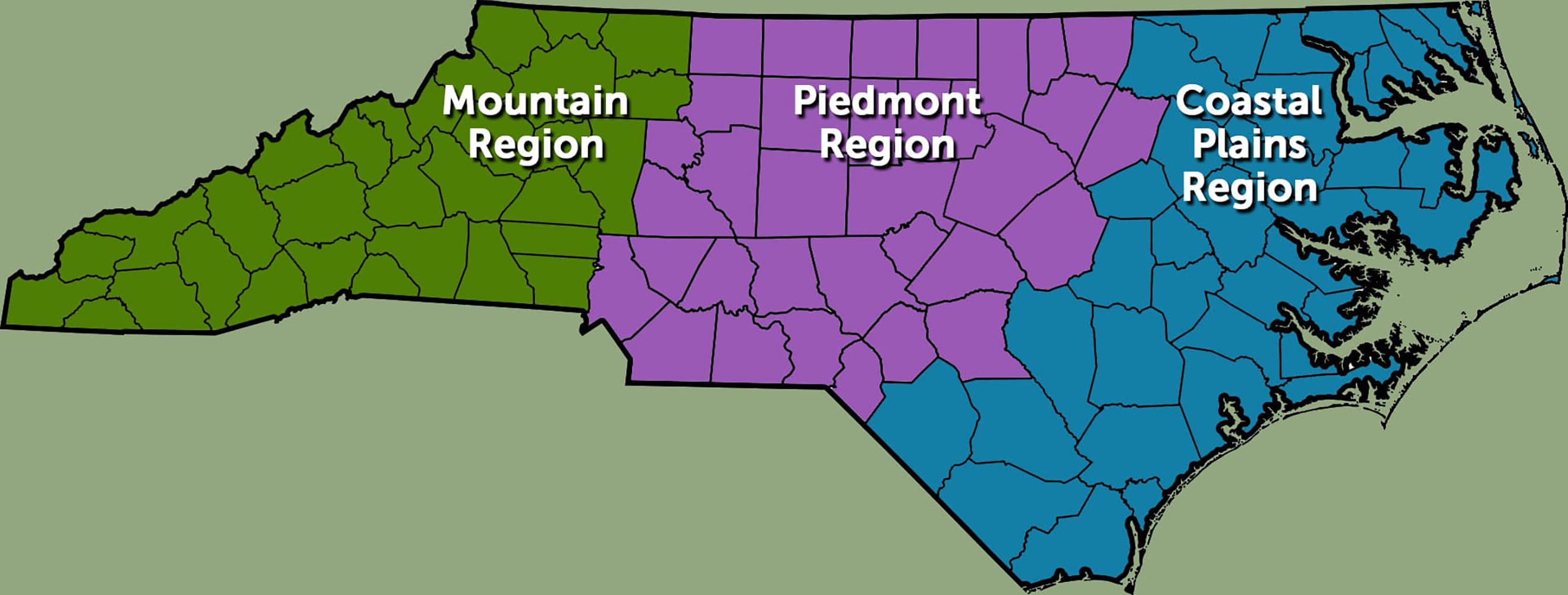
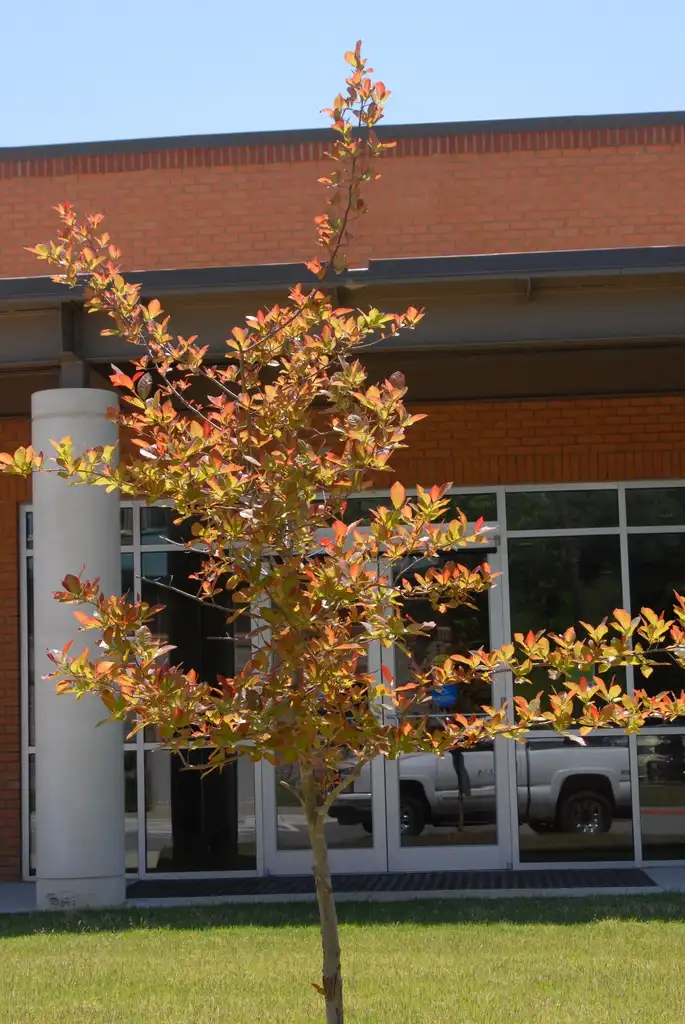
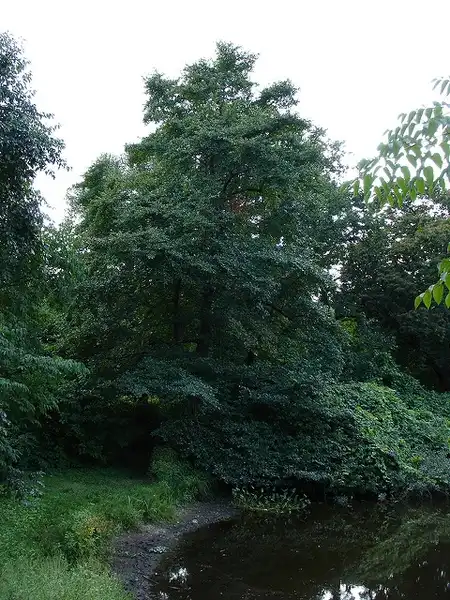
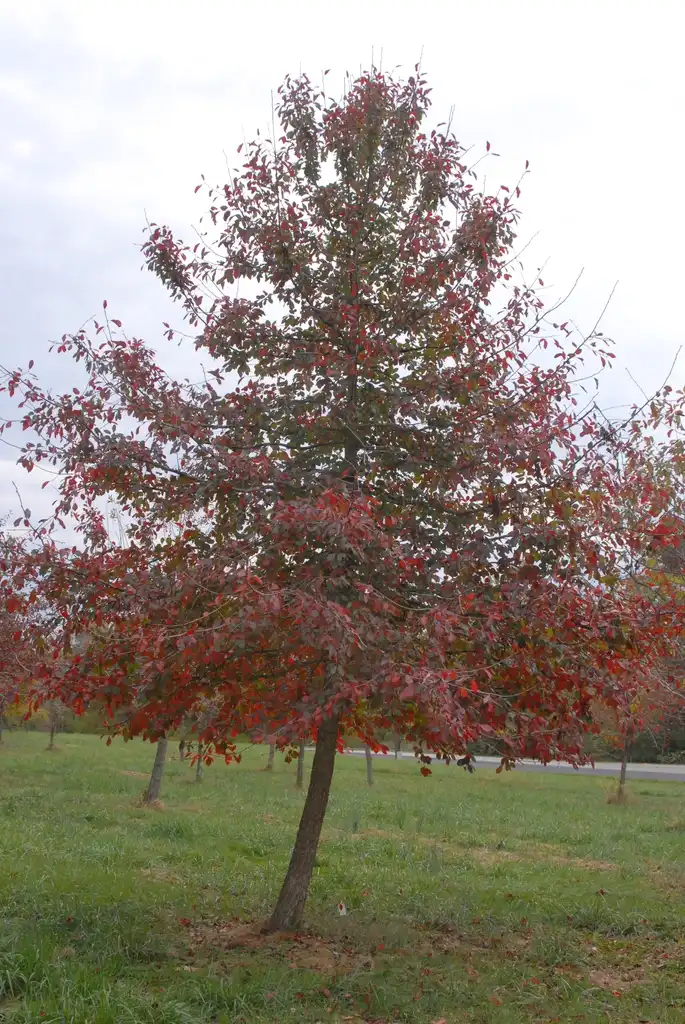
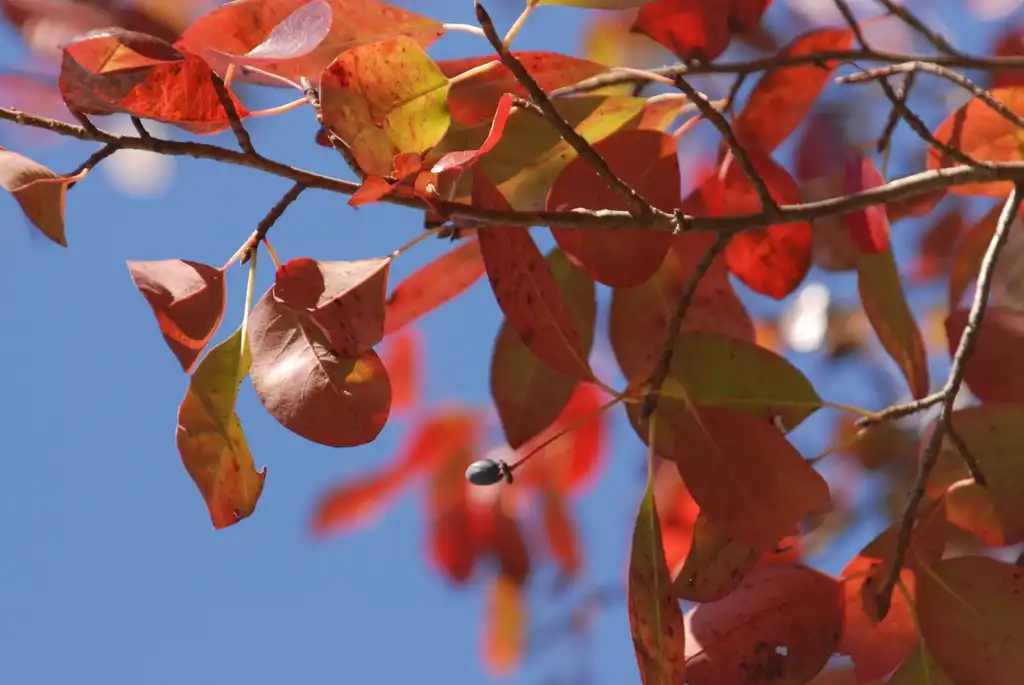
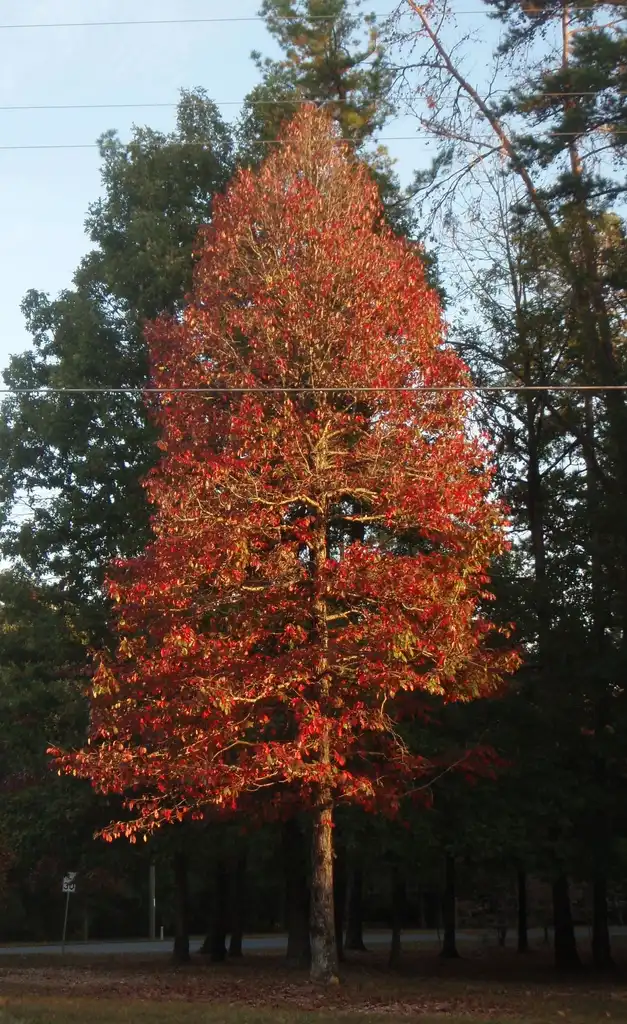
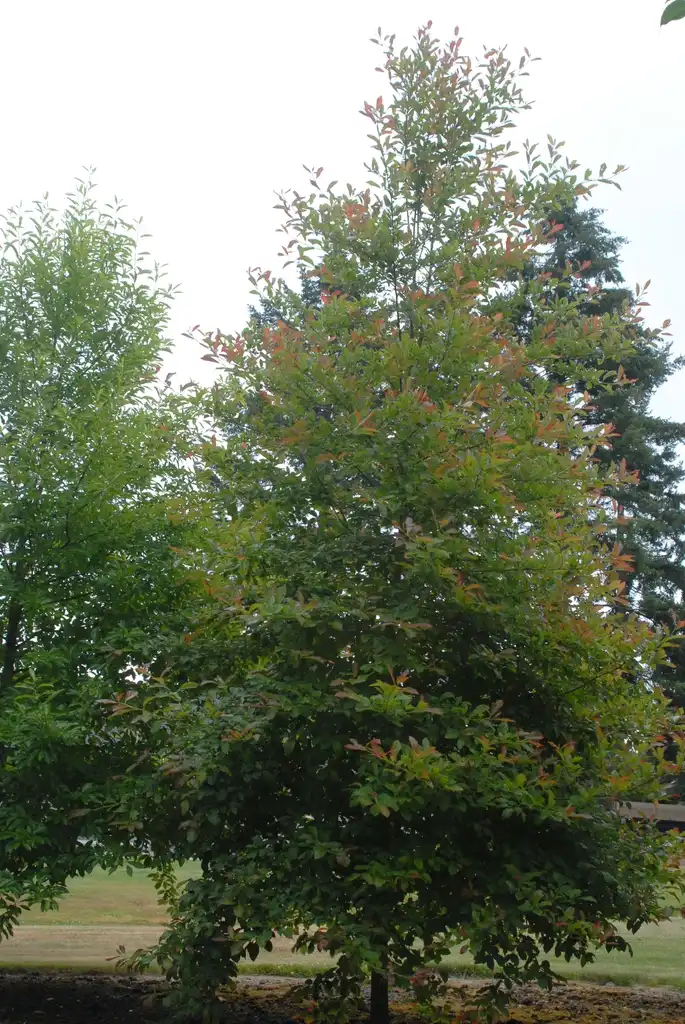
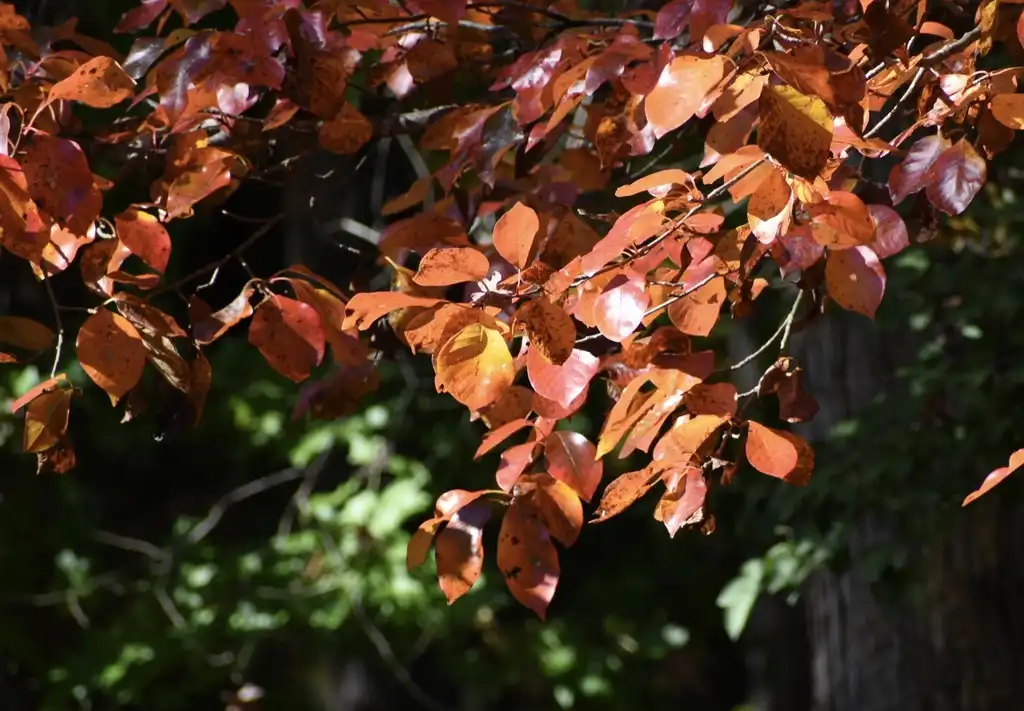
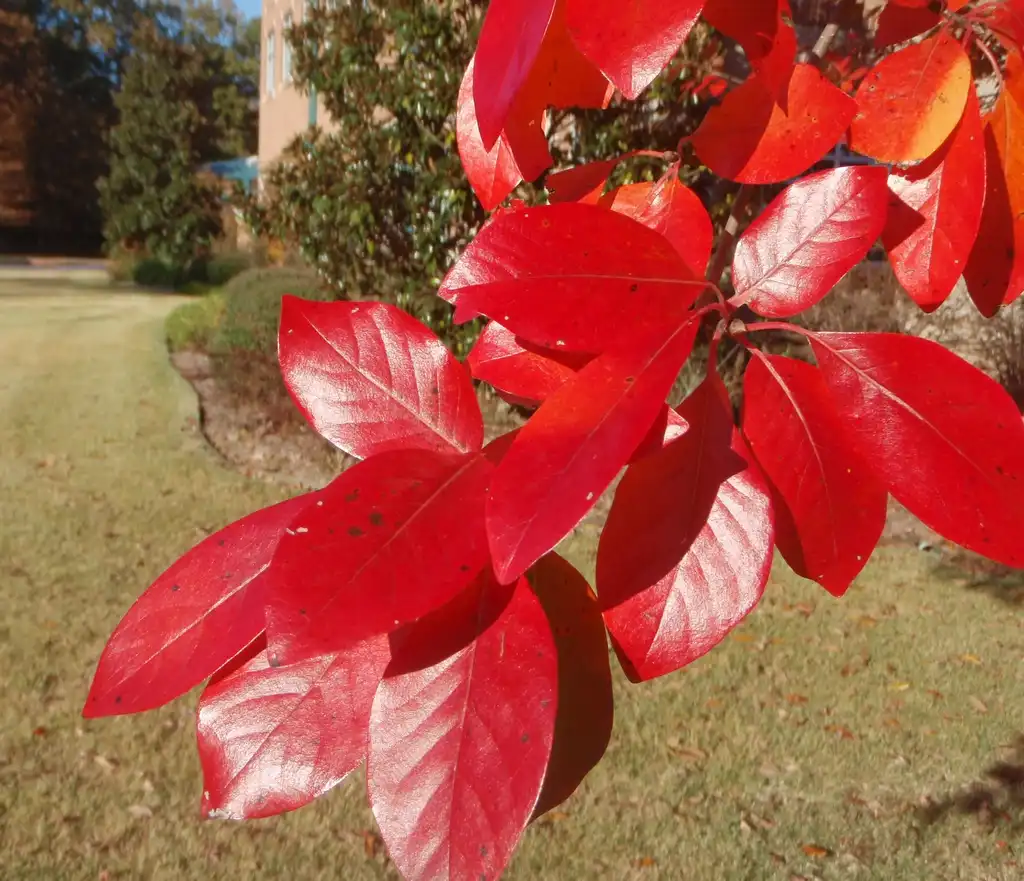
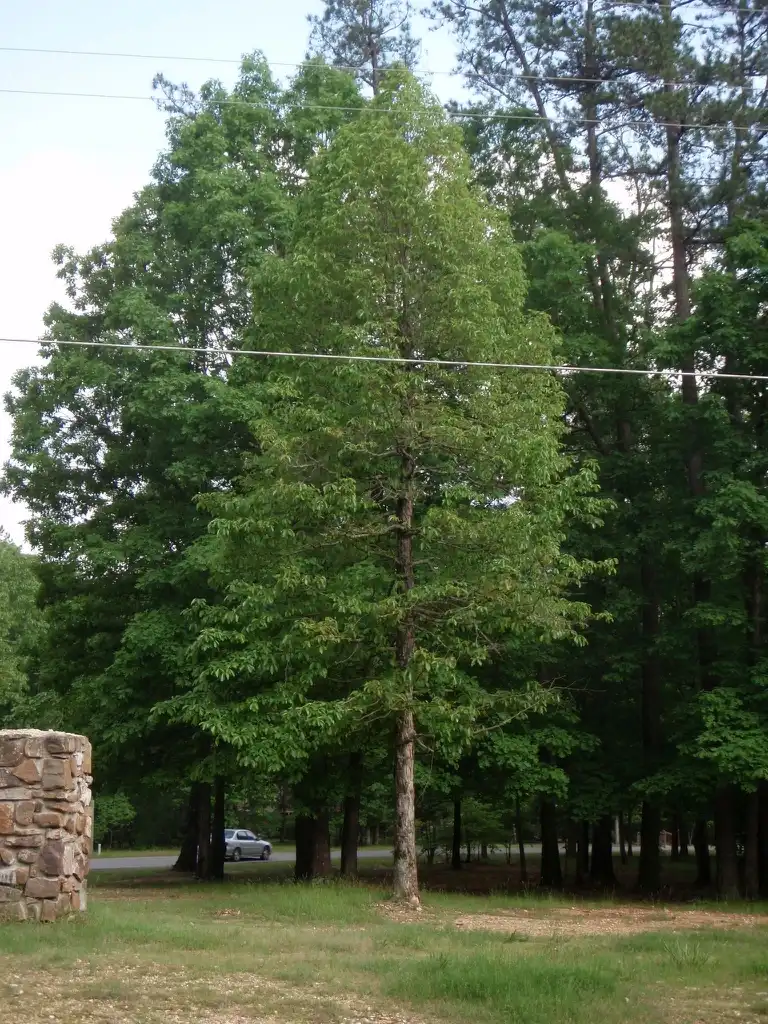
Blackgum, also known as Black Tupelo, is a native deciduous tree found across North Carolina, typically growing to heights of 20 to 30 feet in cultivated settings, though it can reach up to 50 to 80 feet in the wild. The trunk usually measures between 1 to 2 feet in diameter, but larger specimens can attain diameters of 4 to 5 feet. This tree is adaptable to various soil types and moisture levels, but it grows slowly, averaging 12 to 15 feet over a decade; however, with adequate watering and fertilization, its growth rate can improve. Blackgum thrives in dry upland forests, savannas, swamp edges, and occasionally flooded upland depressions, and it can also be found on dry slopes in hilly and mountainous regions alongside oaks and hickories. Its striking scarlet red foliage in the fall and glossy dark green summer leaves make it a popular ornamental choice.
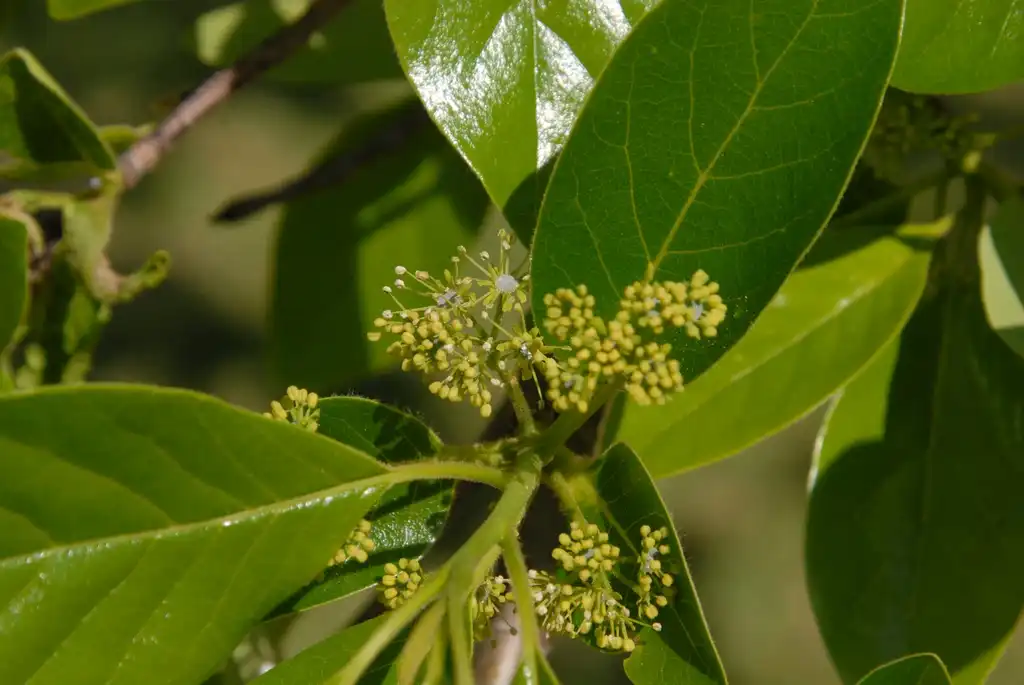
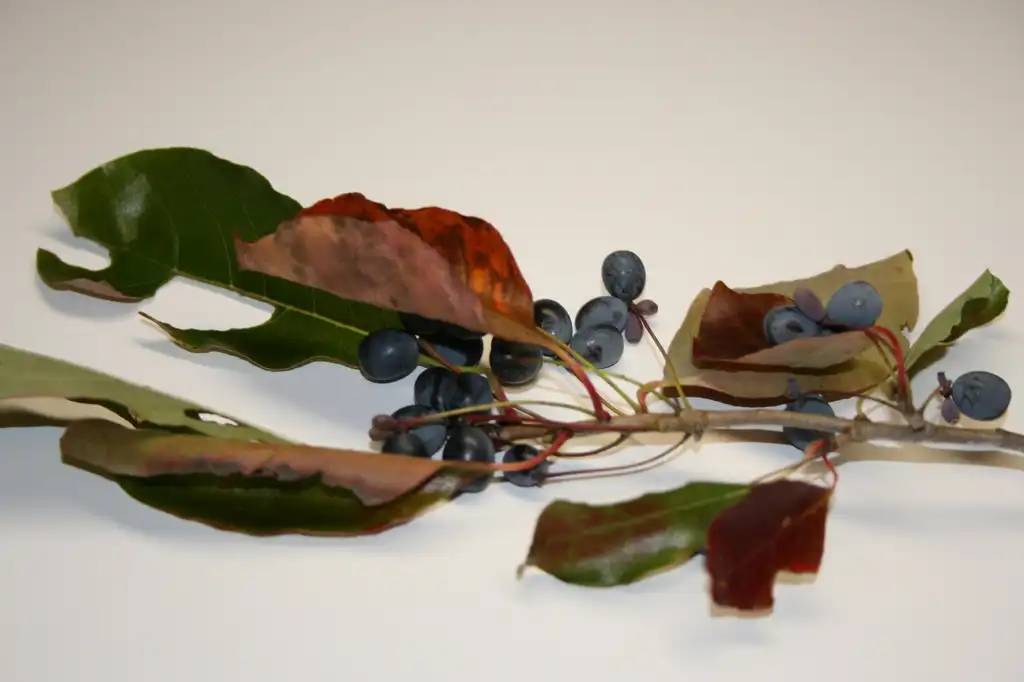
The flowering pattern of the Blackgum is polygamodioecious, meaning some trees predominantly produce male flowers while others are mostly female, with many exhibiting a mix of both. This variation results in some trees being laden with egg-shaped blue-black berries, while others may bear only a few. The tree flourishes in average to moist soils and prefers full sun to partial shade, although it is adaptable enough to tolerate poorly drained soils, standing water, and some drought conditions, particularly in its natural habitat. Female trees require a male pollinator to produce fruit, and the nectar from their flowers is highly attractive to bees, contributing to the esteemed Tupelo honey.
This tree is an excellent addition to any landscape aimed at supporting wildlife. However, it is important to plant it in a permanent location due to its long taproot, which complicates later transplantation. Blackgum is resilient against drought, heat, and varying soil conditions, including both dry and wet environments, and it shows moderate salt tolerance. It can endure wind, ice, and salt spray, making it suitable for coastal areas.
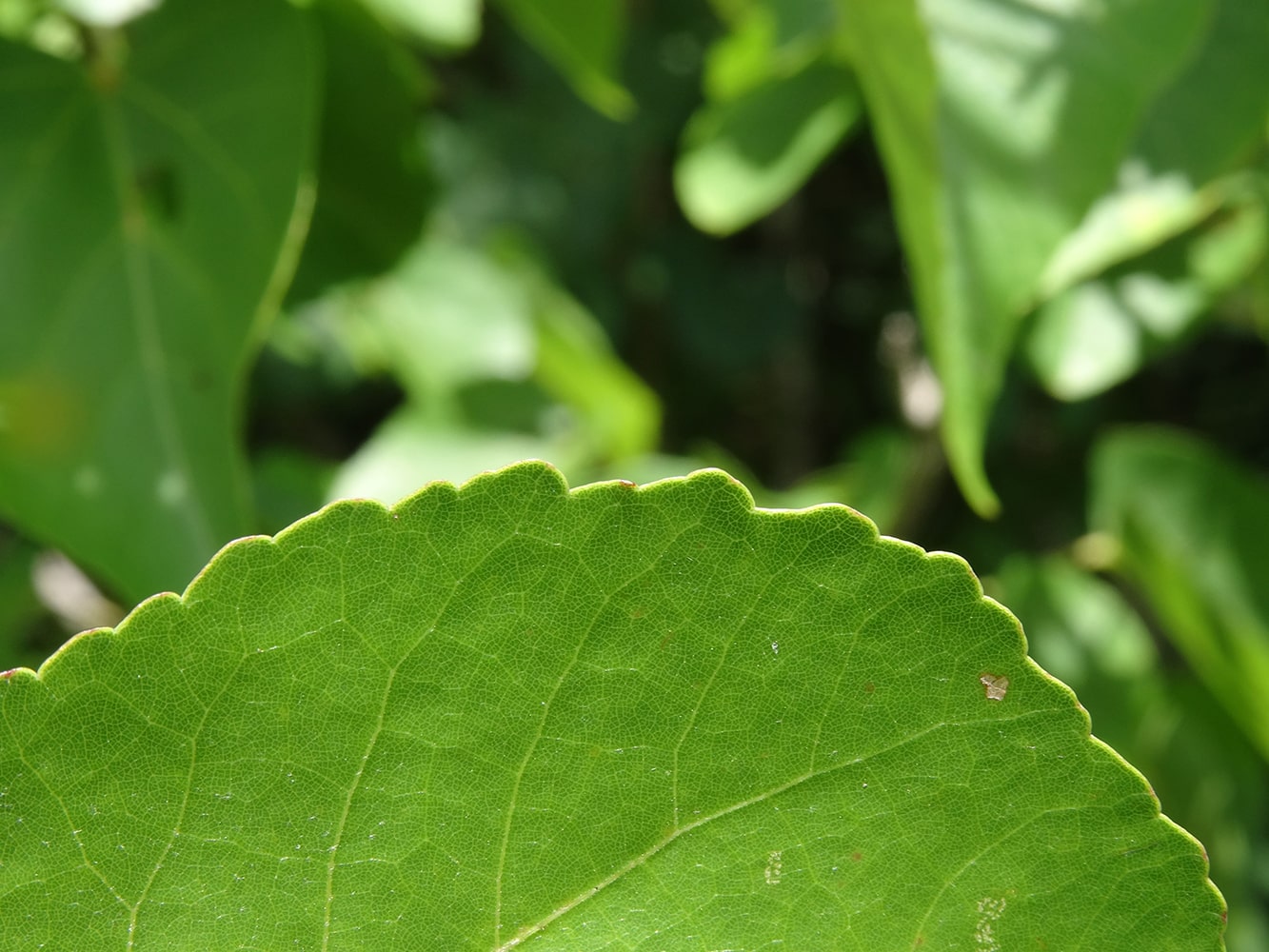
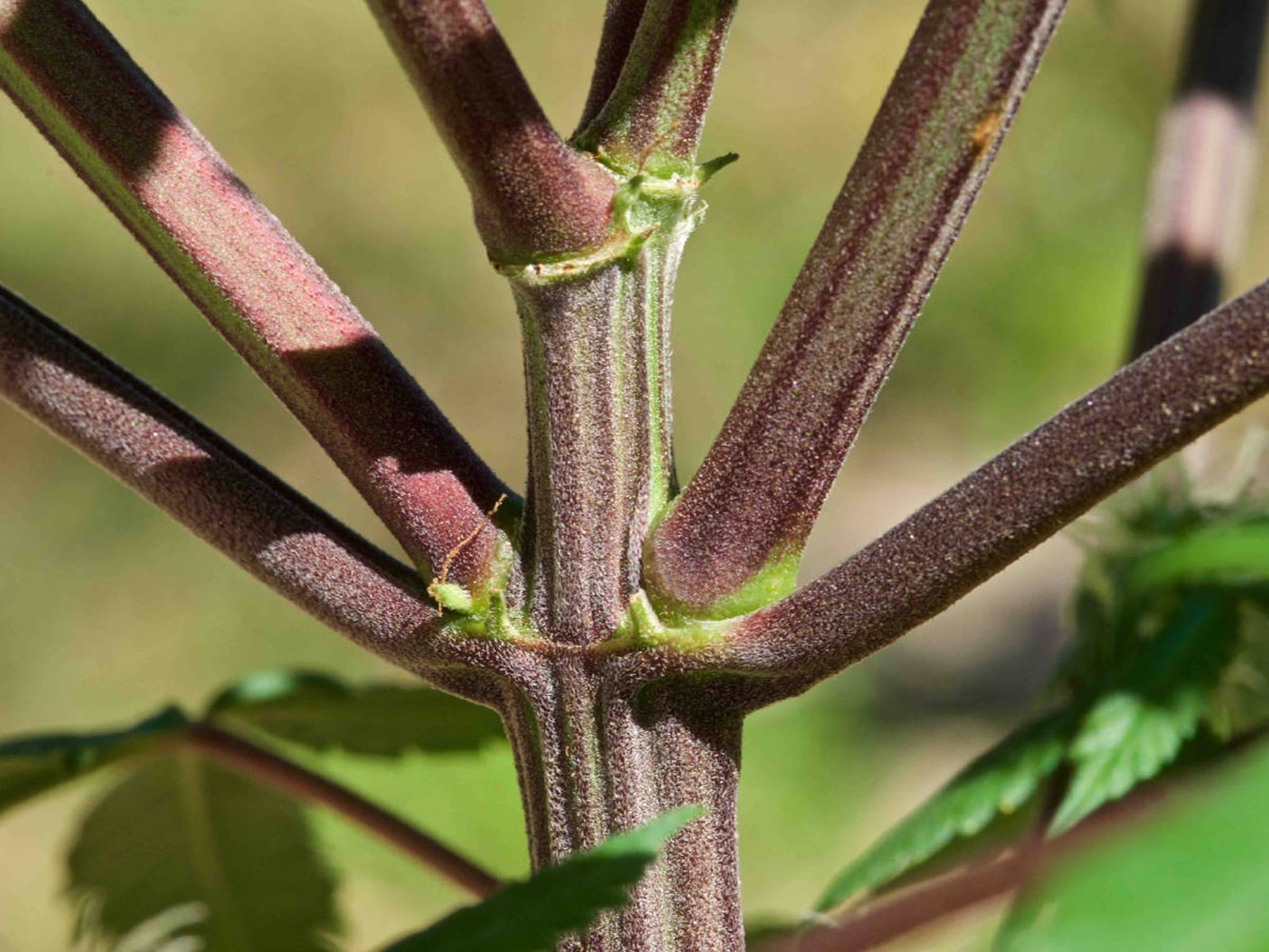
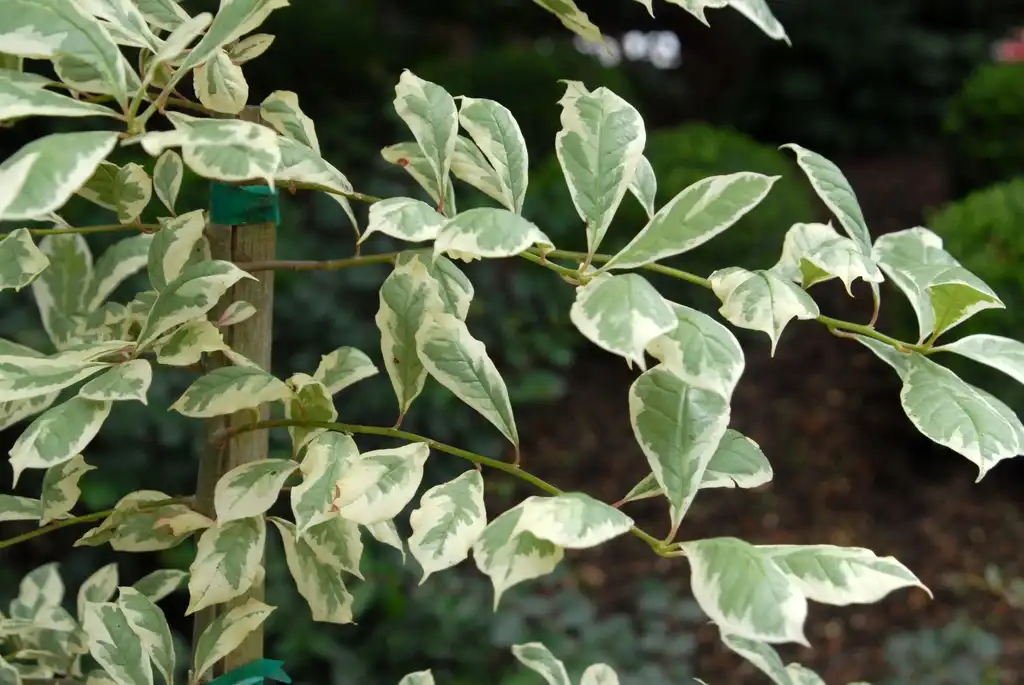
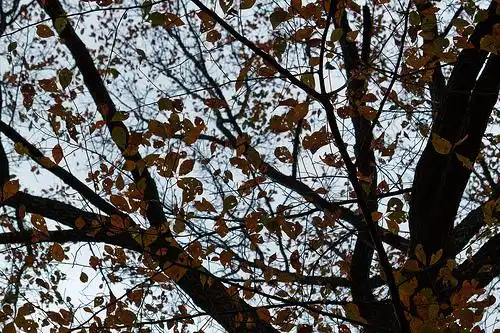
**Key Identifying Features:** The leaves are broadest near the tip, exhibit irregular coarse teeth at the edges, and the branches typically extend at approximately 90 degrees from the main stem.
**Key to Nyssa**
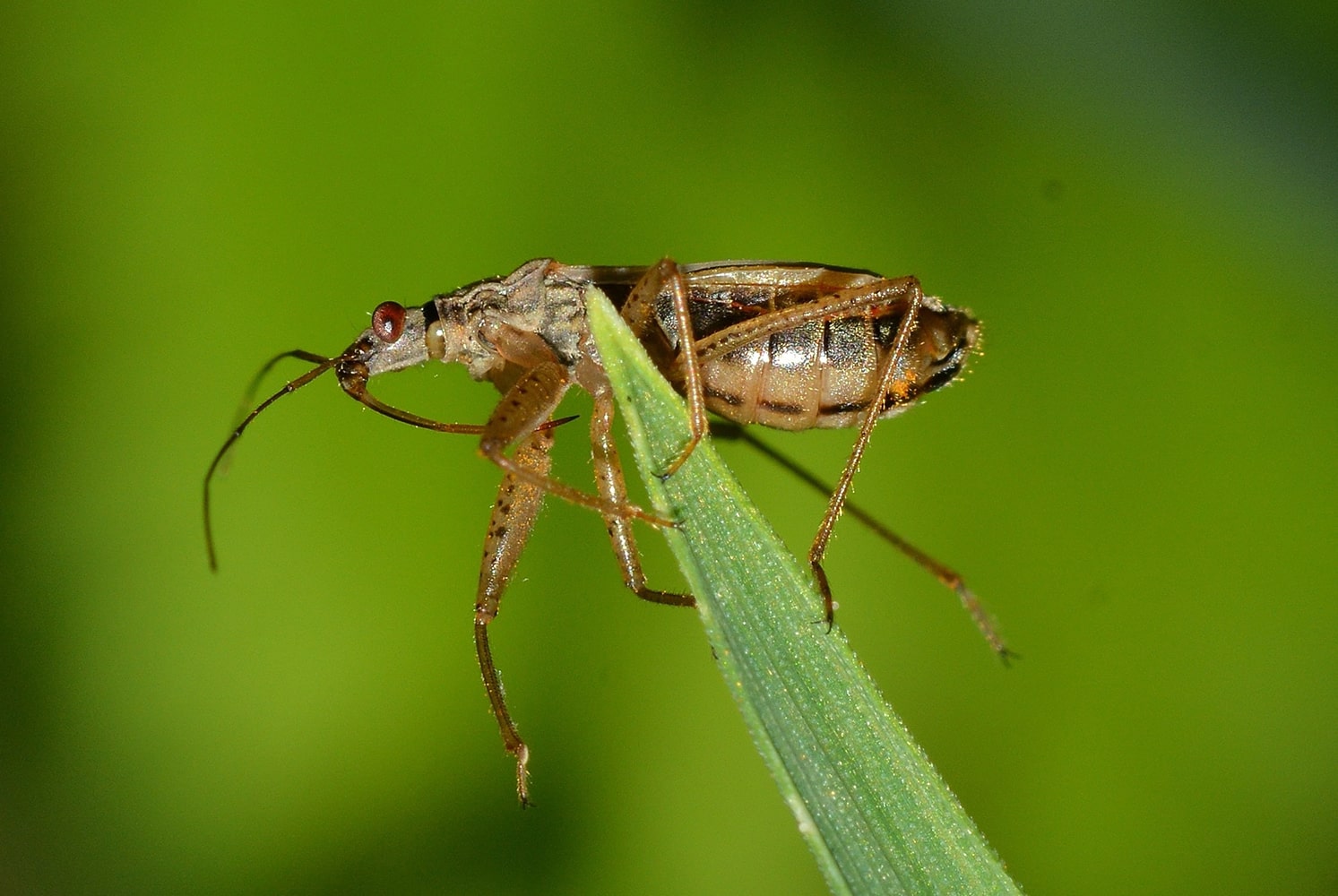
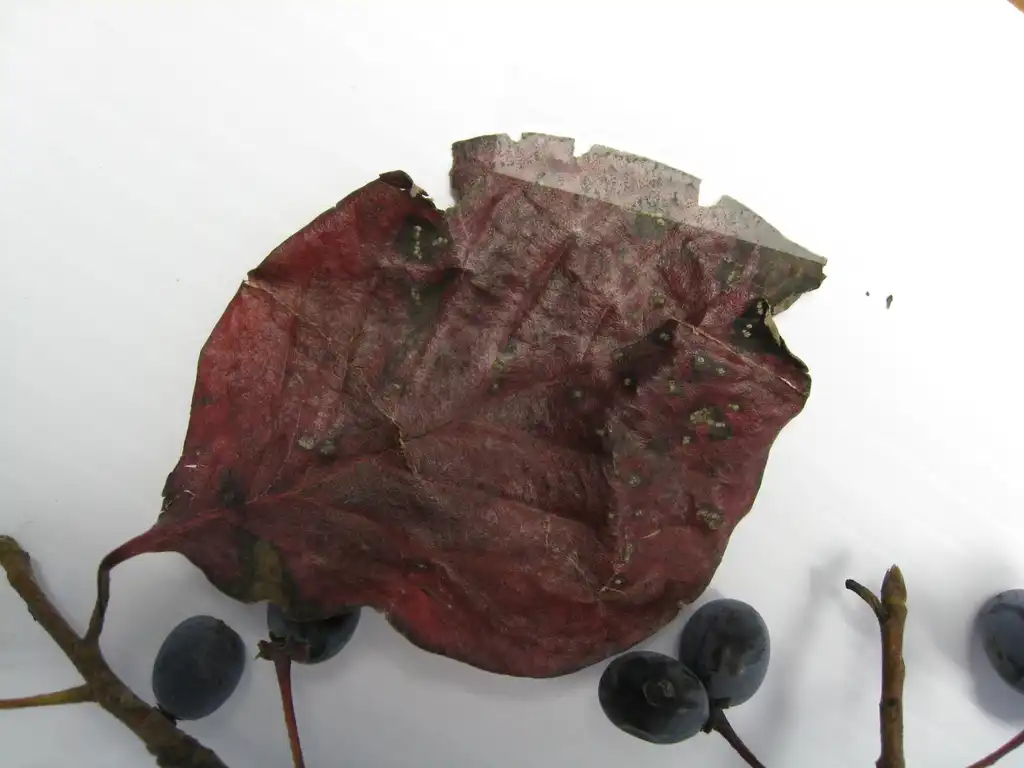
**Insect, Disease, or Other Plant Issues:** There are no significant diseases or pests associated with Blackgum, although it may occasionally be affected by leaf miners and scale insects. It can also be somewhat susceptible to leaf spots, cankers, and rust.
Nyssa sylvatica Feature Summary