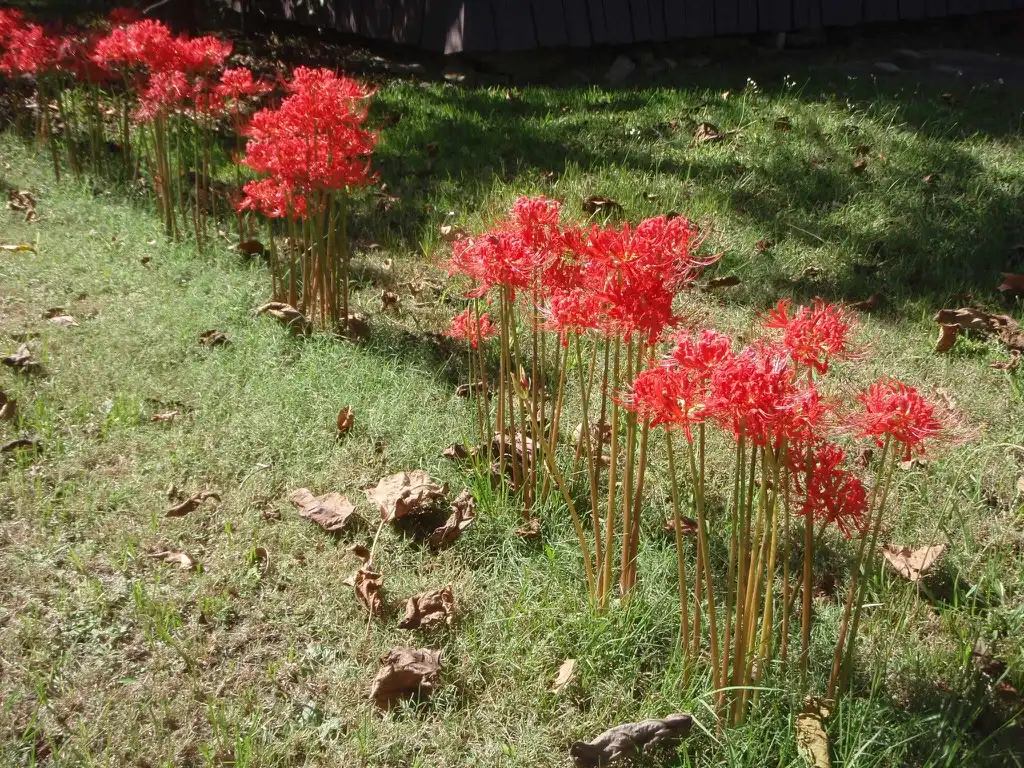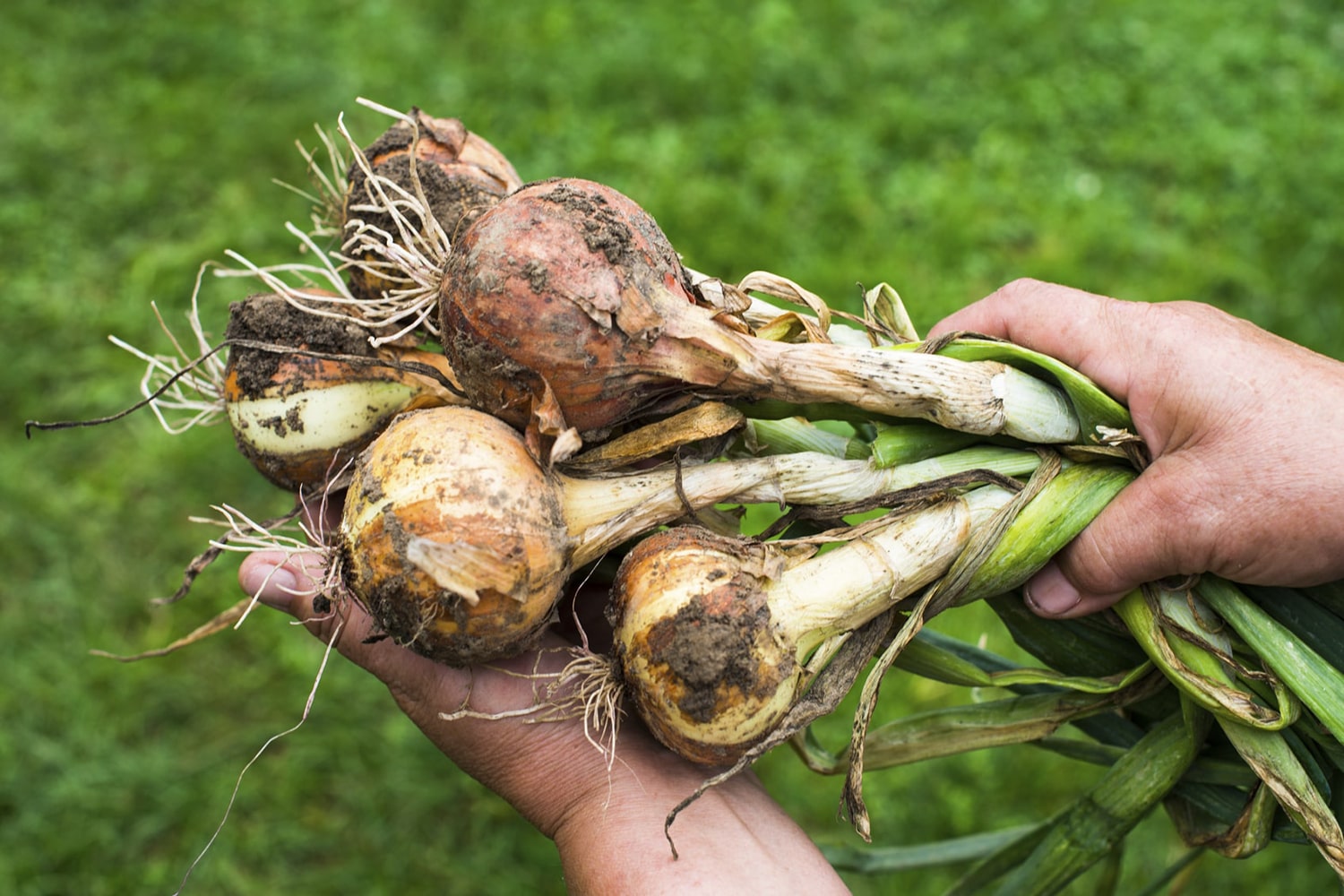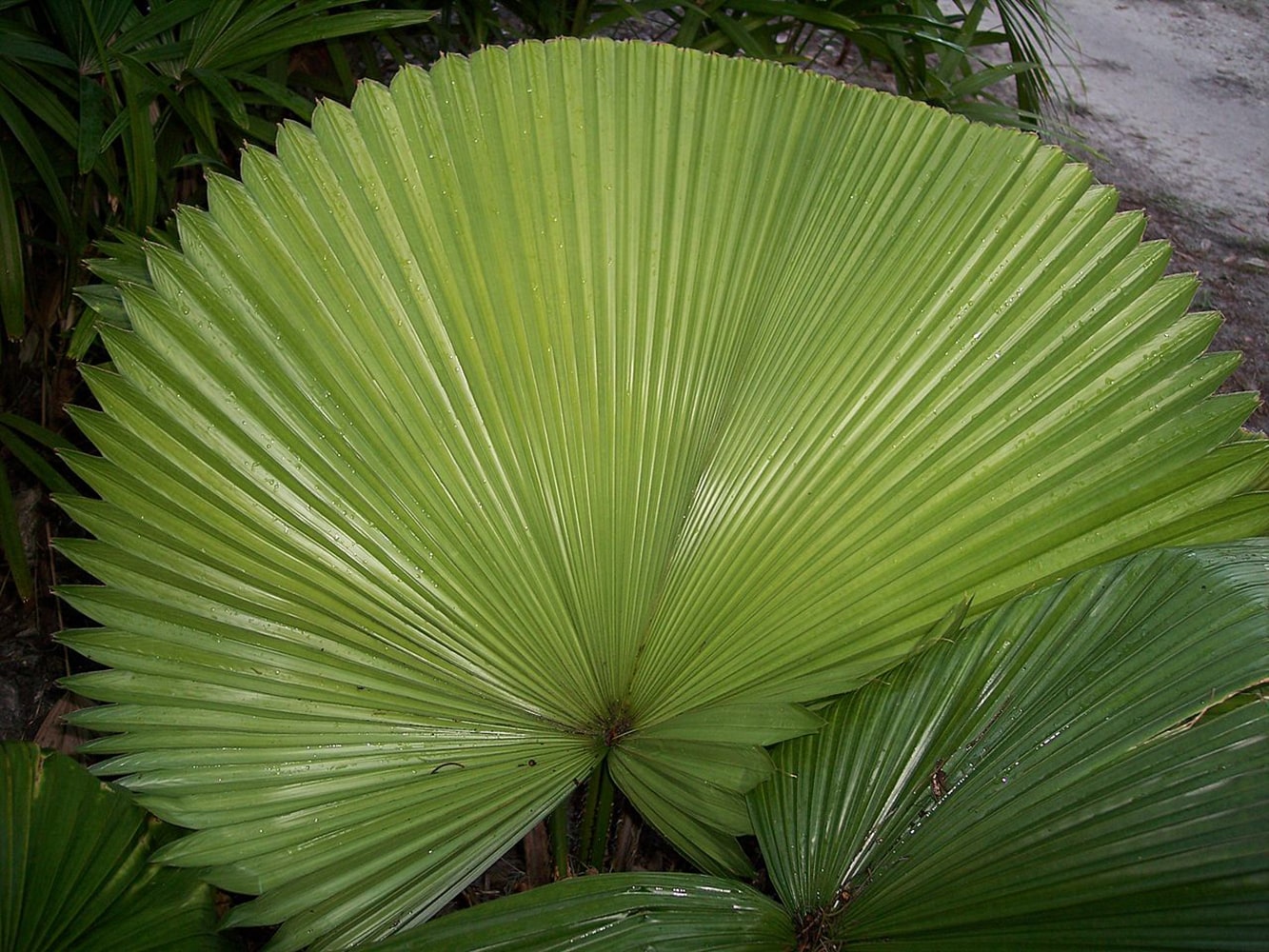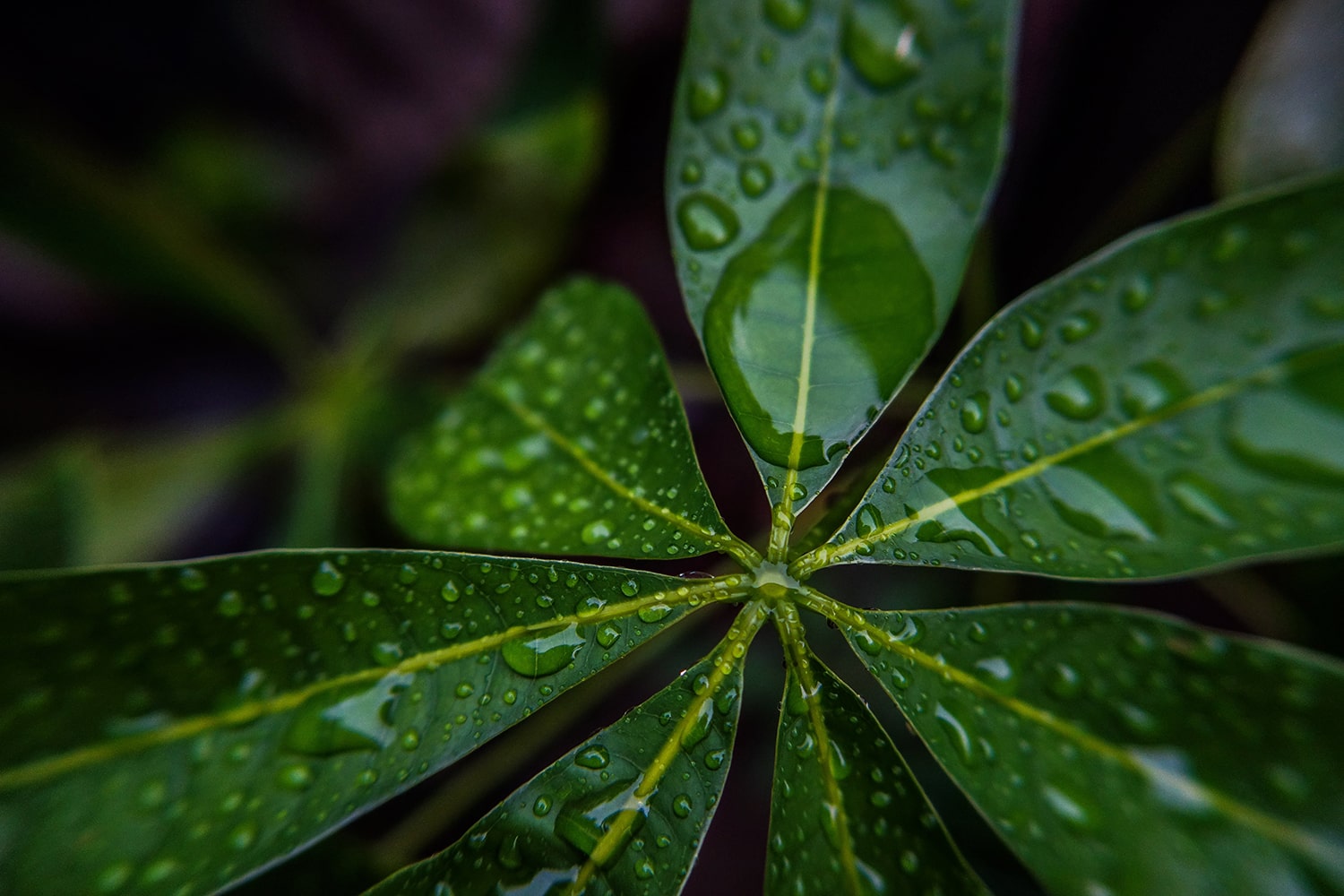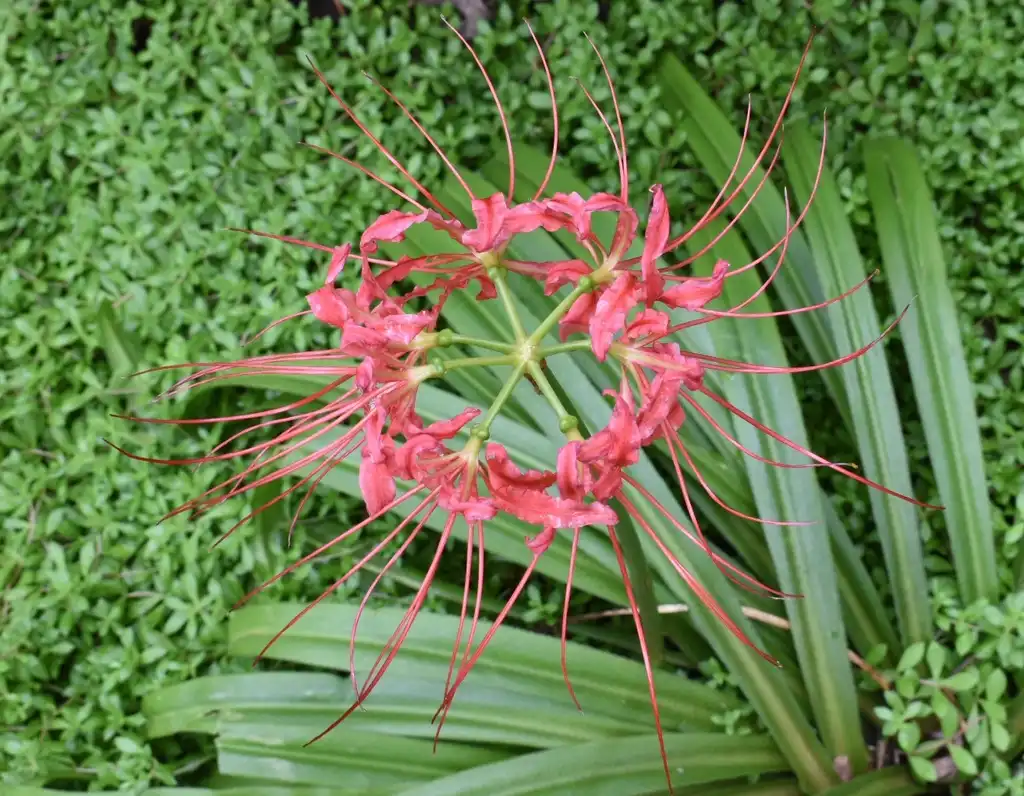
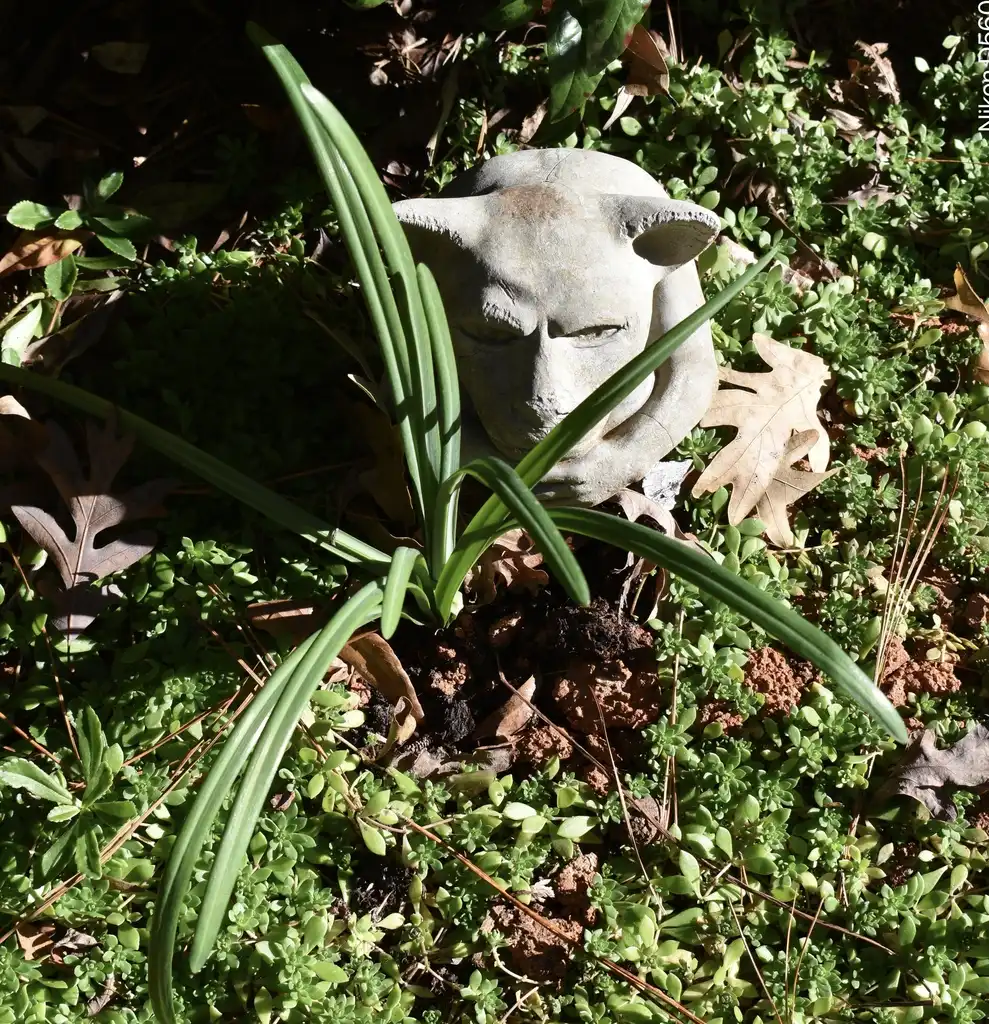
• Photo of Lycoris radiata (Lycoris radiatas)

Plant Profile: Lycoris radiata

Taxonomy: Lycoris radiata

Names

Naked Lily, Red Spider Lily, Spider Lily

  • Photo of Lycoris radiata (Lycoris radiatas)

Phonetic Spelling:LY-kor-iss ray-dee-AY-tuh

Genus:Lycoris

Species:radiata

Family:Amaryllidaceae

Lycoris radiata, commonly known as the red spider lily, is a perennial bulbous plant that thrives in flower gardens and lawns. After it blooms, it produces strap-like leaves that remain green throughout the winter months.

For optimal growth, the bulbs should be planted at a depth of 8 inches and spaced 6 to 12 inches apart in well-drained soil, ideally in full sun to partial shade. These plants exhibit a range of hardiness, with some being semi-hardy and susceptible to damage at temperatures below 28°F (-2°C), while others can withstand colder conditions, only being harmed at temperatures below 5°F (-5°C).

It is important to note that the bulbs are only mildly toxic if ingested.

Lycoris radiata Feature Summary

Lycoris radiata Image Gallery

Tags

#evergreen
#bulb
#showy flowers
#poisonous
#white flowers
#red flowers
#summer bulbs

Similar Plants

Lycoris radiata Feature Summary

Attributes
Flowers
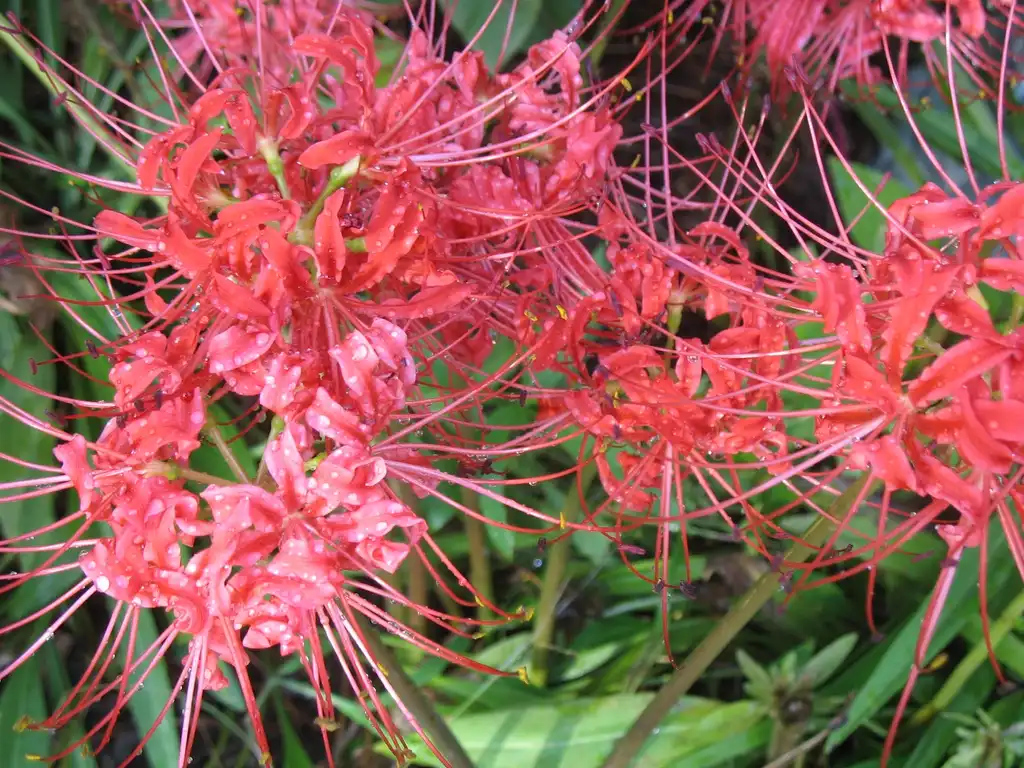
Flowers terminal, 4-6, nodding, on a naked stem, 6-parted, red or white tinged with yellow, funnel-shaped, the lobes strongly reflexed and wavy. Blooms in late summer.
White
Gold/Yellow
Red/Burgundy
Showy
Long-lasting
6 petals/rays
3-6 inches
Leaves
Leaves basal, narrowly strap-like, and fleshy. Remain throughout the winter.
Poisonous to Humans
CAUSES ONLY LOW TOXICITY IF EATEN. Abdominal pain, salivation, shivering, nausea, vomiting, and diarrhea.
Lycorine, an alkaloid
Whole Plant Traits
Perennial
Herbaceous Perennial
Poisonous
Bulb
Cultural Conditions
Full sun (6 or more hours of direct sunlight a day)
Partial Shade (Direct sunlight only part of the day, 2-6 hours)
Good Drainage
Less than 12 inches
Landscape
Poisonous to Humans

Lycoris radiata Attributes

Lycoris radiata: Country Or Region Of Origin

Asia
Lycoris radiata: Bulb Storage

Store bulbs dry at 45-55°F

Lycoris radiata: Life Cycle

Annual
Biennial
Bulb
Perennial
Woody

Lycoris radiata: Recommended Propagation Strategy

Division
Grafting
Layering
Leaf Cutting
Root Cutting
Seed
Stem Cutting

Lycoris radiata Flowers

Lycoris radiata: Flower Description

Flowers terminal, 4-6, nodding, on a naked stem, 6-parted, red or white tinged with yellow, funnel-shaped, the lobes strongly reflexed and wavy. Blooms in late summer.

Lycoris radiata: Flower Color

filter_vintage
Gold/Yellow
filter_vintage
Red/Burgundy
filter_vintage
White

Lycoris radiata: Flower Value To Gardener

Edible
Fragrant
Good Cut
Good Dried
Long Bloom Season
Long-lasting
Showy

Lycoris radiata: Flower Bloom Time

Winter
Spring
Summer
Fall

Lycoris radiata: Flower Petals

2-3 rays/petals
4-5 petals/rays
6 petals/rays
7 - 20 petals/rays
asymmetrical petals
Bracts
Colored Sepals
fused petals
more than 20 petals/rays
Tepals

Lycoris radiata: Flower Shape

Bell
Cross
Crown
Cup
Dome
Funnel
Irregular
Lipped
Radial
Saucer
Star
Trumpet
Tubular
Urn
Wheel

Lycoris radiata: Flower Size

1-3 inches
3-6 inches
< 1 inch
> 6 inches

Lycoris radiata Leaves

Lycoris radiata: Leaf Description

Leaves basal, narrowly strap-like, and fleshy. Remain throughout the winter.

Lycoris radiata: Woody Plant Leaf Characteristics

Broadleaf Evergreen
Deciduous
Needled Evergreen
Semi-evergreen

Lycoris radiata: Leaf Color

spa
Green

Lycoris radiata: Leaf Type

Compound (Pinnately , Bipinnately, Palmately)
Fronds
Needles
Sheath
Simple

Lycoris radiata: Leaf Arrangement

Alternate
Opposite
Other/more complex
Rosulate
Whorled

Lycoris radiata: Leaf Shape

Acicular
Auriculate
Cordate
Cuneate
Deltoid
Elliptical
Filiform
Lanceolate
Linear
Oblanceolate
Oblong
Obovate
Obtuse
Orbicular
Ovate
Palmasect
Palmatifid
Peltate
Pinnatifid
Pinnatisect
Reniform
Rhomboidal
Spatulate
Subcordate
Subulate

Lycoris radiata: Hairs Present

No
Yes

Lycoris radiata: Leaf Feel

Fleshy
Glossy
Leathery
Papery
Prickly
Rough
Rubbery
Slippery
Smooth
Soft
Velvety
Waxy

Lycoris radiata Poisonous to Humans

Lycoris radiata: Poison Symptoms

CAUSES ONLY LOW TOXICITY IF EATEN. Abdominal pain, salivation, shivering, nausea, vomiting, and diarrhea.

Lycoris radiata: Poison Toxic Principle

Lycorine, an alkaloid

Lycoris radiata: Poison Severity

High
Low
Medium

Lycoris radiata: Causes Contact Dermatitis

No
Yes

Lycoris radiata: Poison Part

Bark
Flowers
Fruits
Leaves
Roots
Sap/Juice
Seeds
Stems

Lycoris radiata Whole Plant Traits

Lycoris radiata: Plant Type

Annual
Bulb
Carnivorous
Edible
Epiphyte
Fern
Ground Cover
Herb
Herbaceous Perennial
Houseplant
Mushroom
Native Plant
Ornamental Grasses and Sedges
Perennial
Poisonous
Rose
Shrub
Succulent
Tree
Turfgrass
Vegetable
Vine
Water Plant
Weed
Wildflower

Lycoris radiata: Woody Plant Leaf Characteristics

Broadleaf Evergreen
Deciduous
Needled Evergreen
Semi-evergreen

Lycoris radiata Cultural Conditions

Lycoris radiata: Light

Dappled Sunlight (Shade through upper canopy all day)
Deep shade (Less than 2 hours to no direct sunlight)
Full sun (6 or more hours of direct sunlight a day)
Partial Shade (Direct sunlight only part of the day, 2-6 hours)

Lycoris radiata: Soil Drainage

Frequent Standing Water
Good Drainage
Moist
Occasional Flooding
Occasionally Dry
Occasionally Wet
Very Dry

Lycoris radiata: Available Space To Plant

12 inches-3 feet
12-24 feet
24-60 feet
3 feet-6 feet
6-feet-12 feet
Less than 12 inches
more than 60 feet

Lycoris radiata Stem

Lycoris radiata: Stem Color

grass
Green

Lycoris radiata: Stem Is Aromatic

No
Yes

Lycoris radiata Landscape

Lycoris radiata: Design Feature

Accent
Barrier
Border
Flowering Tree
Foundation Planting
Hedge
Mass Planting
Screen/Privacy
Security
Shade Tree
Small groups
Small Tree
Specimen
Street Tree
Understory Tree

Lycoris radiata: Landscape Location

Coastal
Container
Hanging Baskets
Houseplants
Lawn
Meadow
Naturalized Area
Near Septic
Patio
Pond
Pool/Hardscape
Recreational Play Area
Riparian
Rock Wall
Slope/Bank
Small Space
Vertical Spaces
Walkways
Woodland

Lycoris radiata: Problems

Allelopathic
Contact Dermatitis
Frequent Disease Problems
Frequent Insect Problems
Invasive Species
Malodorous
Messy
Poisonous to Humans
Problem for Cats
Problem for Children
Problem for Dogs
Problem for Horses
Short-lived
Spines/Thorns
Weak Wood
Weedy