Maclura pomifera: Uses (Ethnobotany)
Native Americans used the tree to make bows
Phonetic Spelling:muh-KLOO-ruh pom-EE-fer-uh
Genus:Maclura
Species:pomifera
Family:Moraceae
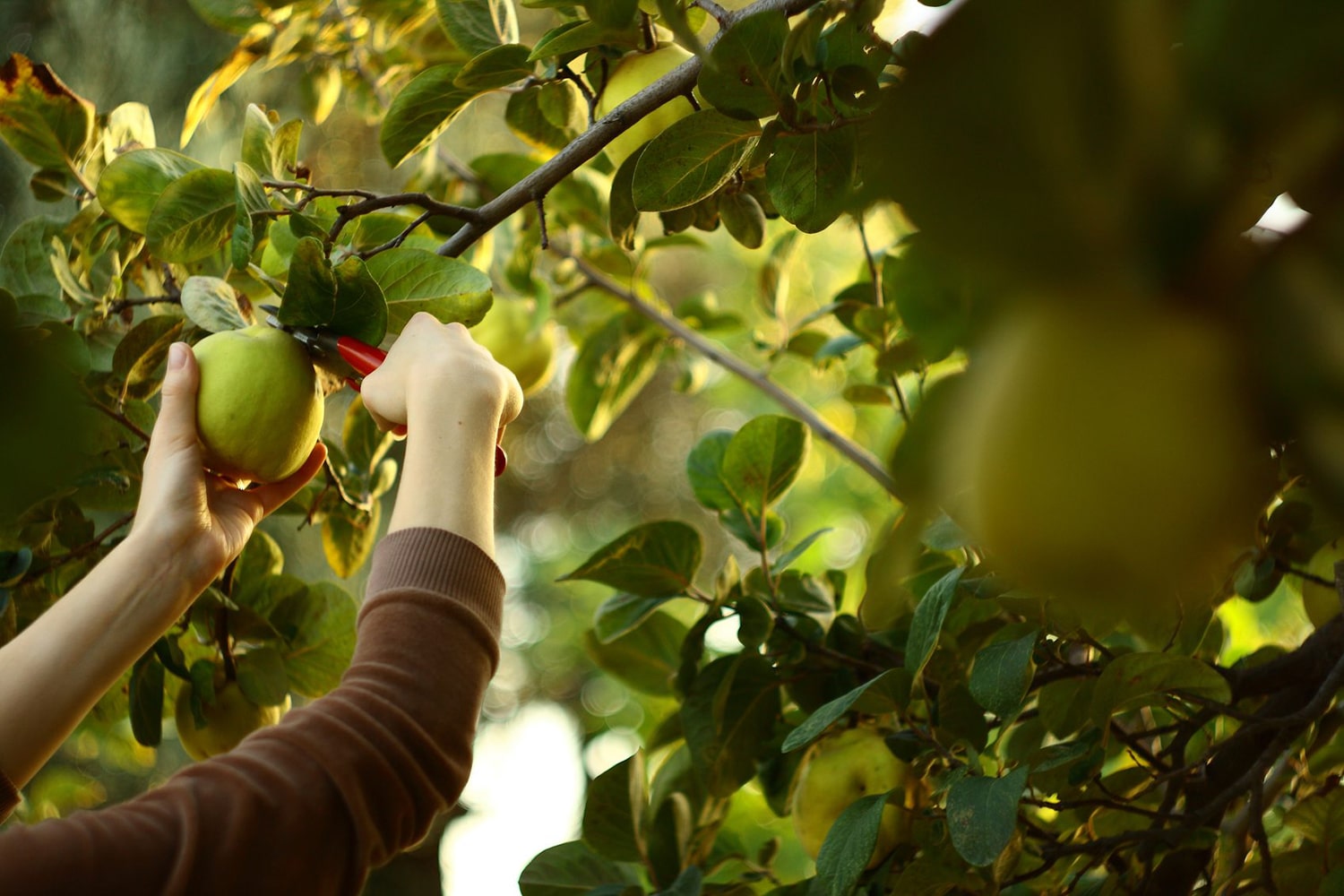
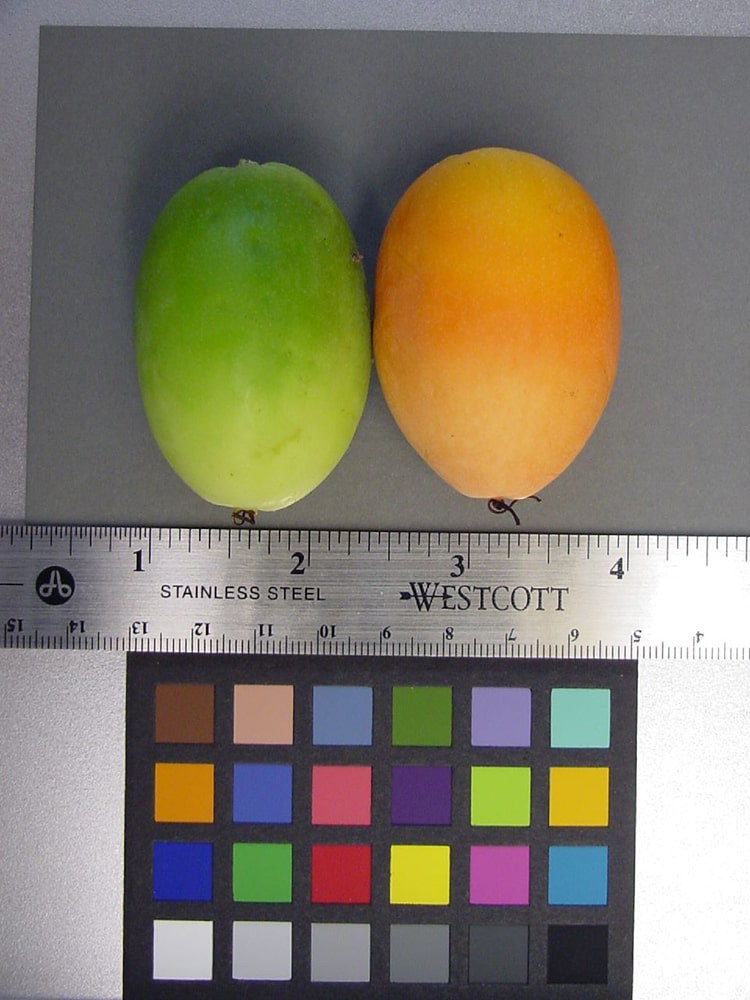
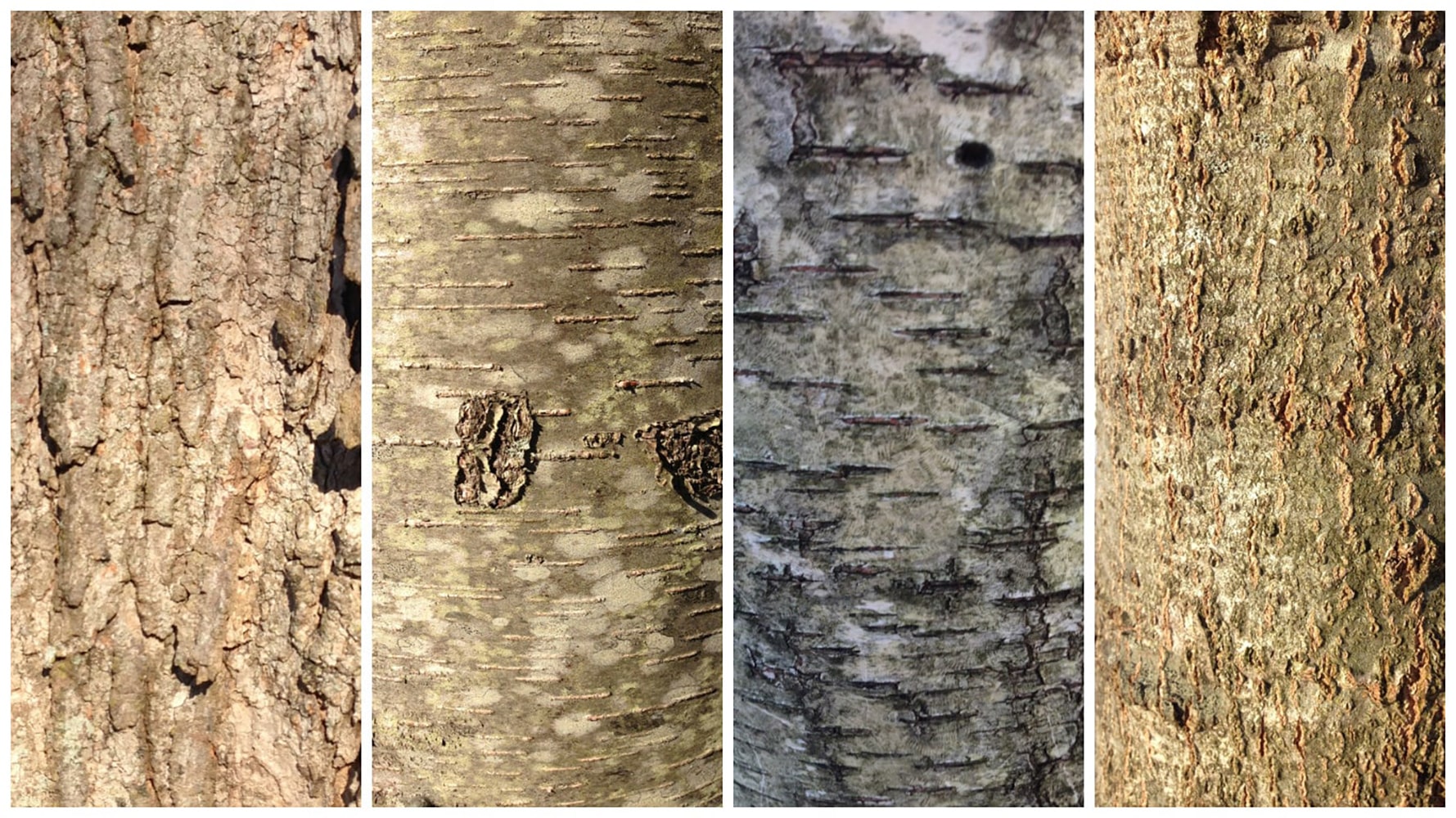
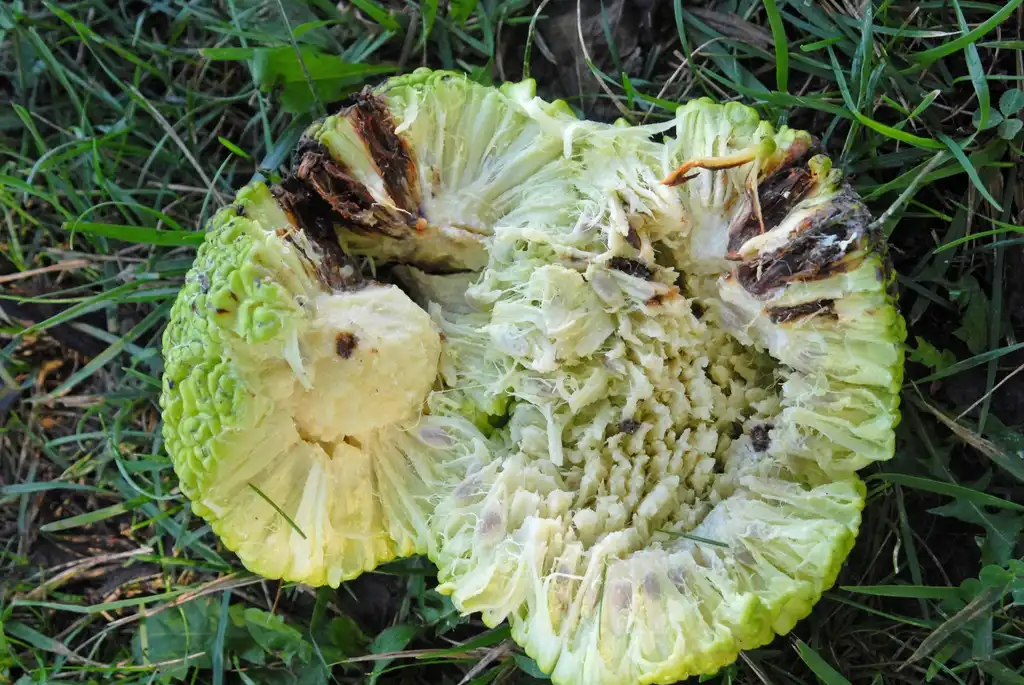
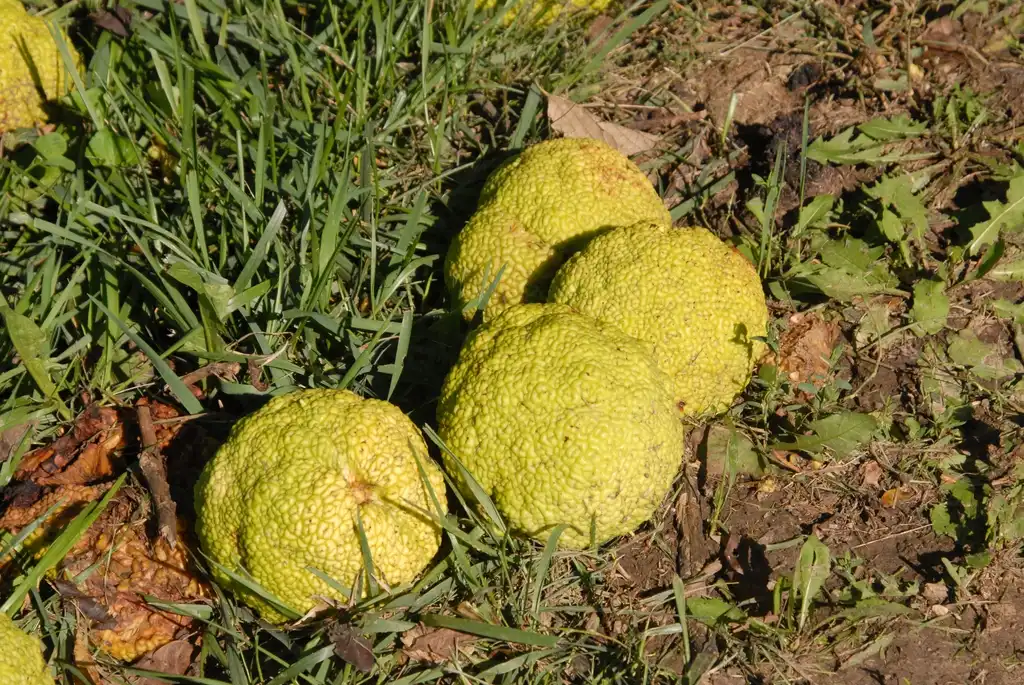
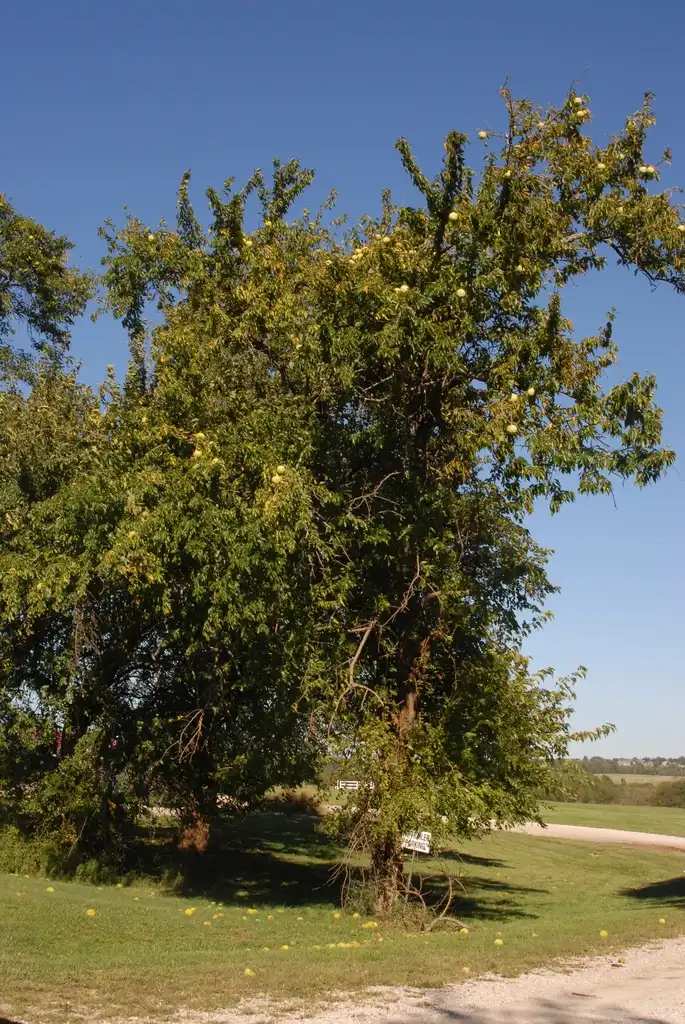
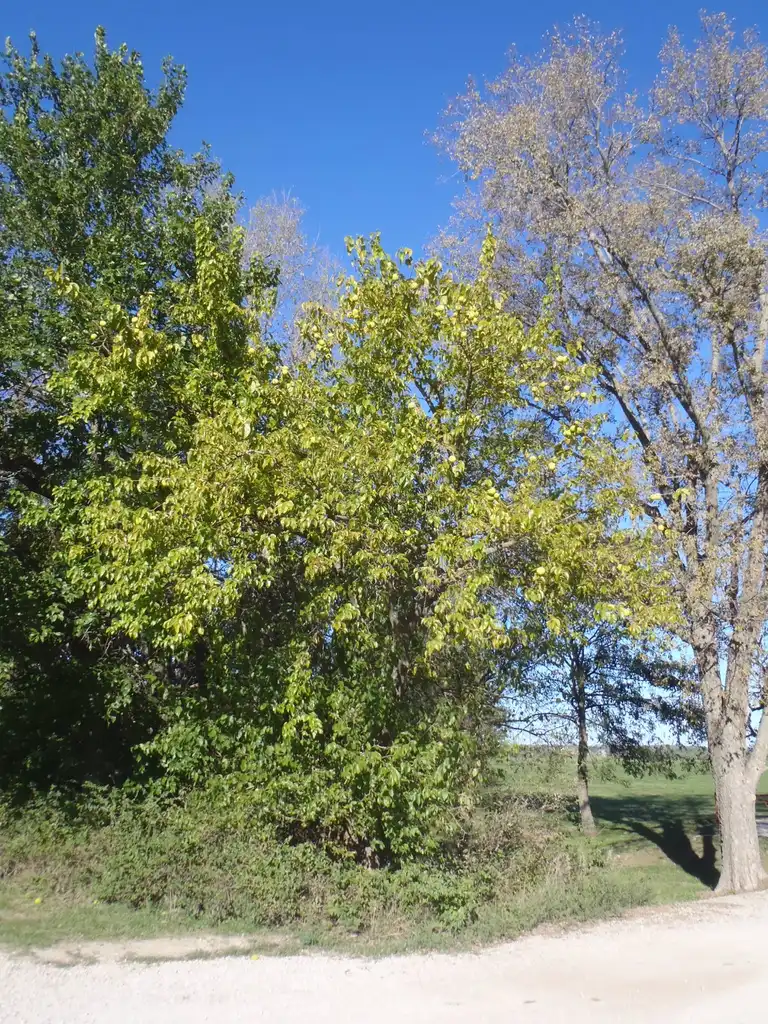
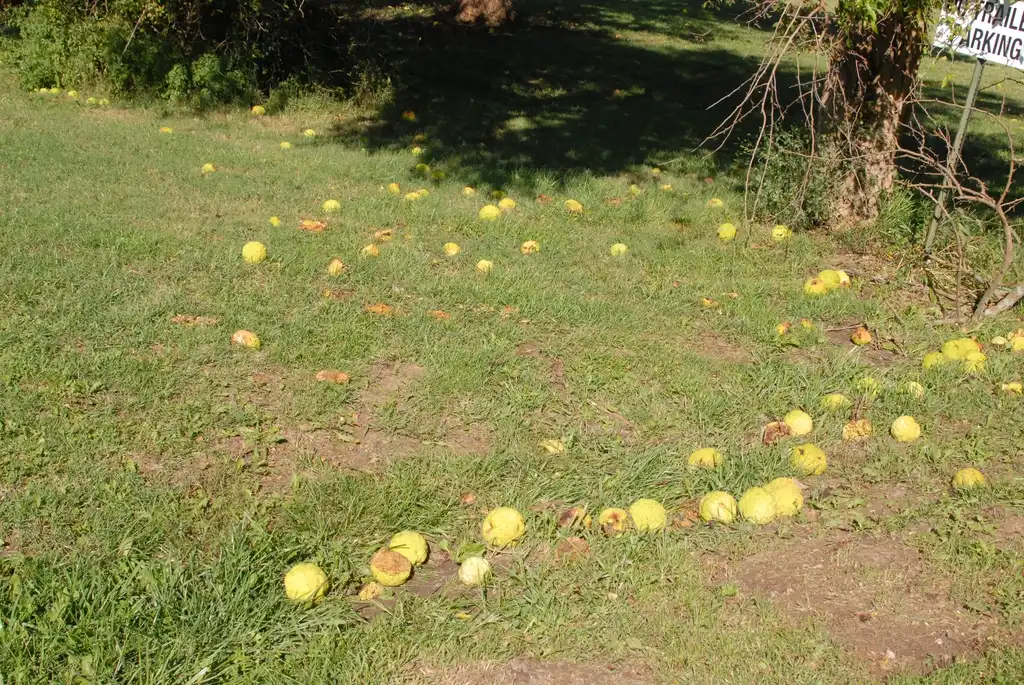
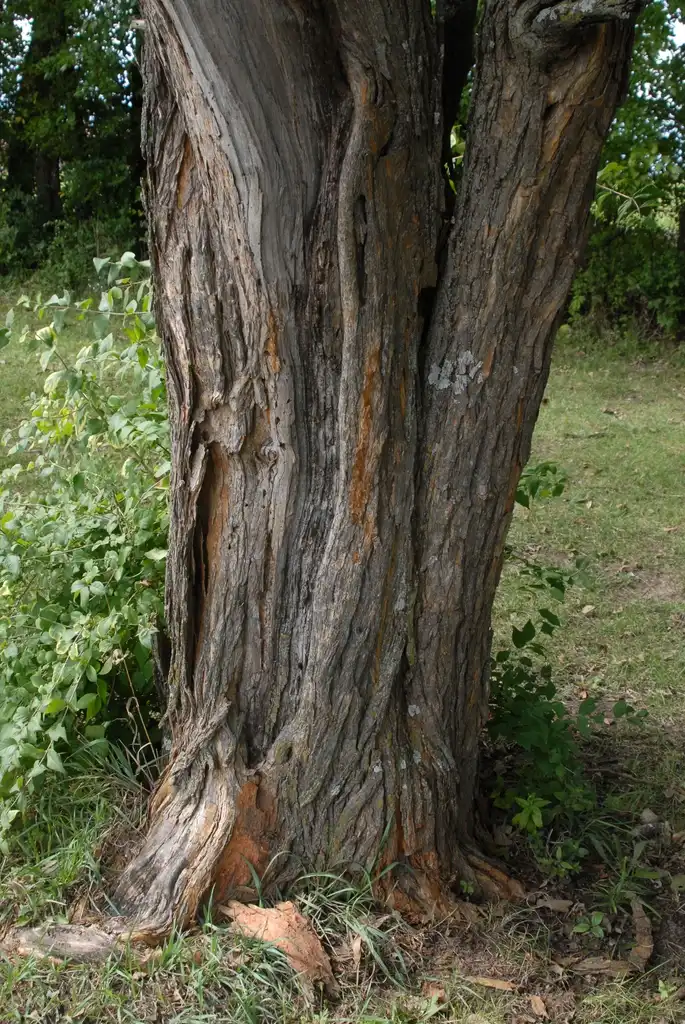
This tree is generally not advisable for planting, except as a novelty or in less-than-ideal, barren locations. It is widely recognized for its sizable green fruits, which are approximately the size of a baseball and typically ripen between September and October. In optimal conditions, the Osage orange can grow up to 70 feet tall, thriving in full sunlight with cooler temperatures and receiving 40 to 45 inches of rainfall. It is adaptable to various soil types, whether poor, wet, or dry, and exhibits resilience against wind and heat. The tree features a short trunk topped with a low, irregular crown and stiff, spiny branches. Its bark has an orange hue, and the fruits bear a resemblance to oranges, which is reflected in its common name. The Osage orange has become naturalized in numerous regions across the eastern United States. Due to its formidable spines, it serves as an effective security plant and was historically used as a hedgerow to mark property boundaries before the advent of barbed wire. Additionally, the plant produces large, robust thorns along its stems and branches.
In terms of pests, diseases, and other issues, the Osage orange faces no significant threats. However, the flowers and fruits of male trees can create a mess and emit unpleasant odors if not promptly cleaned. Female trees also possess spines.
Maclura pomifera Feature Summary
Maclura pomifera Image Gallery