Magnolia macrophylla: Country Or Region Of Origin
Caribbean, Mexico, southeastern United States, NC
Phonetic Spelling:mag-NO-lee-ah mak-roh-FYE-lah
Genus:Magnolia
Species:macrophylla
Family:Magnoliaceae
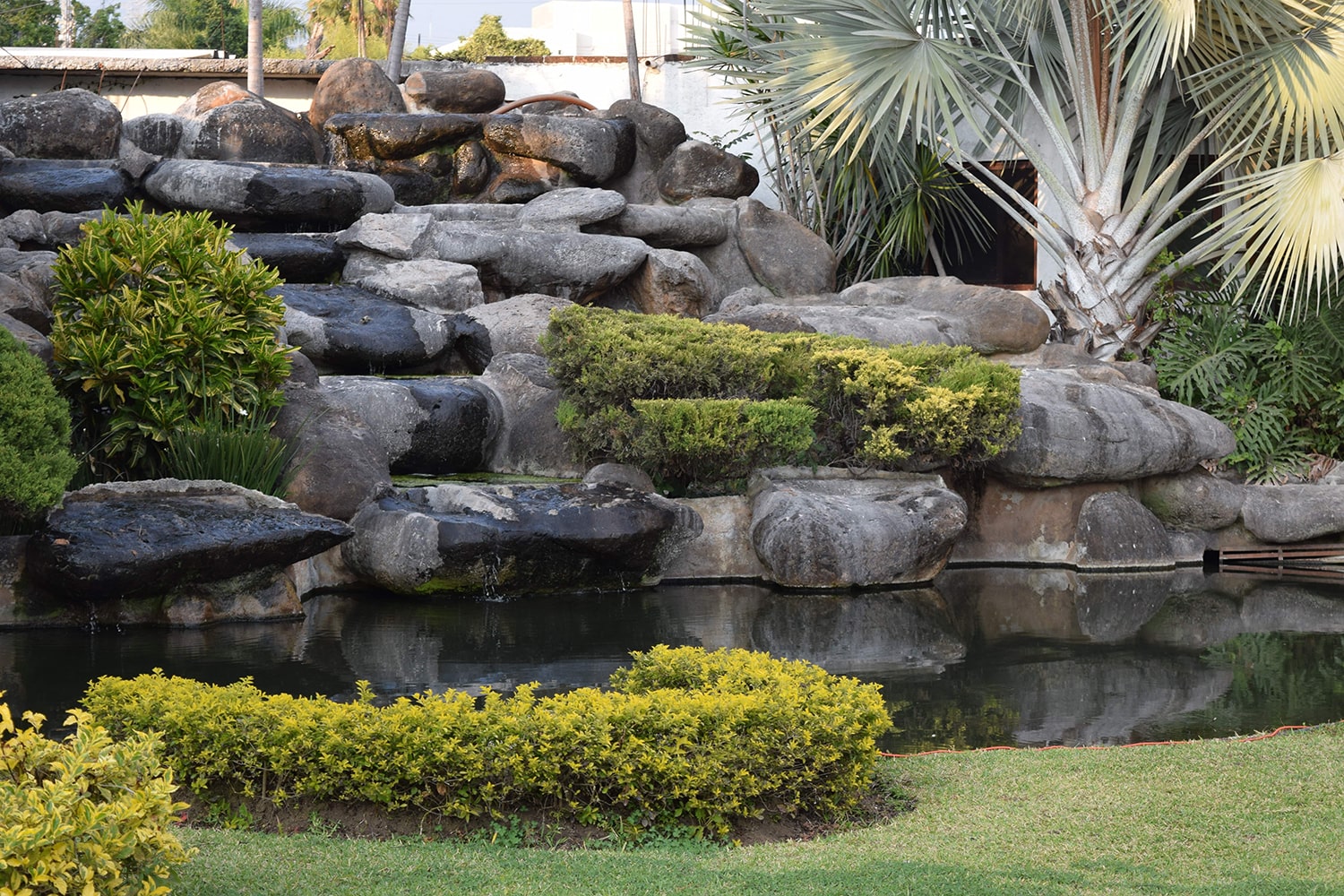
This native species can be challenging to incorporate into landscaping due to its large leaves. It thrives in moist, organically rich, well-drained loamy soils and prefers full sun to partial shade. The plant generally struggles with extreme soil conditions, whether overly dry or excessively wet, and is sensitive to most urban pollutants. It is best positioned in areas shielded from strong winds, which can damage its sizable leaves. Notably, it may take over a decade for the first flowers to bloom, making it an uncommon choice for landscaping due to its substantial foliage.
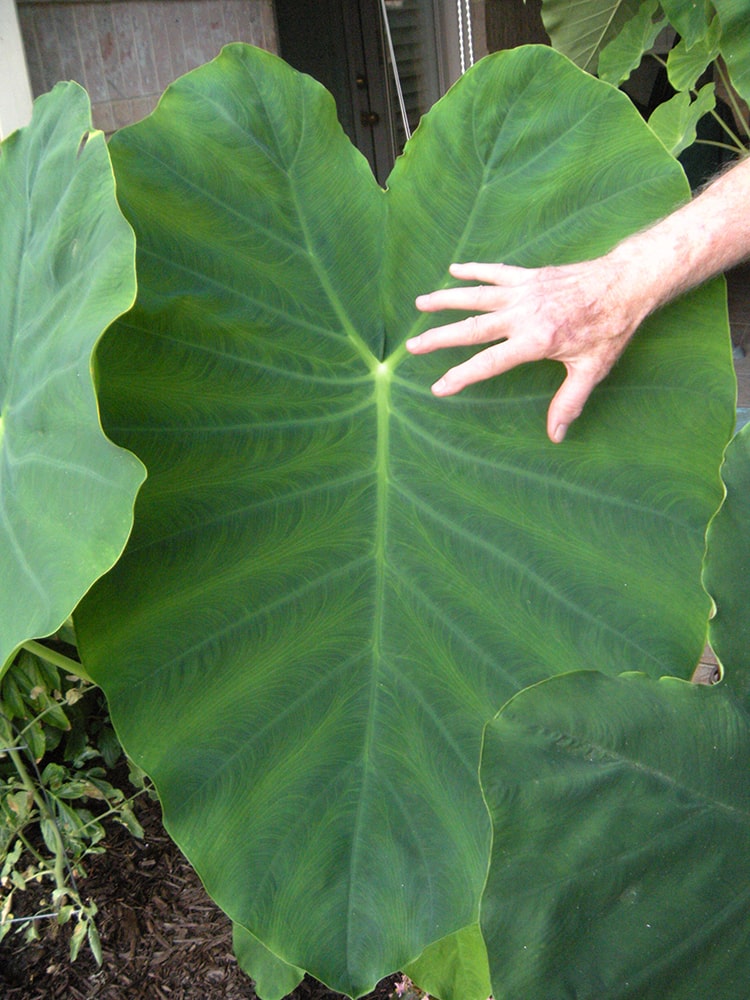
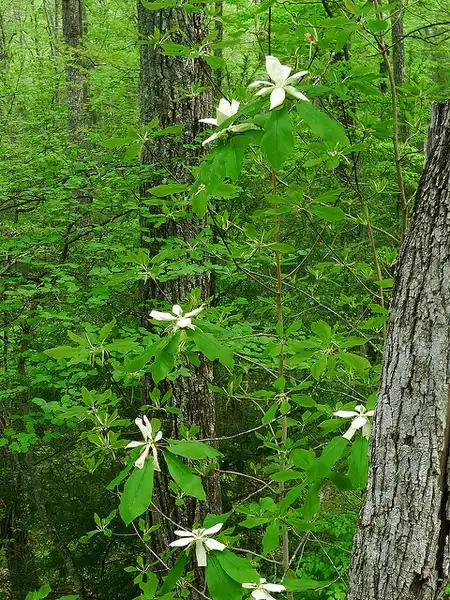
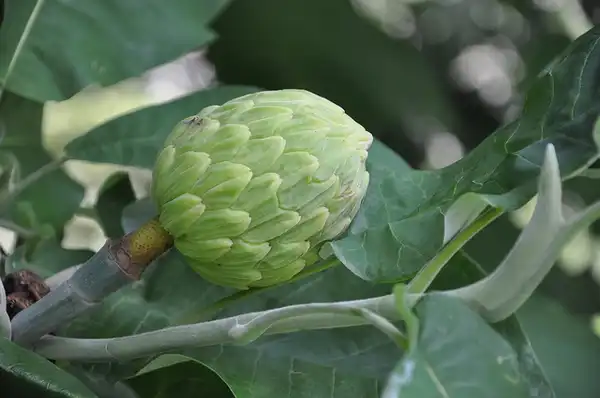
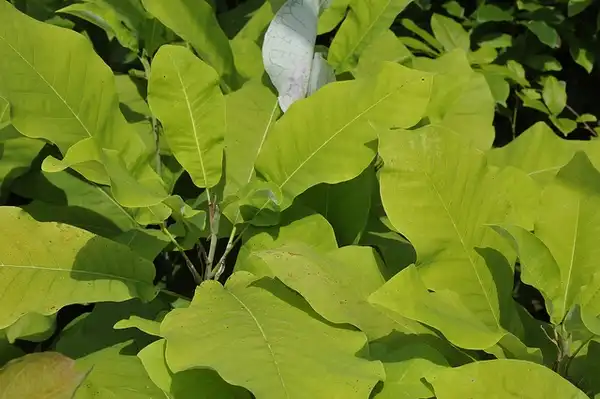
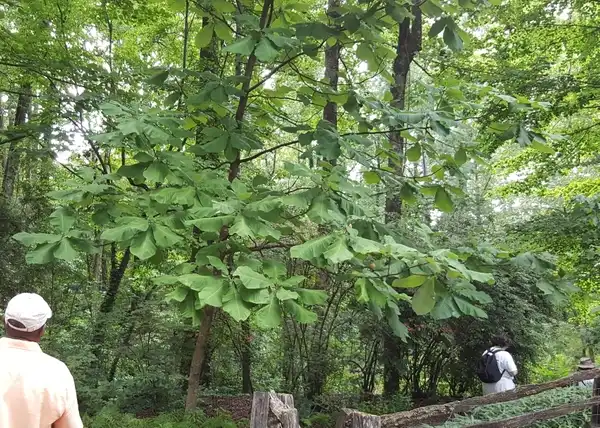
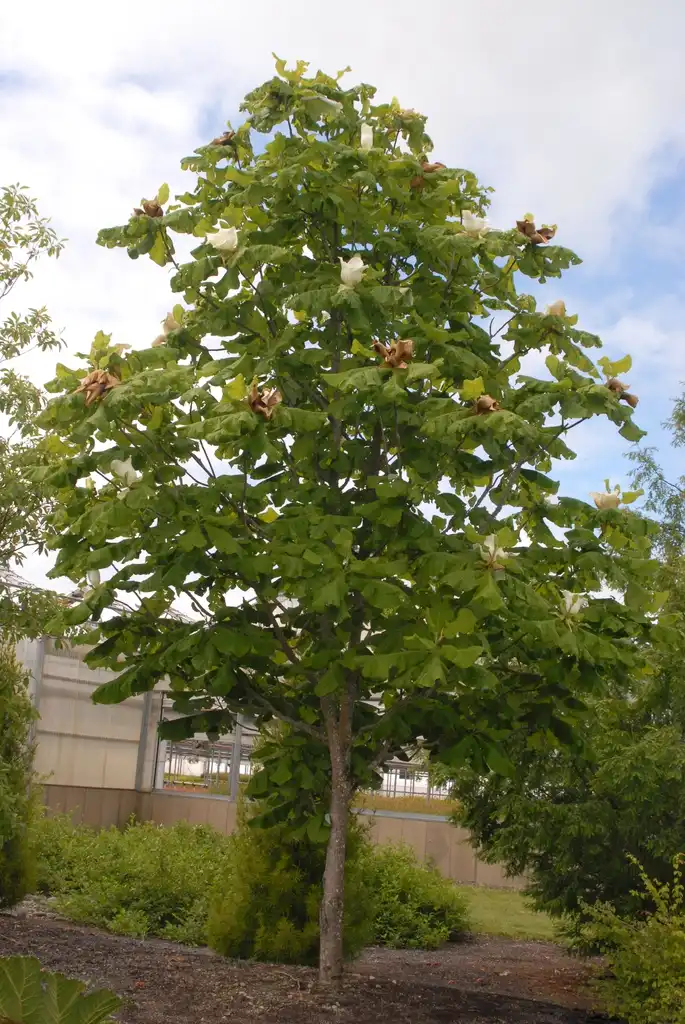
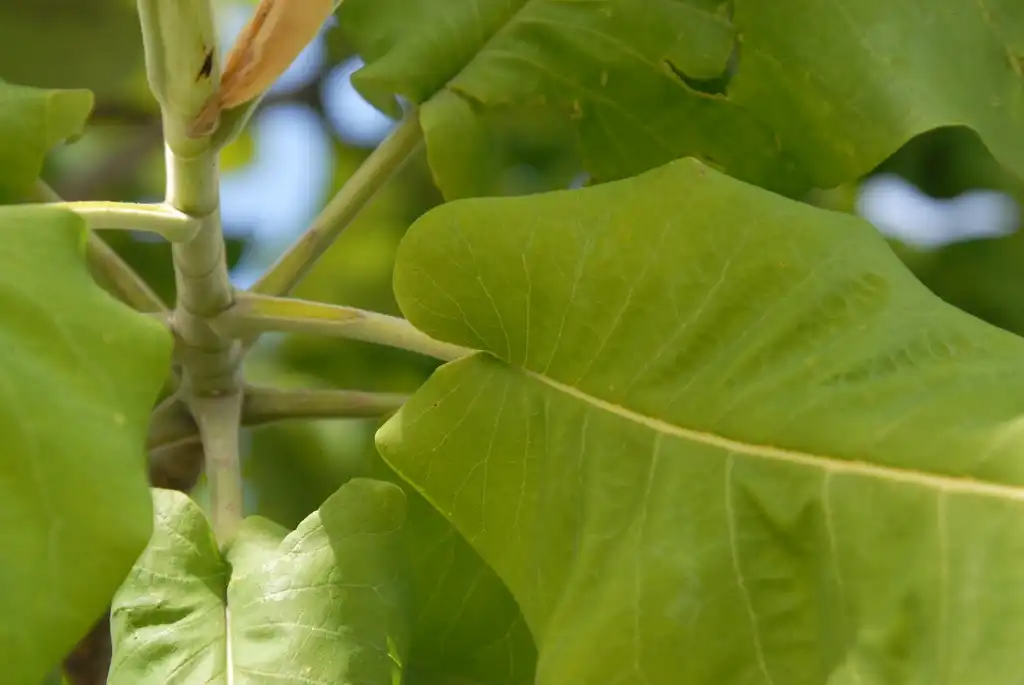
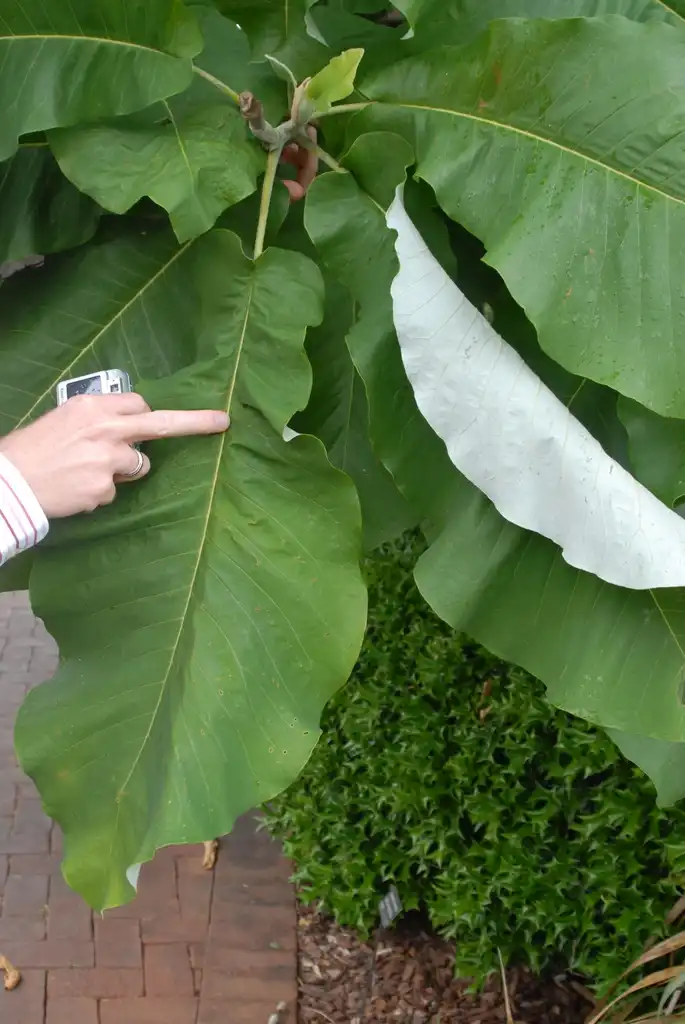
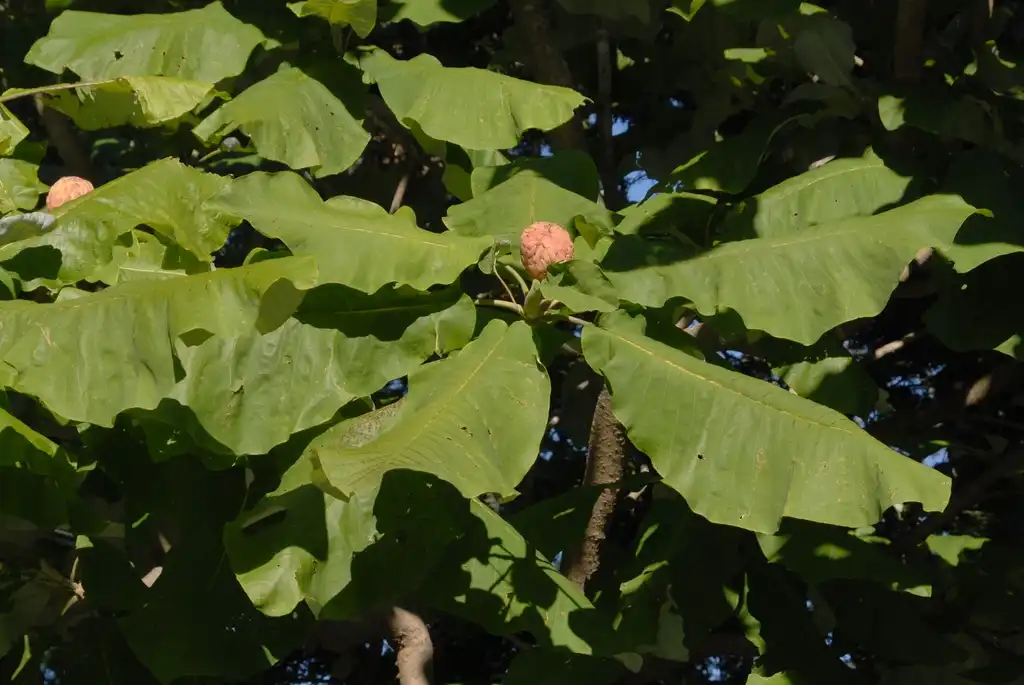
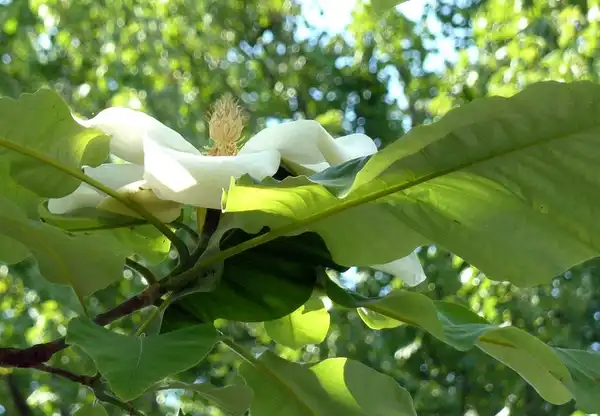
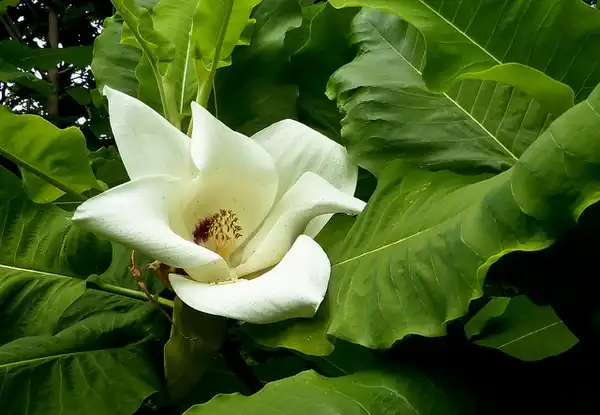
Known as bigleaf magnolia (Magnolia macrophylla), this tree is distinguished by its enormous oblong-obovate leaves, which can reach lengths of up to 30 inches, making them the largest simple leaves of any tree native to North America. The leaves are green on the upper side and silvery-gray underneath. This unique tree is seldom found in its natural habitat, primarily confined to a few lush wooded regions in river valleys and ravines across the southeastern United States. It typically grows to a height of 30 to 40 feet, developing a pyramidal shape that matures into a broad, rounded crown. The tree produces striking, fragrant white flowers with rose-purple bases on the petals. Although the flowers are sizable, they are often positioned high above the ground, making them difficult to observe up close. Following the flowering period, the tree bears spherical, cone-like fruits that turn red by late summer, releasing individual seeds coated in red and suspended on slender threads when fully mature.
Magnolia macrophylla Feature Summary
Magnolia macrophylla Image Gallery