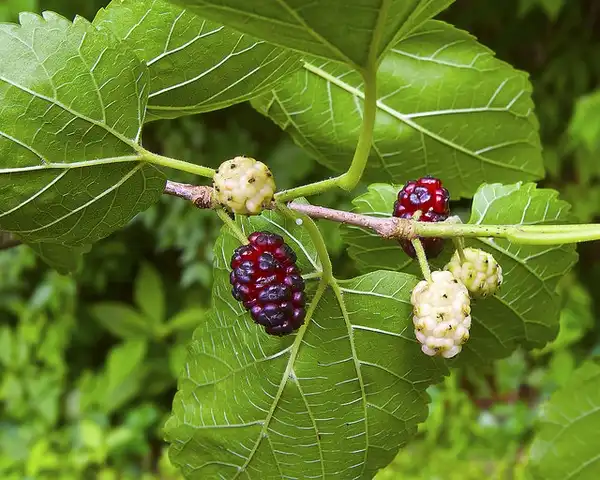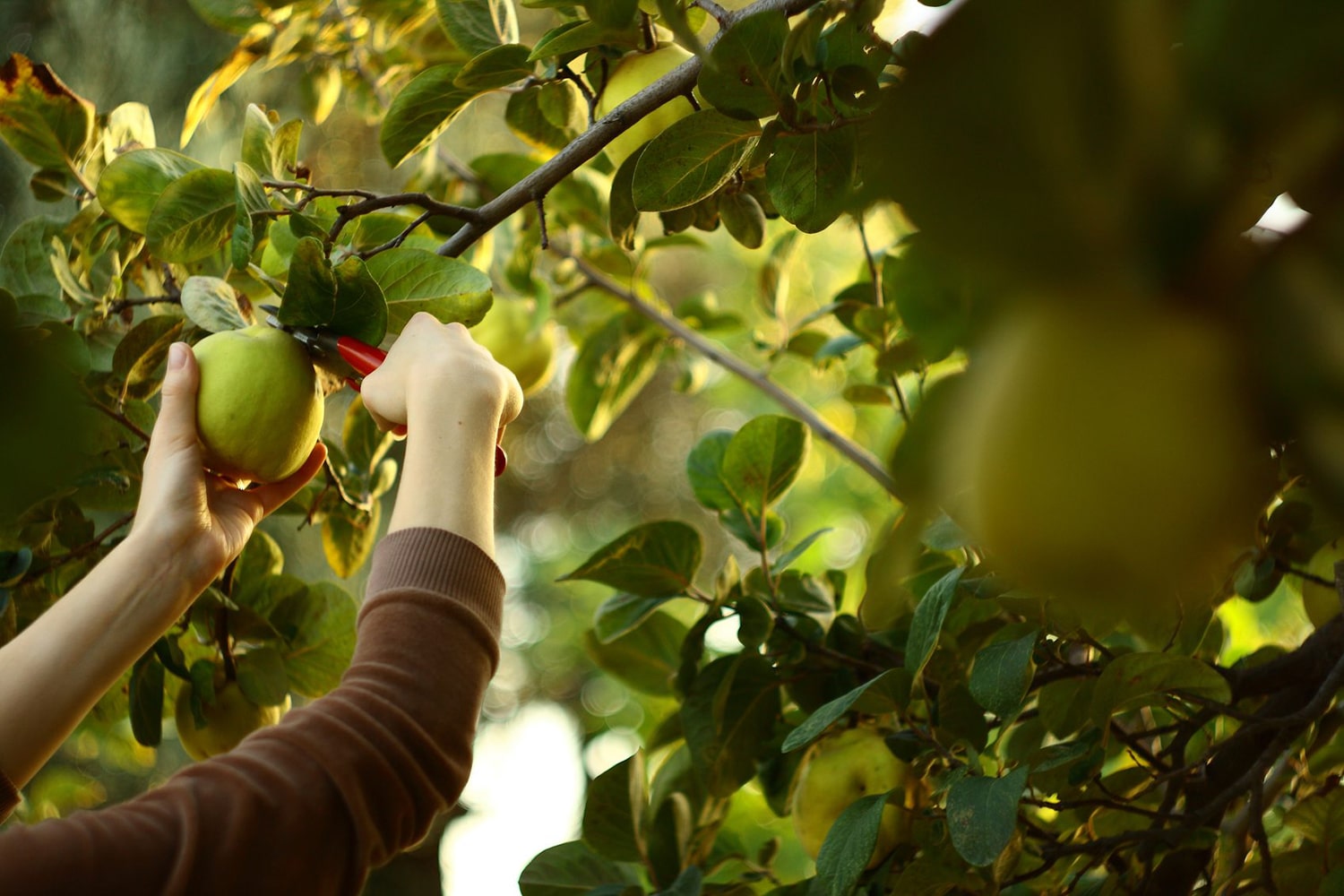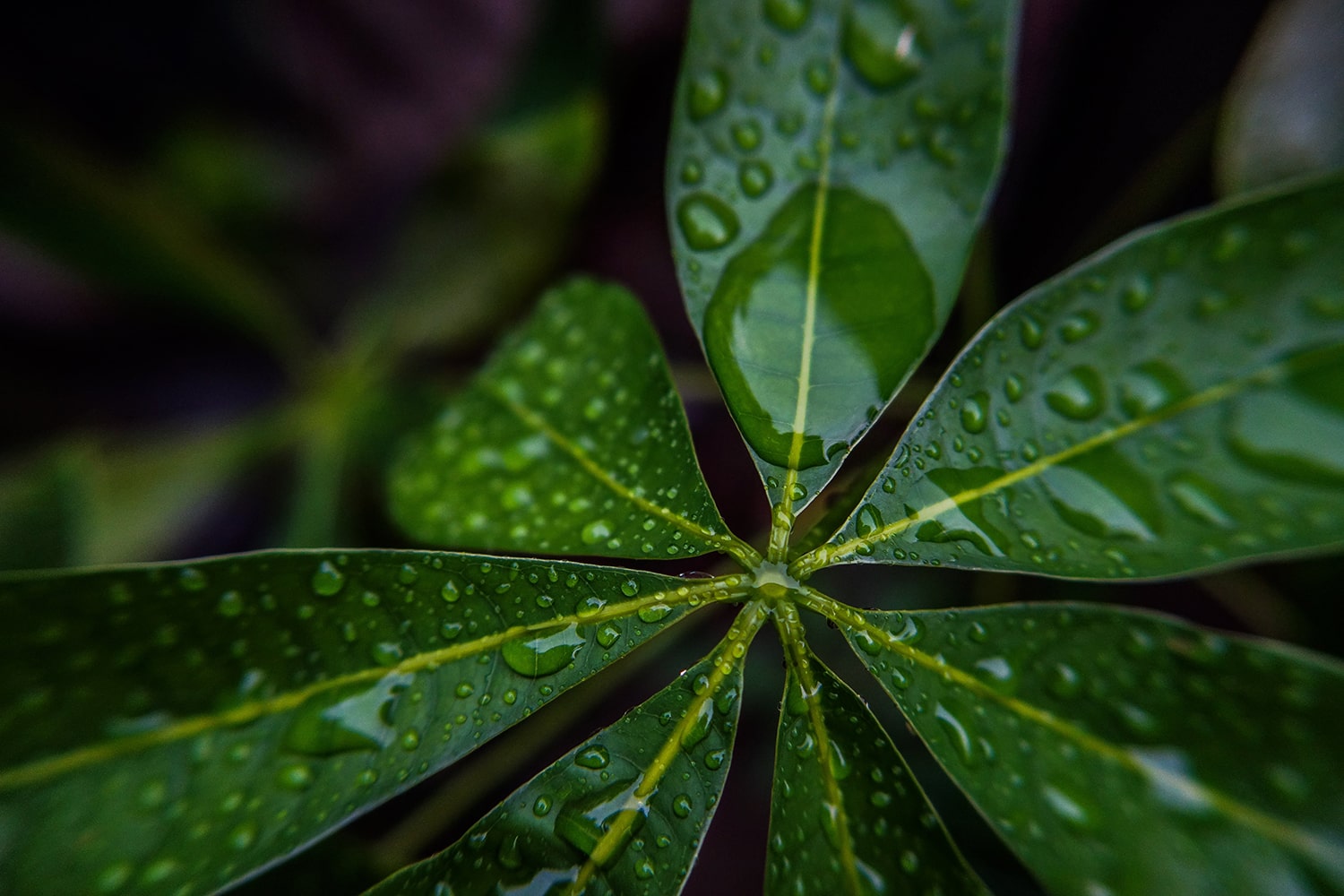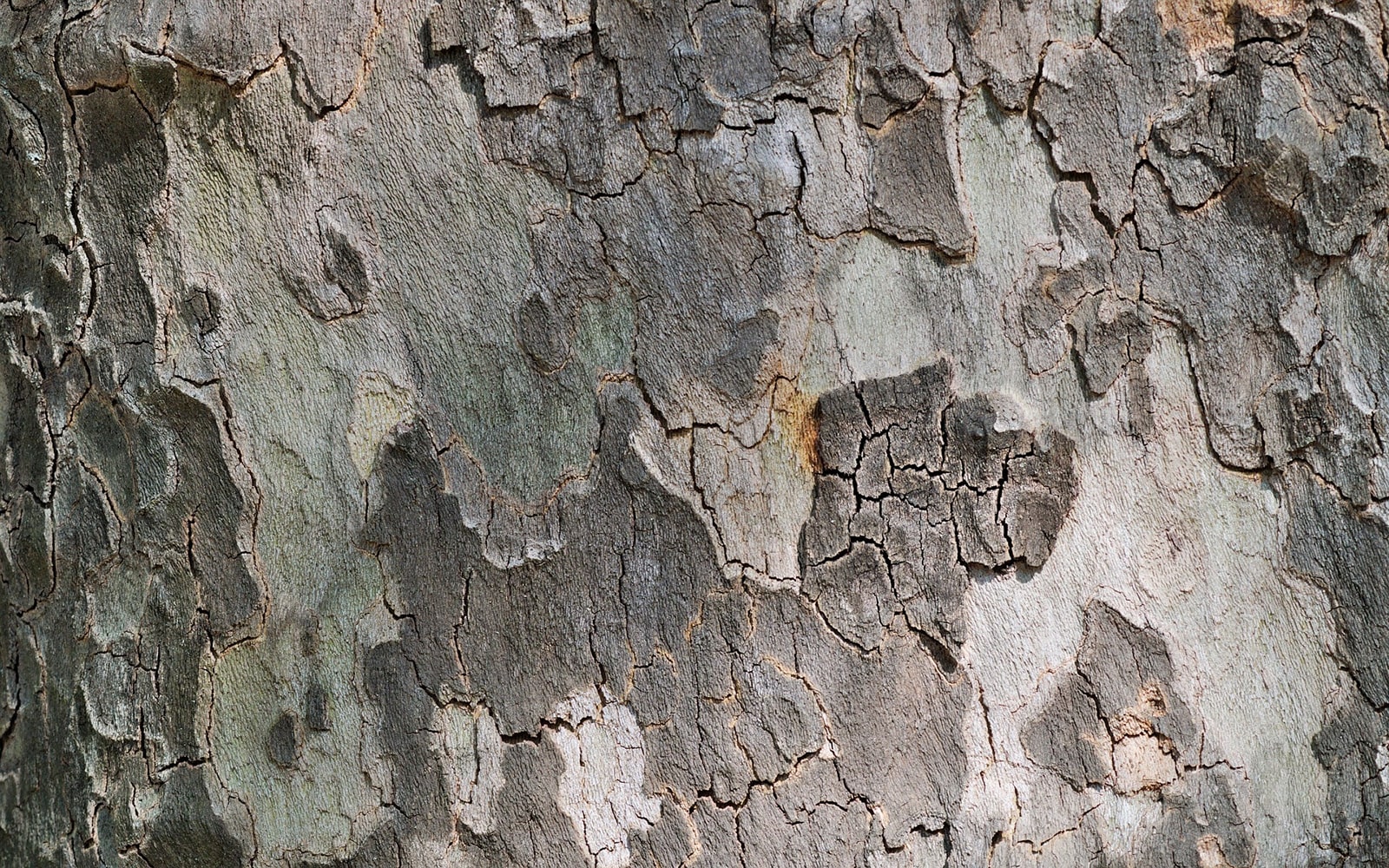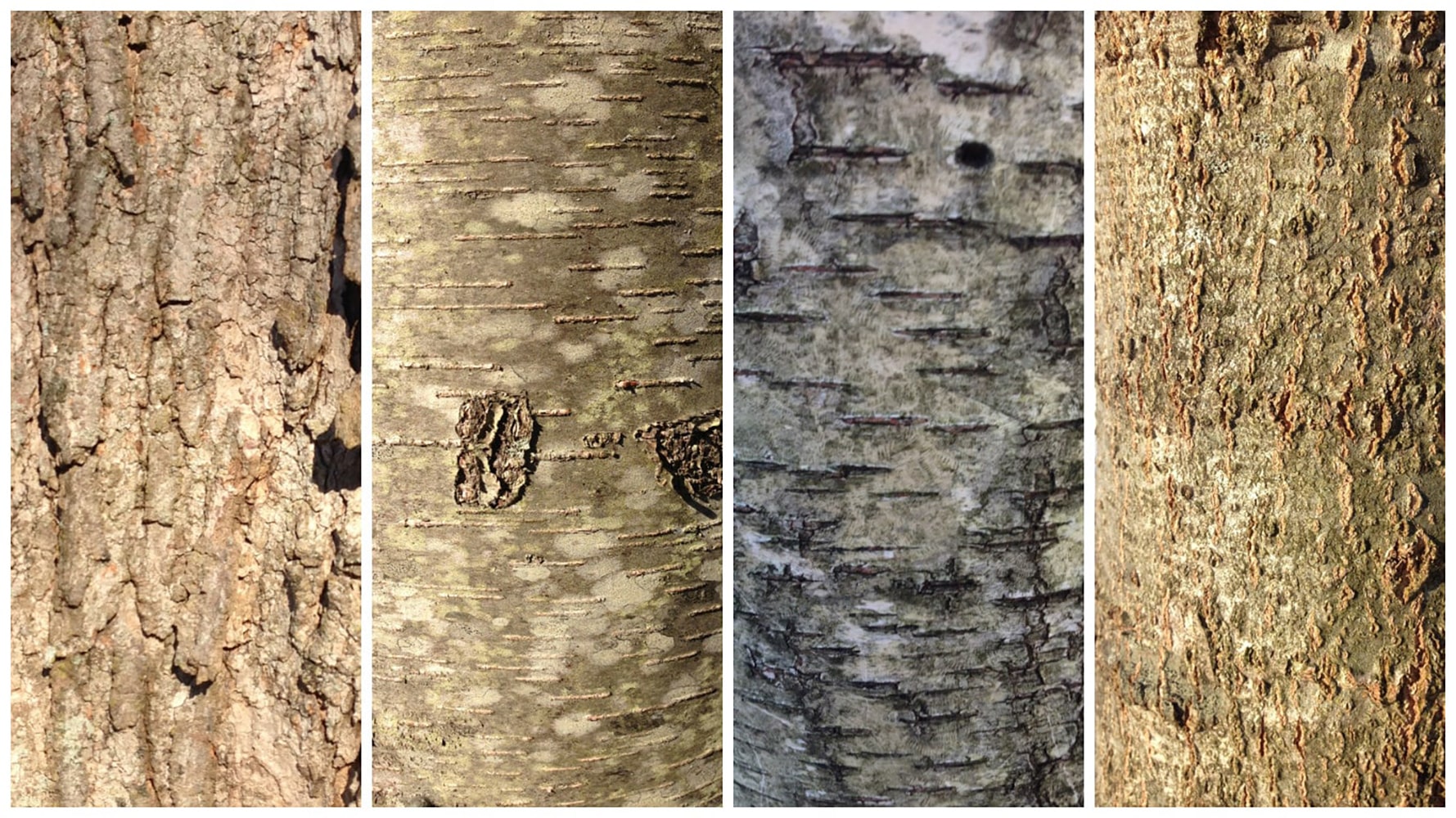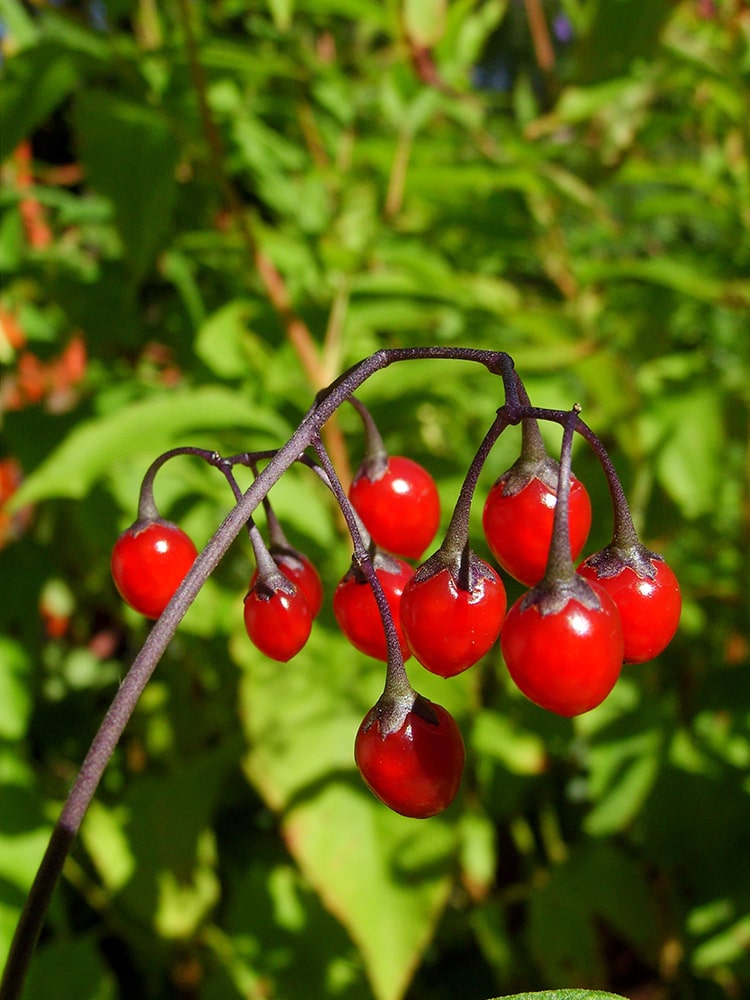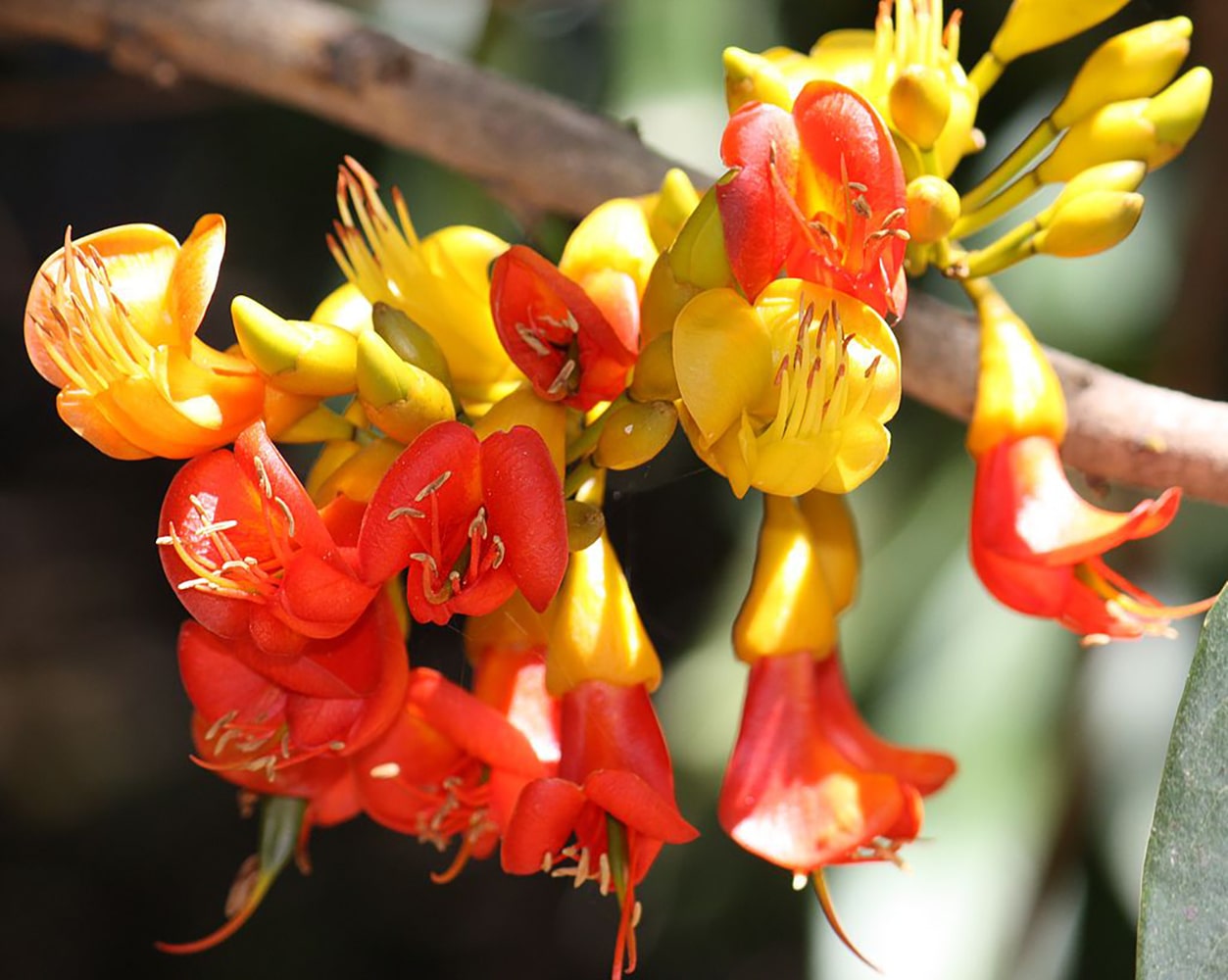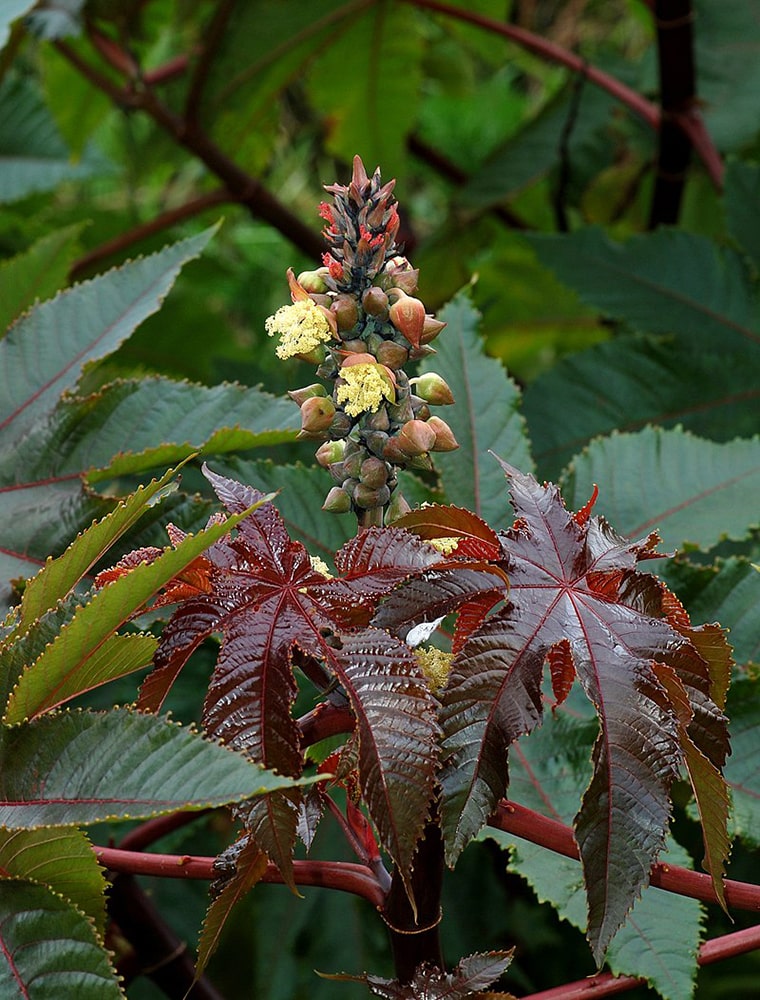
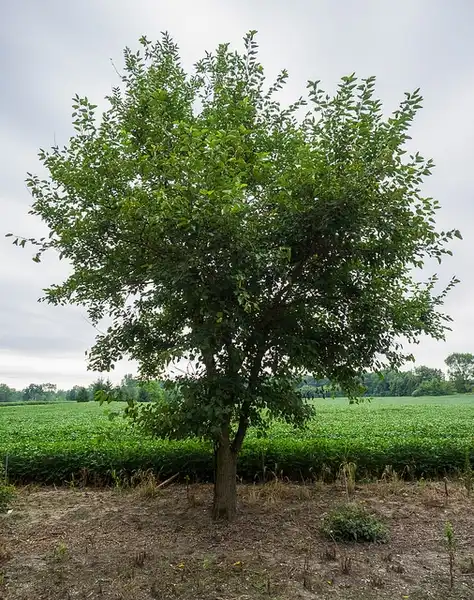
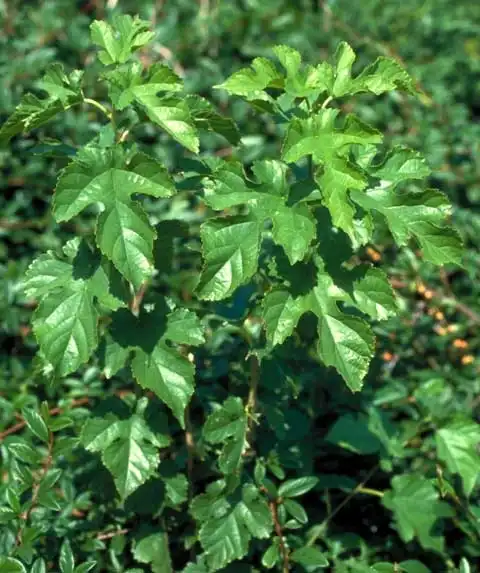
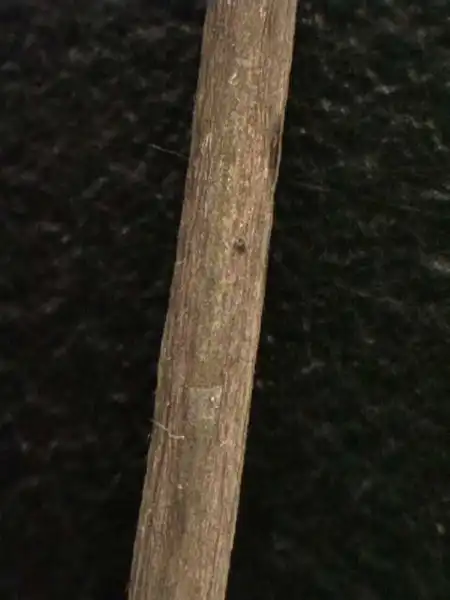
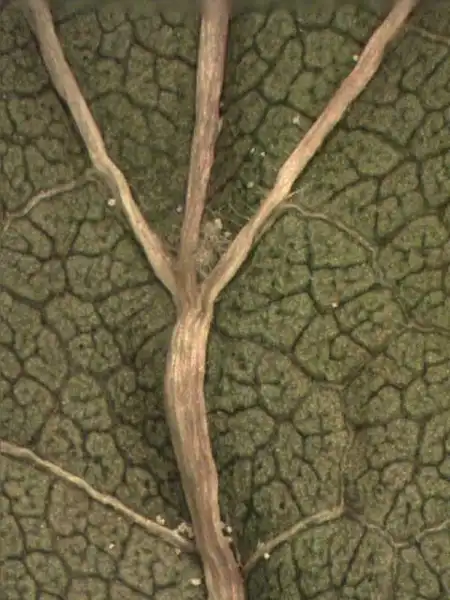
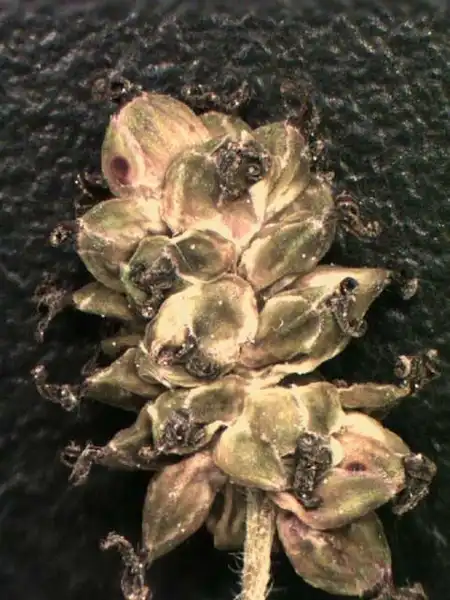
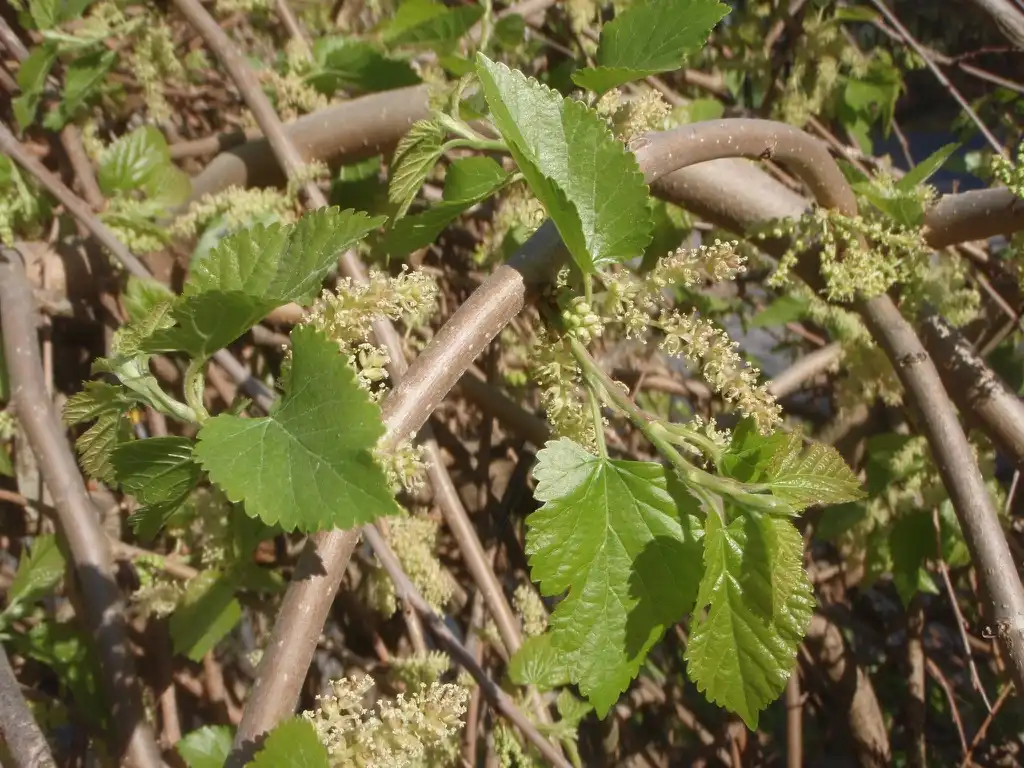
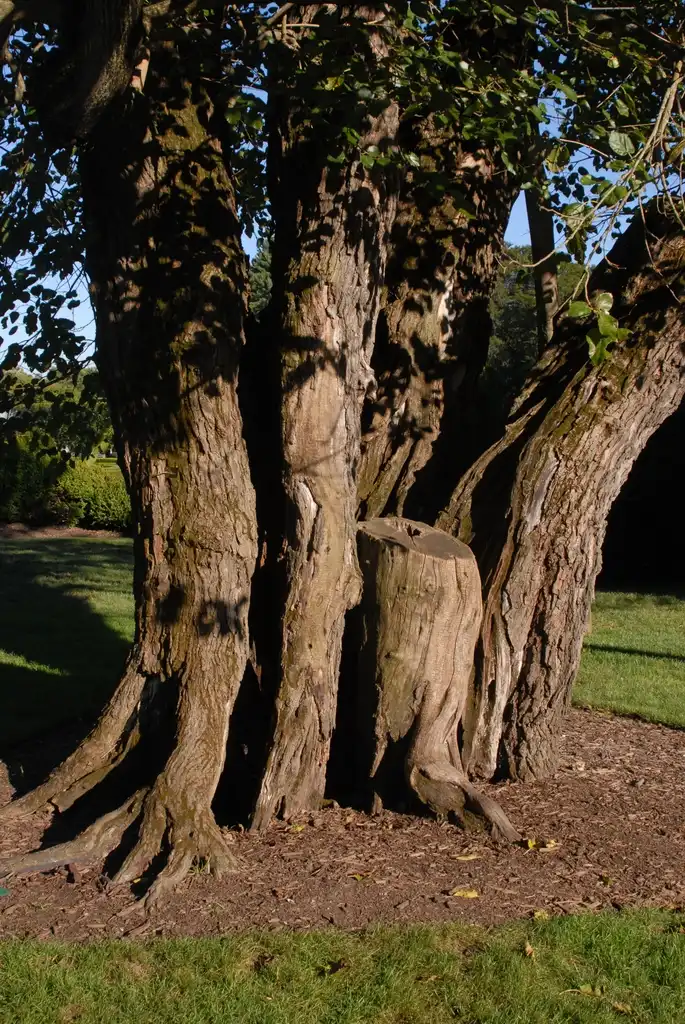
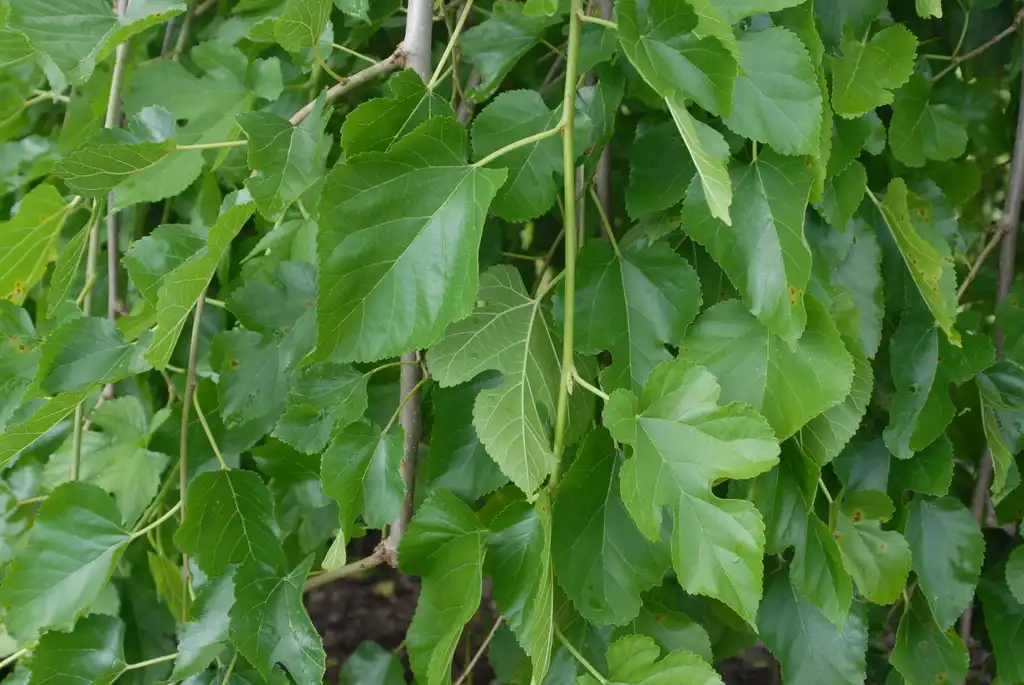
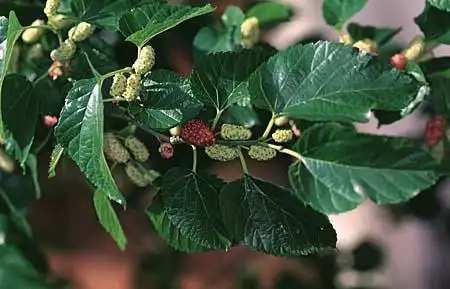
• Photo of Morus alba (Morus albas)

Plant Profile: Morus alba

Taxonomy: Morus alba

Names

White Mulberry

  • Photo of Morus alba (Morus albas)

Phonetic Spelling:MOR-us AL-bah

Genus:Morus

Species:alba

Family:Moraceae

When young twigs are broken, plants release a milky sap. Male and female flowers grow on different plants. While birds enjoy the fruits, fallen ones can lead to maintenance problems, such as staining concrete paths, patios, and vehicles. Therefore, it's important to consider the extent of their canopy when selecting a planting site. Many gardeners believe these trees do not fit well in residential landscapes as either fruit or ornamental trees, and they can become invasive. Herbicides are largely ineffective, so the most effective management strategy is to manually remove young seedlings. In some regions, they are classified as invasive species.

This plant can often be found in naturalized settings. It is resilient to both drought and pollution, and it also attracts songbirds.

Additionally, it has the ability to hybridize with the native red mulberry.

Morus alba Feature Summary

Morus alba Image Gallery

Tags

#drought tolerant
#weed
#wildlife plant
#weedy
#fruit tree
#messy
#edible fruits
#edible garden
#bird friendly
#non-toxic for horses
#non-toxic for dogs
#non-toxic for cats

Similar Plants

Morus alba Feature Summary

Attributes
Leaves are used to feed the silk worm
Birds love the fruit. Also eaten by Opossum, Raccoon, Fox Squirrel, and Gray Squirrel; White-Tailed Deer browse on the leaves and twigs, while beavers gnaw on the wood.
Ripe fruits are eaten raw or made into pies, jellies, and jams. Dried fruits can be added to bread, cookies, or puddings like raisins.
Fruit
Clustered like a blackberry
Purple/Lavender
Pink
White
Flowers
Flowers small in a tight cluster
Insignificant
Catkin
Leaves
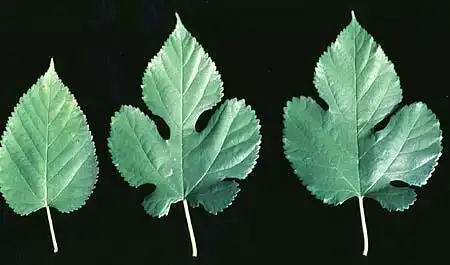
Alternate, simple, toothed leaves, either unlobed, mitten-shaped, or 3-lobed, usually smooth above and hairless below
Lobed
Serrate
Crenate
3-6 inches
Glossy
Smooth
1-3 inches
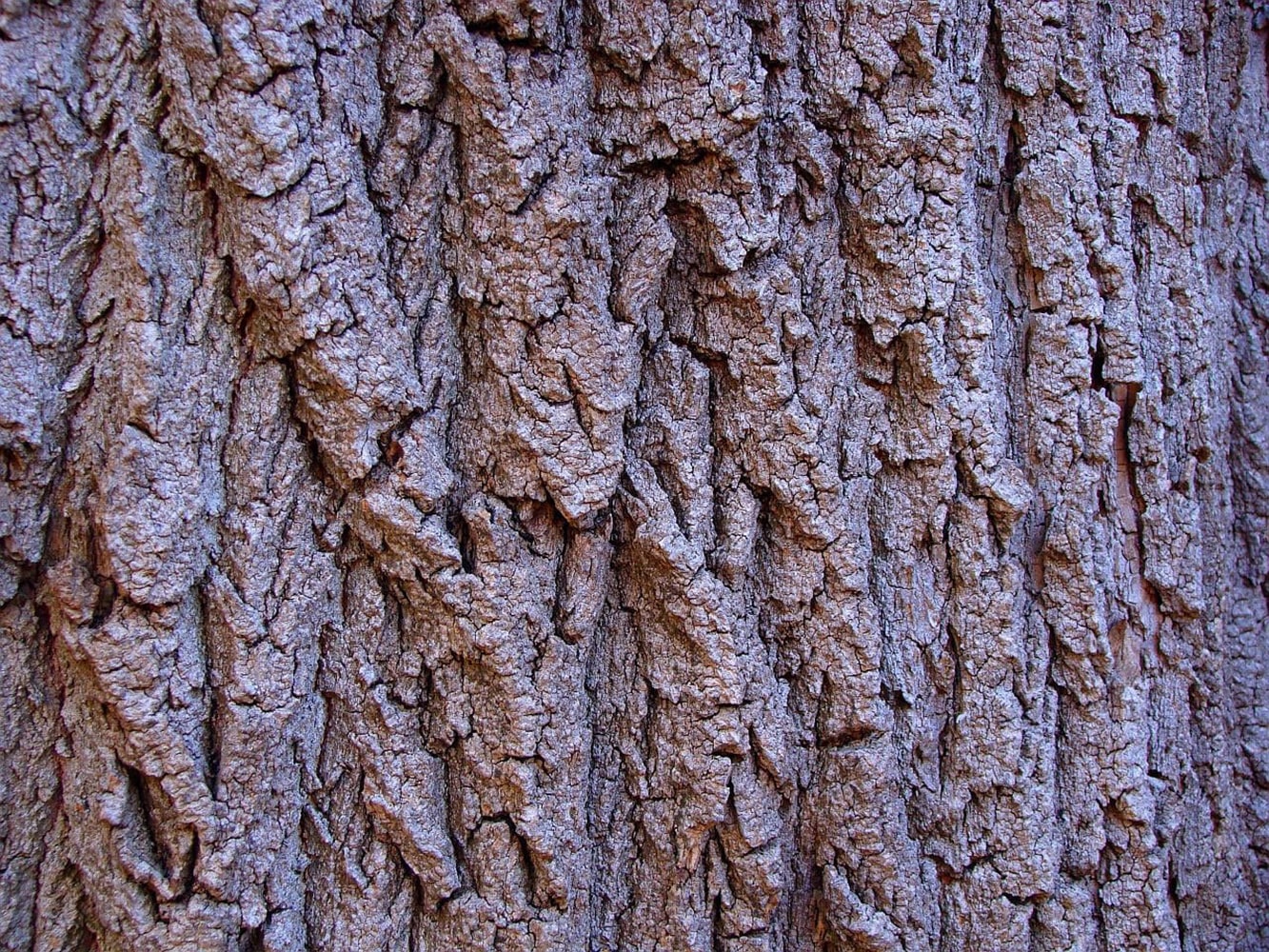
Bark
Trunk bark is usually greyish-brown with flattened ridges and shallow vertical furrows; on very old trees, the bark becomes gray and coarse with curving deep furrows.
Dark Gray
Dark Brown
Poisonous to Humans
CAUSES ONLY LOW TOXICITY IF EATEN. Hallucinations and stomach upset from unripe berries and milky sap.
Sap/Juice
Fruits
Whole Plant Traits
Cultural Conditions
Full sun (6 or more hours of direct sunlight a day)
Alkaline (>8.0)
Neutral (6.0-8.0)
Good Drainage
Coastal
Mountains
Piedmont
4a
4b
5b
5a
6a
6b
7a
7b
8b
8a
Clay
Loam (Silt)
Sand
Landscape
Poisonous to Humans
Weedy
Messy
Problem for Children

Morus alba Attributes

Morus alba: Uses (Ethnobotany)

Leaves are used to feed the silk worm
Morus alba: Country Or Region Of Origin

China

Morus alba: Wildlife Value

Birds love the fruit. Also eaten by Opossum, Raccoon, Fox Squirrel, and Gray Squirrel; White-Tailed Deer browse on the leaves and twigs, while beavers gnaw on the wood.

Morus alba: Edibility

Ripe fruits are eaten raw or made into pies, jellies, and jams. Dried fruits can be added to bread, cookies, or puddings like raisins.

Morus alba: Life Cycle

Annual
Biennial
Bulb
Perennial
Woody

Morus alba Fruit

Morus alba: Fruit Description

Clustered like a blackberry

Morus alba: Fruit Type

Achene
Aggregate
Berry
Capsule
Caryopsis
Drupe
Follicle
Legume
Nut
Pome
Samara
Schizocarp
Siliqua

Morus alba: Fruit Color

grass
Pink
grass
Purple/Lavender
grass
White

Morus alba: Fruit Value To Gardener

Edible
Fragrant
Good Cut
Good Dried
Long Bloom Season
Long-lasting
Showy

Morus alba: Display/Harvest Time

Fall
Spring
Summer
Winter

Morus alba Flowers

Morus alba: Flower Description

Flowers small in a tight cluster

Morus alba: Flower Color

filter_vintage
Green

Morus alba: Flower Inflorescence

Catkin
Corymb
Cyme
Head
Insignificant
Panicle
Raceme
Solitary
Spadix
Spike
Umbel

Morus alba: Flower Bloom Time

Winter
Spring
Summer
Fall

Morus alba Leaves

Morus alba: Leaf Description

Alternate, simple, toothed leaves, either unlobed, mitten-shaped, or 3-lobed, usually smooth above and hairless below

Morus alba: Woody Plant Leaf Characteristics

Broadleaf Evergreen
Deciduous
Needled Evergreen
Semi-evergreen

Morus alba: Leaf Color

spa
Green

Morus alba: Leaf Type

Compound (Pinnately , Bipinnately, Palmately)
Fronds
Needles
Sheath
Simple

Morus alba: Leaf Arrangement

Alternate
Opposite
Other/more complex
Rosulate
Whorled

Morus alba: Leaf Shape

Acicular
Auriculate
Cordate
Cuneate
Deltoid
Elliptical
Filiform
Lanceolate
Linear
Oblanceolate
Oblong
Obovate
Obtuse
Orbicular
Ovate
Palmasect
Palmatifid
Peltate
Pinnatifid
Pinnatisect
Reniform
Rhomboidal
Spatulate
Subcordate
Subulate

Morus alba: Leaf Margin

Crenate
Crenulate
Dentate
Denticulate
Doubly Crenate
Doubly Dentate
Doubly Serrate
Entire
Lobed
Serrate
Sinuate
Undulate

Morus alba: Hairs Present

No
Yes

Morus alba: Leaf Length

< 1 inch
1-3 inches
3-6 inches
> 6 inches

Morus alba: Leaf Feel

Fleshy
Glossy
Leathery
Papery
Prickly
Rough
Rubbery
Slippery
Smooth
Soft
Velvety
Waxy

Morus alba: Leaf Width

< 1 inch
1-3 inches
3-6 inches
> 6 inches

Morus alba Bark

Morus alba: Bark Description

Trunk bark is usually greyish-brown with flattened ridges and shallow vertical furrows; on very old trees, the bark becomes gray and coarse with curving deep furrows.

Morus alba: Bark Color

grass
Dark Brown
grass
Dark Gray

Morus alba: Surface/Attachment

Bumpy
Exfoliating
Fissured
Furrowed
Lenticels
Papery
Patchy
Peeling
Ridges
Scaly
Shaggy
Shiny
Shredding
Smooth
Spongy

Morus alba Poisonous to Humans

Morus alba: Poison Symptoms

CAUSES ONLY LOW TOXICITY IF EATEN. Hallucinations and stomach upset from unripe berries and milky sap.

Morus alba: Poison Toxic Principle

Unidentified

Morus alba: Poison Severity

High
Low
Medium

Morus alba: Causes Contact Dermatitis

No
Yes

Morus alba: Poison Part

Bark
Flowers
Fruits
Leaves
Roots
Sap/Juice
Seeds
Stems

Morus alba Whole Plant Traits

Morus alba: Plant Type

Annual
Bulb
Carnivorous
Edible
Epiphyte
Fern
Ground Cover
Herb
Herbaceous Perennial
Houseplant
Mushroom
Native Plant
Ornamental Grasses and Sedges
Perennial
Poisonous
Rose
Shrub
Succulent
Tree
Turfgrass
Vegetable
Vine
Water Plant
Weed
Wildflower

Morus alba: Woody Plant Leaf Characteristics

Broadleaf Evergreen
Deciduous
Needled Evergreen
Semi-evergreen

Morus alba: Habit/Form

Arching
Ascending
Broad
Cascading
Climbing
Clumping
Columnar
Conical
Creeping
Dense
Erect
Horizontal
Irregular
Mounding
Multi-stemmed
Multi-trunked
Open
Oval
Prostrate
Pyramidal
Rounded
Spreading
Vase
Weeping

Morus alba: Growth Rate

Slow
Medium
Rapid

Morus alba: Maintenance

Low
Medium
High

Morus alba Cultural Conditions

Morus alba: Light

Dappled Sunlight (Shade through upper canopy all day)
Deep shade (Less than 2 hours to no direct sunlight)
Full sun (6 or more hours of direct sunlight a day)
Partial Shade (Direct sunlight only part of the day, 2-6 hours)

Morus alba: Soil pH

Acid (<6.0)
Alkaline (>8.0)
Neutral (6.0-8.0)

Morus alba: Soil Drainage

Frequent Standing Water
Good Drainage
Moist
Occasional Flooding
Occasionally Dry
Occasionally Wet
Very Dry

Morus alba: Available Space To Plant

12 inches-3 feet
12-24 feet
24-60 feet
3 feet-6 feet
6-feet-12 feet
Less than 12 inches
more than 60 feet

Morus alba: NC Region

Coastal
Mountains
Piedmont

Morus alba: USDA Plant Hardiness Zone

thermostat
4a
thermostat
4b
thermostat
5a
thermostat
5b
thermostat
6a
thermostat
6b
thermostat
7a
thermostat
7b
thermostat
8a
thermostat
8b

Morus alba: Soil Texture

Clay
High Organic Matter
Loam (Silt)
Sand
Shallow Rocky

Morus alba Stem

Morus alba: Stem Is Aromatic

No
Yes

Morus alba Landscape

Morus alba: Problems

Allelopathic
Contact Dermatitis
Frequent Disease Problems
Frequent Insect Problems
Invasive Species
Malodorous
Messy
Poisonous to Humans
Problem for Cats
Problem for Children
Problem for Dogs
Problem for Horses
Short-lived
Spines/Thorns
Weak Wood
Weedy