Plant Profile: Muhlenbergia expansa

Taxonomy: Muhlenbergia expansa

Names

Cutover Muhly, Savanna Hairgrass

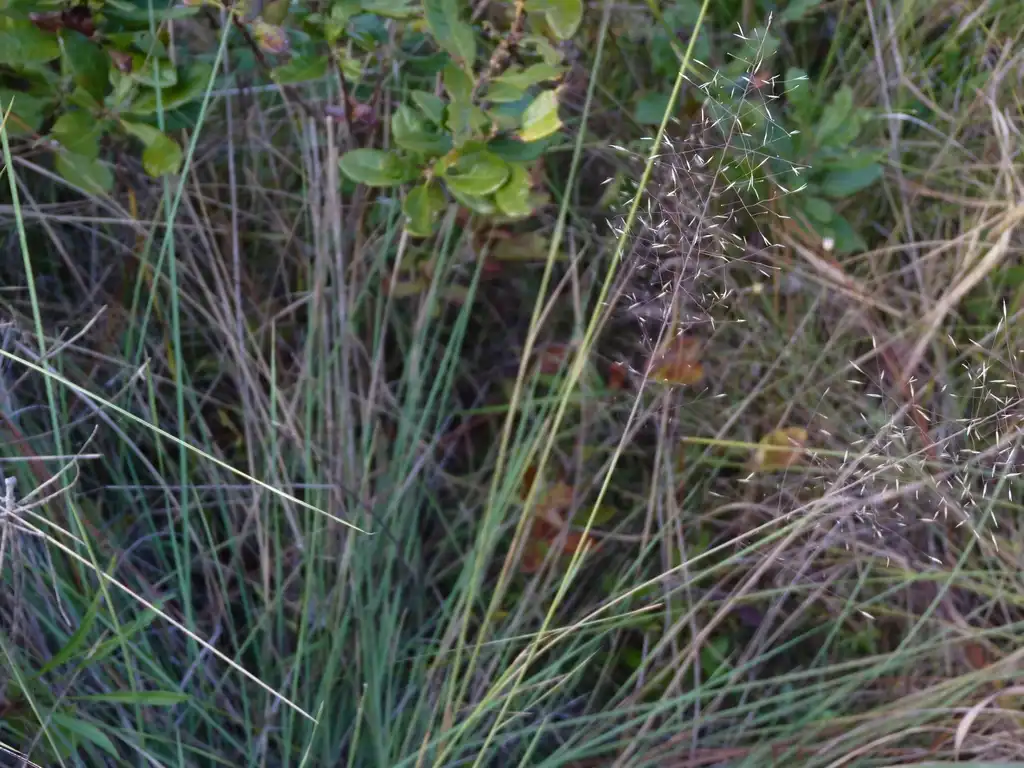
  • Photo of Muhlenbergia expansa (Muhlenbergia expansas)

Phonetic Spelling:mew-len-BERG-gee-uh ek-SPAN-sa

Genus:Muhlenbergia

Species:expansa

Family:Poaceae

Savanna Hairgrass is a warm-season bunchgrass indigenous to the southwestern United States, thriving in moist to wet environments such as pitcher plant bogs, pine savannahs, and flat woodlands, typically in acidic sandy soils along the coast. This grass serves as forage for cattle, sheep, and various herbivores, and its growth can be managed through controlled burns.

Consider incorporating this plant into native coastal gardens, particularly in areas that are wet or bog-like.

Muhlenbergia expansa Feature Summary

Muhlenbergia expansa Image Gallery

Tags

#NC native
#native ornamental grass
#food source herbage
#Coastal FACW
#Piedmont Mountains FACW
#bird friendly
#food source hard mast fruit
#mammals
#butterfly larvae
#audubon
#bunching grass

Similar Plants

Muhlenbergia expansa Feature Summary

Attributes
Southeastern U.S.A., Texas
AL, FL, GA, KY, LA, MS, NC, SC, TX, VA
Seeds are eaten by sparrows and other birds
Perennial
Fruit
The seedhead is open and delicate with a purple panicle 14 to 20 inches long August-November
Caryopsis
Flowers
Flowers bloom September-October and are pink in color.
Leaves
The leaf blade is 12 to 14 inches long, narrow, wiry, tough, twists slightly at maturity and margins fold or roll inward. The leaf sheath is rounded, mostly basal and curls into fibrous mass at maturity.
> 6 inches
Whole Plant Traits
Native Plant
Ornamental Grasses and Sedges
Clumping
Cultural Conditions
Full sun (6 or more hours of direct sunlight a day)
Partial Shade (Direct sunlight only part of the day, 2-6 hours)
Acid (<6.0)
Moist
Occasionally Wet
Coastal
Loam (Silt)
Sand
Landscape
Butterfly Garden
Pollinator Garden
Rain Garden
Native Garden
Woodland
Meadow
Coastal
Butterflies
Songbirds
Small Mammals

Muhlenbergia expansa Attributes

Muhlenbergia expansa: Country Or Region Of Origin

Southeastern U.S.A., Texas
Muhlenbergia expansa: Distribution

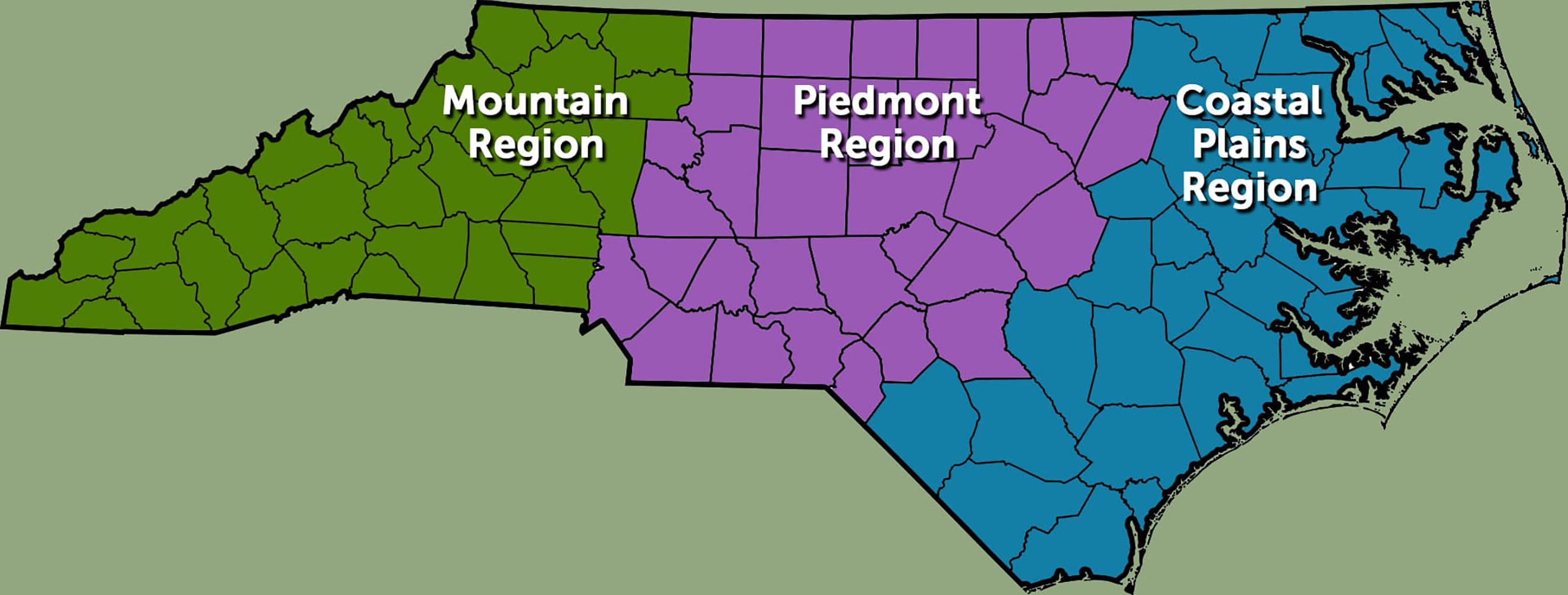
AL, FL, GA, KY, LA, MS, NC, SC, TX, VA

Muhlenbergia expansa: Wildlife Value

Seeds are eaten by sparrows and other birds

Muhlenbergia expansa: Life Cycle

Annual
Biennial
Bulb
Perennial
Woody

Muhlenbergia expansa Fruit

Muhlenbergia expansa: Fruit Description

The seedhead is open and delicate with a purple panicle 14 to 20 inches long August-November

Muhlenbergia expansa: Fruit Type

Achene
Aggregate
Berry
Capsule
Caryopsis
Drupe
Follicle
Legume
Nut
Pome
Samara
Schizocarp
Siliqua

Muhlenbergia expansa: Fruit Color

grass
Pink

Muhlenbergia expansa: Display/Harvest Time

Fall
Spring
Summer
Winter

Muhlenbergia expansa Flowers

Muhlenbergia expansa: Flower Description

Flowers bloom September-October and are pink in color.

Muhlenbergia expansa: Flower Color

filter_vintage
Pink

Muhlenbergia expansa: Flower Bloom Time

Winter
Spring
Summer
Fall

Muhlenbergia expansa Leaves

Muhlenbergia expansa: Leaf Description

The leaf blade is 12 to 14 inches long, narrow, wiry, tough, twists slightly at maturity and margins fold or roll inward. The leaf sheath is rounded, mostly basal and curls into fibrous mass at maturity.

Muhlenbergia expansa: Hairs Present

No
Yes

Muhlenbergia expansa: Leaf Length

< 1 inch
1-3 inches
3-6 inches
> 6 inches

Muhlenbergia expansa Whole Plant Traits

Muhlenbergia expansa: Plant Type

Annual
Bulb
Carnivorous
Edible
Epiphyte
Fern
Ground Cover
Herb
Herbaceous Perennial
Houseplant
Mushroom
Native Plant
Ornamental Grasses and Sedges
Perennial
Poisonous
Rose
Shrub
Succulent
Tree
Turfgrass
Vegetable
Vine
Water Plant
Weed
Wildflower

Muhlenbergia expansa: Habit/Form

Arching
Ascending
Broad
Cascading
Climbing
Clumping
Columnar
Conical
Creeping
Dense
Erect
Horizontal
Irregular
Mounding
Multi-stemmed
Multi-trunked
Open
Oval
Prostrate
Pyramidal
Rounded
Spreading
Vase
Weeping

Muhlenbergia expansa Cultural Conditions

Muhlenbergia expansa: Light

Dappled Sunlight (Shade through upper canopy all day)
Deep shade (Less than 2 hours to no direct sunlight)
Full sun (6 or more hours of direct sunlight a day)
Partial Shade (Direct sunlight only part of the day, 2-6 hours)

Muhlenbergia expansa: Soil pH

Acid (<6.0)
Alkaline (>8.0)
Neutral (6.0-8.0)

Muhlenbergia expansa: Soil Drainage

Frequent Standing Water
Good Drainage
Moist
Occasional Flooding
Occasionally Dry
Occasionally Wet
Very Dry

Muhlenbergia expansa: NC Region

Coastal
Mountains
Piedmont

Muhlenbergia expansa: Soil Texture

Clay
High Organic Matter
Loam (Silt)
Sand
Shallow Rocky

Muhlenbergia expansa Stem

Muhlenbergia expansa: Stem Is Aromatic

No
Yes

Muhlenbergia expansa Landscape

Muhlenbergia expansa: Landscape Theme

Asian Garden
Butterfly Garden
Children's Garden
Cottage Garden
Cutting Garden
Drought Tolerant Garden
Edible Garden
English Garden
Fairy Garden
Garden for the Blind
Native Garden
Nighttime Garden
Pollinator Garden
Rain Garden
Rock Garden
Shade Garden
Water Garden
Winter Garden

Muhlenbergia expansa: Resistance To Challenges

Black Walnut
Compaction
Deer
Diseases
Drought
Dry Soil
Erosion
Fire
Foot Traffic
Heat
Heavy Shade
Humidity
Insect Pests
Pollution
Poor Soil
Rabbits
Salt
Slugs
Squirrels
Storm damage
Urban Conditions
Voles
Wet Soil
Wind

Muhlenbergia expansa: Landscape Location

Coastal
Container
Hanging Baskets
Houseplants
Lawn
Meadow
Naturalized Area
Near Septic
Patio
Pond
Pool/Hardscape
Recreational Play Area
Riparian
Rock Wall
Slope/Bank
Small Space
Vertical Spaces
Walkways
Woodland

Muhlenbergia expansa: Attracts

Bats
Bees
Butterflies
Frogs
Hummingbirds
Moths
Pollinators
Predatory Insects
Reptiles
Small Mammals
Songbirds
Specialized Bees