Neillia incisa: Country Or Region Of Origin
China to Temp. Eastern Asia
Phonetic Spelling:NEEL-lee-uh in-SIGH-suh
Genus:Neillia
Species:incisa
Family:Rosaceae
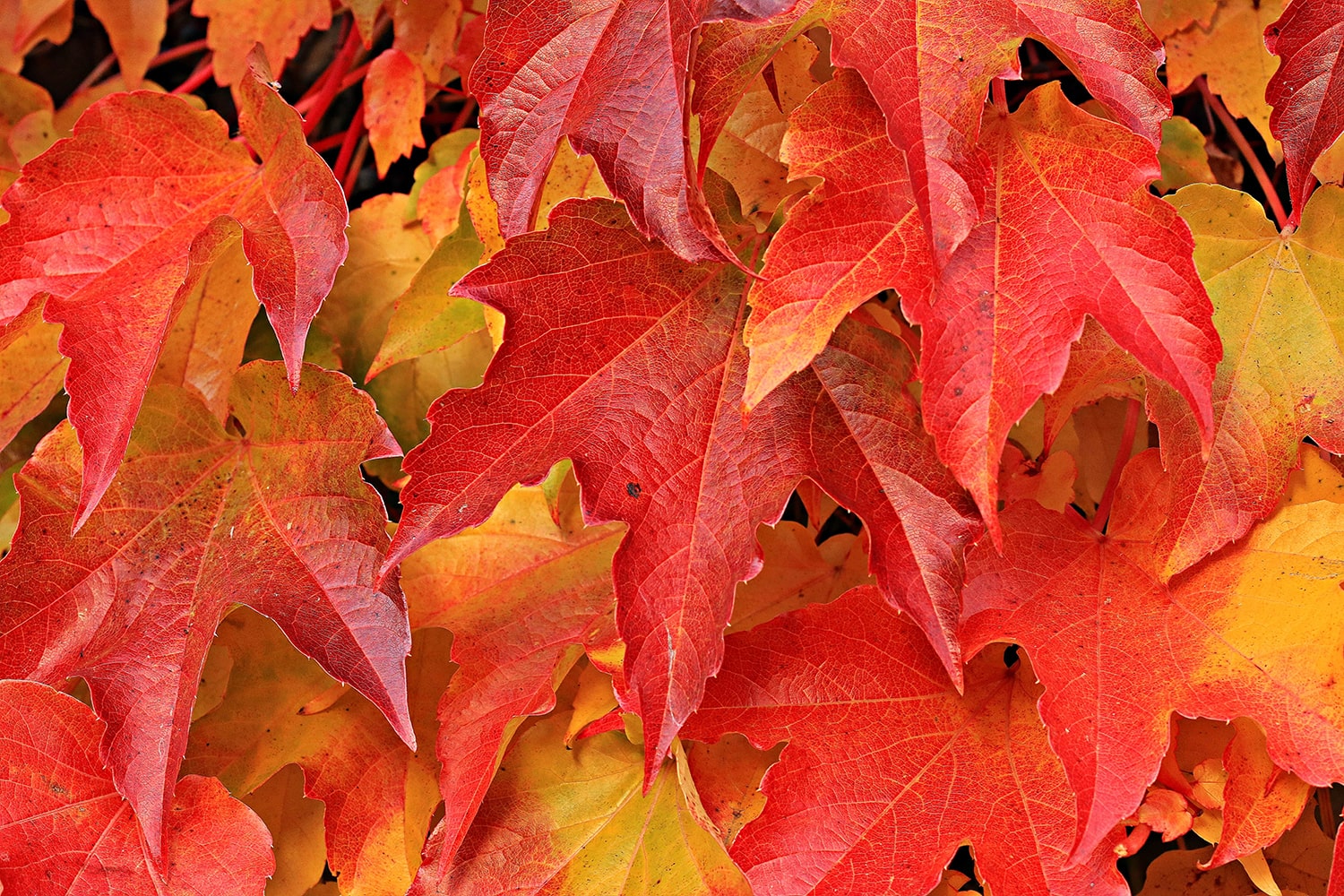
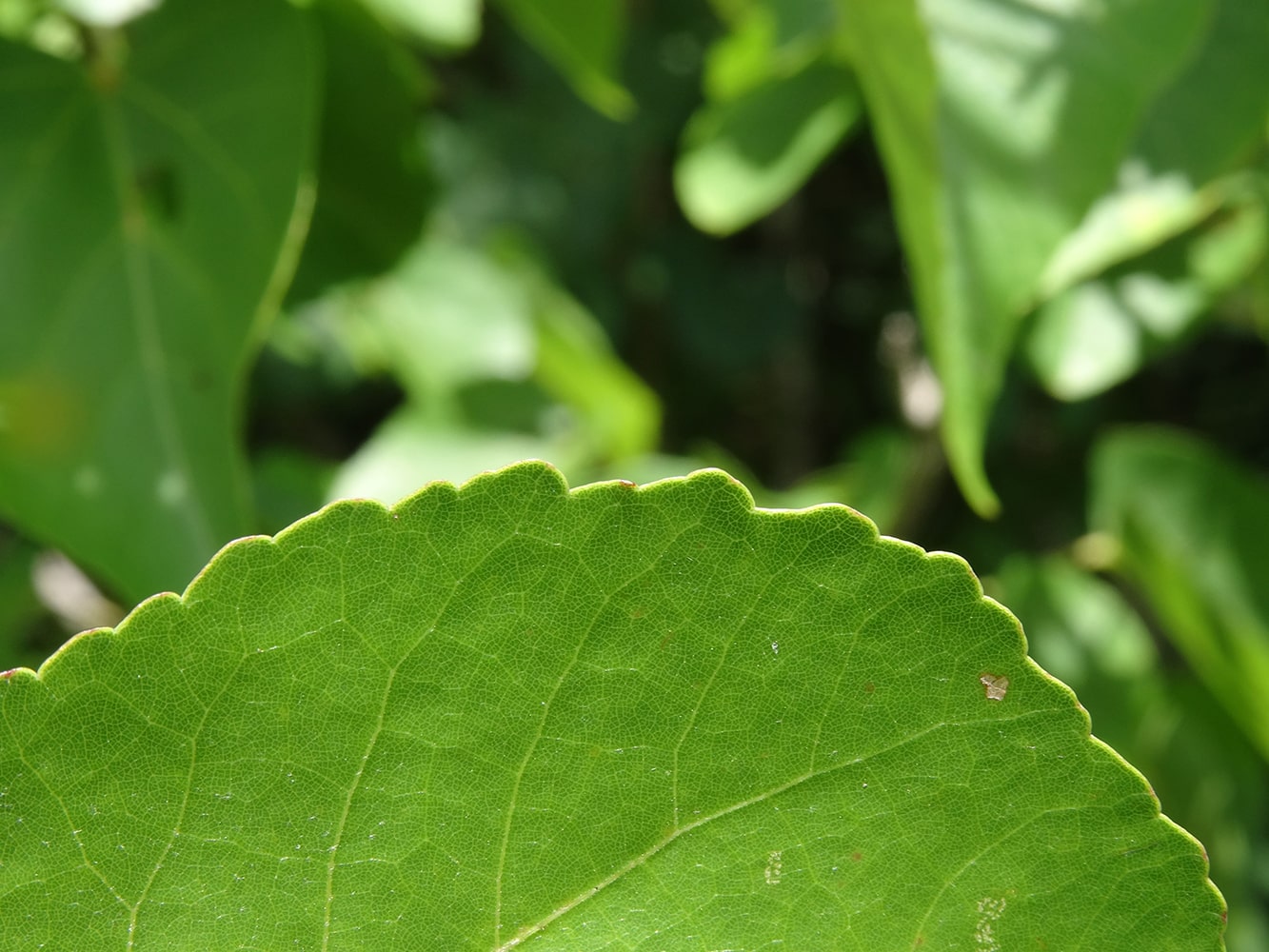
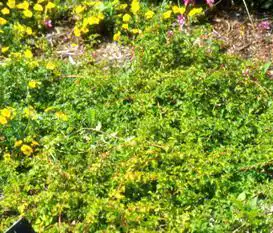
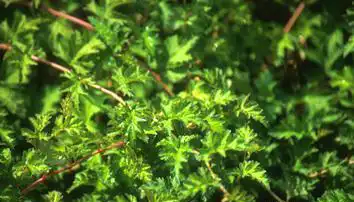
Neillia incisa, commonly referred to as Lace Shrub, is a deciduous perennial shrub characterized by its broad, dense crown, typically reaching dimensions of 6 feet in height and 9 feet in width. This species is indigenous to Asia, thriving in thickets found in the low mountains of Japan and on slopes or near streams at elevations ranging from 1,600 to 3,200 feet in southern China. It is often listed under its synonym, Stephandra incisa. The plant blooms in June, with seeds maturing between August and September, and its foliage showcases vibrant colors in the fall. Lace Shrub can be propagated from seeds, but it also produces suckers from its base, and its arching stems can root when they touch the soil.
Lace Shrub is adaptable to various soil types, including sandy, loamy, and clay soils, though it thrives best in organically rich, well-drained, and moist conditions. It can grow in semi-shade or full sun, with the latter promoting more abundant flowering. It is advisable to plant it in a location shielded from strong winds, and it is also straightforward to transplant into pots.
Among the cultivars, Crispa is the most prevalent in the market, recognized for its resilience and versatility. This variety features finely dissected, crinkly leaves and a low-spreading growth habit, typically reaching only 3 feet in height while spreading much wider. The plant forms a slight mound in the center but remains prostrate at the edges. It serves well as ground cover, a foundation shrub, or as a cascading plant over walls or raised beds.
As for health concerns, Lace Shrub is notably resilient, with no significant diseases or pest issues reported.
Neillia incisa Feature Summary