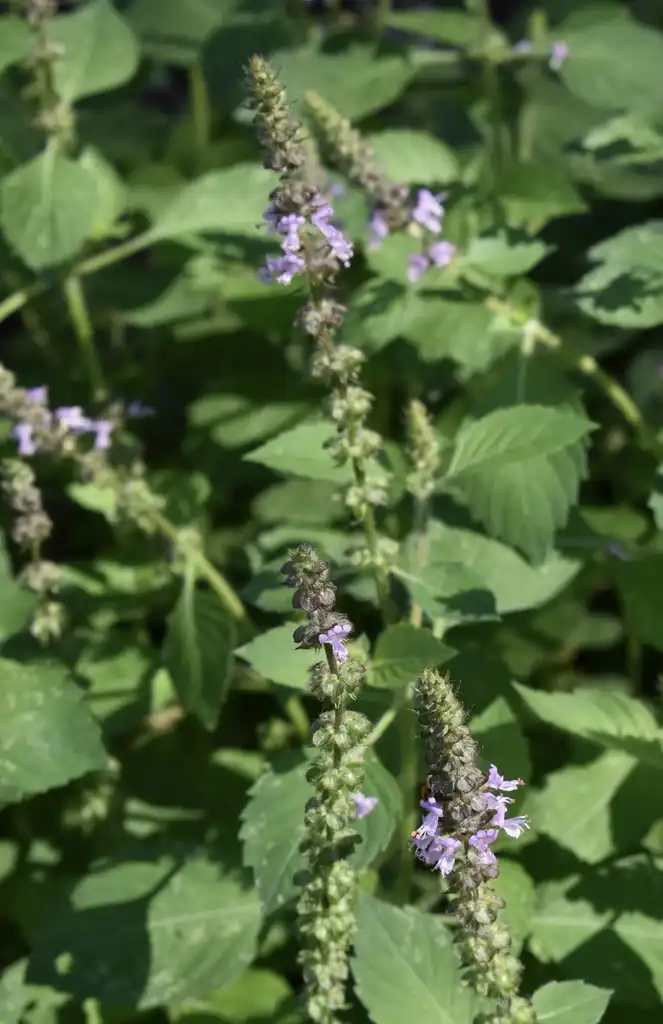
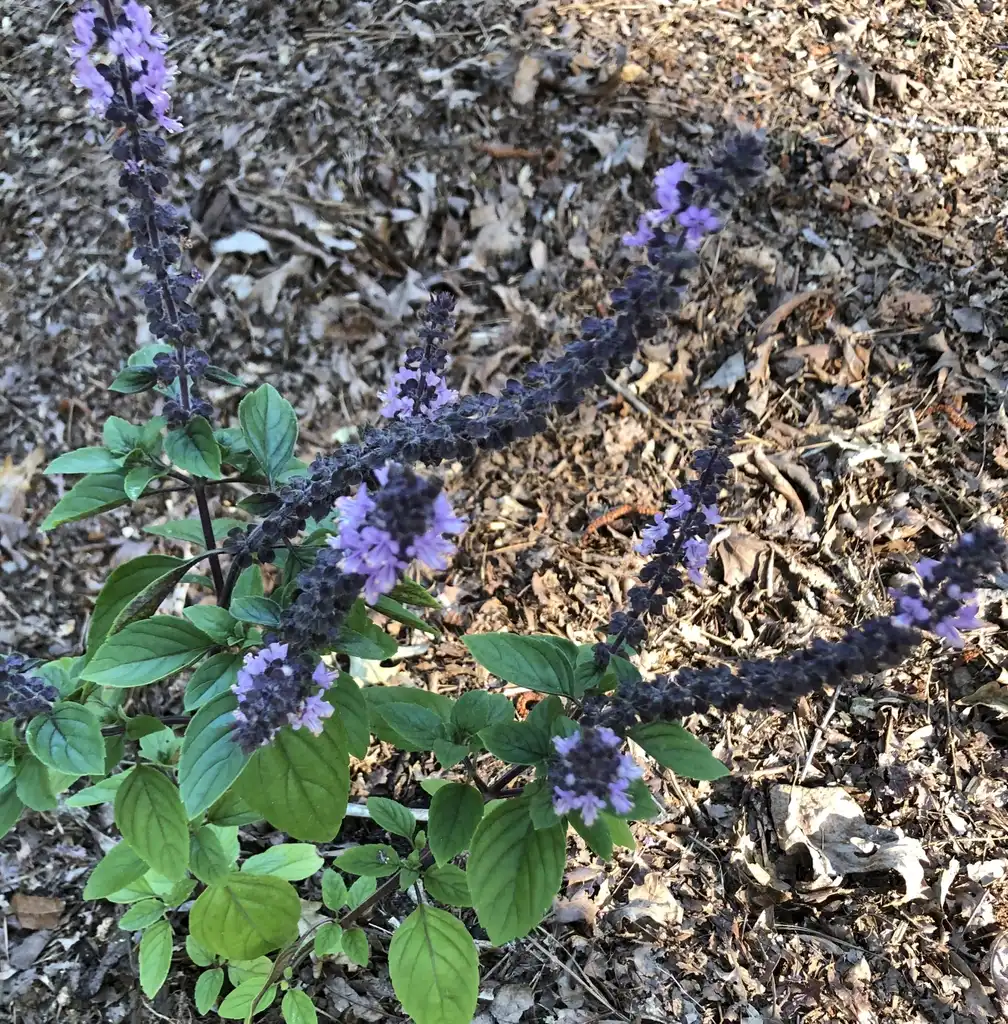
• Photo of Ocimum tenuiflorum (Ocimum tenuiflorums)

Plant Profile: Ocimum tenuiflorum

Taxonomy: Ocimum tenuiflorum

Names

Holy Basil, Hot Basil, Tulasi, Tulsi

  • Photo of Ocimum tenuiflorum (Ocimum tenuiflorums)

Phonetic Spelling:

Genus:Ocimum

Species:tenuiflorum

Family:Lamiaceae

Holy Basil, belonging to the mint family, is a fragrant annual or short-lived perennial plant. It originates from the tropical and subtropical areas of Southern Asia. While it is closely related to culinary basil, Holy Basil features smaller flowers and has a shorter lifespan.

Ocimum tenuiflorum Feature Summary

Ocimum tenuiflorum Image Gallery

Tags

#fragrant
#purple leaves
#fragrant leaves
#salt tolerant
#herb garden

Similar Plants

Ocimum tenuiflorum is often confused with:

Ocimum tenuiflorum Feature Summary

Attributes
A plant used in the Hindu religion and Ayurvedic medicine to cleanse the body, and for stomach and skin issues.
A culinary herb especially in Asia used in the same ways as Sweet Basil though it is commonly cooked or used in teas rather than used raw. Fragrant leaves have a spicy bite that is a mix of clove, mint, and basil flavor.
Perennial
Annual
Fruit
Purple-green to brown smooth to slightly pitted elliptical nutlets 0.8-1.2 mm long with numerous seeds inside.
Green
Brown/Copper
Purple/Lavender
< 1 inch
Flowers
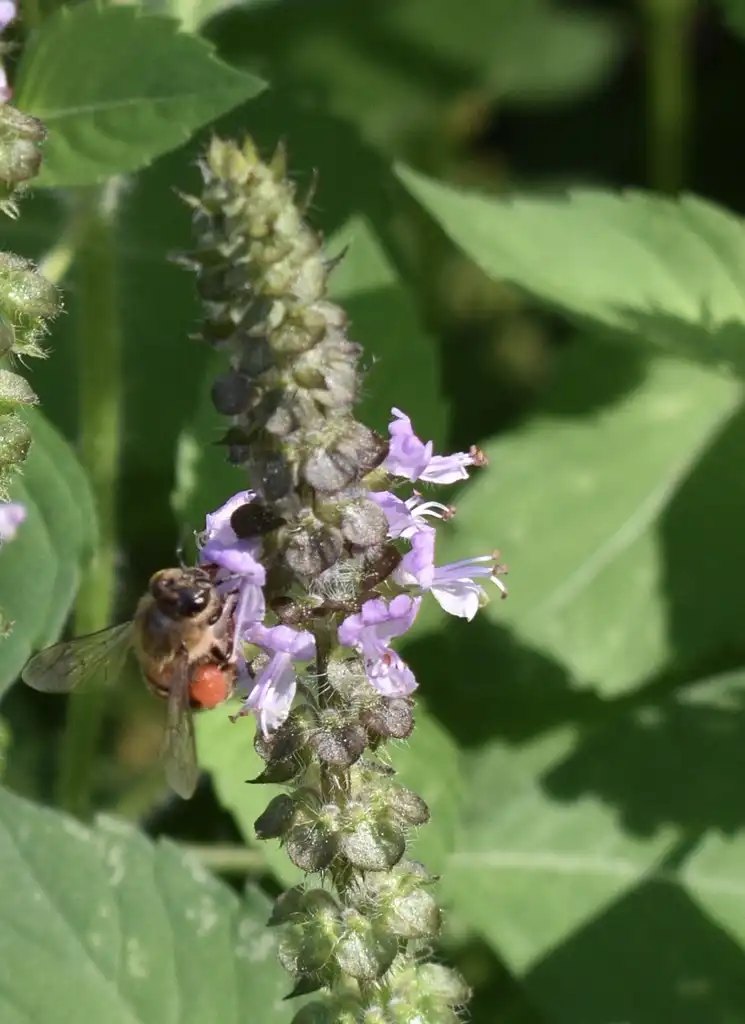
White, pale pink or lavender in terminal panicles or racemes that are 4-12 cm long.
Pink
Purple/Lavender
White
Leaves
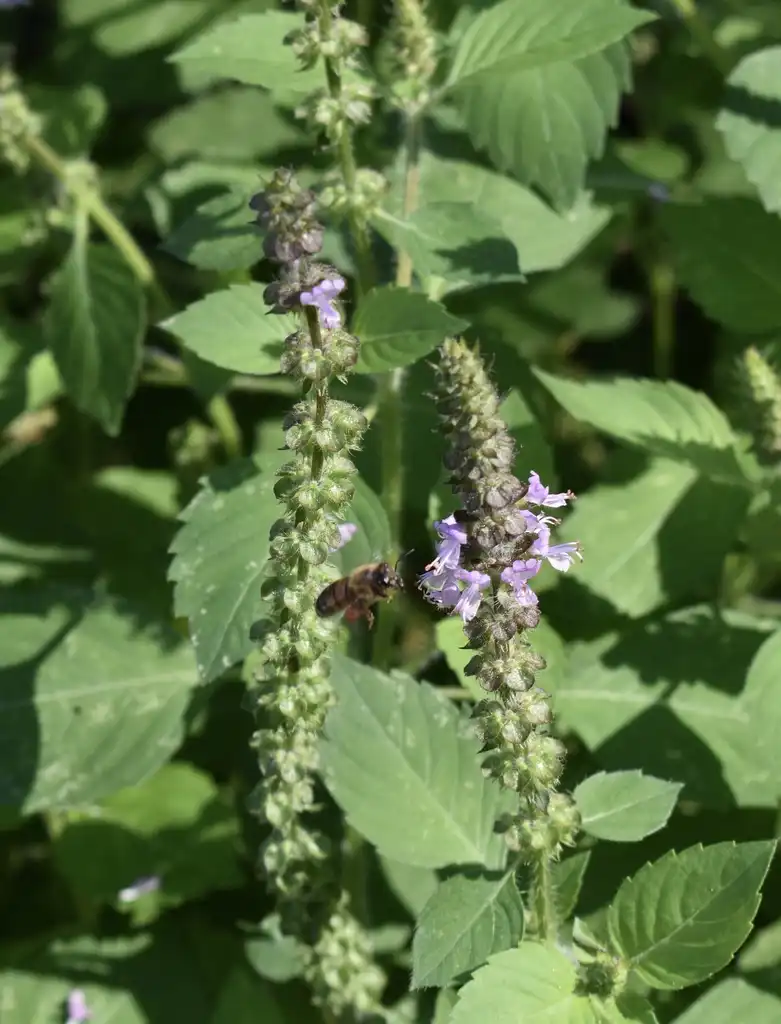
Pungently fragrant pubescent leaves are simple, elliptic to oblong with serrate to entire margins. Leaves are 1.5 to 3 inches long and .5 inches wide. Hairs are on both sides but especially on veins on the underside.
Elliptical
Oblong
Entire
Serrate
1-3 inches
< 1 inch
Stem
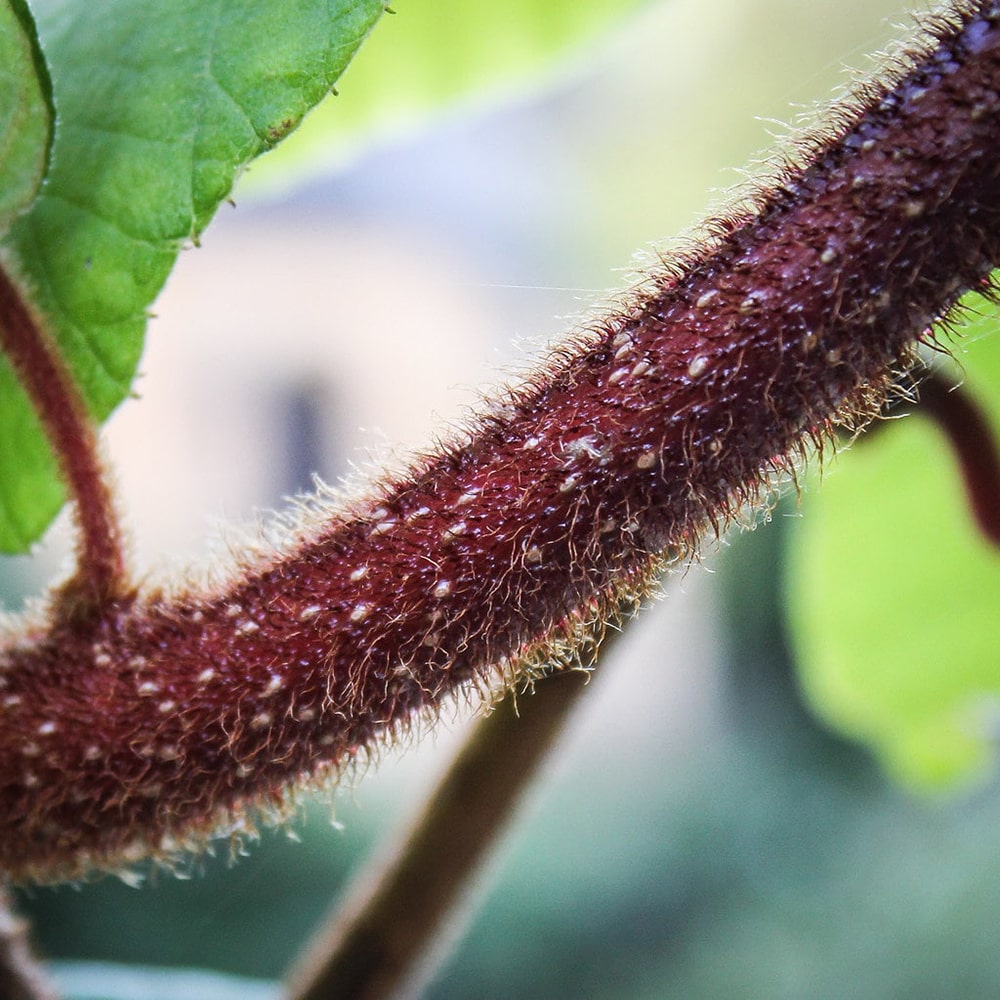
Pubescent square stems
Hairy (pubescent)
Whole Plant Traits
Annual
Edible
Herbaceous Perennial
Herb
Multi-stemmed
Cultural Conditions
Acid (<6.0)
Alkaline (>8.0)
Neutral (6.0-8.0)
Loam (Silt)
Sand

Ocimum tenuiflorum Attributes

Ocimum tenuiflorum: Uses (Ethnobotany)

A plant used in the Hindu religion and Ayurvedic medicine to cleanse the body, and for stomach and skin issues.

Ocimum tenuiflorum: Country Or Region Of Origin

Southeast Asia

Ocimum tenuiflorum: Edibility

A culinary herb especially in Asia used in the same ways as Sweet Basil though it is commonly cooked or used in teas rather than used raw. Fragrant leaves have a spicy bite that is a mix of clove, mint, and basil flavor.

Ocimum tenuiflorum: Life Cycle

Annual
Biennial
Bulb
Perennial
Woody

Ocimum tenuiflorum: Recommended Propagation Strategy

Division
Grafting
Layering
Leaf Cutting
Root Cutting
Seed
Stem Cutting

Ocimum tenuiflorum Fruit

Ocimum tenuiflorum: Fruit Description

Purple-green to brown smooth to slightly pitted elliptical nutlets 0.8-1.2 mm long with numerous seeds inside.

Ocimum tenuiflorum: Fruit Type

Achene
Aggregate
Berry
Capsule
Caryopsis
Drupe
Follicle
Legume
Nut
Pome
Samara
Schizocarp
Siliqua

Ocimum tenuiflorum: Fruit Color

grass
Brown/Copper
grass
Green
grass
Purple/Lavender

Ocimum tenuiflorum: Fruit Length

< 1 inch
1-3 inches
> 3 inches

Ocimum tenuiflorum: Fruit Width

< 1 inch
1-3 inches
> 3 inches

Ocimum tenuiflorum Flowers

Ocimum tenuiflorum: Flower Description

White, pale pink or lavender in terminal panicles or racemes that are 4-12 cm long.

Ocimum tenuiflorum: Flower Color

filter_vintage
Pink
filter_vintage
Purple/Lavender
filter_vintage
White

Ocimum tenuiflorum: Flower Inflorescence

Catkin
Corymb
Cyme
Head
Insignificant
Panicle
Raceme
Solitary
Spadix
Spike
Umbel

Ocimum tenuiflorum Leaves

Ocimum tenuiflorum: Leaf Description

Pungently fragrant pubescent leaves are simple, elliptic to oblong with serrate to entire margins. Leaves are 1.5 to 3 inches long and .5 inches wide. Hairs are on both sides but especially on veins on the underside.

Ocimum tenuiflorum: Leaf Color

spa
Green

Ocimum tenuiflorum: Leaf Type

Compound (Pinnately , Bipinnately, Palmately)
Fronds
Needles
Sheath
Simple

Ocimum tenuiflorum: Leaf Arrangement

Alternate
Opposite
Other/more complex
Rosulate
Whorled

Ocimum tenuiflorum: Leaf Shape

Acicular
Auriculate
Cordate
Cuneate
Deltoid
Elliptical
Filiform
Lanceolate
Linear
Oblanceolate
Oblong
Obovate
Obtuse
Orbicular
Ovate
Palmasect
Palmatifid
Peltate
Pinnatifid
Pinnatisect
Reniform
Rhomboidal
Spatulate
Subcordate
Subulate

Ocimum tenuiflorum: Leaf Margin

Crenate
Crenulate
Dentate
Denticulate
Doubly Crenate
Doubly Dentate
Doubly Serrate
Entire
Lobed
Serrate
Sinuate
Undulate

Ocimum tenuiflorum: Hairs Present

No
Yes

Ocimum tenuiflorum: Leaf Length

< 1 inch
1-3 inches
3-6 inches
> 6 inches

Ocimum tenuiflorum: Leaf Value To Gardener

Edible
Fragrant
Good Cut
Good Dried
Long-lasting
Showy

Ocimum tenuiflorum: Leaf Width

< 1 inch
1-3 inches
3-6 inches
> 6 inches

Ocimum tenuiflorum Stem

Ocimum tenuiflorum: Stem Description

Pubescent square stems

Ocimum tenuiflorum: Stem Color

grass
Green

Ocimum tenuiflorum: Stem Is Aromatic

No
Yes

Ocimum tenuiflorum: Stem Cross Section

Angular
Oval
Round
Square

Ocimum tenuiflorum: Stem Surface

Corky Ridges
Covered with a powdery bloom (glaucous)
Dull
Hairy (pubescent)
Polished
Smooth (glabrous)

Ocimum tenuiflorum Whole Plant Traits

Ocimum tenuiflorum: Plant Type

Annual
Bulb
Carnivorous
Edible
Epiphyte
Fern
Ground Cover
Herb
Herbaceous Perennial
Houseplant
Mushroom
Native Plant
Ornamental Grasses and Sedges
Perennial
Poisonous
Rose
Shrub
Succulent
Tree
Turfgrass
Vegetable
Vine
Water Plant
Weed
Wildflower

Ocimum tenuiflorum: Habit/Form

Arching
Ascending
Broad
Cascading
Climbing
Clumping
Columnar
Conical
Creeping
Dense
Erect
Horizontal
Irregular
Mounding
Multi-stemmed
Multi-trunked
Open
Oval
Prostrate
Pyramidal
Rounded
Spreading
Vase
Weeping

Ocimum tenuiflorum Cultural Conditions

Ocimum tenuiflorum: Soil pH

Acid (<6.0)
Alkaline (>8.0)
Neutral (6.0-8.0)

Ocimum tenuiflorum: Soil Texture

Clay
High Organic Matter
Loam (Silt)
Sand
Shallow Rocky

Ocimum tenuiflorum Landscape

Ocimum tenuiflorum: Landscape Theme

Asian Garden
Butterfly Garden
Children's Garden
Cottage Garden
Cutting Garden
Drought Tolerant Garden
Edible Garden
English Garden
Fairy Garden
Garden for the Blind
Native Garden
Nighttime Garden
Pollinator Garden
Rain Garden
Rock Garden
Shade Garden
Water Garden
Winter Garden

Ocimum tenuiflorum: Resistance To Challenges

Black Walnut
Compaction
Deer
Diseases
Drought
Dry Soil
Erosion
Fire
Foot Traffic
Heat
Heavy Shade
Humidity
Insect Pests
Pollution
Poor Soil
Rabbits
Salt
Slugs
Squirrels
Storm damage
Urban Conditions
Voles
Wet Soil
Wind