Oxalis corniculata: Wildlife Value
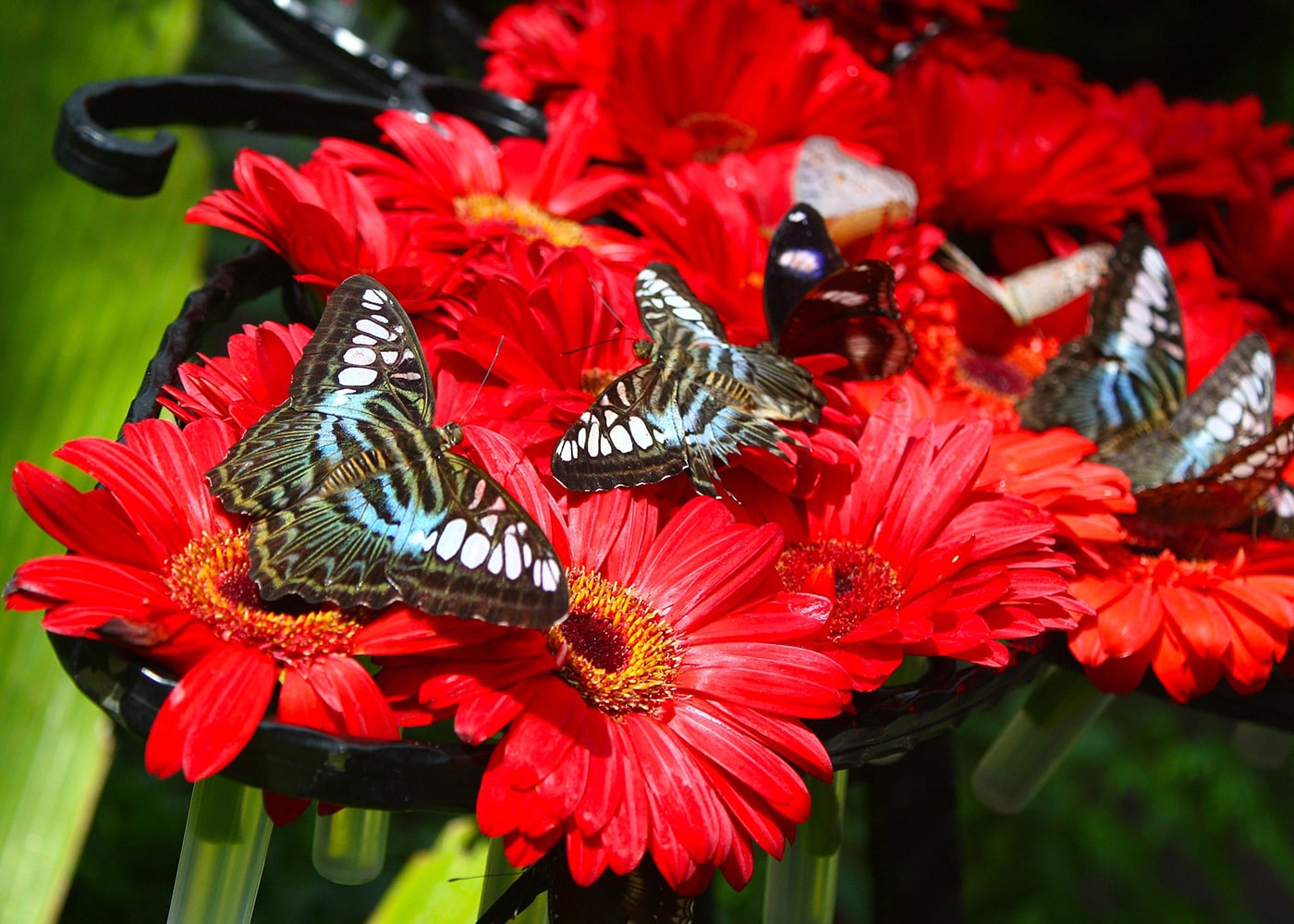
Attracts various bees, butterflies, birds, and mammals.
Phonetic Spelling:oks-AL-iss korn-ee-ku-LAY-tuh
Genus:Oxalis
Species:corniculata
Family:Oxalidaceae
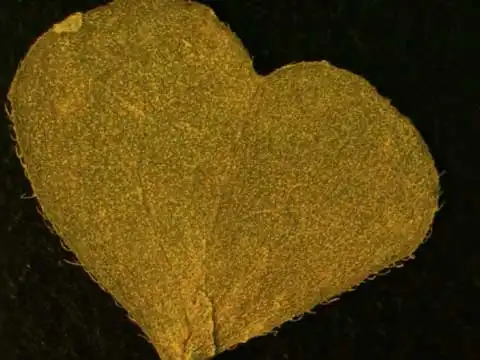
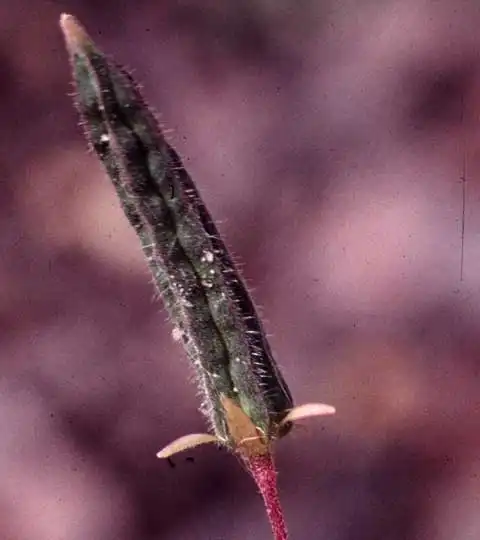
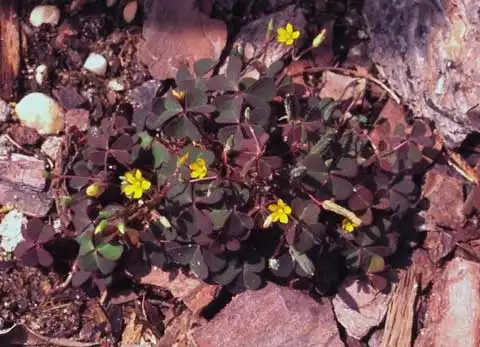
Creeping woodsorrel belongs to the Oxalidaceae family and is often regarded as a weed in various turf and garden settings. This plant thrives in warmer climates, particularly during the spring and fall, although it can be found throughout the year. It can be either annual or perennial, propagating through rhizomes, stolons, and seeds. The seeds are forcefully ejected from cylindrical pods, capable of traveling up to 16 feet, similar to the behavior of Impatiens species. These seeds do not undergo dormancy and can germinate rapidly. The flowers are a vibrant yellow, and the plant is characterized by heart-shaped leaflets on trifoliolate leaves and cylindrical seed pods. While the leaves may resemble those of clover, it is important to note that woodsorrel is not part of the legume family. The leaves exhibit a unique behavior, curling up at night and unfurling in the morning to maximize photosynthesis. It thrives in well-drained sandy-loam soils that range from dry to moist and can even grow in nutrient-poor conditions. This species bears a resemblance to the common yellow woodsorrel (Oxalis stricta L.).
**Insects and Diseases:** This plant can be infested by whiteflies and mites.
**Management of Oxalis corniculata L.:** Effective sanitation is essential for controlling creeping woodsorrel, particularly in container plants and propagation areas. It is crucial to prevent the plants from seeding. Before planting, thoroughly inspect all new plant materials for any signs of this weed. Most preemergence herbicides effectively manage woodsorrel from seed. However, once established, completely eradicating the rhizomes and stolons of woodsorrel becomes nearly impossible.
**Propagation:** Seeds.
**For more information on Oxalis,** please refer to additional resources.
Oxalis corniculata Feature Summary
Oxalis corniculata Image Gallery