Panicum amarum: Country Or Region Of Origin
Native to North America, Mexico
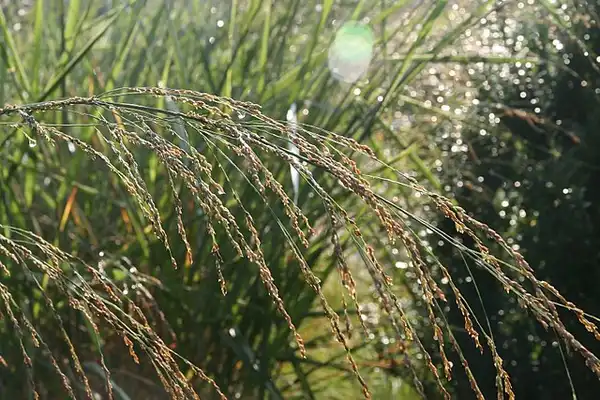

Phonetic Spelling:PAN-ih-kum a-MAHR-um
Genus:Panicum
Species:amarum
Family:Poaceae
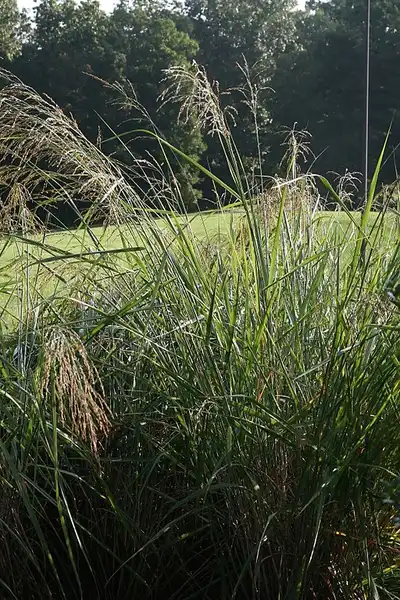
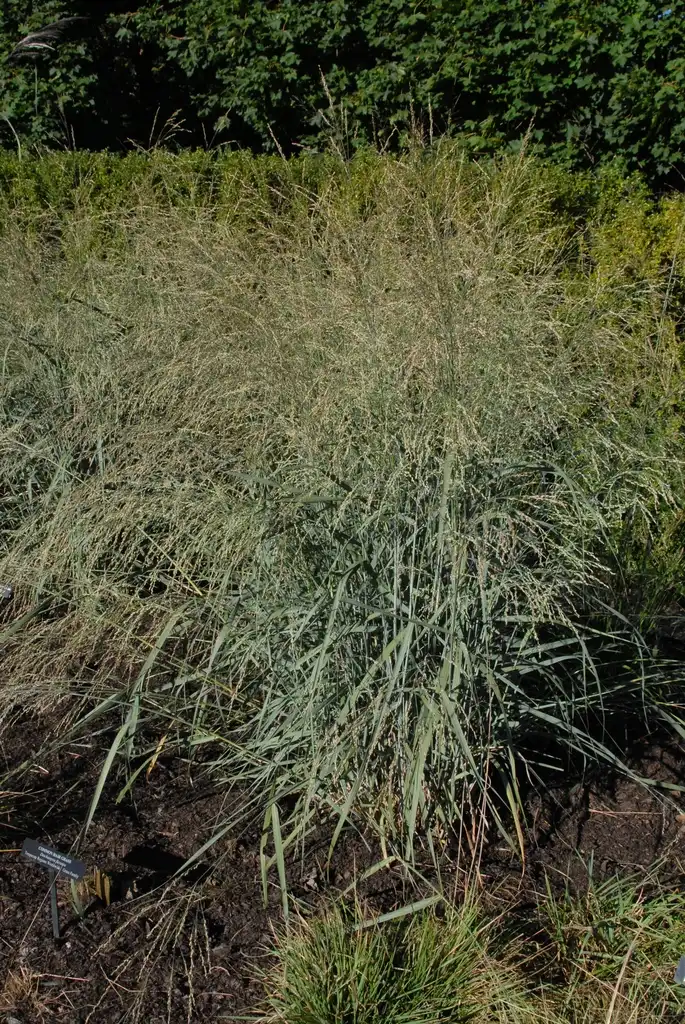
Bitter switchgrass is a warm-season ornamental perennial belonging to the Poaceae family. This grass thrives in sandy dunes and coastal regions, ranging from Connecticut down to Florida and Texas. The variety amarulum is also found in these areas, as well as in sandflats and sandhills. It thrives in well-drained soils with low to medium moisture levels, demonstrating resilience even in poor sandy loams. Along the southern coast of North Carolina, it serves as an effective dune stabilizer.
This grass forms clumps and propagates through rhizomes. To keep its shape looking appealing, it should be cut back to the ground during late winter or early spring. Bitter switchgrass integrates seamlessly into landscapes, making it an excellent choice for rain gardens or borders. It is a low-maintenance plant that requires minimal water, tolerates dry conditions, withstands drought, and is resistant to air pollution. Additionally, it exhibits a high tolerance for salt.
**Seasons of Interest:**
- **Bloom:** Fall to Winter, September to February
**Insects, Diseases, and Other Plant Issues:**
There are no significant insect or disease threats. However, excessive organic material in the soil may cause the grass to become floppy. While it can tolerate light shade, too much shade can lead to a loss of form, resulting in a more open growth habit and potential flopping.
**Propagation:**
Through rhizomes.
Panicum amarum Feature Summary