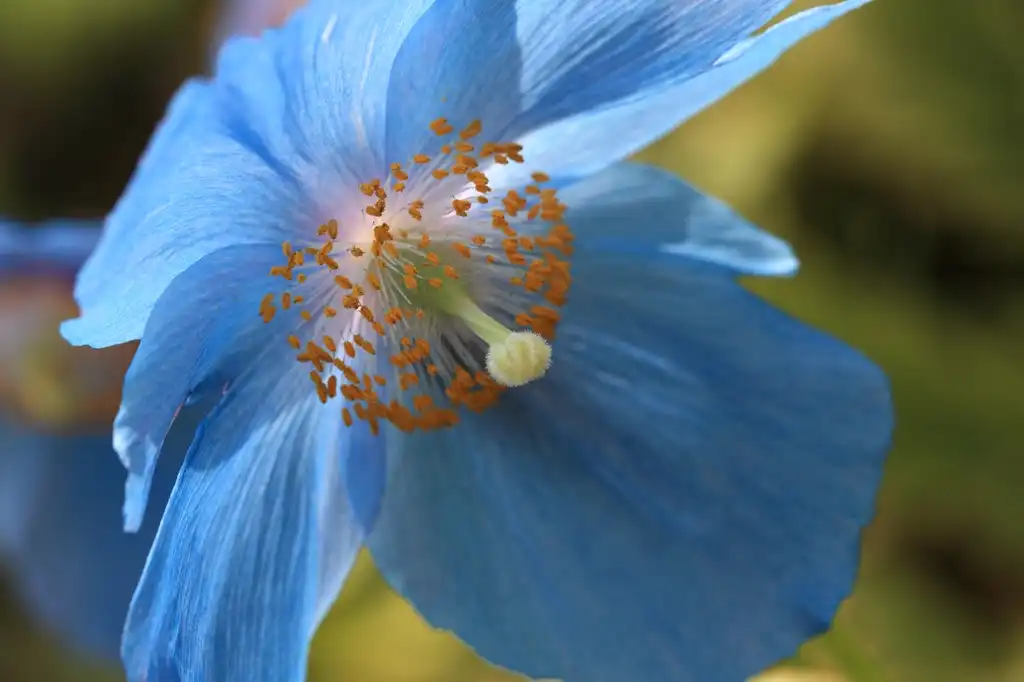
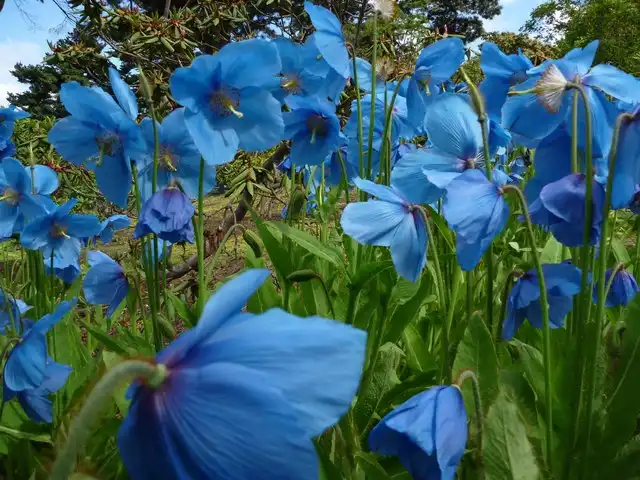
• Photo of Papaver betonicifolium (Papaver betonicifoliums)

Plant Profile: Papaver betonicifolium

Names

Blue Himalayan Poppy, Blue Poppy

  • Photo of Papaver betonicifolium (Papaver betonicifoliums)

Phonetic Spelling:puh-PAY-ver bet-on-ih-see-FOH-lee-um

Genus:Papaver

Species:betonicifolia

Family:Papaveraceae

Many gardeners are drawn to the idea of cultivating blue poppies after seeing advertisements. However, the specific conditions they need—cool temperatures, consistently moist soil, and excellent drainage throughout the year—are often difficult to provide. As a result, these plants are primarily suited for alpine rock gardens and thrive best in the Pacific Northwest. Blue poppies can naturally propagate by reseeding themselves in the garden.

Papaver betonicifolium Feature Summary

Papaver betonicifolium Image Gallery

Tags

#showy flowers
#blue
#blue flowers
#accent plant
#mass planting
#high maintenance
#mountains
#hard to grow
#rock gardens
#borders

Similar Plants

Papaver betonicifolium Feature Summary

Flowers
Early to mid-summer intense, deep blue satiny flowers appear.
Pink
White
Gold/Yellow
Blue
4-5 petals/rays
6 petals/rays
Leaves
Light green rosette of hairy leaves
Whorled
Rosulate
Whole Plant Traits
Cultural Conditions
Partial Shade (Direct sunlight only part of the day, 2-6 hours)
Dappled Sunlight (Shade through upper canopy all day)
Acid (<6.0)
Neutral (6.0-8.0)
Good Drainage
Occasionally Wet
Mountains
Landscape
Rock Garden
Border
Mass Planting
Accent
Specimen

Papaver betonicifolium Attributes

Papaver betonicifolium: Country Or Region Of Origin

China
Papaver betonicifolium: Distribution

Mountains- Pacific NW best

Papaver betonicifolium: Life Cycle

Annual
Biennial
Bulb
Perennial
Woody

Papaver betonicifolium: Recommended Propagation Strategy

Division
Grafting
Layering
Leaf Cutting
Root Cutting
Seed
Stem Cutting

Papaver betonicifolium Flowers

Papaver betonicifolium: Flower Description

Early to mid-summer intense, deep blue satiny flowers appear.

Papaver betonicifolium: Flower Color

filter_vintage
Blue
filter_vintage
Gold/Yellow
filter_vintage
Pink
filter_vintage
White

Papaver betonicifolium: Flower Value To Gardener

Edible
Fragrant
Good Cut
Good Dried
Long Bloom Season
Long-lasting
Showy

Papaver betonicifolium: Flower Bloom Time

Winter
Spring
Summer
Fall

Papaver betonicifolium: Flower Petals

2-3 rays/petals
4-5 petals/rays
6 petals/rays
7 - 20 petals/rays
asymmetrical petals
Bracts
Colored Sepals
fused petals
more than 20 petals/rays
Tepals

Papaver betonicifolium Leaves

Papaver betonicifolium: Leaf Description

Light green rosette of hairy leaves

Papaver betonicifolium: Leaf Color

spa
Green

Papaver betonicifolium: Leaf Arrangement

Alternate
Opposite
Other/more complex
Rosulate
Whorled

Papaver betonicifolium: Hairs Present

No
Yes

Papaver betonicifolium Whole Plant Traits

Papaver betonicifolium: Plant Type

Annual
Bulb
Carnivorous
Edible
Epiphyte
Fern
Ground Cover
Herb
Herbaceous Perennial
Houseplant
Mushroom
Native Plant
Ornamental Grasses and Sedges
Perennial
Poisonous
Rose
Shrub
Succulent
Tree
Turfgrass
Vegetable
Vine
Water Plant
Weed
Wildflower

Papaver betonicifolium: Habit/Form

Arching
Ascending
Broad
Cascading
Climbing
Clumping
Columnar
Conical
Creeping
Dense
Erect
Horizontal
Irregular
Mounding
Multi-stemmed
Multi-trunked
Open
Oval
Prostrate
Pyramidal
Rounded
Spreading
Vase
Weeping

Papaver betonicifolium: Growth Rate

Slow
Medium
Rapid

Papaver betonicifolium: Maintenance

Low
Medium
High

Papaver betonicifolium Cultural Conditions

Papaver betonicifolium: Light

Dappled Sunlight (Shade through upper canopy all day)
Deep shade (Less than 2 hours to no direct sunlight)
Full sun (6 or more hours of direct sunlight a day)
Partial Shade (Direct sunlight only part of the day, 2-6 hours)

Papaver betonicifolium: Soil pH

Acid (<6.0)
Alkaline (>8.0)
Neutral (6.0-8.0)

Papaver betonicifolium: Soil Drainage

Frequent Standing Water
Good Drainage
Moist
Occasional Flooding
Occasionally Dry
Occasionally Wet
Very Dry

Papaver betonicifolium: Available Space To Plant

12 inches-3 feet
12-24 feet
24-60 feet
3 feet-6 feet
6-feet-12 feet
Less than 12 inches
more than 60 feet

Papaver betonicifolium: NC Region

Coastal
Mountains
Piedmont

Papaver betonicifolium: USDA Plant Hardiness Zone

thermostat
3a
thermostat
3b
thermostat
4a
thermostat
4b
thermostat
5a
thermostat
6b
thermostat
7a
thermostat
7b

Papaver betonicifolium: Soil Texture

Clay
High Organic Matter
Loam (Silt)
Sand
Shallow Rocky

Papaver betonicifolium Stem

Papaver betonicifolium: Stem Is Aromatic

No
Yes

Papaver betonicifolium Landscape

Papaver betonicifolium: Landscape Theme

Asian Garden
Butterfly Garden
Children's Garden
Cottage Garden
Cutting Garden
Drought Tolerant Garden
Edible Garden
English Garden
Fairy Garden
Garden for the Blind
Native Garden
Nighttime Garden
Pollinator Garden
Rain Garden
Rock Garden
Shade Garden
Water Garden
Winter Garden

Papaver betonicifolium: Design Feature

Accent
Barrier
Border
Flowering Tree
Foundation Planting
Hedge
Mass Planting
Screen/Privacy
Security
Shade Tree
Small groups
Small Tree
Specimen
Street Tree
Understory Tree

Papaver betonicifolium: Resistance To Challenges

Black Walnut
Compaction
Deer
Diseases
Drought
Dry Soil
Erosion
Fire
Foot Traffic
Heat
Heavy Shade
Humidity
Insect Pests
Pollution
Poor Soil
Rabbits
Salt
Slugs
Squirrels
Storm damage
Urban Conditions
Voles
Wet Soil
Wind

Papaver betonicifolium: Landscape Location

Coastal
Container
Hanging Baskets
Houseplants
Lawn
Meadow
Naturalized Area
Near Septic
Patio
Pond
Pool/Hardscape
Recreational Play Area
Riparian
Rock Wall
Slope/Bank
Small Space
Vertical Spaces
Walkways
Woodland