Plant Profile: Paxillus involutus

Names

Brown Roll-Rim, Common Roll-Rim, Naked Brimcap, Poison Paxillus

  • Photo of Paxillus involutus (Paxillus involutuss)

Phonetic Spelling:PAKS-il-us in-vol-OO-tus

Genus:Paxillus

Species:involutus

Family:Paxillaceae

A fungus belonging to the Paxillaceae family, this mushroom can be discovered either alone or in clusters, typically growing on the forest floor or decaying wood within mixed hardwood and coniferous forests throughout the United States. Toxicity reports vary significantly; while it is deemed edible in the western regions, it is not considered safe in the eastern parts of the country. European sources classify it as highly toxic. At present, it is regarded as potentially fatal and should not be ingested.

Identification Checklist:

Paxillus involutus Feature Summary

Paxillus involutus Image Gallery

Tags

#poisonous
#poisonous mushrooms
#mushrooms

Similar Plants

Paxillus involutus Feature Summary

Attributes
Poisonous to Humans
HIGHLY TOXIC, MAY BE FATAL IF EATEN! May appear within an hour of ingestion and can include an acid-sour taste, cold extremities, stomach cramps, sweating, weakness and coma. A separate set of symptoms can occur and may be reflective of the degree of cooking; they are centered around kidney functions. There is no antidote.
Whole Plant Traits
Poisonous
Mushroom
Cultural Conditions
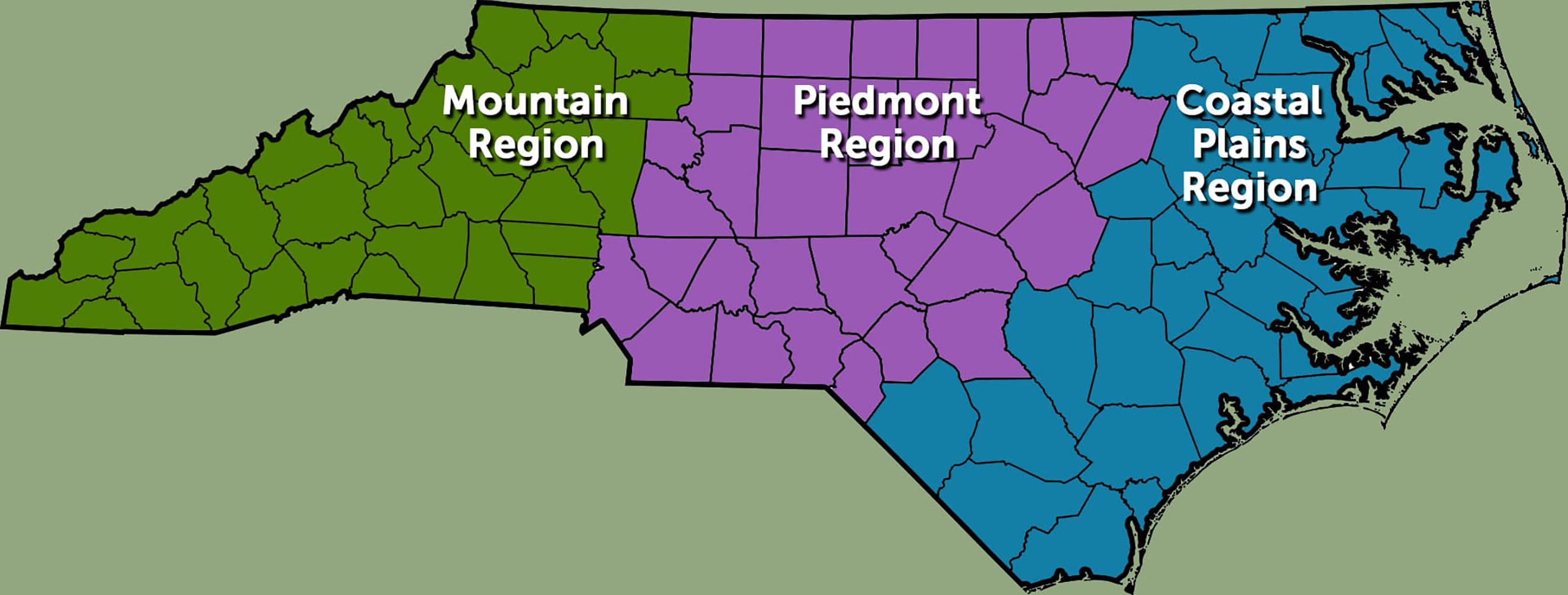
Mountains
Piedmont
Landscape
Woodland
Naturalized Area
Poisonous to Humans

Paxillus involutus Attributes

Paxillus involutus: Country Or Region Of Origin

USA, NC

Paxillus involutus: Edibility

NOT EDIBLE!

Paxillus involutus Poisonous to Humans

Paxillus involutus: Poison Symptoms

HIGHLY TOXIC, MAY BE FATAL IF EATEN! May appear within an hour of ingestion and can include an acid-sour taste, cold extremities, stomach cramps, sweating, weakness and coma. A separate set of symptoms can occur and may be reflective of the degree of cooking; they are centered around kidney functions. There is no antidote.

Paxillus involutus: Poison Toxic Principle

An antigen

Paxillus involutus: Poison Severity

High
Low
Medium

Paxillus involutus: Causes Contact Dermatitis

No
Yes

Paxillus involutus: Poison Part

Bark
Flowers
Fruits
Leaves
Roots
Sap/Juice
Seeds
Stems

Paxillus involutus Whole Plant Traits

Paxillus involutus: Plant Type

Annual
Bulb
Carnivorous
Edible
Epiphyte
Fern
Ground Cover
Herb
Herbaceous Perennial
Houseplant
Mushroom
Native Plant
Ornamental Grasses and Sedges
Perennial
Poisonous
Rose
Shrub
Succulent
Tree
Turfgrass
Vegetable
Vine
Water Plant
Weed
Wildflower

Paxillus involutus Cultural Conditions

Paxillus involutus: NC Region

Coastal
Mountains
Piedmont

Paxillus involutus Leaves

Paxillus involutus: Hairs Present

No
Yes

Paxillus involutus: Leaf Feel

Fleshy
Glossy
Leathery
Papery
Prickly
Rough
Rubbery
Slippery
Smooth
Soft
Velvety
Waxy

Paxillus involutus Stem

Paxillus involutus: Stem Color

grass
Brown/Copper

Paxillus involutus: Stem Is Aromatic

No
Yes

Paxillus involutus Landscape

Paxillus involutus: Landscape Location

Coastal
Container
Hanging Baskets
Houseplants
Lawn
Meadow
Naturalized Area
Near Septic
Patio
Pond
Pool/Hardscape
Recreational Play Area
Riparian
Rock Wall
Slope/Bank
Small Space
Vertical Spaces
Walkways
Woodland

Paxillus involutus: Problems

Allelopathic
Contact Dermatitis
Frequent Disease Problems
Frequent Insect Problems
Invasive Species
Malodorous
Messy
Poisonous to Humans
Problem for Cats
Problem for Children
Problem for Dogs
Problem for Horses
Short-lived
Spines/Thorns
Weak Wood
Weedy