Amanita bisporigera: Country Or Region Of Origin
Mexico and eastern United States
Phonetic Spelling:am-ah-NEE-tah bih-spor-ih-JAIR-uh
Genus:Amanita
Species:bisporigera
Family:Amanitaceae
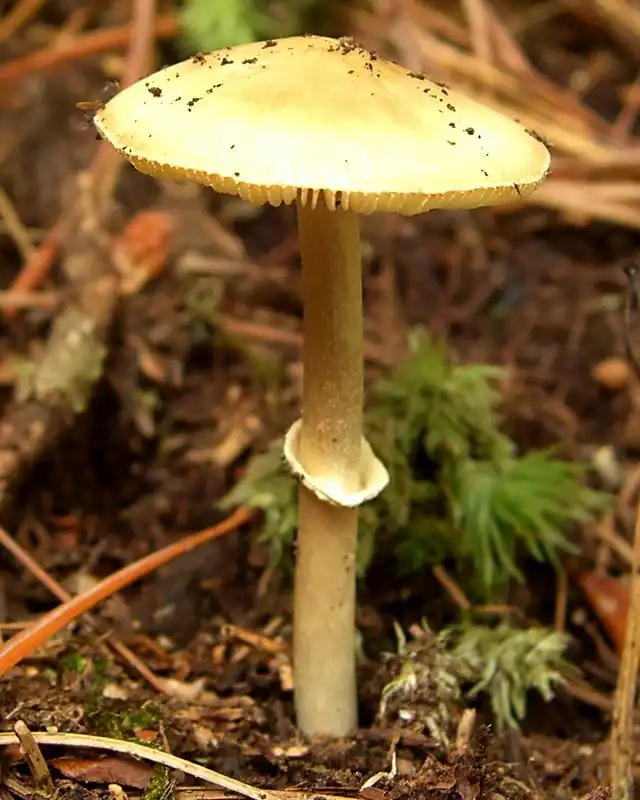
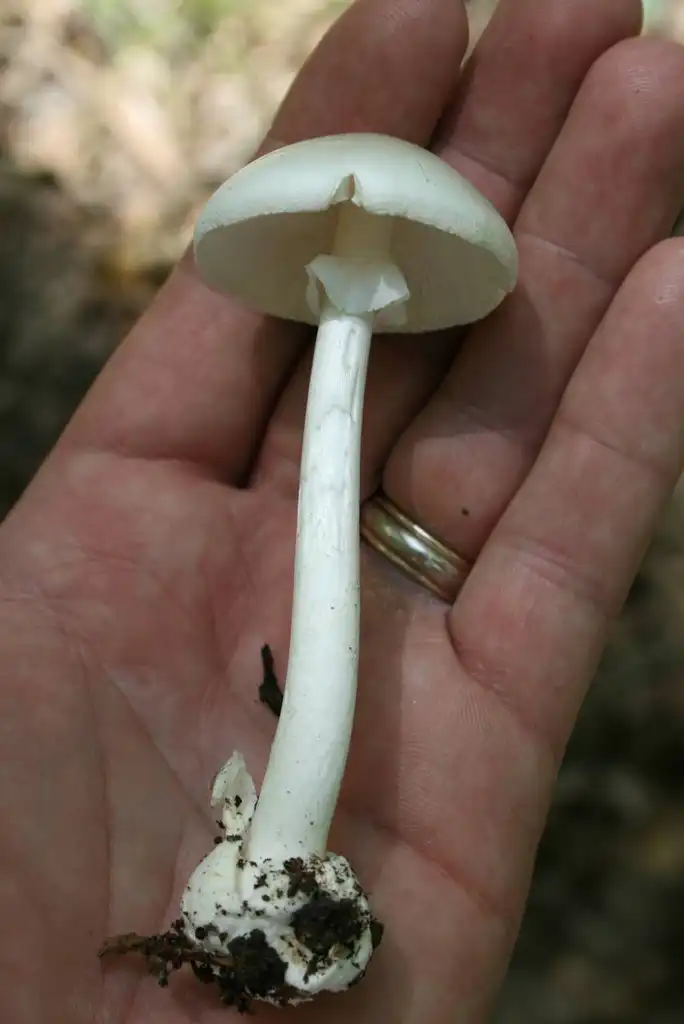
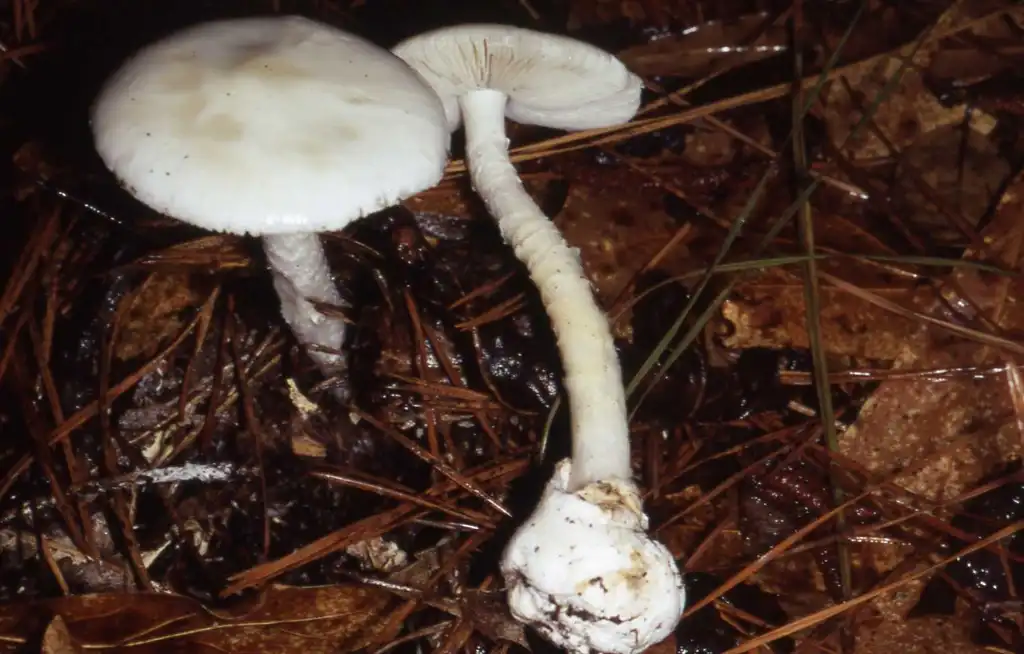
Amanita bisporigera, commonly known as the Death Angel, is a highly toxic fungus characterized by its two spores. It is smaller in size compared to its equally lethal relative, A. virosa. Consuming this mushroom can lead to a delayed onset of symptoms, which may create a misleading sense of safety for the affected individual.
This fungus typically grows either alone or in clusters on the forest floor, particularly in mixed oak-hardwood forests across eastern North America and Mexico, as well as in cultivated areas. Although it is less common in western North America, it is prevalent along the eastern coast and in Mexico, making it the most frequently encountered poisonous mushroom in these regions. The cap of the mushroom can reach up to 4 inches in diameter, featuring a smooth, white surface that gradually turns a dull tan as it matures. The gills are white, closely spaced, and not attached to the stem. The stalk is also white, with a cottony to slightly pearly texture, and may have a bulbous base. At the top of the stalk, there is a large, flaring, white annulus that is persistent, while a cup-like sheath, known as the volva, encircles the base of the stalk. The spore print produced by this mushroom is white.
Amanita bisporigera Feature Summary
Amanita bisporigera Image Gallery