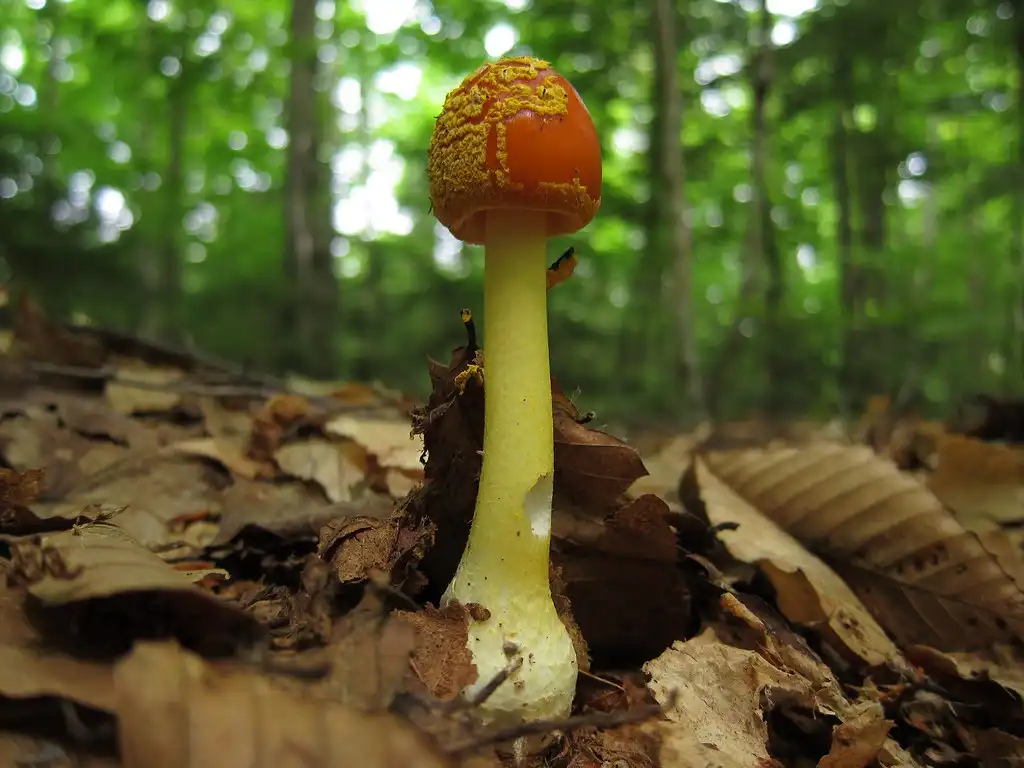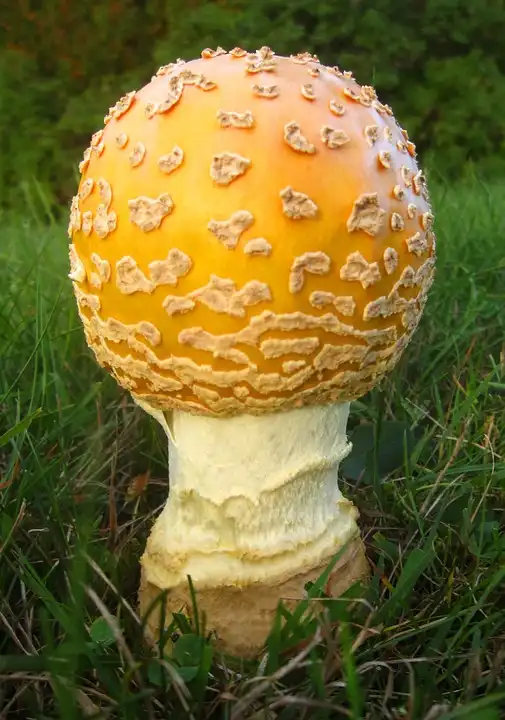
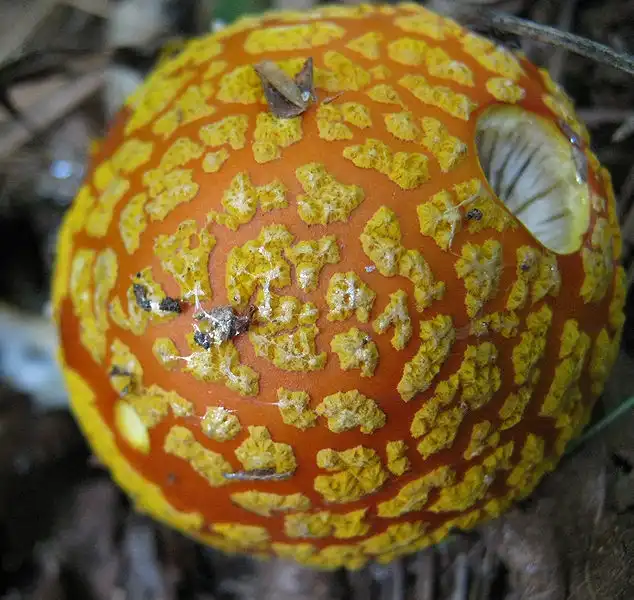
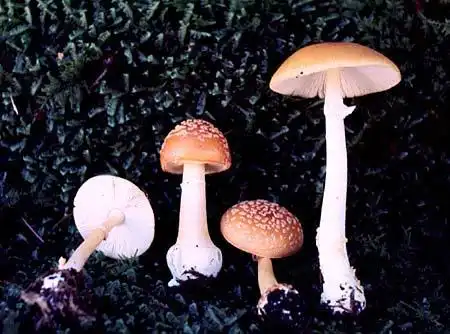
• Photo of Amanita flavoconia (Amanita flavoconias)

Plant Profile: Amanita flavoconia

Names

Yellow Patches, Yellow Wart

  • Photo of Amanita flavoconia (Amanita flavoconias)

Phonetic Spelling:am-ah-NEE-tah flah-voh-KOH-nee-ah

Genus:Amanita

Species:flavoconia

Family:Amanitaceae

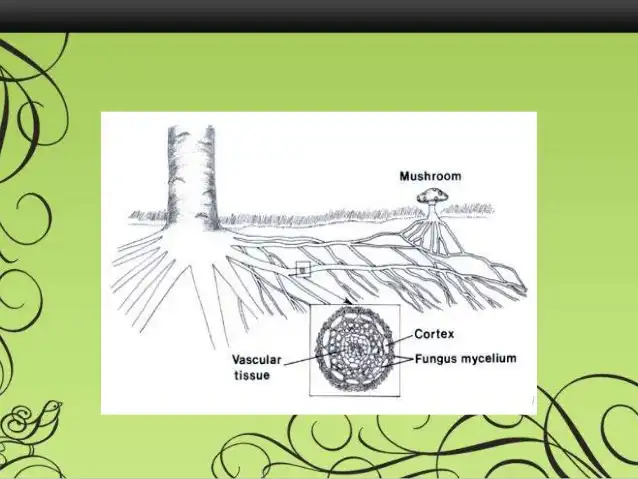
The Amanita species is frequently encountered in the Midwest and Eastern regions of North America. These mushrooms typically emerge during early to mid-summer in forested areas or natural landscapes. They can be found either alone or in scattered groups, primarily beneath hardwood trees, particularly oaks, and occasionally under pines. The mycelium of these fungi forms a symbiotic relationship with the roots of nearby host plants, known as an ectomycorrhizal association.

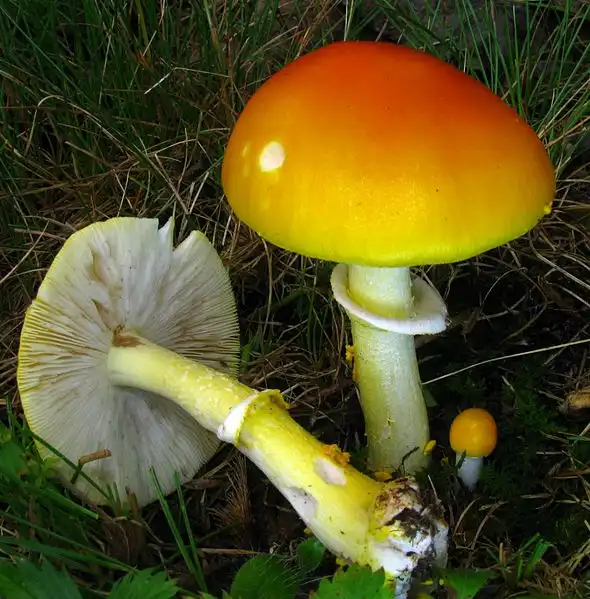
This species is believed to be toxic and is closely related to other harmful Amanita varieties, making it advisable to steer clear of them. The cap ranges from orange to yellow-orange, is sticky, and features yellow warts, measuring up to 4 inches in diameter. The gills are densely packed, white, and do not attach to the stalk. The stalk itself is pale yellow to white, with a swollen, oval base and a powdery texture. A persistent white annulus is situated near the top of the stalk, while the volva is yellow, delicate, and often remains in the soil after the mushroom is harvested. The spore print is white.

The most notable characteristic of this mushroom is found at the base of the stem, where the universal veil breaks apart, leaving behind yellow remnants.

Amanita flavoconia Feature Summary

Amanita flavoconia Image Gallery

Tags

#poisonous
#understory tree
#NC native
#forest mushroom
#non-edible mushrooms
#poisonous mushrooms
#mushrooms
#native mushroom
#fungus
#native

Similar Plants

Amanita flavoconia Feature Summary

Attributes
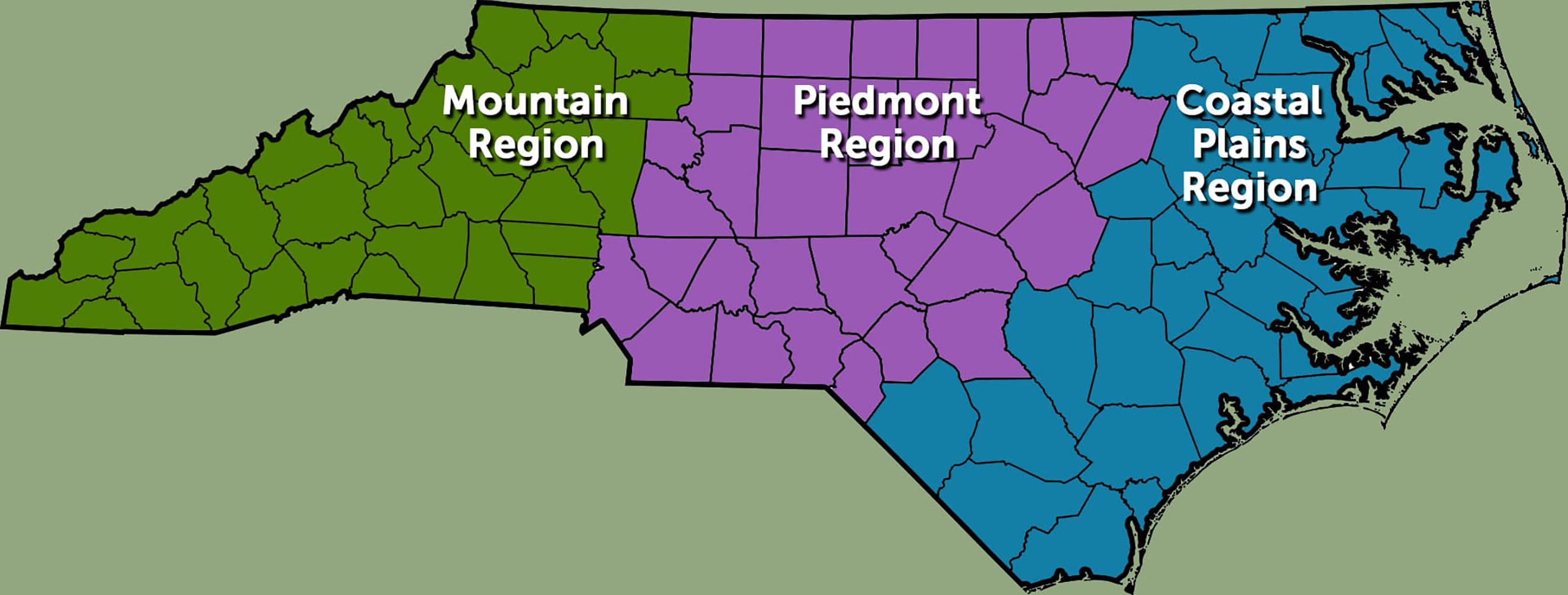
Throughout NC (more common in Piedmont & Coastal Plain regions)
Colorful
Stem
2-4" long, 1/4-5/8" thick, with basal bulb. Smooth to scruffy.
Gold/Yellow
White
Poisonous to Humans
HIGHLY TOXIC, MAY BE FATAL IF EATEN! Poisonous through ingestion. (Poisonous part: mushroom). Symptoms: Apparently, little has been documented on this specific species, but it is expected to produce symptoms similar to other Amanita species: nausea, vomiting, dizziness, abdominal pains, etc. Symtoms occur 30 minutes to several hours after ingesting.
This species is suspected to be toxic and is related to other known toxic species of Amanita and should be avoided.
Stems
Roots
Whole Plant Traits
Poisonous
Mushroom
Cultural Conditions
Deep shade (Less than 2 hours to no direct sunlight)
Coastal
Mountains
Piedmont
Landscape
Woodland
Meadow
Naturalized Area
Coastal
Pond
Poisonous to Humans

Amanita flavoconia Attributes

Amanita flavoconia: Country Or Region Of Origin

USA, NC
Amanita flavoconia: Distribution

Throughout NC (more common in Piedmont & Coastal Plain regions)

Amanita flavoconia: Play Value

Attractive Flowers
Attracts Pollinators
Buffer
Colorful
Defines Paths
Easy to Grow
Edible fruit
Fragrance
Pieces Used in Games
Screening
Shade
Sound
Textural
Wildlife Cover/Habitat
Wildlife Food Source
Wildlife Larval Host
Wildlife Nesting
Wind Break
Wind Shimmer

Amanita flavoconia Stem

Amanita flavoconia: Stem Description

2-4" long, 1/4-5/8" thick, with basal bulb. Smooth to scruffy.

Amanita flavoconia: Stem Color

grass
Gold/Yellow
grass
White

Amanita flavoconia: Stem Is Aromatic

No
Yes

Amanita flavoconia Poisonous to Humans

Amanita flavoconia: Poison Symptoms

HIGHLY TOXIC, MAY BE FATAL IF EATEN! Poisonous through ingestion. (Poisonous part: mushroom). Symptoms: Apparently, little has been documented on this specific species, but it is expected to produce symptoms similar to other Amanita species: nausea, vomiting, dizziness, abdominal pains, etc. Symtoms occur 30 minutes to several hours after ingesting.

Amanita flavoconia: Poison Toxic Principle

This species is suspected to be toxic and is related to other known toxic species of Amanita and should be avoided.

Amanita flavoconia: Poison Severity

High
Low
Medium

Amanita flavoconia: Causes Contact Dermatitis

No
Yes

Amanita flavoconia: Poison Part

Bark
Flowers
Fruits
Leaves
Roots
Sap/Juice
Seeds
Stems

Amanita flavoconia Whole Plant Traits

Amanita flavoconia: Plant Type

Annual
Bulb
Carnivorous
Edible
Epiphyte
Fern
Ground Cover
Herb
Herbaceous Perennial
Houseplant
Mushroom
Native Plant
Ornamental Grasses and Sedges
Perennial
Poisonous
Rose
Shrub
Succulent
Tree
Turfgrass
Vegetable
Vine
Water Plant
Weed
Wildflower

Amanita flavoconia: Habit/Form

Arching
Ascending
Broad
Cascading
Climbing
Clumping
Columnar
Conical
Creeping
Dense
Erect
Horizontal
Irregular
Mounding
Multi-stemmed
Multi-trunked
Open
Oval
Prostrate
Pyramidal
Rounded
Spreading
Vase
Weeping

Amanita flavoconia Cultural Conditions

Amanita flavoconia: Light

Dappled Sunlight (Shade through upper canopy all day)
Deep shade (Less than 2 hours to no direct sunlight)
Full sun (6 or more hours of direct sunlight a day)
Partial Shade (Direct sunlight only part of the day, 2-6 hours)

Amanita flavoconia: NC Region

Coastal
Mountains
Piedmont

Amanita flavoconia Leaves

Amanita flavoconia: Hairs Present

No
Yes

Amanita flavoconia Landscape

Amanita flavoconia: Landscape Location

Coastal
Container
Hanging Baskets
Houseplants
Lawn
Meadow
Naturalized Area
Near Septic
Patio
Pond
Pool/Hardscape
Recreational Play Area
Riparian
Rock Wall
Slope/Bank
Small Space
Vertical Spaces
Walkways
Woodland

Amanita flavoconia: Problems

Allelopathic
Contact Dermatitis
Frequent Disease Problems
Frequent Insect Problems
Invasive Species
Malodorous
Messy
Poisonous to Humans
Problem for Cats
Problem for Children
Problem for Dogs
Problem for Horses
Short-lived
Spines/Thorns
Weak Wood
Weedy