Amanita virosa: Country Or Region Of Origin
Europe, Asia
Phonetic Spelling:am-ah-NEE-tah vir-OH-suh
Genus:Amanita
Species:virosa
Family:Amanitaceae
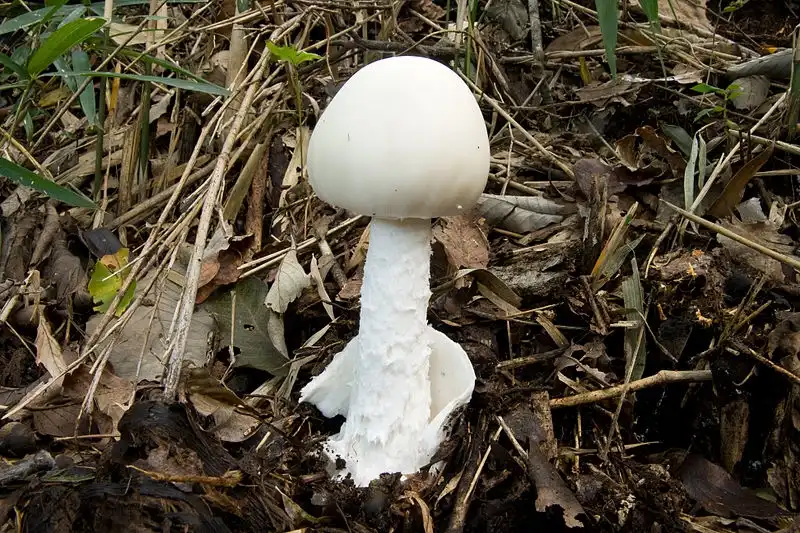
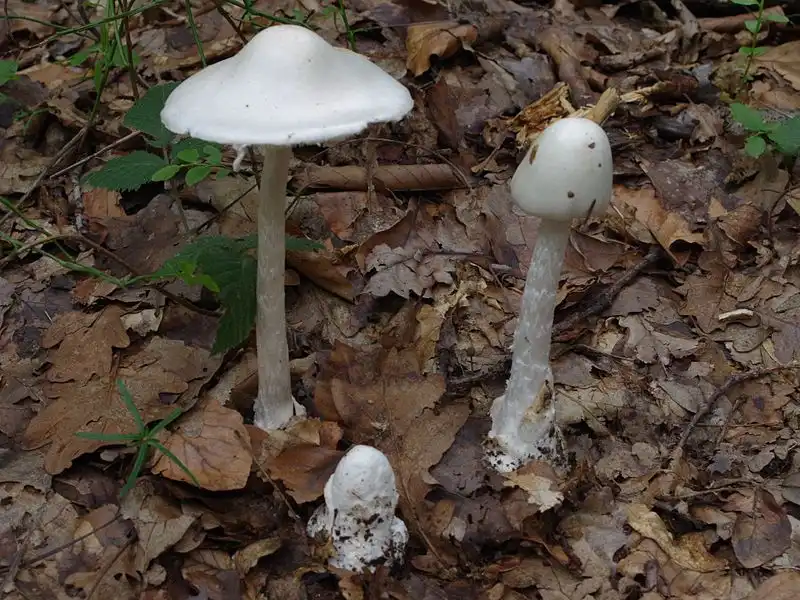
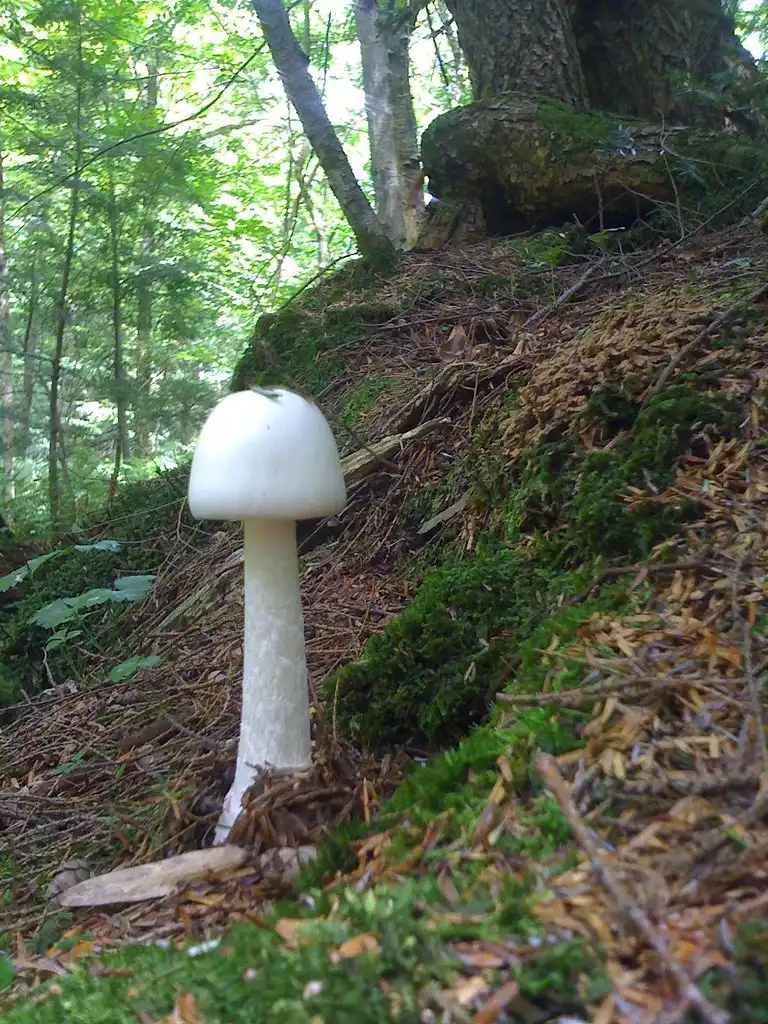
Amanita virosa, commonly referred to as the Death Angel, is a highly toxic mushroom indigenous to Europe, where it is often called the Destroying Angel. This species thrives in mixed oak-hardwood conifer forests, as well as in various natural settings and landscaped areas, typically appearing either alone or in small clusters. It is important to note that while A. virosa is absent from North America, other toxic relatives within the Amanita genus, such as A. bisporigera, can be found there.
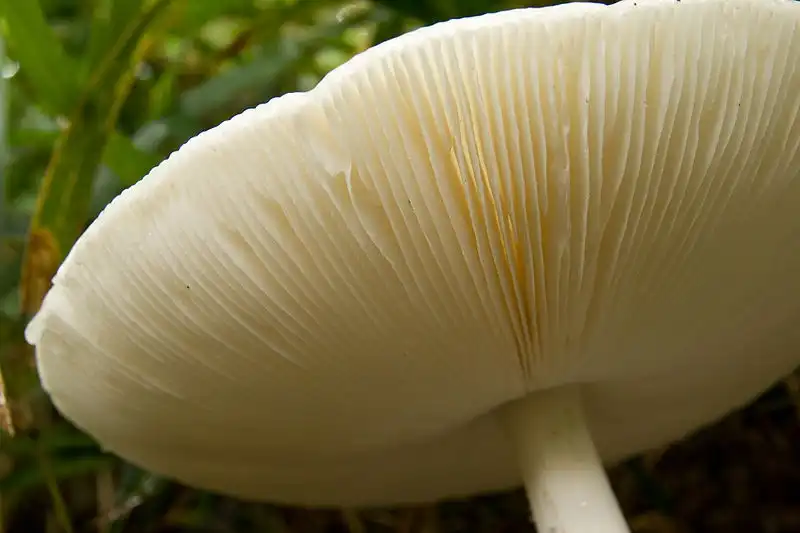
The cap of A. virosa is predominantly white and smooth, with the center potentially darkening to a dull tan as it matures. Its gills are also white, closely spaced, and not attached to the stem. The stalk is white and has a cottony to slightly pearly texture, often featuring a bulbous base. At the top of the stalk, there is a prominent, large, white annulus (ring) that flares outward and remains intact. Additionally, a white, cup-like structure known as the volva is present at the base of the stalk. The spore print produced by this mushroom is white.
In comparison to A. bisporigera, A. virosa is larger but shares the same level of toxicity. Key identifying features of this mushroom include its distinctive annulus and volva. When consumed, A. virosa can create a deceptive lag period after the onset of initial symptoms, which may lead the affected individual to mistakenly believe that the worst has passed.
Amanita virosa Feature Summary