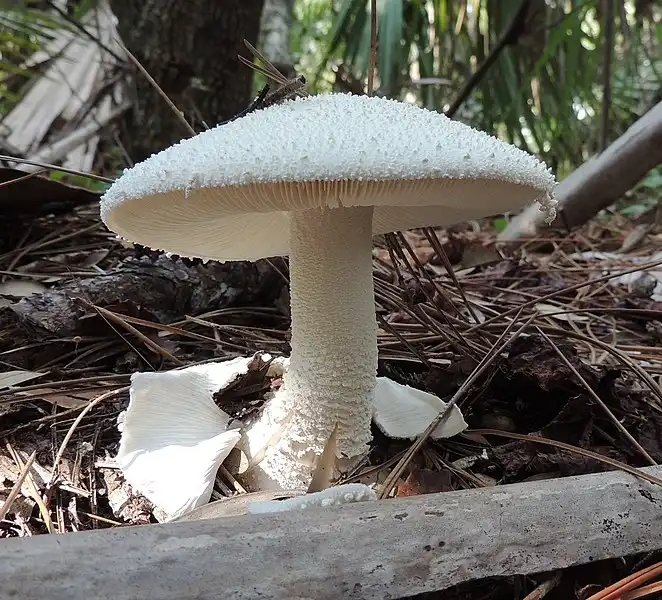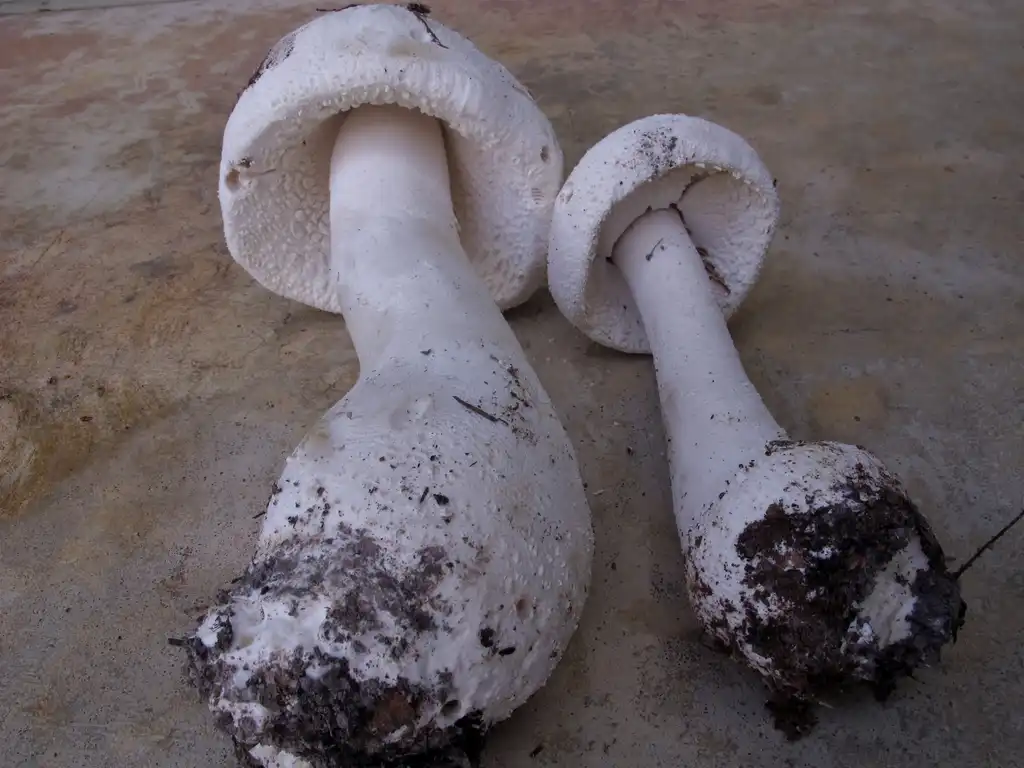
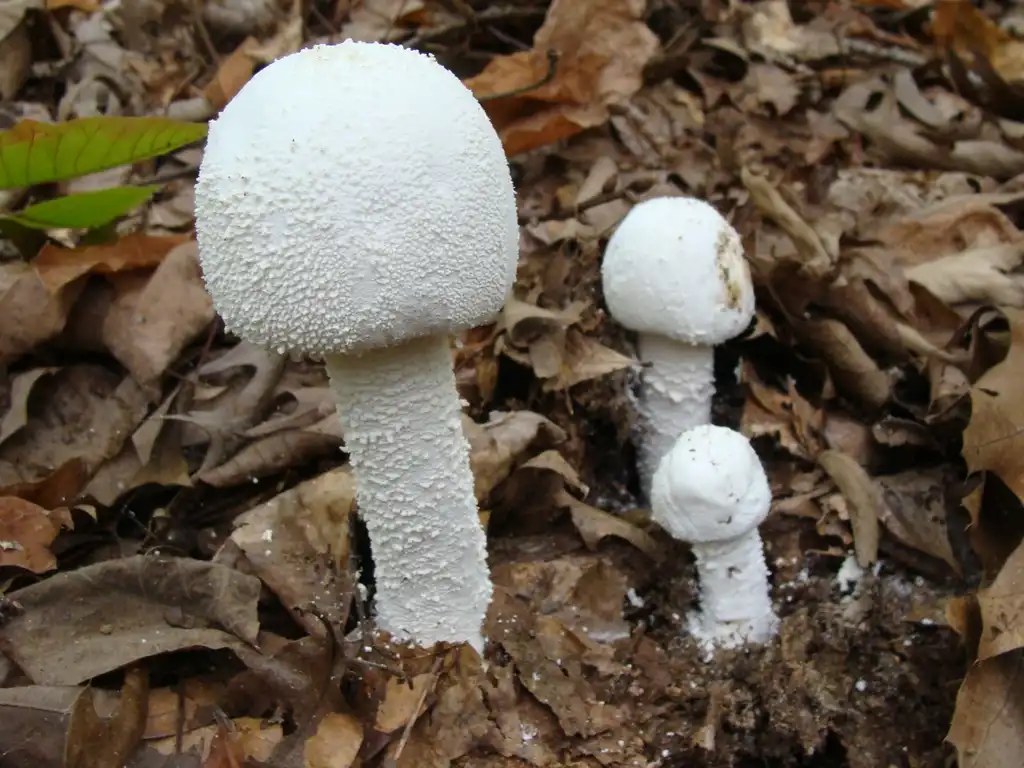
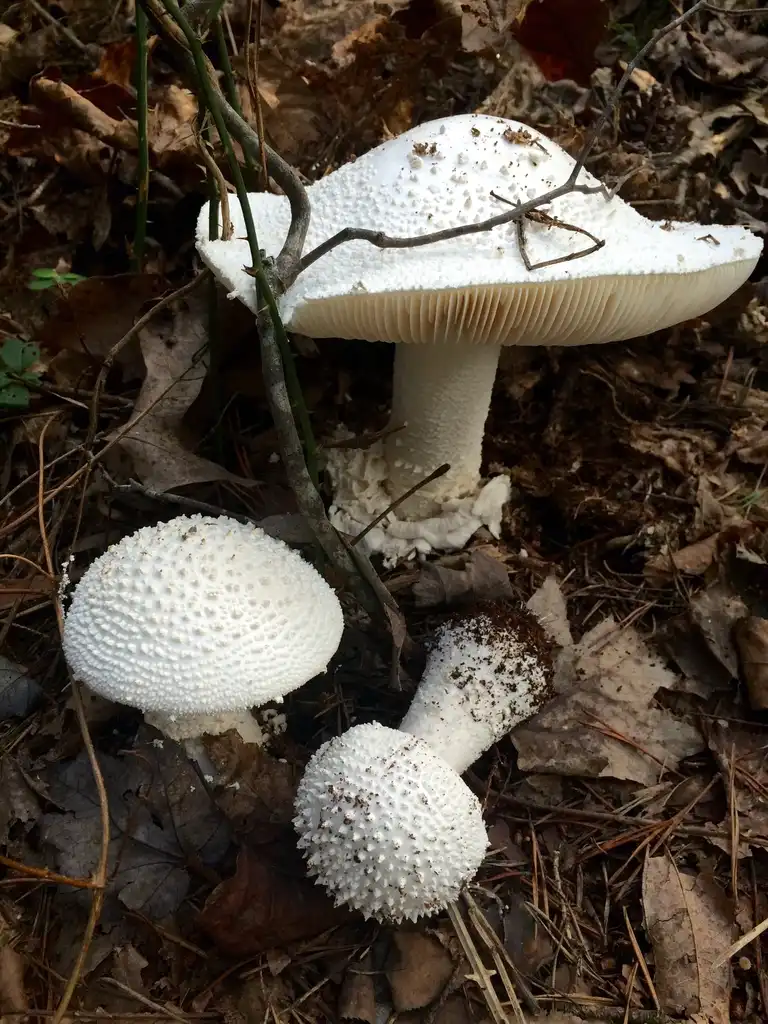
• Photo of Amanita polypyramis (Amanita polypyramiss)

Plant Profile: Amanita polypyramis

Names

Many Warts

  • Photo of Amanita polypyramis (Amanita polypyramiss)

Phonetic Spelling:am-ah-NEE-tah poh-lee-pih-RAY-mis

Genus:Amanita

Species:polypyramis

Family:Amanitaceae

This species belongs to a group of large, pale Amanita mushrooms known for their distinct chlorine scent, and all are believed to be toxic.

The cap can reach up to 8 inches across, featuring a white surface adorned with cottony scales. The gills are white, moderately spaced, and detached from the stem. The stem itself is robust and significantly swollen at the base. The annulus, or ring, is large, white, and delicate, often breaking away from the cap in sizable patches or clinging to its edge in large sections, with scales present on its underside. The spore print is white, and fresh specimens emit a strong chlorine odor.

These mushrooms are typically found in forests or natural settings, often growing alone in mixed oak-pine woodlands.

Amanita polypyramis Feature Summary

Amanita polypyramis Image Gallery

Tags

#poisonous
#forest mushroom
#non-edible mushrooms
#poisonous mushrooms
#unpleasant fragrance
#fungus

Similar Plants

Amanita polypyramis Feature Summary

Attributes
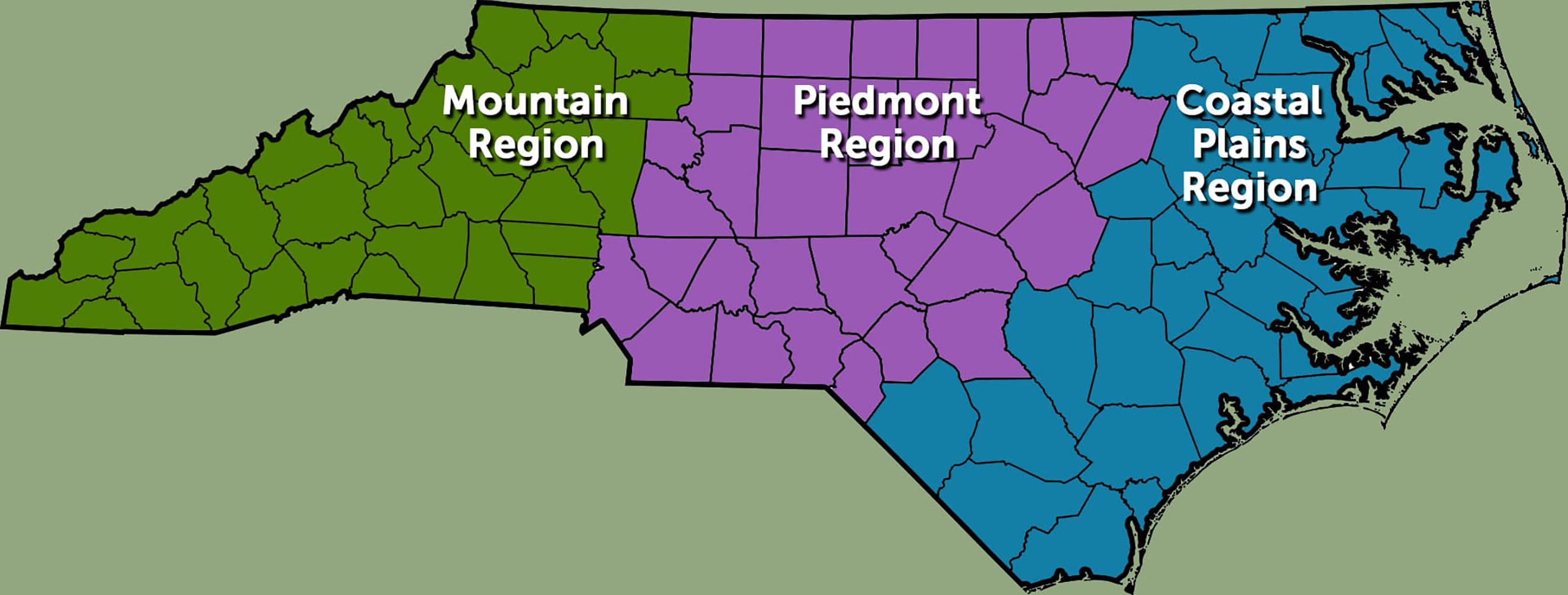
Throughout NC (chiefly in the Piedmont and Coastal Plain)
NOT EDIBLE!
Poisonous to Humans
HIGHLY TOXIC, MAY BE FATAL IF EATEN! Poisonous through ingestion. (Poison part: mushroom). Symptoms: Apparently little has been documented on this specific species, but it is expected to produce symptoms similar to other Amanita species: nausea, vomiting, dizziness, abdominal pains, etc. Symptoms occur 30 minutes to several hours after ingesting.
Seeds
Leaves
Stems
Flowers
Bark
Fruits
Roots
Whole Plant Traits
Poisonous
Cultural Conditions
Coastal
Mountains
Piedmont
Landscape
Poisonous to Humans

Amanita polypyramis Attributes

Amanita polypyramis: Country Or Region Of Origin

USA, NC
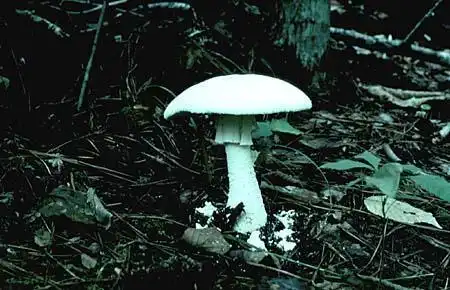
Amanita polypyramis: Distribution

Throughout NC (chiefly in the Piedmont and Coastal Plain)

Amanita polypyramis: Edibility

NOT EDIBLE!

Amanita polypyramis Poisonous to Humans

Amanita polypyramis: Poison Symptoms

HIGHLY TOXIC, MAY BE FATAL IF EATEN! Poisonous through ingestion. (Poison part: mushroom). Symptoms: Apparently little has been documented on this specific species, but it is expected to produce symptoms similar to other Amanita species: nausea, vomiting, dizziness, abdominal pains, etc. Symptoms occur 30 minutes to several hours after ingesting.

Amanita polypyramis: Poison Toxic Principle

Unknown

Amanita polypyramis: Poison Severity

High
Low
Medium

Amanita polypyramis: Causes Contact Dermatitis

No
Yes

Amanita polypyramis: Poison Part

Bark
Flowers
Fruits
Leaves
Roots
Sap/Juice
Seeds
Stems

Amanita polypyramis Whole Plant Traits

Amanita polypyramis: Plant Type

Annual
Bulb
Carnivorous
Edible
Epiphyte
Fern
Ground Cover
Herb
Herbaceous Perennial
Houseplant
Mushroom
Native Plant
Ornamental Grasses and Sedges
Perennial
Poisonous
Rose
Shrub
Succulent
Tree
Turfgrass
Vegetable
Vine
Water Plant
Weed
Wildflower

Amanita polypyramis Cultural Conditions

Amanita polypyramis: NC Region

Coastal
Mountains
Piedmont

Amanita polypyramis Leaves

Amanita polypyramis: Hairs Present

No
Yes

Amanita polypyramis Stem

Amanita polypyramis: Stem Is Aromatic

No
Yes

Amanita polypyramis Landscape

Amanita polypyramis: Problems

Allelopathic
Contact Dermatitis
Frequent Disease Problems
Frequent Insect Problems
Invasive Species
Malodorous
Messy
Poisonous to Humans
Problem for Cats
Problem for Children
Problem for Dogs
Problem for Horses
Short-lived
Spines/Thorns
Weak Wood
Weedy