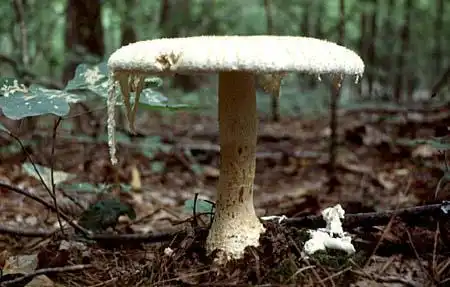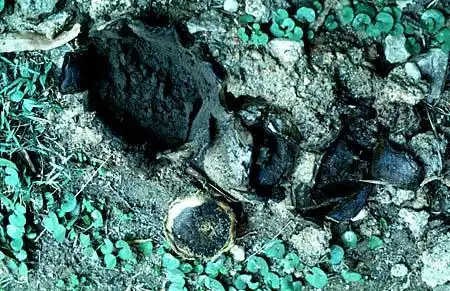
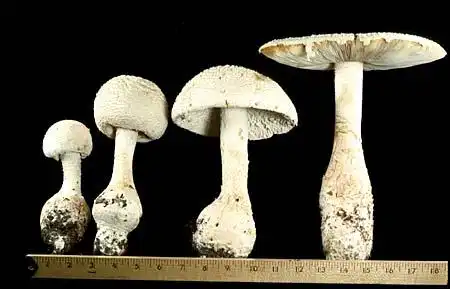
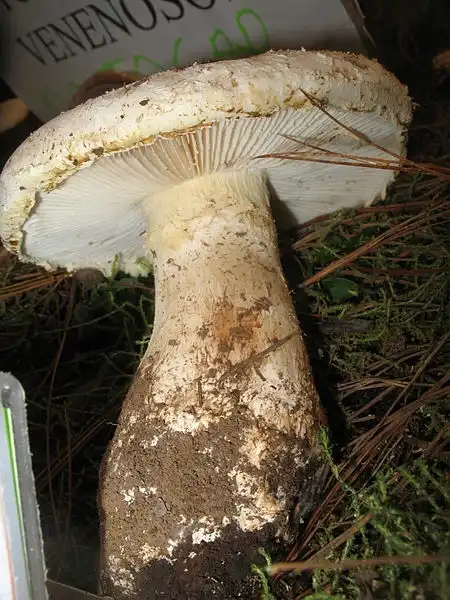
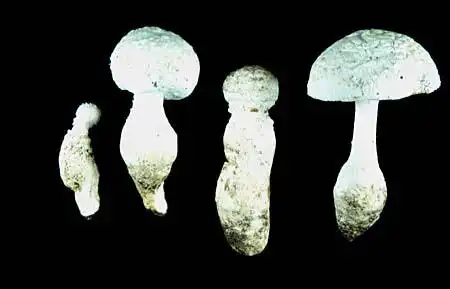
• Photo of Amanita chlorinosma (Amanita chlorinosmas)

Plant Profile: Amanita chlorinosma

Names

Chlorine Lepidella

  • Photo of Amanita chlorinosma (Amanita chlorinosmas)

Phonetic Spelling:am-ah-NEE-tah klor-in-OS-mah

Genus:Amanita

Species:chlorinosma

Family:Amanitaceae

The distinctive features of this mushroom include its large, powdery cap, thickened base, and a potent odor reminiscent of chlorine or decaying meat, making it easily identifiable. While there are other Amanita species that also emit a chlorine scent, they typically possess more pronounced scales and a ring (annulus) on the stalk. It is advisable to steer clear of all such Amanitas.

The cap can reach an impressive diameter of up to 10 inches, appearing whitish and adorned with dense, soft, powdery scales that may wash away in the rain. The gills are closely spaced, also whitish, with fluffy edges. The stalk is significantly swollen at the bottom, often with its lower third buried in the ground, and is white in color. The annulus is delicate and white, frequently remaining on the edges of the cap without any tissue connecting it to the stalk. The spore print is white, and a strong chlorine smell is particularly noticeable when the mushroom is broken or sealed in a container for a period.

This mushroom is typically found growing alone in wooded or natural settings, often beneath oak or pine trees, though it is less commonly found under pines.

Amanita chlorinosma Feature Summary

Amanita chlorinosma Image Gallery

Tags

#understory
#poisonous
#forest mushroom
#chlorine odor
#poisonous mushrooms
#mushrooms
#malodorus

Similar Plants

Amanita chlorinosma Feature Summary

Attributes
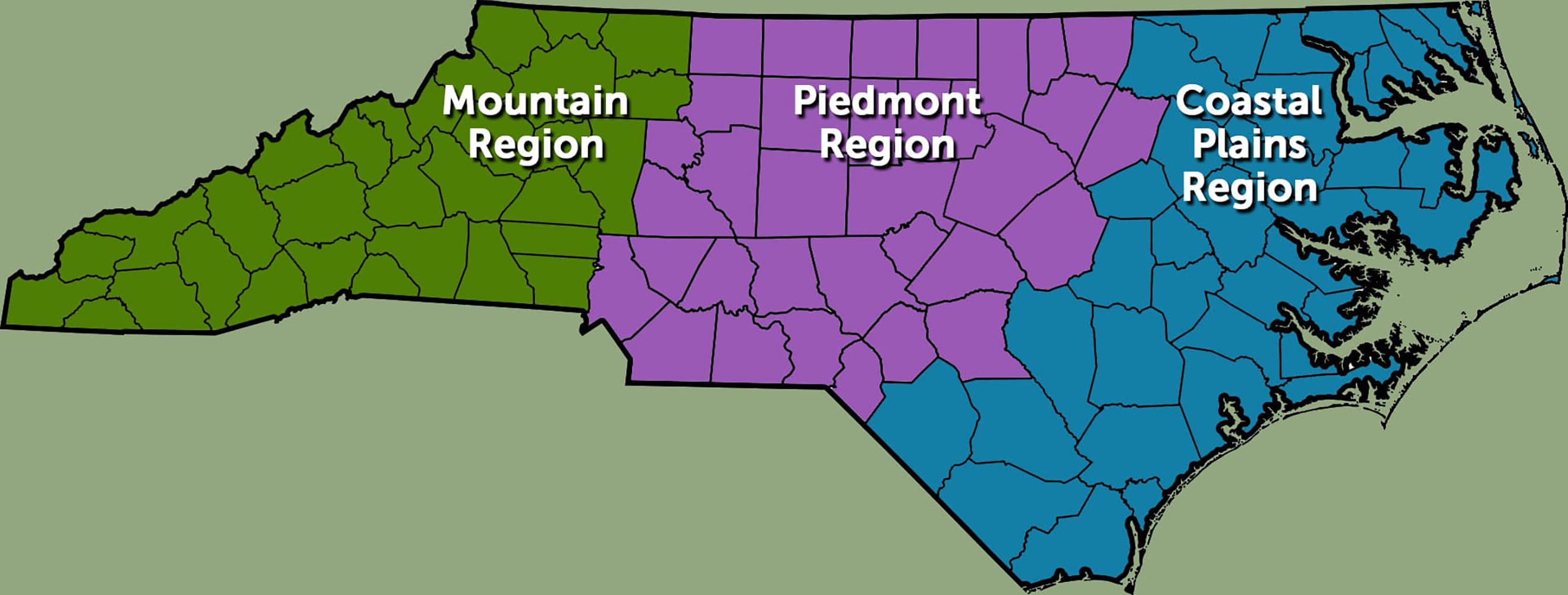
Throughout NC but chiefly in the Piedmont and Coastal Plain
NOT EDIBLE!
Perennial
Shade
Textural
Stem
The stem is up to 4.5" tall. The lower 1/3 of the stem narrows until reaching the upper 2/3, remains equal in width.
Straight
Enclosed in more than 2 scales
Poisonous to Humans
HIGHLY TOXIC MAY BE FATAL IF EATEN! Poisonous through ingestion (Poisonous part: mushroom). Symptoms: Strongly suspected to be toxic; apparently little has been documented on this specific species but it is expected to produce symptoms similar to other Amanita species: nausea, vomiting, dizziness, abdominal pains, etc. Symptoms occur 30 minutes to several hours after ingesting.
The large size, powdery cap, enlarged base of the stalk and strong chlorine odor make this easily recognized. There are othe
Seeds
Leaves
Stems
Flowers
Bark
Fruits
Roots
Whole Plant Traits
Poisonous
Erect
Columnar
Medium
Cultural Conditions
Deep shade (Less than 2 hours to no direct sunlight)
Coastal
Piedmont
Landscape
Woodland
Naturalized Area
Poisonous to Humans

Amanita chlorinosma Attributes

Amanita chlorinosma: Country Or Region Of Origin

USA, NC
Amanita chlorinosma: Distribution

Throughout NC but chiefly in the Piedmont and Coastal Plain

Amanita chlorinosma: Edibility

NOT EDIBLE!

Amanita chlorinosma: Life Cycle

Annual
Biennial
Bulb
Perennial
Woody

Amanita chlorinosma: Play Value

Attractive Flowers
Attracts Pollinators
Buffer
Colorful
Defines Paths
Easy to Grow
Edible fruit
Fragrance
Pieces Used in Games
Screening
Shade
Sound
Textural
Wildlife Cover/Habitat
Wildlife Food Source
Wildlife Larval Host
Wildlife Nesting
Wind Break
Wind Shimmer

Amanita chlorinosma Stem

Amanita chlorinosma: Stem Description

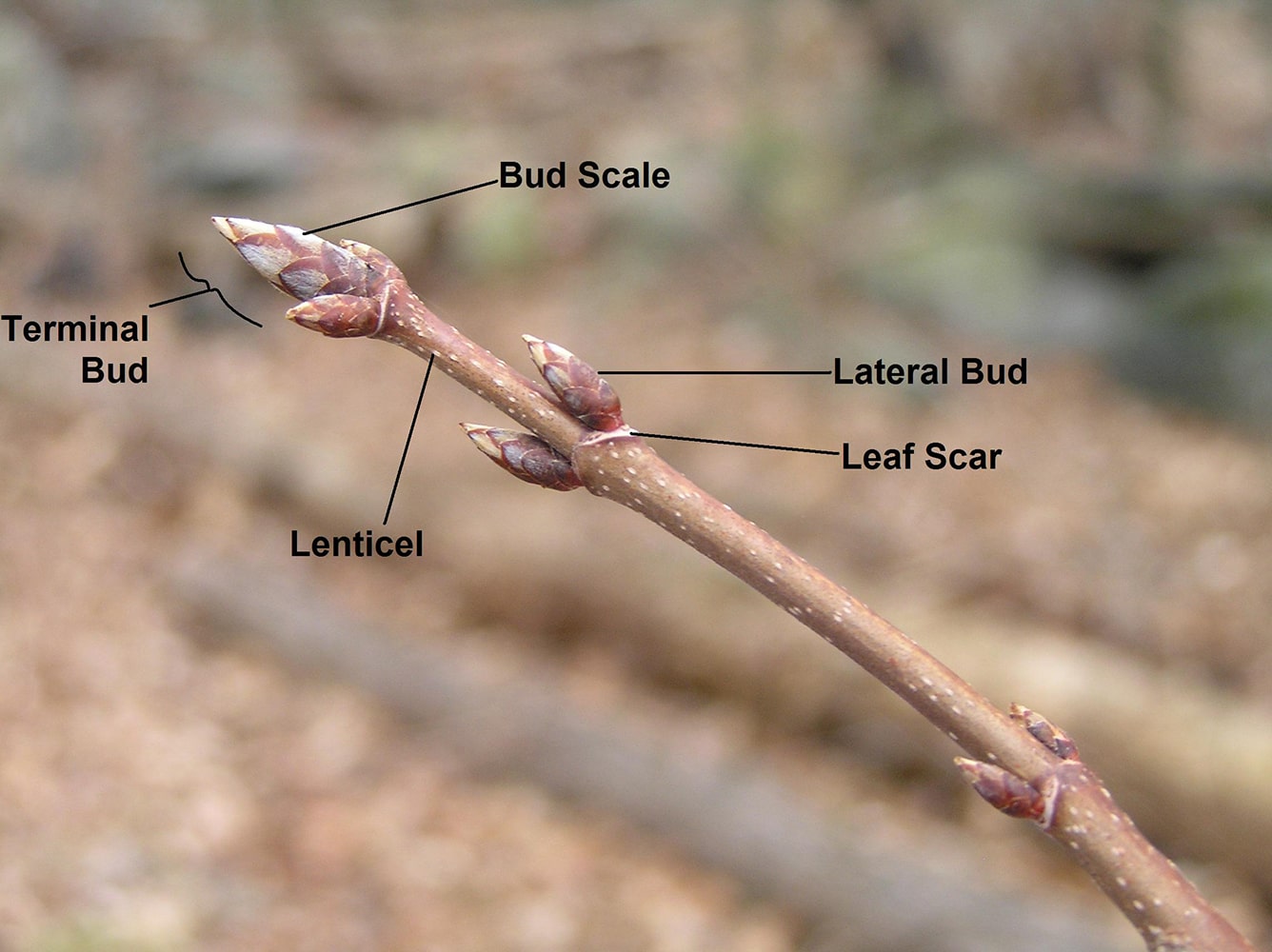
The stem is up to 4.5" tall. The lower 1/3 of the stem narrows until reaching the upper 2/3, remains equal in width.

Amanita chlorinosma: Stem Color

grass
White

Amanita chlorinosma: Stem Is Aromatic

No
Yes

Amanita chlorinosma: Stem Cross Section

Angular
Oval
Round
Square

Amanita chlorinosma: Stem Form

Straight
Zig Zags

Amanita chlorinosma: Stem Bud Scales

Enclosed in 2 scales
Enclosed in a single cap like scale
Enclosed in more than 2 scales
No scales, covered in hair

Amanita chlorinosma Poisonous to Humans

Amanita chlorinosma: Poison Symptoms

HIGHLY TOXIC MAY BE FATAL IF EATEN! Poisonous through ingestion (Poisonous part: mushroom). Symptoms: Strongly suspected to be toxic; apparently little has been documented on this specific species but it is expected to produce symptoms similar to other Amanita species: nausea, vomiting, dizziness, abdominal pains, etc. Symptoms occur 30 minutes to several hours after ingesting.

Amanita chlorinosma: Poison Toxic Principle

The large size, powdery cap, enlarged base of the stalk and strong chlorine odor make this easily recognized. There are othe

Amanita chlorinosma: Poison Severity

High
Low
Medium

Amanita chlorinosma: Causes Contact Dermatitis

No
Yes

Amanita chlorinosma: Poison Part

Bark
Flowers
Fruits
Leaves
Roots
Sap/Juice
Seeds
Stems

Amanita chlorinosma Whole Plant Traits

Amanita chlorinosma: Plant Type

Annual
Bulb
Carnivorous
Edible
Epiphyte
Fern
Ground Cover
Herb
Herbaceous Perennial
Houseplant
Mushroom
Native Plant
Ornamental Grasses and Sedges
Perennial
Poisonous
Rose
Shrub
Succulent
Tree
Turfgrass
Vegetable
Vine
Water Plant
Weed
Wildflower

Amanita chlorinosma: Habit/Form

Arching
Ascending
Broad
Cascading
Climbing
Clumping
Columnar
Conical
Creeping
Dense
Erect
Horizontal
Irregular
Mounding
Multi-stemmed
Multi-trunked
Open
Oval
Prostrate
Pyramidal
Rounded
Spreading
Vase
Weeping

Amanita chlorinosma: Growth Rate

Slow
Medium
Rapid

Amanita chlorinosma: Texture

Fine
Medium
Coarse

Amanita chlorinosma Cultural Conditions

Amanita chlorinosma: Light

Dappled Sunlight (Shade through upper canopy all day)
Deep shade (Less than 2 hours to no direct sunlight)
Full sun (6 or more hours of direct sunlight a day)
Partial Shade (Direct sunlight only part of the day, 2-6 hours)

Amanita chlorinosma: NC Region

Coastal
Mountains
Piedmont

Amanita chlorinosma Leaves

Amanita chlorinosma: Hairs Present

No
Yes

Amanita chlorinosma Landscape

Amanita chlorinosma: Landscape Location

Coastal
Container
Hanging Baskets
Houseplants
Lawn
Meadow
Naturalized Area
Near Septic
Patio
Pond
Pool/Hardscape
Recreational Play Area
Riparian
Rock Wall
Slope/Bank
Small Space
Vertical Spaces
Walkways
Woodland

Amanita chlorinosma: Problems

Allelopathic
Contact Dermatitis
Frequent Disease Problems
Frequent Insect Problems
Invasive Species
Malodorous
Messy
Poisonous to Humans
Problem for Cats
Problem for Children
Problem for Dogs
Problem for Horses
Short-lived
Spines/Thorns
Weak Wood
Weedy