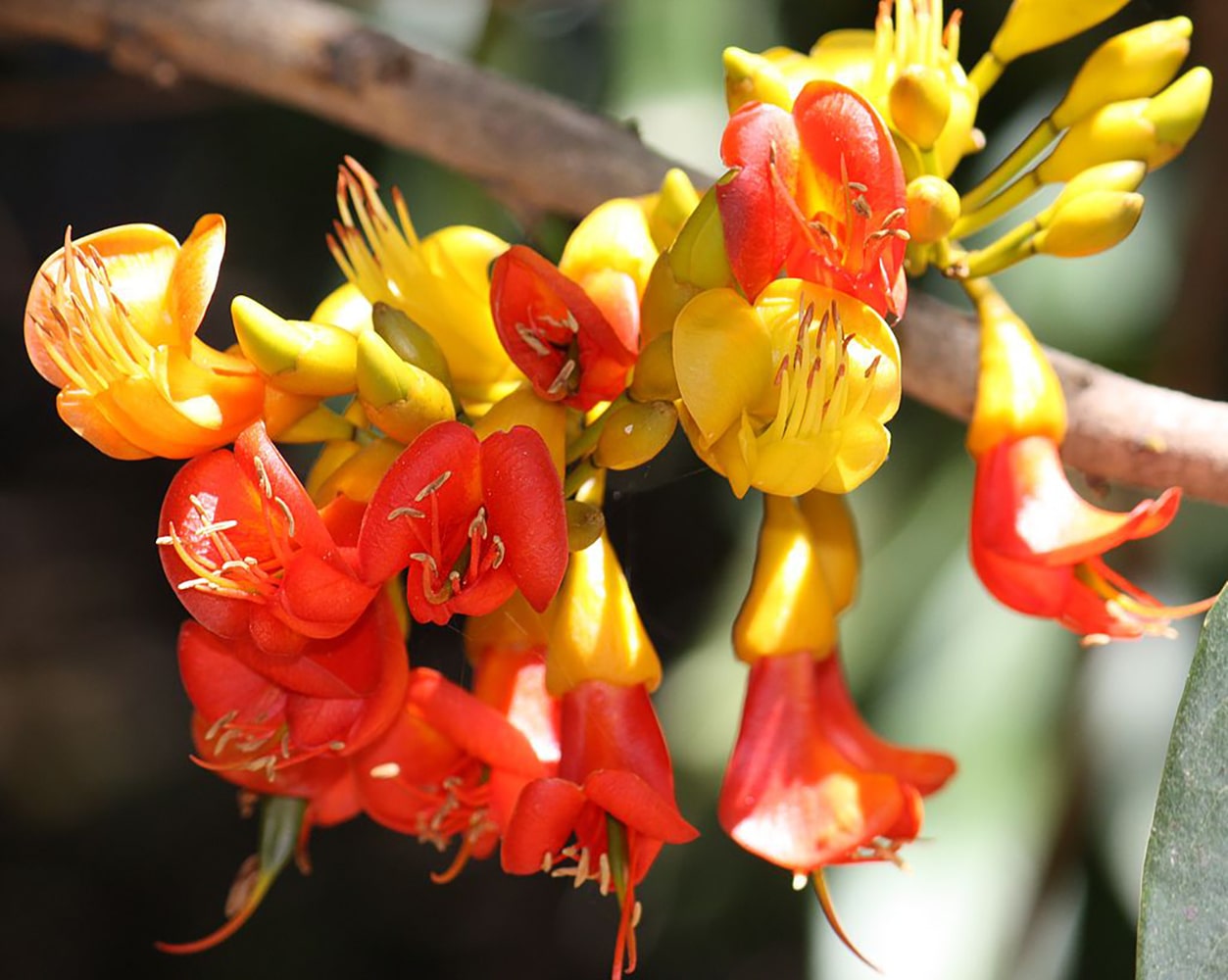
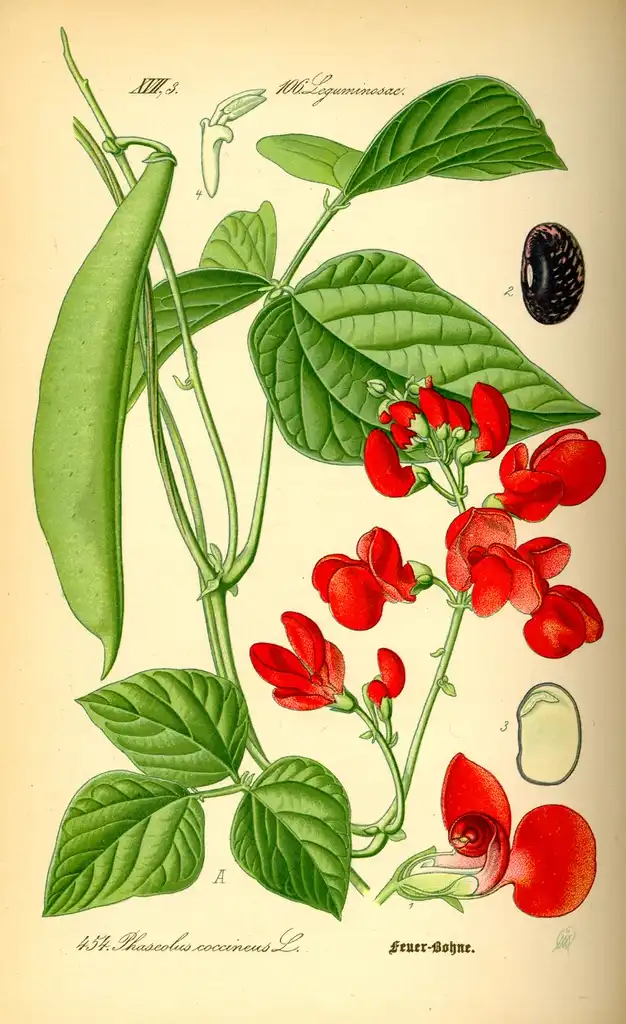
• Photo of Phaseolus coccineus (Phaseolus coccineuss)

Plant Profile: Phaseolus coccineus

Taxonomy: Phaseolus coccineus

Names

Multiflora Bean, Runner Bean, Scarlet Runner Bean

  • Photo of Phaseolus coccineus (Phaseolus coccineuss)

Phonetic Spelling:FAZ-ee-oh-lus kok-SIN-ee-us

Genus:Phaseolus

Species:coccineus

Family:Fabaceae

Sow seeds directly in the garden once the risk of frost has ended, as pollen becomes ineffective at temperatures exceeding 90°F. These plants thrive in conditions with moderate moisture and well-drained soil.

The flowers are not only edible but also have a subtle flavor and a crisp texture. However, they have a short lifespan, lasting just one or two days. They can be enjoyed raw, or prepared by boiling, steaming, or sautéing.

Phaseolus coccineus Feature Summary

Phaseolus coccineus Image Gallery

Tags

Phaseolus coccineus is often confused with:

Phaseolus coccineus Feature Summary

Attributes
Edible green pods that turn purple
Flowers
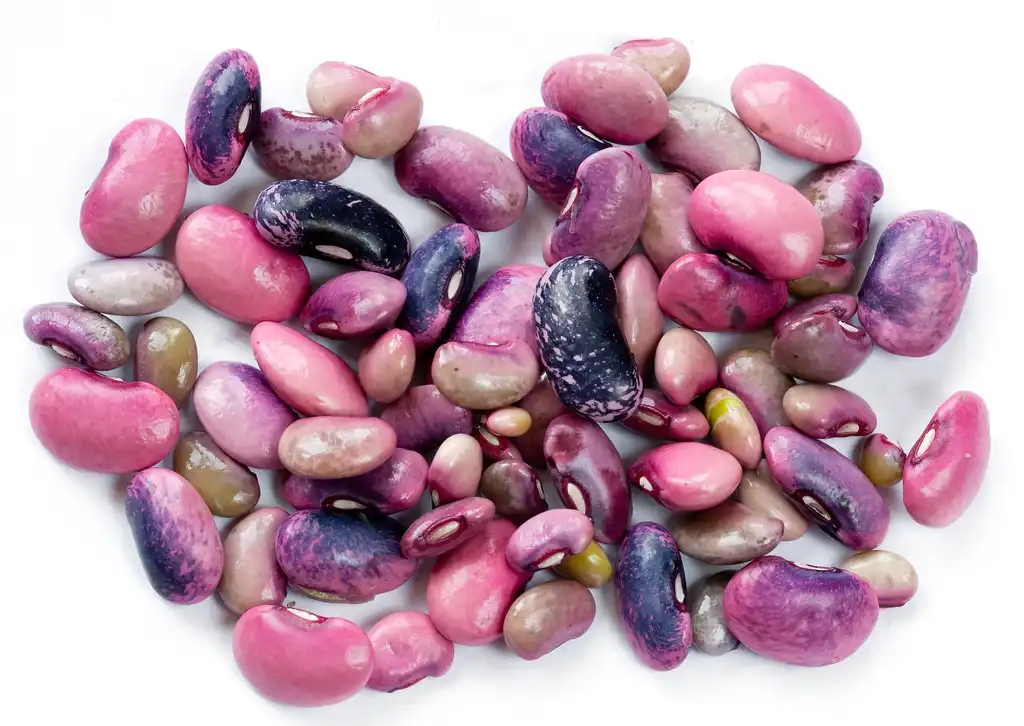
Red flowers mid summer to frost; edible green pods that turn purple; seeds are black, mottled red
Poisonous to Humans
In large amounts, the raw or undercooked beans can cause severe nausea, vomiting, and diarrhea. Usually resolves within a few hours.
Trace amounts of phytohaemagglutinin, a lectin
Whole Plant Traits
Annual
Vine
Coarse
Cultural Conditions
Full sun (6 or more hours of direct sunlight a day)
Landscape
Edible Garden
Hummingbirds

Phaseolus coccineus Attributes

Phaseolus coccineus: Edibility

Edible green pods that turn purple
Phaseolus coccineus: Climbing Method

Clinging
Scrambler
Tendrils
Twining

Phaseolus coccineus Flowers

Phaseolus coccineus: Flower Description

Red flowers mid summer to frost; edible green pods that turn purple; seeds are black, mottled red

Phaseolus coccineus: Flower Color

filter_vintage
Orange

Phaseolus coccineus: Flower Value To Gardener

Edible
Fragrant
Good Cut
Good Dried
Long Bloom Season
Long-lasting
Showy

Phaseolus coccineus: Flower Bloom Time

Winter
Spring
Summer
Fall

Phaseolus coccineus Poisonous to Humans

Phaseolus coccineus: Poison Symptoms

In large amounts, the raw or undercooked beans can cause severe nausea, vomiting, and diarrhea. Usually resolves within a few hours.

Phaseolus coccineus: Poison Toxic Principle

Trace amounts of phytohaemagglutinin, a lectin

Phaseolus coccineus: Poison Severity

High
Low
Medium

Phaseolus coccineus: Causes Contact Dermatitis

No
Yes

Phaseolus coccineus: Poison Part

Bark
Flowers
Fruits
Leaves
Roots
Sap/Juice
Seeds
Stems

Phaseolus coccineus Whole Plant Traits

Phaseolus coccineus: Plant Type

Annual
Bulb
Carnivorous
Edible
Epiphyte
Fern
Ground Cover
Herb
Herbaceous Perennial
Houseplant
Mushroom
Native Plant
Ornamental Grasses and Sedges
Perennial
Poisonous
Rose
Shrub
Succulent
Tree
Turfgrass
Vegetable
Vine
Water Plant
Weed
Wildflower

Phaseolus coccineus: Growth Rate

Slow
Medium
Rapid

Phaseolus coccineus: Texture

Fine
Medium
Coarse

Phaseolus coccineus Cultural Conditions

Phaseolus coccineus: Light

Dappled Sunlight (Shade through upper canopy all day)
Deep shade (Less than 2 hours to no direct sunlight)
Full sun (6 or more hours of direct sunlight a day)
Partial Shade (Direct sunlight only part of the day, 2-6 hours)

Phaseolus coccineus Fruit

Phaseolus coccineus: Fruit Value To Gardener

Edible
Fragrant
Good Cut
Good Dried
Long Bloom Season
Long-lasting
Showy

Phaseolus coccineus Leaves

Phaseolus coccineus: Hairs Present

No
Yes

Phaseolus coccineus Stem

Phaseolus coccineus: Stem Is Aromatic

No
Yes

Phaseolus coccineus Landscape

Phaseolus coccineus: Landscape Theme

Asian Garden
Butterfly Garden
Children's Garden
Cottage Garden
Cutting Garden
Drought Tolerant Garden
Edible Garden
English Garden
Fairy Garden
Garden for the Blind
Native Garden
Nighttime Garden
Pollinator Garden
Rain Garden
Rock Garden
Shade Garden
Water Garden
Winter Garden

Phaseolus coccineus: Attracts

Bats
Bees
Butterflies
Frogs
Hummingbirds
Moths
Pollinators
Predatory Insects
Reptiles
Small Mammals
Songbirds
Specialized Bees