Phyllanthus tenellus: Life Cycle
Annual
Biennial
Bulb
Perennial
Woody
Phonetic Spelling:fil-LAN-thus ten-ELL-us
Genus:Phyllanthus
Species:tenellus
Family:
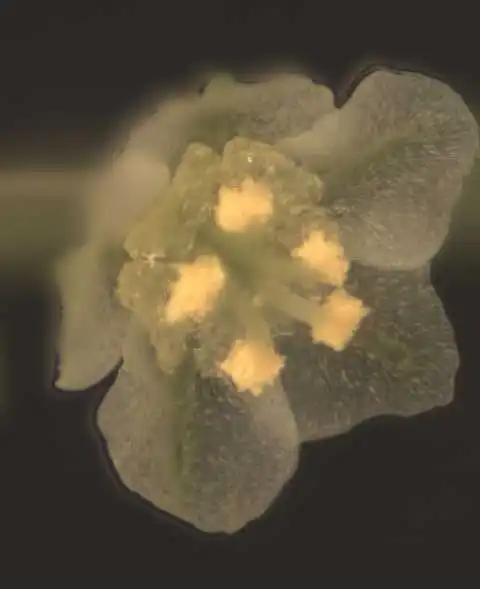
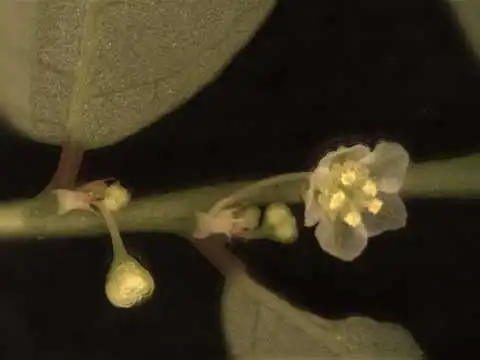
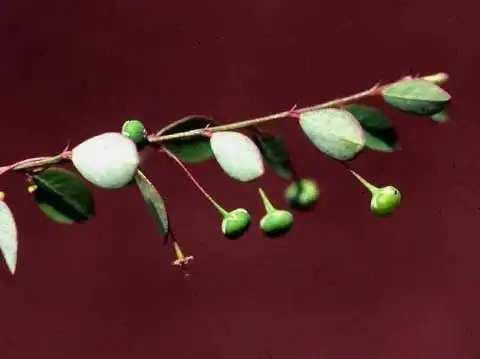
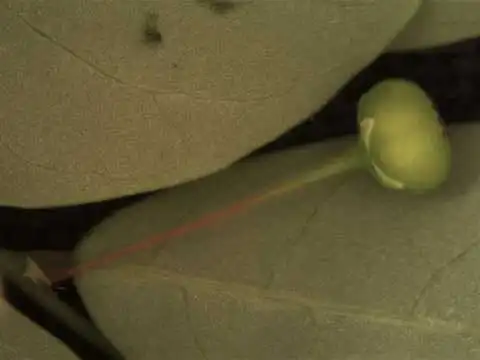
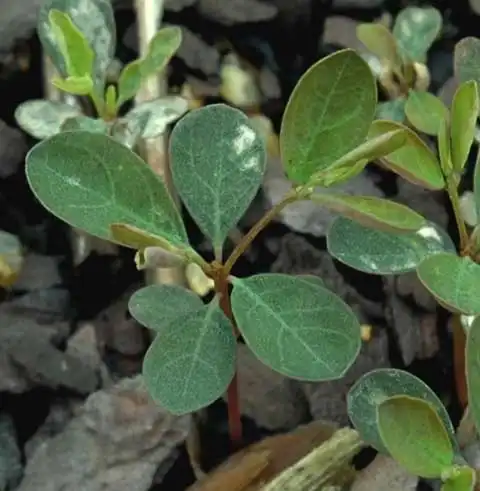
Longstalked phyllanthus, a member of the Euphorbiaceae family, is primarily an upright summer annual, though it can behave as a perennial in subtropical regions. This plant typically features a single, upright stem that reaches heights of 2 to 3 feet, with minimal branching aside from those that bear fruit. Its leaves resemble those of chamberbitter, being alternate and oblong, measuring between 1/4 to 3/4 inch long, and are found on short branches, mimicking the compound leaves of certain legumes. Notably, the plant does not release a milky sap when its parts are broken. The flowers are greenish-white, and round green fruits develop on the undersides of lateral branches in the leaf axils, supported by short stalks. Seedlings typically sprout from summer to early autumn but can persist throughout the year in subtropical climates. These plants may begin to flower during the summer and continue into early fall, even when they are only a few inches tall, before dying off after frost. When ripe, seeds are forcefully ejected a short distance from the fruit. Longstalked phyllanthus is not effectively managed by most preemergence herbicides approved for nursery crops. To prevent seed production and further spread, it is advisable to hand weed young plants.
**Management Strategies for Longstalked Phyllanthus:** This species frequently thrives in the potting media of container-grown ornamental plants and can emerge through drainage holes or tears in nursery fabric near irrigation risers. It poses challenges in both greenhouse settings and landscapes, affecting turf areas and garden beds alike. As longstalked phyllanthus germinates more readily in moist conditions, reducing irrigation can be a beneficial strategy. Grouping plants by their water needs and ensuring that irrigation systems are well-maintained and distribute water evenly can also help. It is crucial to hand pull longstalked phyllanthus as soon as it is spotted. Once established, both species of Phyllanthus can be challenging to remove by hand due to their extensive root systems. Given their high light requirements for germination, applying mulch can be an effective control measure.
Phyllanthus tenellus Feature Summary
Phyllanthus tenellus Image Gallery