Plant Profile: Ranunculus carolinianus

Taxonomy: Ranunculus carolinianus

Names

Carolina Buttercup

  • Photo of Ranunculus carolinianus (Ranunculus carolinianuss)

Phonetic Spelling:ra-NUN-ku-lus kair-oh-lin-ee-AY-nuss

Genus:Ranunculus

Species:carolinianus

Family:Ranunculaceae

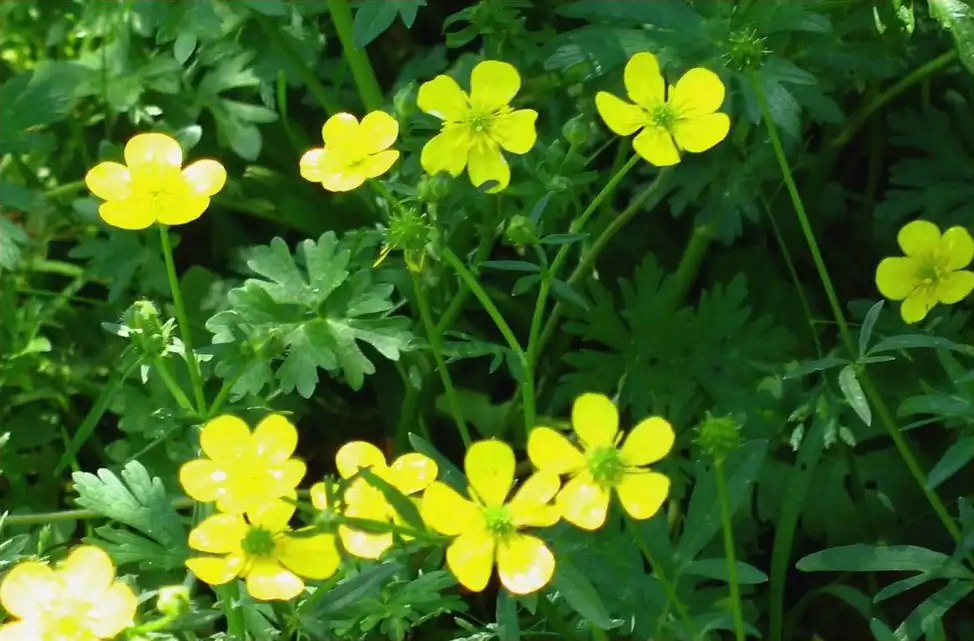
Carolina Buttercup is a native winter annual weed or a short-lived perennial plant. It typically thrives in low woodlands and moist thickets, often appearing in disturbed environments. This plant propagates by spreading along the ground and establishing roots at its nodes.

For additional details on Ranunculus, please refer to further resources.

Ranunculus carolinianus Feature Summary

Ranunculus carolinianus Image Gallery

Tags

#weed
#weedy
#winter annual weed
#NC native
#native weed
#songbirds
#problem for cats
#pollinators
#problem for dogs
#bee friendly
#problem for horses

Similar Plants

Ranunculus carolinianus Feature Summary

Attributes
Eastern Canada and U.S.A.
Seeds are eaten by birds and bees and beetles pollinate the flowers
Perennial
Annual
Fruit
Fruit a head of small, dry achenes
Flowers
Flower yellow petals with short reflexed sepals, thimblelike, often shiny.
Gold/Yellow
Spring
Summer
Colored Sepals
Leaves
Palmately lobed or divided, alternate, deeply three-parted leaves; leaflets are 1-2 inches long, smooth or appressed hairy terminal segment borne on smooth or appressed hairy stalks
Compound (Pinnately , Bipinnately, Palmately)
1-3 inches
Poisonous to Humans
Ingestion causes burning of the mouth, abdominal pain, vomiting, depression, anorexia, hypersalivation, wobbly gait, and bloody diarrhea. Skin redness, burning sensation, and blisters following contact with cell sap.
Protoanemonin, released from the glycoside ranunculin.
Seeds
Leaves
Stems
Sap/Juice
Flowers
Bark
Fruits
Roots
Whole Plant Traits
Perennial
Native Plant
Poisonous
Weed
Wildflower
Cultural Conditions
Full sun (6 or more hours of direct sunlight a day)
Partial Shade (Direct sunlight only part of the day, 2-6 hours)
Coastal
Mountains
Piedmont
Landscape
Naturalized Area
Problem for Cats
Problem for Dogs
Problem for Horses

Ranunculus carolinianus Attributes

Ranunculus carolinianus: Country Or Region Of Origin

Eastern Canada and U.S.A.
Ranunculus carolinianus: Wildlife Value

Seeds are eaten by birds and bees and beetles pollinate the flowers

Ranunculus carolinianus: Life Cycle

Annual
Biennial
Bulb
Perennial
Woody

Ranunculus carolinianus Fruit

Ranunculus carolinianus: Fruit Description

Fruit a head of small, dry achenes

Ranunculus carolinianus: Fruit Type

Achene
Aggregate
Berry
Capsule
Caryopsis
Drupe
Follicle
Legume
Nut
Pome
Samara
Schizocarp
Siliqua

Ranunculus carolinianus Flowers

Ranunculus carolinianus: Flower Description

Flower yellow petals with short reflexed sepals, thimblelike, often shiny.

Ranunculus carolinianus: Flower Color

filter_vintage
Gold/Yellow

Ranunculus carolinianus: Flower Bloom Time

Winter
Spring
Summer
Fall

Ranunculus carolinianus: Flower Petals

2-3 rays/petals
4-5 petals/rays
6 petals/rays
7 - 20 petals/rays
asymmetrical petals
Bracts
Colored Sepals
fused petals
more than 20 petals/rays
Tepals

Ranunculus carolinianus: Flower Shape

Bell
Cross
Crown
Cup
Dome
Funnel
Irregular
Lipped
Radial
Saucer
Star
Trumpet
Tubular
Urn
Wheel

Ranunculus carolinianus Leaves

Ranunculus carolinianus: Leaf Description

Palmately lobed or divided, alternate, deeply three-parted leaves; leaflets are 1-2 inches long, smooth or appressed hairy terminal segment borne on smooth or appressed hairy stalks

Ranunculus carolinianus: Leaf Color

spa
Green

Ranunculus carolinianus: Leaf Type

Compound (Pinnately , Bipinnately, Palmately)
Fronds
Needles
Sheath
Simple

Ranunculus carolinianus: Leaf Arrangement

Alternate
Opposite
Other/more complex
Rosulate
Whorled

Ranunculus carolinianus: Hairs Present

No
Yes

Ranunculus carolinianus: Leaf Feel

Fleshy
Glossy
Leathery
Papery
Prickly
Rough
Rubbery
Slippery
Smooth
Soft
Velvety
Waxy

Ranunculus carolinianus: Leaf Width

< 1 inch
1-3 inches
3-6 inches
> 6 inches

Ranunculus carolinianus Poisonous to Humans

Ranunculus carolinianus: Poison Symptoms

Ingestion causes burning of the mouth, abdominal pain, vomiting, depression, anorexia, hypersalivation, wobbly gait, and bloody diarrhea. Skin redness, burning sensation, and blisters following contact with cell sap.

Ranunculus carolinianus: Poison Toxic Principle

Protoanemonin, released from the glycoside ranunculin.

Ranunculus carolinianus: Poison Severity

High
Low
Medium

Ranunculus carolinianus: Causes Contact Dermatitis

No
Yes

Ranunculus carolinianus: Poison Part

Bark
Flowers
Fruits
Leaves
Roots
Sap/Juice
Seeds
Stems

Ranunculus carolinianus Whole Plant Traits

Ranunculus carolinianus: Plant Type

Annual
Bulb
Carnivorous
Edible
Epiphyte
Fern
Ground Cover
Herb
Herbaceous Perennial
Houseplant
Mushroom
Native Plant
Ornamental Grasses and Sedges
Perennial
Poisonous
Rose
Shrub
Succulent
Tree
Turfgrass
Vegetable
Vine
Water Plant
Weed
Wildflower

Ranunculus carolinianus: Growth Rate

Slow
Medium
Rapid

Ranunculus carolinianus: Maintenance

Low
Medium
High

Ranunculus carolinianus Cultural Conditions

Ranunculus carolinianus: Light

Dappled Sunlight (Shade through upper canopy all day)
Deep shade (Less than 2 hours to no direct sunlight)
Full sun (6 or more hours of direct sunlight a day)
Partial Shade (Direct sunlight only part of the day, 2-6 hours)

Ranunculus carolinianus: Soil Drainage

Frequent Standing Water
Good Drainage
Moist
Occasional Flooding
Occasionally Dry
Occasionally Wet
Very Dry

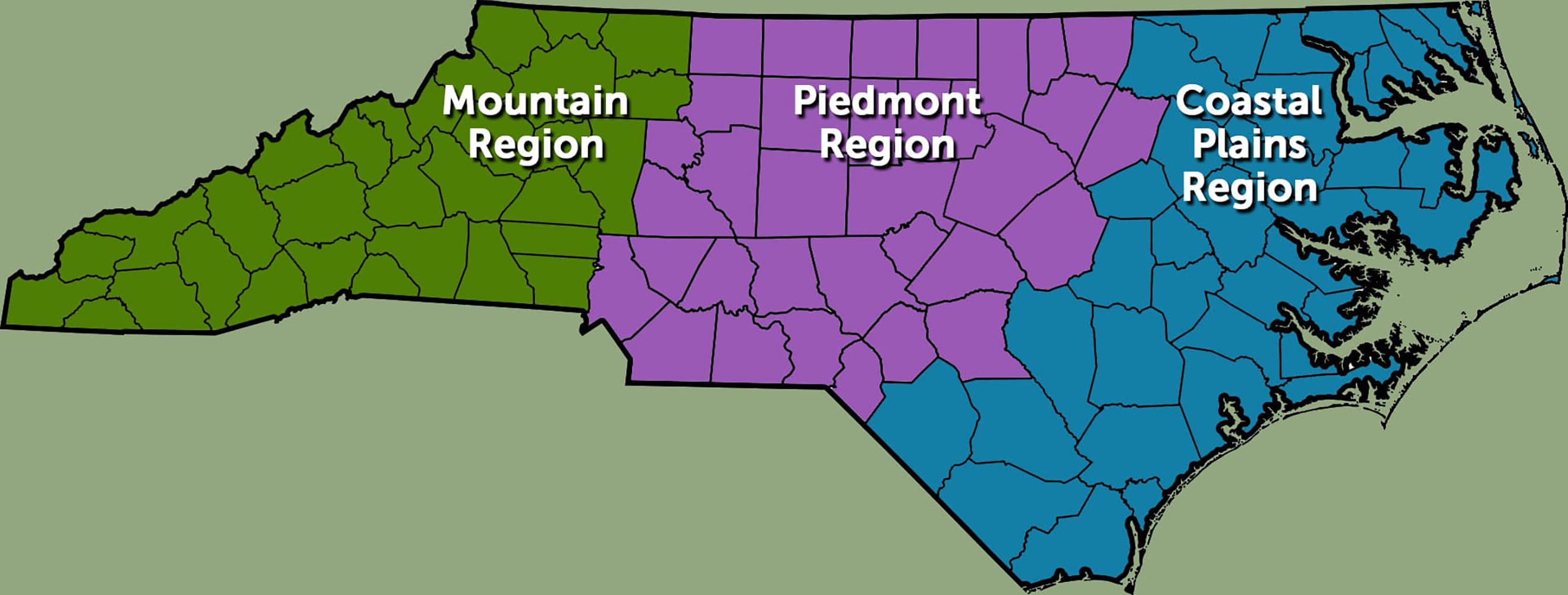
Ranunculus carolinianus: NC Region

Coastal
Mountains
Piedmont

Ranunculus carolinianus: USDA Plant Hardiness Zone

thermostat
5a
thermostat
5b
thermostat
6a
thermostat
6b
thermostat
7a
thermostat
7b
thermostat
8a
thermostat
8b

Ranunculus carolinianus Stem

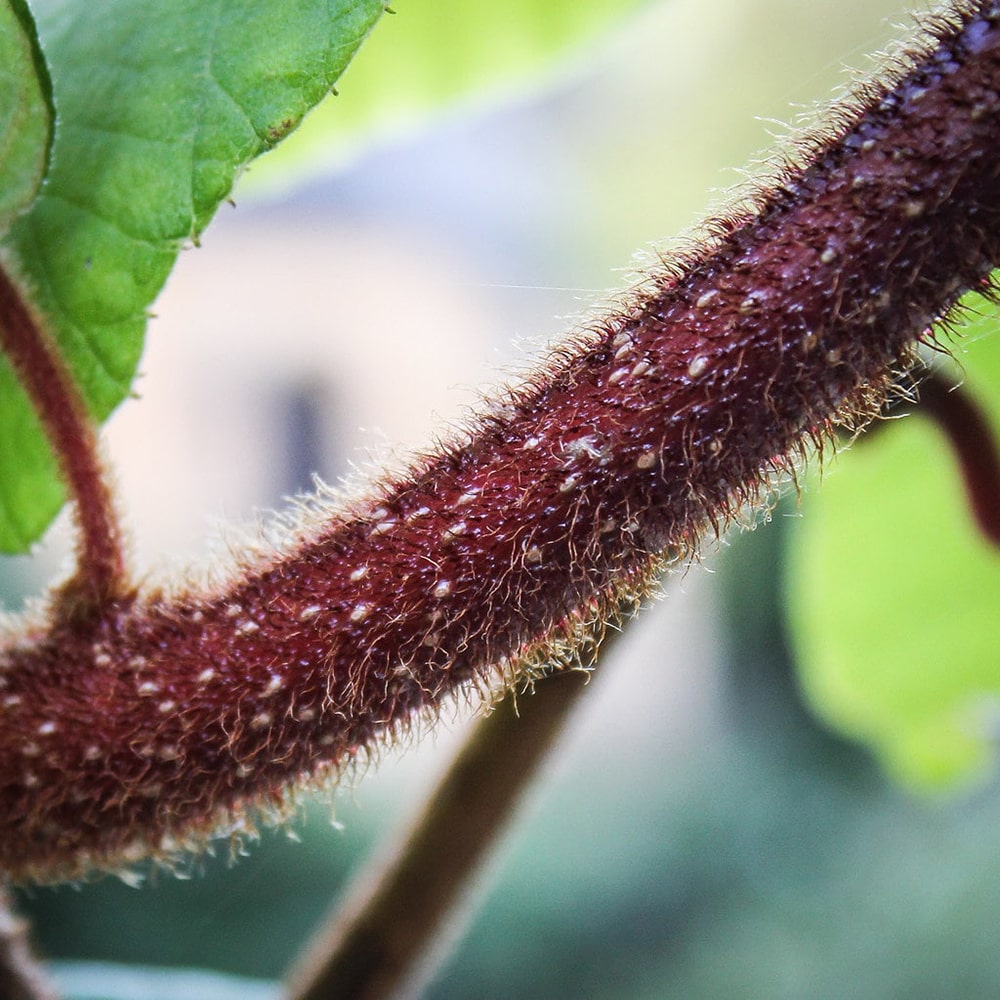
Ranunculus carolinianus: Stem Color

grass
Green

Ranunculus carolinianus: Stem Is Aromatic

No
Yes

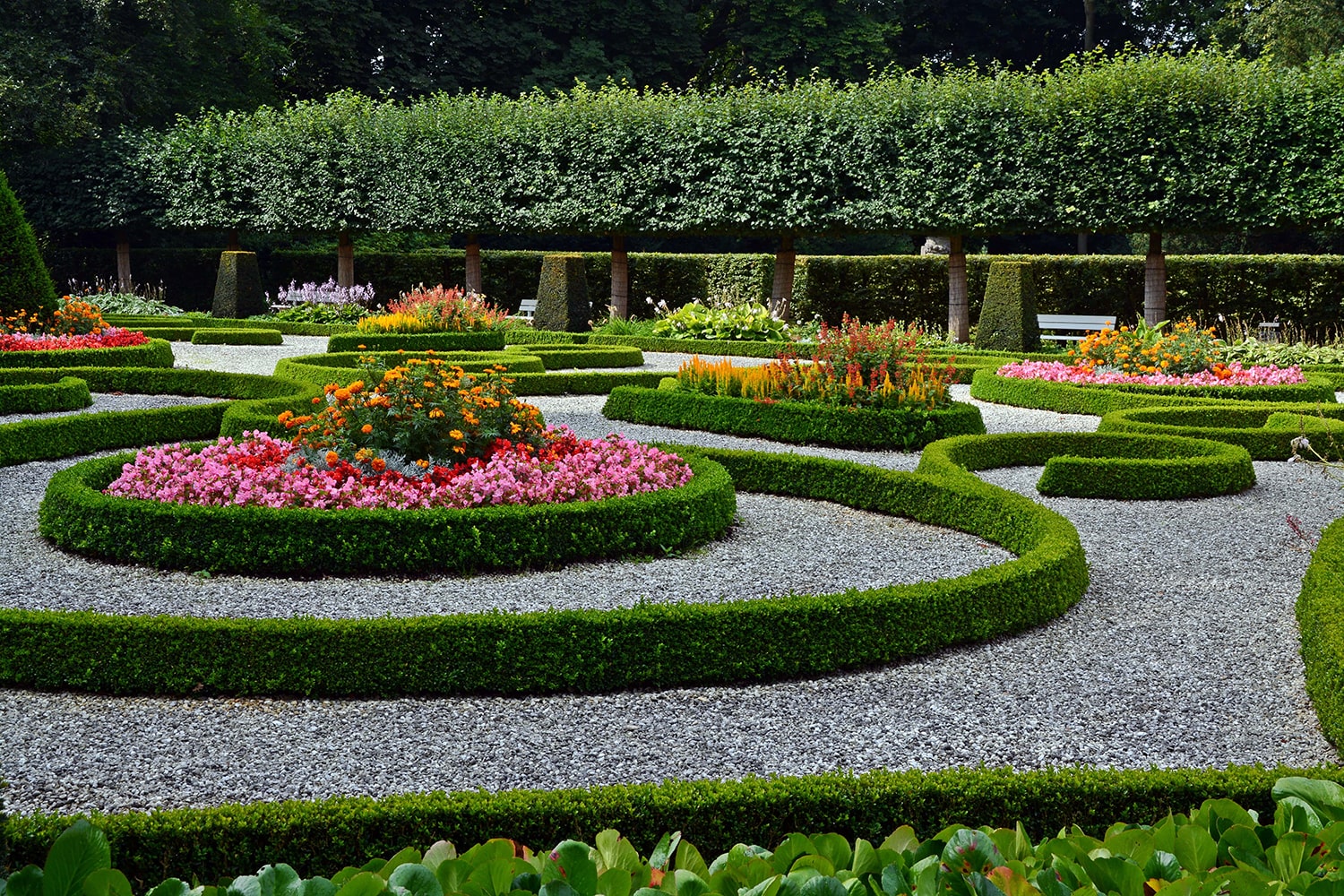
Ranunculus carolinianus Landscape

Ranunculus carolinianus: Landscape Location

Coastal
Container
Hanging Baskets
Houseplants
Lawn
Meadow
Naturalized Area
Near Septic
Patio
Pond
Pool/Hardscape
Recreational Play Area
Riparian
Rock Wall
Slope/Bank
Small Space
Vertical Spaces
Walkways
Woodland

Ranunculus carolinianus: Problems

Allelopathic
Contact Dermatitis
Frequent Disease Problems
Frequent Insect Problems
Invasive Species
Malodorous
Messy
Poisonous to Humans
Problem for Cats
Problem for Children
Problem for Dogs
Problem for Horses
Short-lived
Spines/Thorns
Weak Wood
Weedy