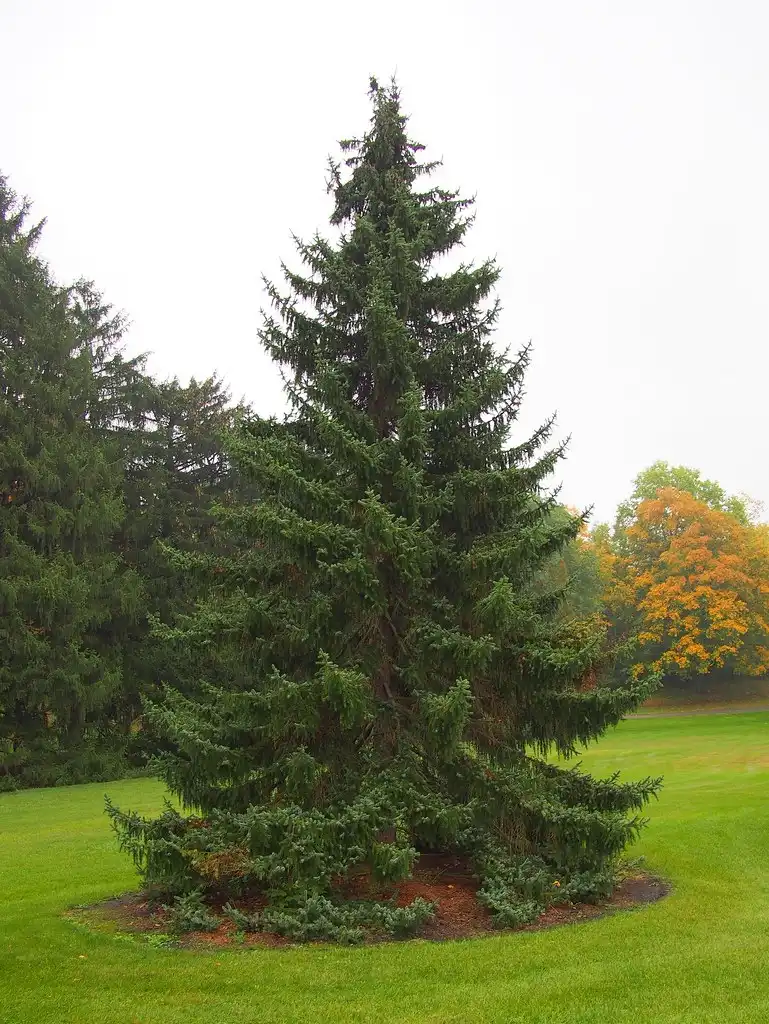
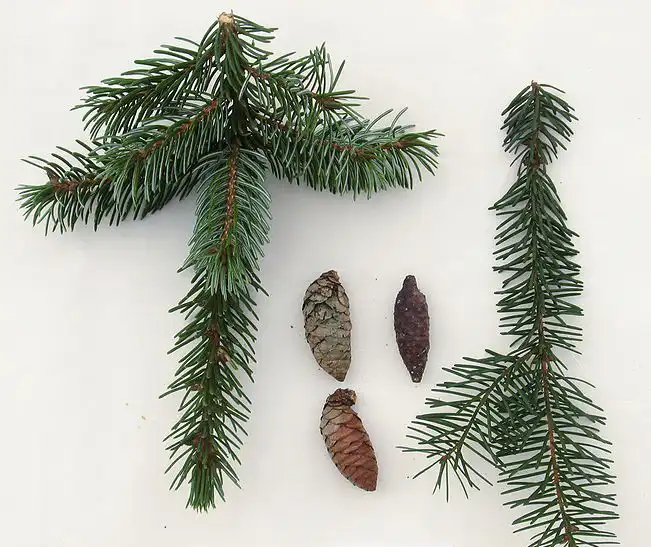
• Photo of Picea omorika (Picea omorikas)

Plant Profile: Picea omorika

Taxonomy: Picea omorika

Names

Serbian Spruce

  • Photo of Picea omorika (Picea omorikas)

Phonetic Spelling:PY-see-uh oh-MOR-ee-kah

Genus:Picea

Species:omorika

Family:Pinaceae

This spruce is not only visually appealing but also highly versatile. As an evergreen conifer, it features delicate, arching branches and a slender trunk. It thrives in cooler climates characterized by dry air and wind protection. While it may struggle in hot and humid environments, it can often adapt better than many other spruce varieties.

Although it generally faces few significant issues, it can be vulnerable to pests such as spider mites, aphids, budworms, and borers.

Picea omorika Feature Summary

Picea omorika Image Gallery

Tags

#evergreen
#conifer
#winter interest
#air pollution tolerant
#showy fruits
#deer resistant
#sandy soils tolerant
#clay soils tolerant

Similar Plants

Picea omorika Feature Summary

Attributes
Southwestwern Europe
Attracts birds, provides cover for rabbits and birds.
Wildlife Cover/Habitat
Fruit
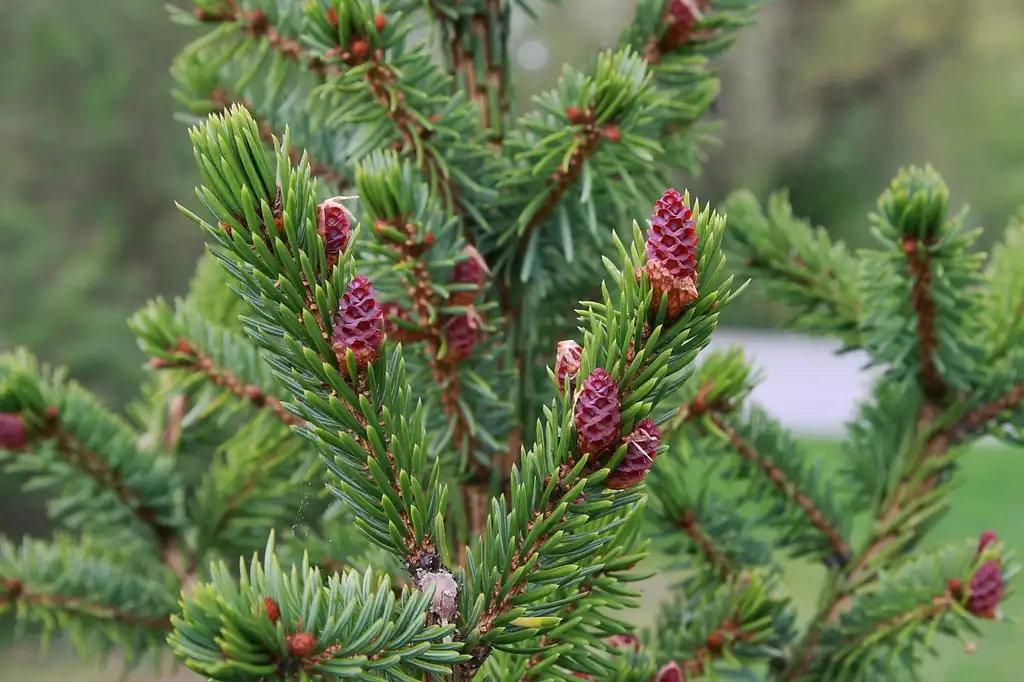
Cones have finely toothed scales and hang downward. Young purple cones mature to reddish-brown.
Red/Burgundy
Brown/Copper
Purple/Lavender
1-3 inches
Flowers
Non-showy flowers.
1-3 inches
Leaves
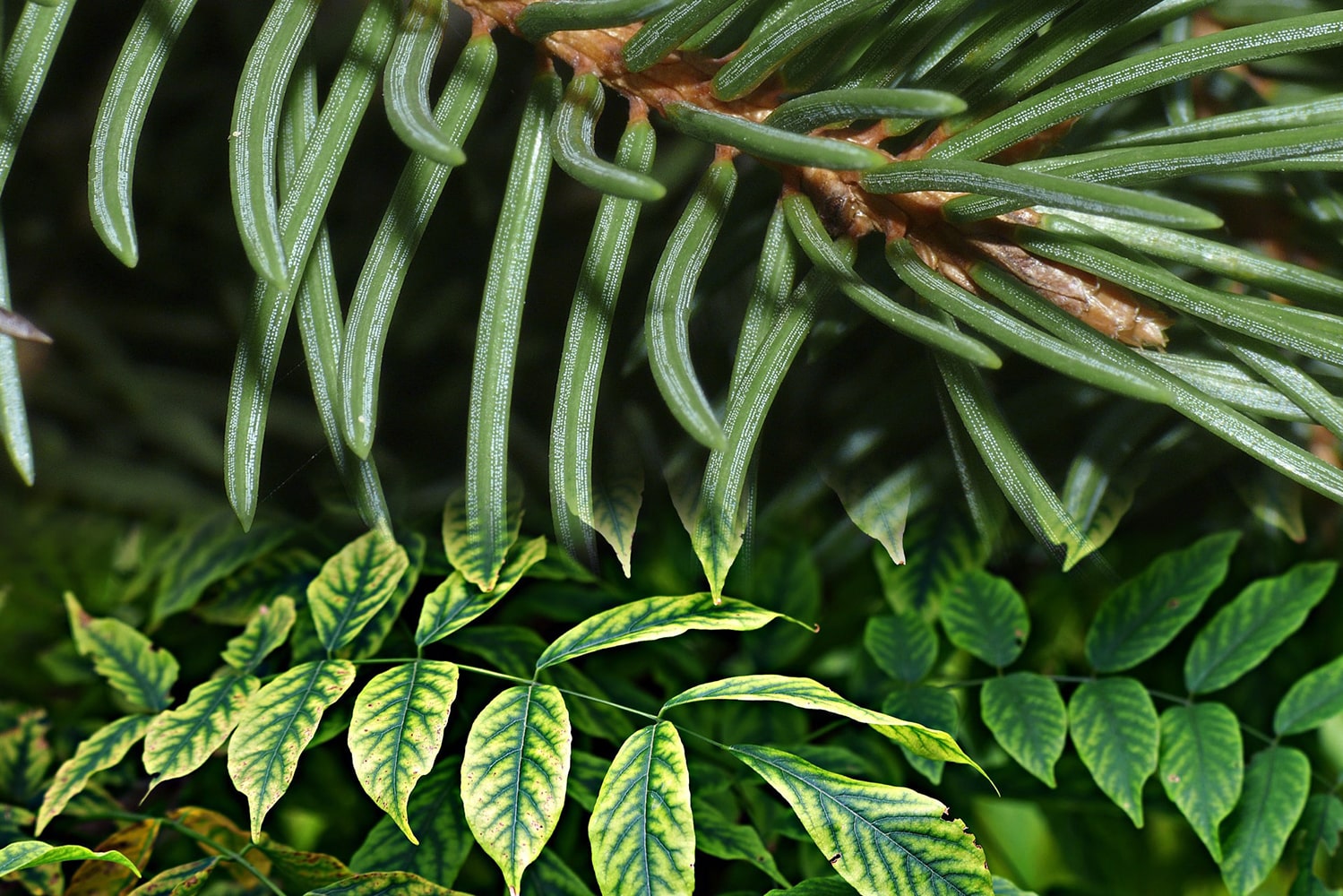
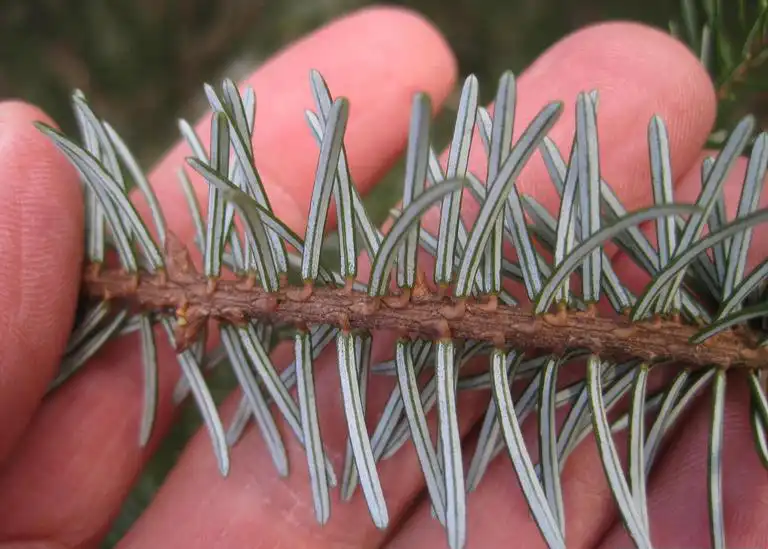
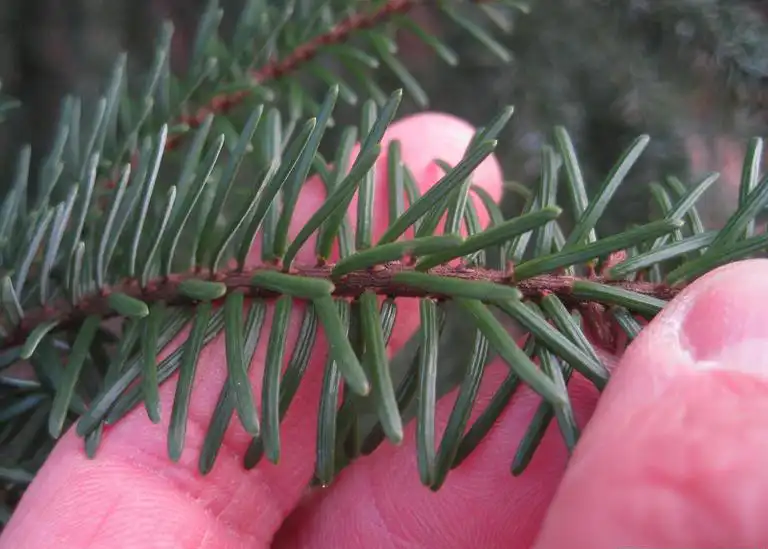
Overlapping flat needles, glossy dark green above with 2 white lines on the lower side (silvery underside), sharp-pointed
Green
Gray/Silver
White
Needles
< 1 inch
Bark
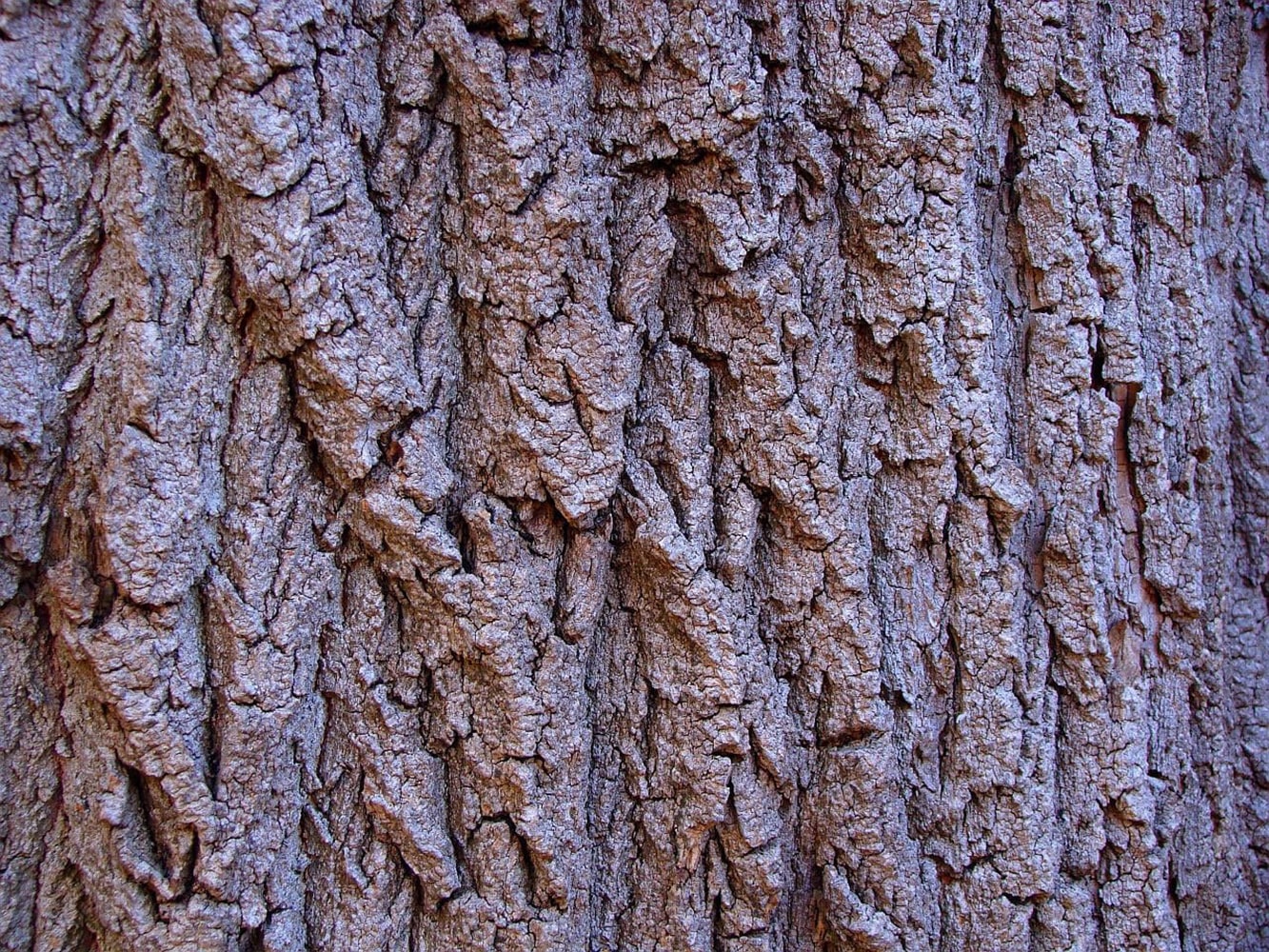
The thin bark cracks into scaly plates.
Dark Brown
Stem
Distinctive to this species, the branches are short (up to 6') and pendant. They curl upwards at the ends.
Straight
Whole Plant Traits
Cultural Conditions
Full sun (6 or more hours of direct sunlight a day)
Partial Shade (Direct sunlight only part of the day, 2-6 hours)
Acid (<6.0)
Alkaline (>8.0)
Good Drainage
Moist
Mountains
Piedmont
Clay
Loam (Silt)
Sand
Landscape
Mass Planting
Accent
Specimen
Street Tree
Recreational Play Area
Woodland
Lawn
Meadow
Naturalized Area
Songbirds

Picea omorika Attributes

Picea omorika: Country Or Region Of Origin

Southwestwern Europe
Picea omorika: Wildlife Value

Attracts birds, provides cover for rabbits and birds.

Picea omorika: Life Cycle

Annual
Biennial
Bulb
Perennial
Woody

Picea omorika: Play Value

Attractive Flowers
Attracts Pollinators
Buffer
Colorful
Defines Paths
Easy to Grow
Edible fruit
Fragrance
Pieces Used in Games
Screening
Shade
Sound
Textural
Wildlife Cover/Habitat
Wildlife Food Source
Wildlife Larval Host
Wildlife Nesting
Wind Break
Wind Shimmer

Picea omorika Fruit

Picea omorika: Fruit Description

Cones have finely toothed scales and hang downward. Young purple cones mature to reddish-brown.

Picea omorika: Fruit Color

grass
Brown/Copper
grass
Purple/Lavender
grass
Red/Burgundy

Picea omorika: Fruit Value To Gardener

Edible
Fragrant
Good Cut
Good Dried
Long Bloom Season
Long-lasting
Showy

Picea omorika: Fruit Length

< 1 inch
1-3 inches
> 3 inches

Picea omorika Flowers

Picea omorika: Flower Description

Non-showy flowers.

Picea omorika: Flower Inflorescence

Catkin
Corymb
Cyme
Head
Insignificant
Panicle
Raceme
Solitary
Spadix
Spike
Umbel

Picea omorika: Flower Size

1-3 inches
3-6 inches
< 1 inch
> 6 inches

Picea omorika Leaves

Picea omorika: Leaf Description

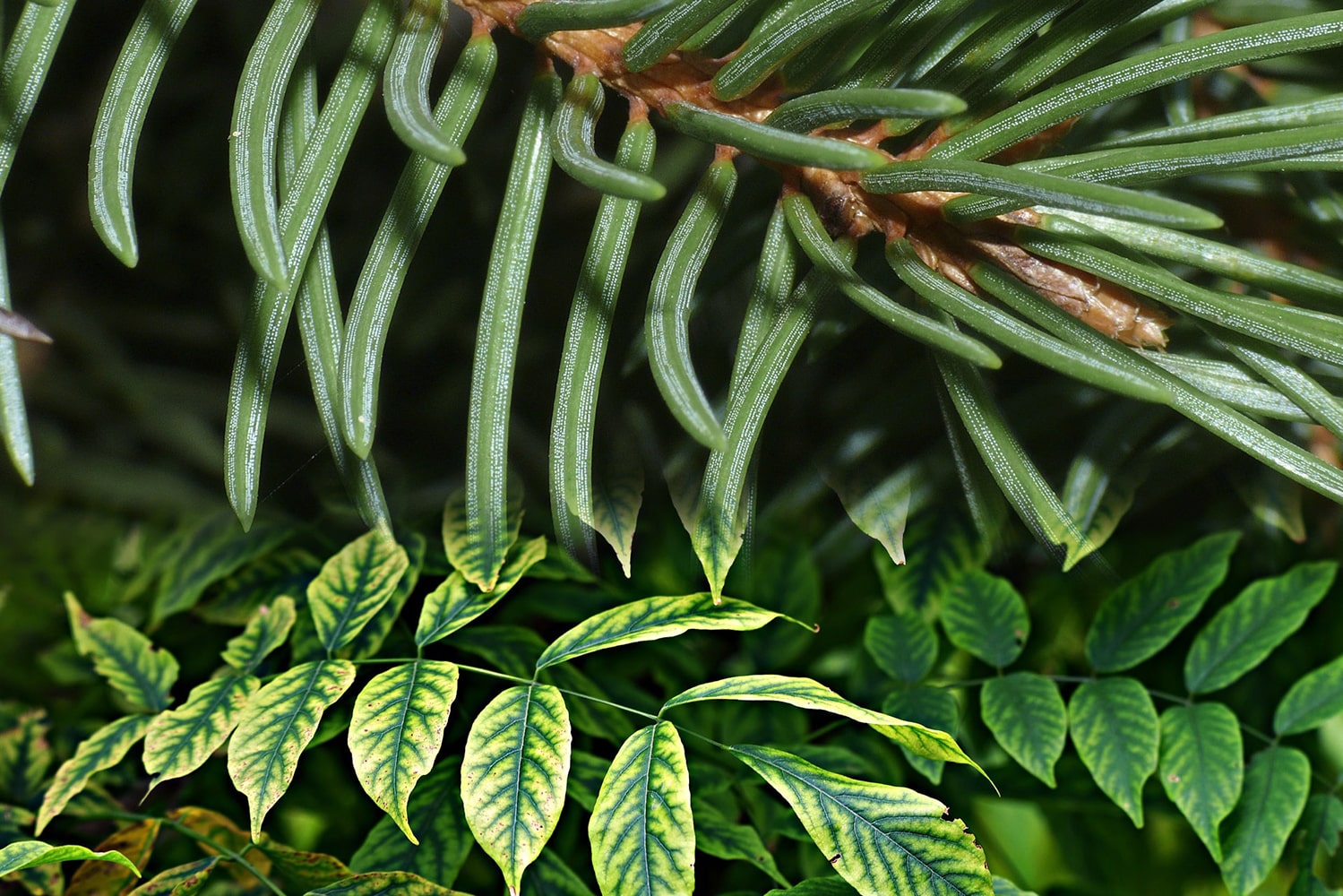
Overlapping flat needles, glossy dark green above with 2 white lines on the lower side (silvery underside), sharp-pointed

Picea omorika: Woody Plant Leaf Characteristics

Broadleaf Evergreen
Deciduous
Needled Evergreen
Semi-evergreen

Picea omorika: Leaf Color

spa
Gray/Silver
spa
Green
spa
White

Picea omorika: Leaf Type

Compound (Pinnately , Bipinnately, Palmately)
Fronds
Needles
Sheath
Simple

Picea omorika: Hairs Present

No
Yes

Picea omorika: Leaf Length

< 1 inch
1-3 inches
3-6 inches
> 6 inches

Picea omorika Bark

Picea omorika: Bark Description

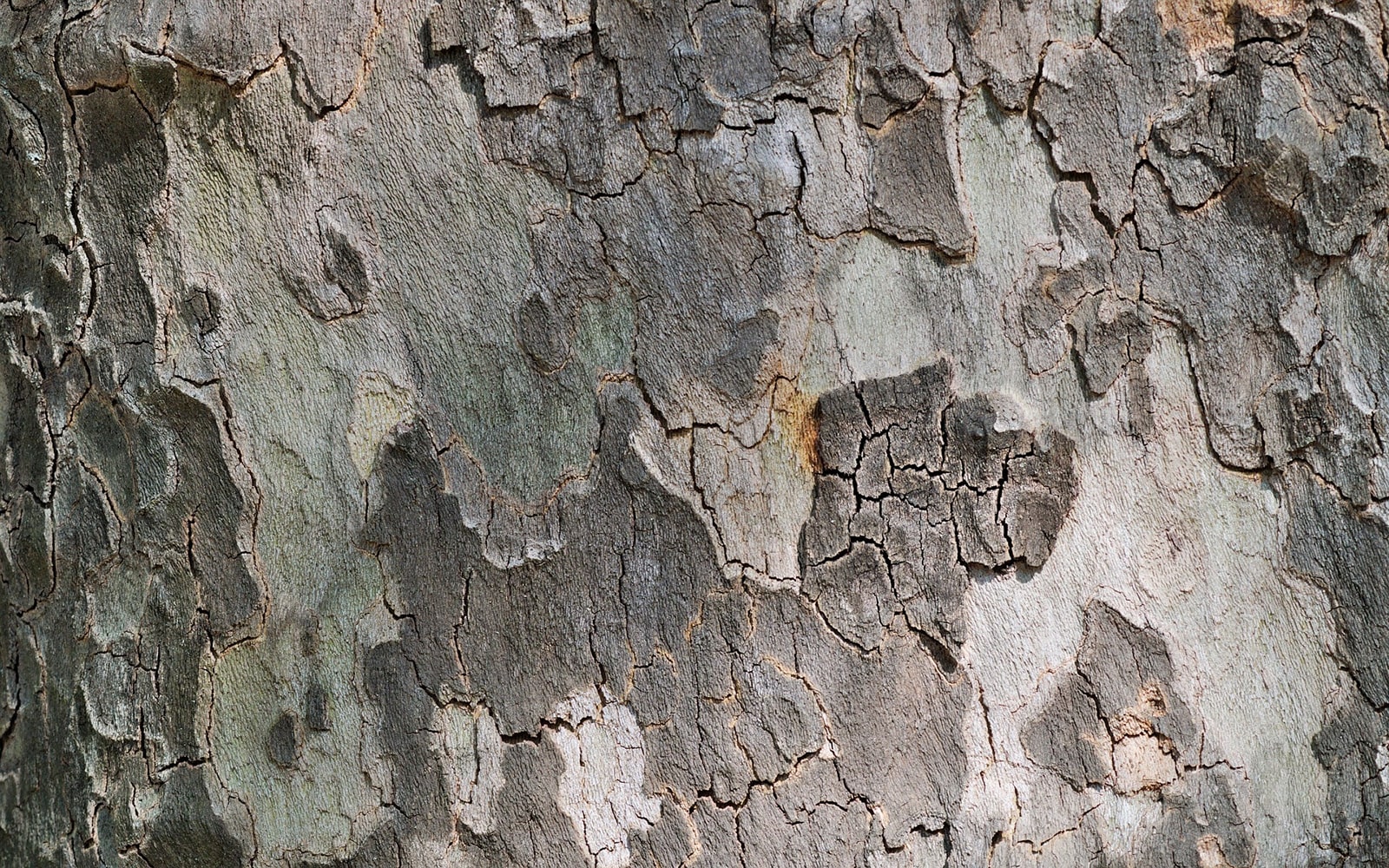
The thin bark cracks into scaly plates.

Picea omorika: Bark Color

grass
Dark Brown

Picea omorika: Surface/Attachment

Bumpy
Exfoliating
Fissured
Furrowed
Lenticels
Papery
Patchy
Peeling
Ridges
Scaly
Shaggy
Shiny
Shredding
Smooth
Spongy

Picea omorika Stem

Picea omorika: Stem Description

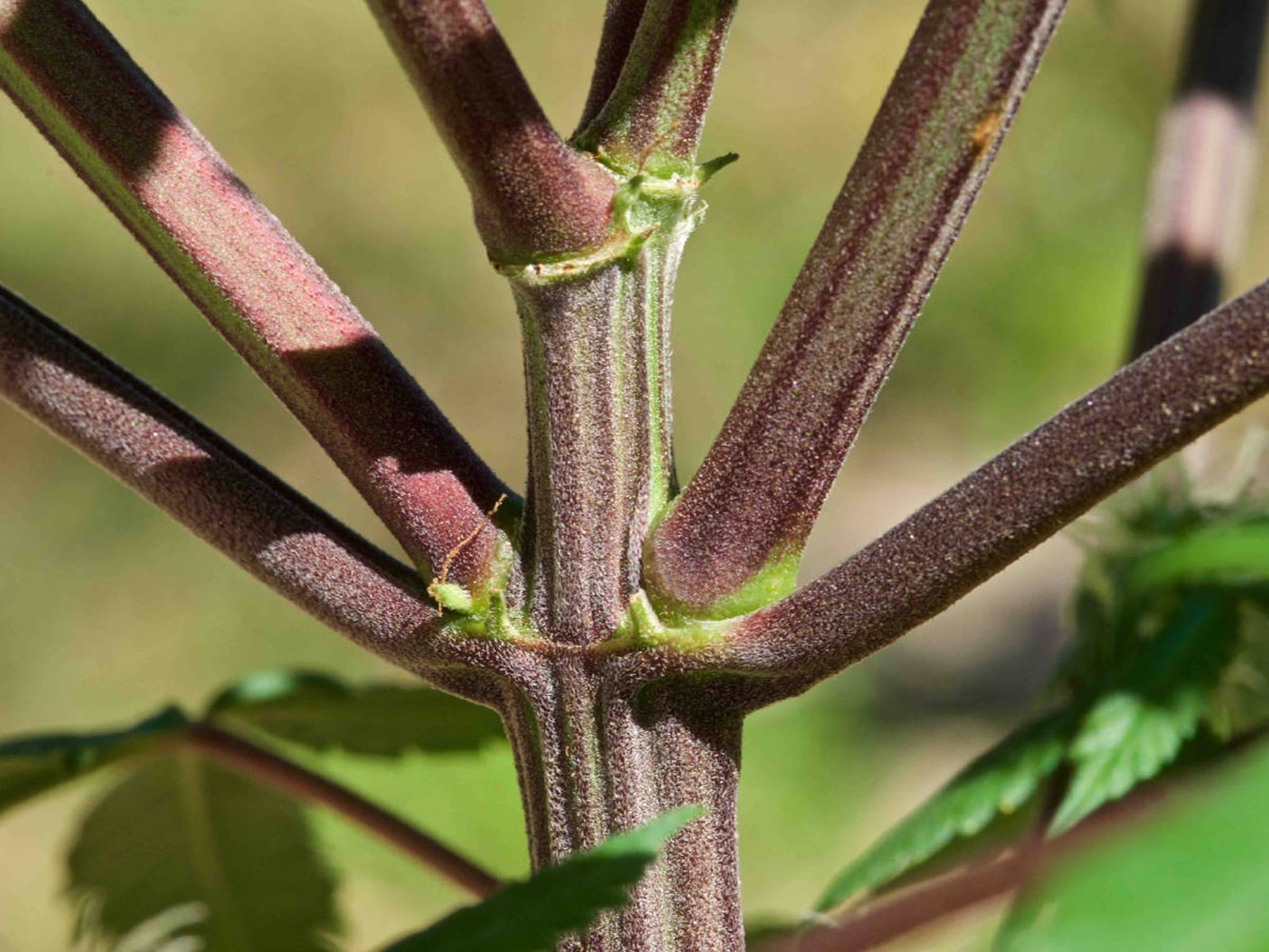
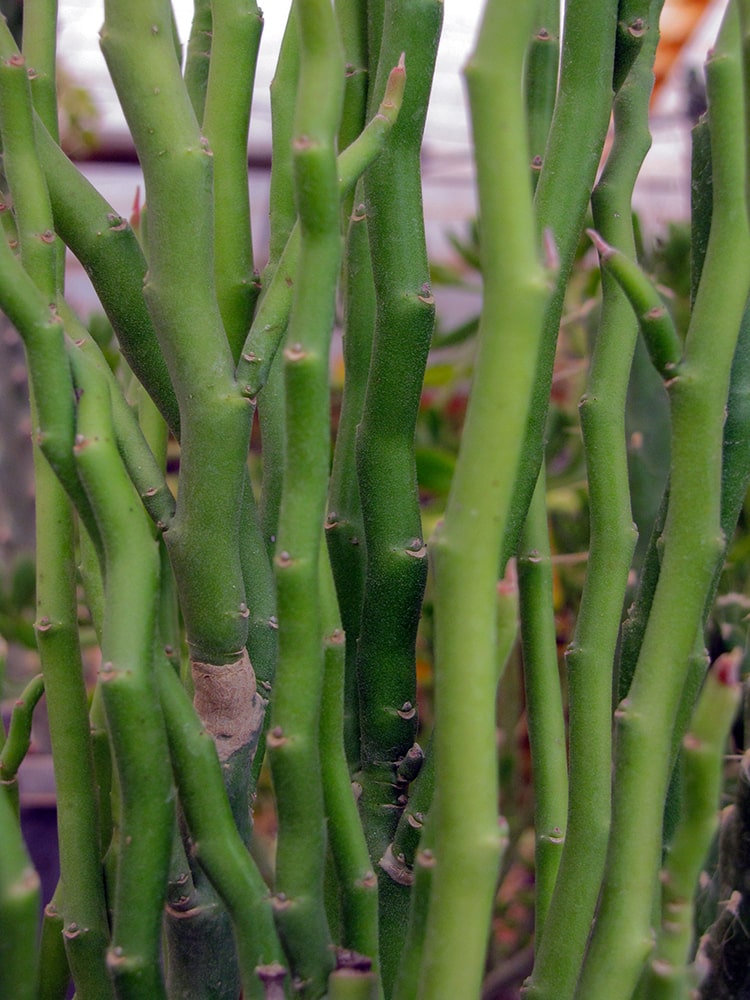
Distinctive to this species, the branches are short (up to 6') and pendant. They curl upwards at the ends.

Picea omorika: Stem Is Aromatic

No
Yes

Picea omorika: Stem Form

Straight
Zig Zags

Picea omorika Whole Plant Traits

Picea omorika: Plant Type

Annual
Bulb
Carnivorous
Edible
Epiphyte
Fern
Ground Cover
Herb
Herbaceous Perennial
Houseplant
Mushroom
Native Plant
Ornamental Grasses and Sedges
Perennial
Poisonous
Rose
Shrub
Succulent
Tree
Turfgrass
Vegetable
Vine
Water Plant
Weed
Wildflower

Picea omorika: Woody Plant Leaf Characteristics

Broadleaf Evergreen
Deciduous
Needled Evergreen
Semi-evergreen

Picea omorika: Habit/Form

Arching
Ascending
Broad
Cascading
Climbing
Clumping
Columnar
Conical
Creeping
Dense
Erect
Horizontal
Irregular
Mounding
Multi-stemmed
Multi-trunked
Open
Oval
Prostrate
Pyramidal
Rounded
Spreading
Vase
Weeping

Picea omorika: Growth Rate

Slow
Medium
Rapid

Picea omorika: Maintenance

Low
Medium
High

Picea omorika: Texture

Fine
Medium
Coarse

Picea omorika Cultural Conditions

Picea omorika: Light

Dappled Sunlight (Shade through upper canopy all day)
Deep shade (Less than 2 hours to no direct sunlight)
Full sun (6 or more hours of direct sunlight a day)
Partial Shade (Direct sunlight only part of the day, 2-6 hours)

Picea omorika: Soil pH

Acid (<6.0)
Alkaline (>8.0)
Neutral (6.0-8.0)

Picea omorika: Soil Drainage

Frequent Standing Water
Good Drainage
Moist
Occasional Flooding
Occasionally Dry
Occasionally Wet
Very Dry

Picea omorika: Available Space To Plant

12 inches-3 feet
12-24 feet
24-60 feet
3 feet-6 feet
6-feet-12 feet
Less than 12 inches
more than 60 feet

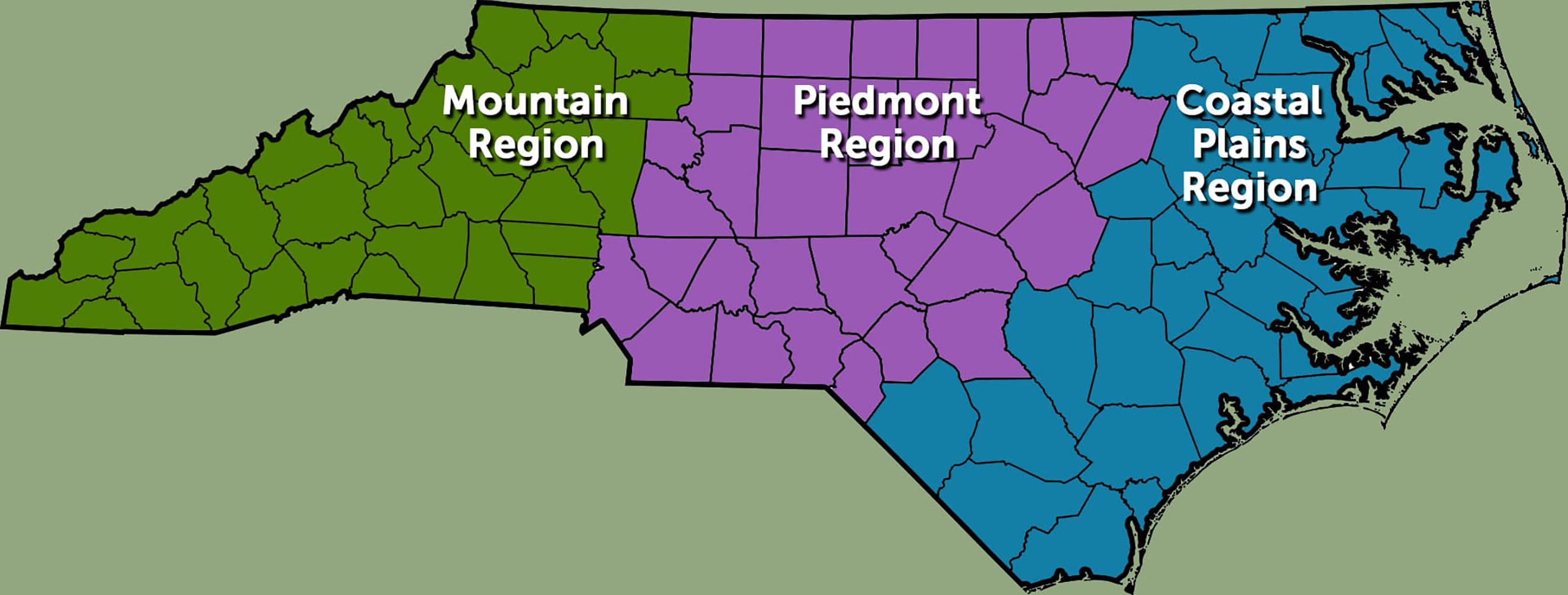
Picea omorika: NC Region

Coastal
Mountains
Piedmont

Picea omorika: USDA Plant Hardiness Zone

thermostat
4a
thermostat
4b
thermostat
5a
thermostat
5b
thermostat
6a
thermostat
6b
thermostat
7a
thermostat
7b

Picea omorika: Soil Texture

Clay
High Organic Matter
Loam (Silt)
Sand
Shallow Rocky

Picea omorika Landscape

Picea omorika: Design Feature

Accent
Barrier
Border
Flowering Tree
Foundation Planting
Hedge
Mass Planting
Screen/Privacy
Security
Shade Tree
Small groups
Small Tree
Specimen
Street Tree
Understory Tree

Picea omorika: Resistance To Challenges

Black Walnut
Compaction
Deer
Diseases
Drought
Dry Soil
Erosion
Fire
Foot Traffic
Heat
Heavy Shade
Humidity
Insect Pests
Pollution
Poor Soil
Rabbits
Salt
Slugs
Squirrels
Storm damage
Urban Conditions
Voles
Wet Soil
Wind

Picea omorika: Landscape Location

Coastal
Container
Hanging Baskets
Houseplants
Lawn
Meadow
Naturalized Area
Near Septic
Patio
Pond
Pool/Hardscape
Recreational Play Area
Riparian
Rock Wall
Slope/Bank
Small Space
Vertical Spaces
Walkways
Woodland

Picea omorika: Attracts

Bats
Bees
Butterflies
Frogs
Hummingbirds
Moths
Pollinators
Predatory Insects
Reptiles
Small Mammals
Songbirds
Specialized Bees