
Pinus mugo: Country Or Region Of Origin
Mountains of central and southern Europe
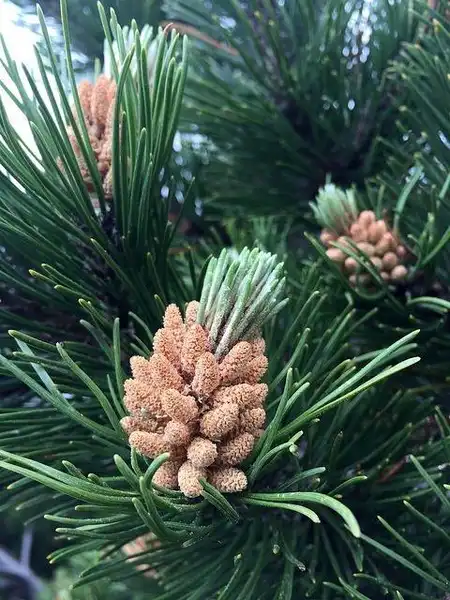
Phonetic Spelling:PY-nus MEW-go
Genus:Pinus
Species:mugo
Family:Pinaceae
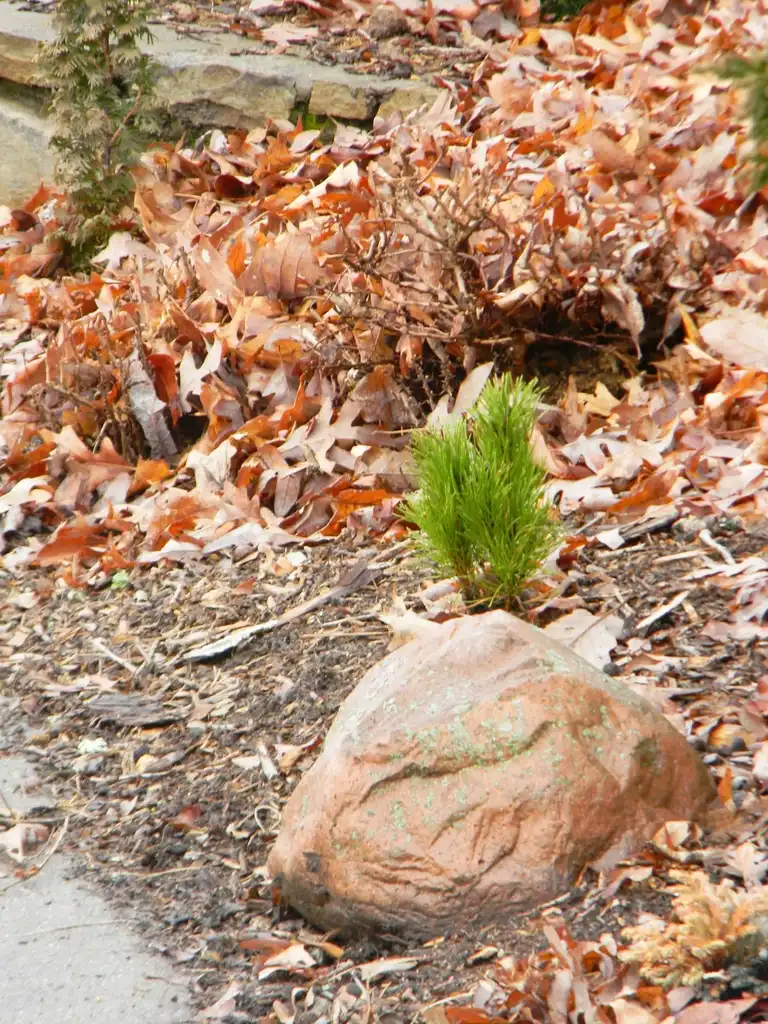
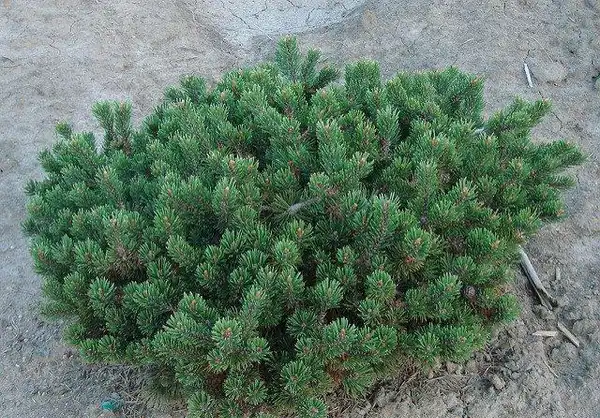
Pinus mugo, commonly known as mugo pine, is a coniferous species indigenous to the high-altitude regions of southwestern and Central Europe. This evergreen gymnosperm typically reaches heights of 15 to 20 feet and spreads between 15 to 20 feet wide. Its stems grow in clusters without a prominent central leader, resulting in a mature plant that often has a dense, bushy appearance, generally wider than it is tall. However, its growth form can vary significantly, with some specimens exhibiting a more prostrate growth habit, while others can develop into taller trees, reaching heights of up to 80 feet. The size of mugo pine can differ greatly among individual plants.
This species does not usually form a taproot, making it relatively easy to transplant. To maintain its compact shape, it is advisable to prune the plant annually in late winter. Mugo pine thrives in cooler summer climates and shows a good tolerance for urban environments. The nomenclature can be somewhat confusing, as it is referred to by various names, including Pinus mugo subsp. mugo var. mugo f. mugo, along with several variations such as muggo, mugoo, mugho, mogu, moghuo, and mojo. It is frequently used in container gardening, as a foundation plant, and for mass plantings.
This tree is notably resistant to deer damage.
Mugo pine prefers deep, moist, well-drained loam soil and flourishes in full sun or partial shade. However, it is highly adaptable and can thrive in a range of soil types, including poor, clay, sandy, dry, and alkaline soils. Transplanting is straightforward when the plant is balled and burlapped.
Some pests that may affect mugo pine include pine needle scale, sawflies, moths, and borers. Additionally, it can be vulnerable to issues such as tip blight, rust, and rot.
**Quick Identification Tips:**