Picea smithiana: Country Or Region Of Origin
Western Himalayas from Afghanistan to Nepal and Tibet.
Phonetic Spelling:PY-see-uh smith-ee-an-uh
Genus:Picea
Species:smithiana
Family:Pinaceae
The Himalayan Spruce thrives in well-drained, medium moisture soils under full sunlight, particularly flourishing in regions with moderately cool summers. However, it may face challenges in areas characterized by intense heat and humidity.
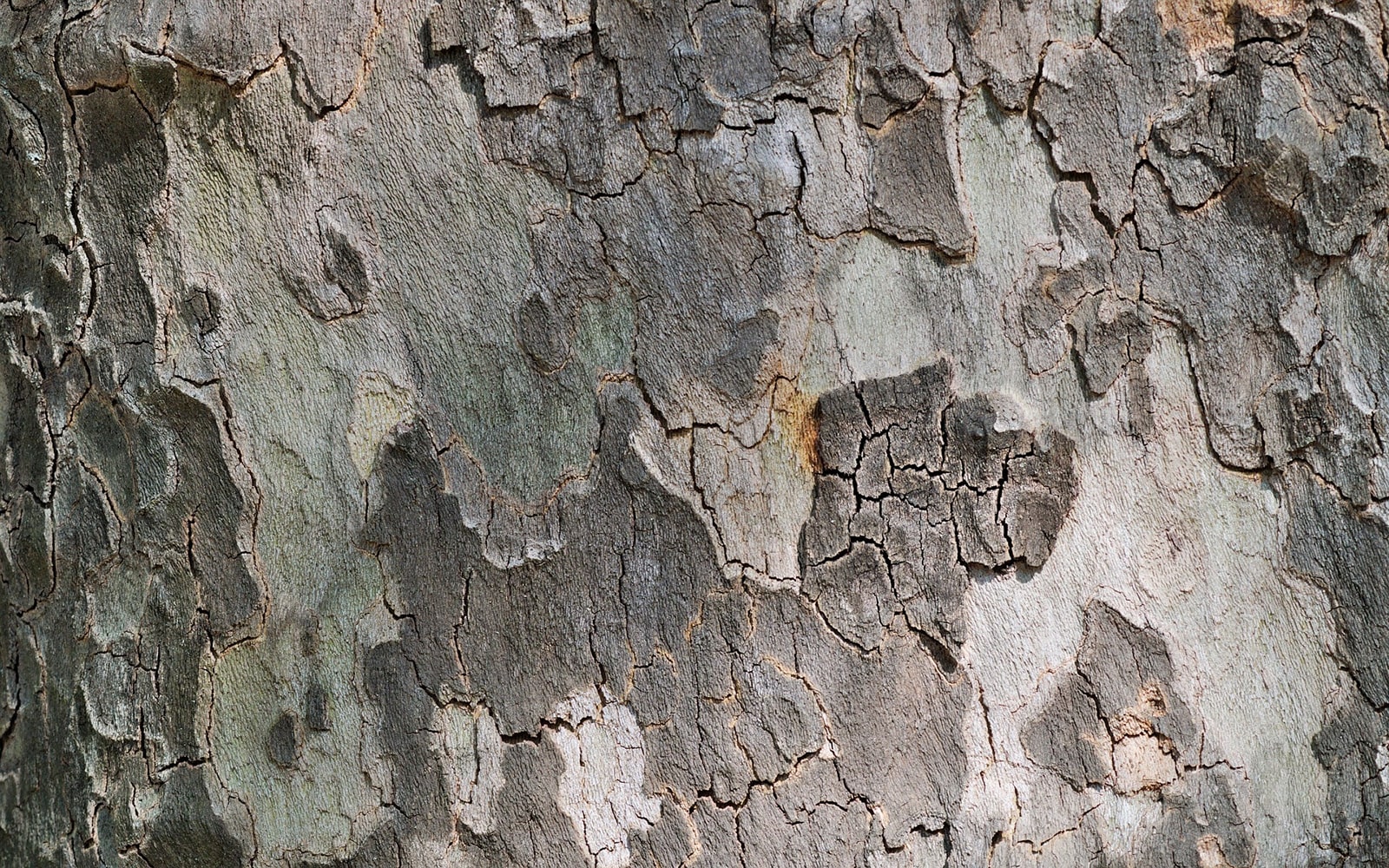
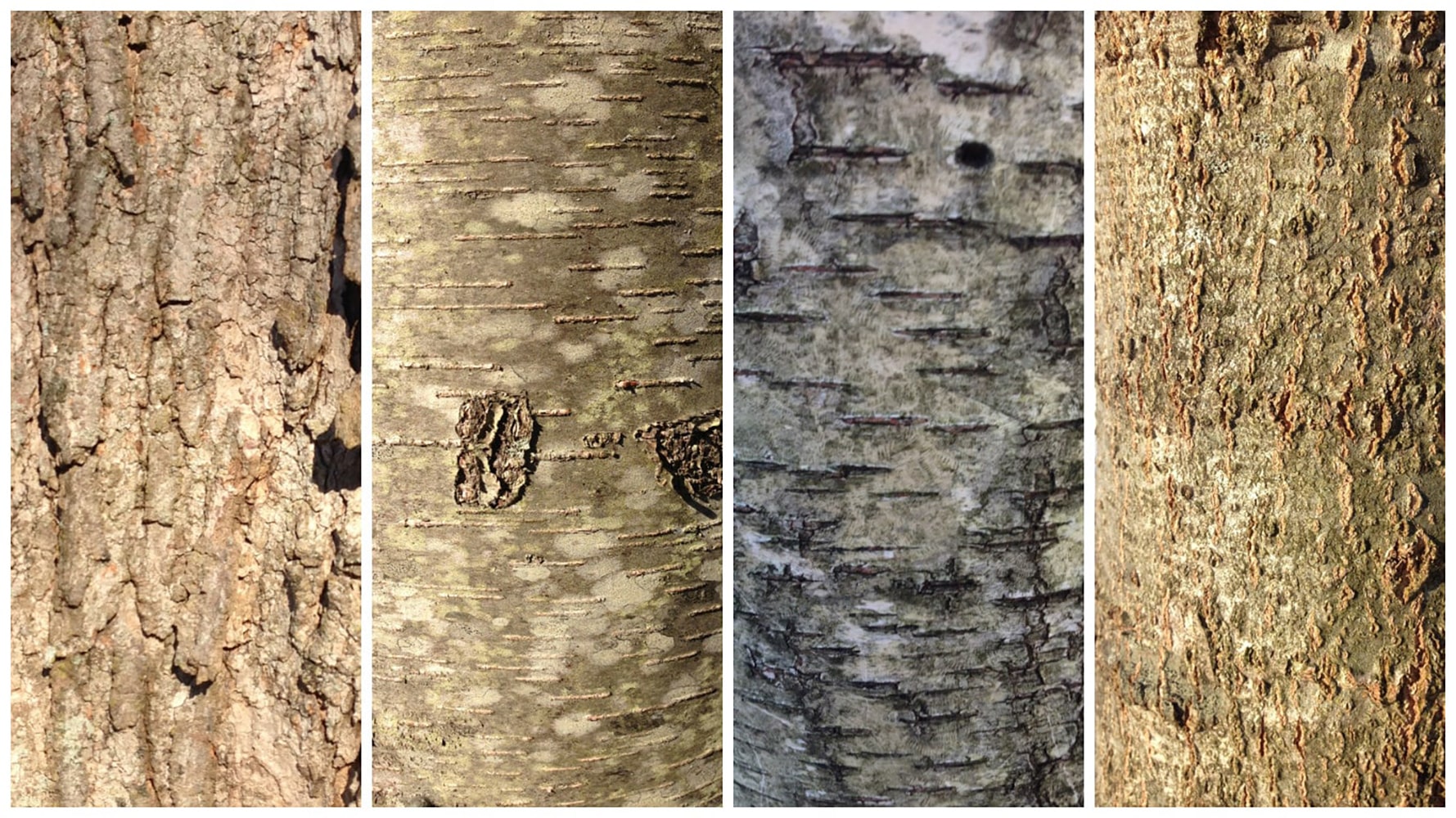
This coniferous tree features a tall, pyramidal shape with horizontal branches and drooping branchlets. Its needle-like, green foliage encircles the branches and has a distinctive four-angled cross-section. The bark is scaly and gray, while the female cones are shiny, brownish-purple, and hang loosely from the branches. Notably, this species boasts the longest needles among all spruces.
While the Himalayan Spruce does not face significant threats from insects or diseases, it can be vulnerable to issues such as needle and stem rust, canker, and both trunk and root rot. In certain regions, pests like the yellow-headed spruce sawfly, spruce budworm, and eastern spruce beetle may pose challenges, along with the common presence of spider mites.
Picea smithiana Feature Summary