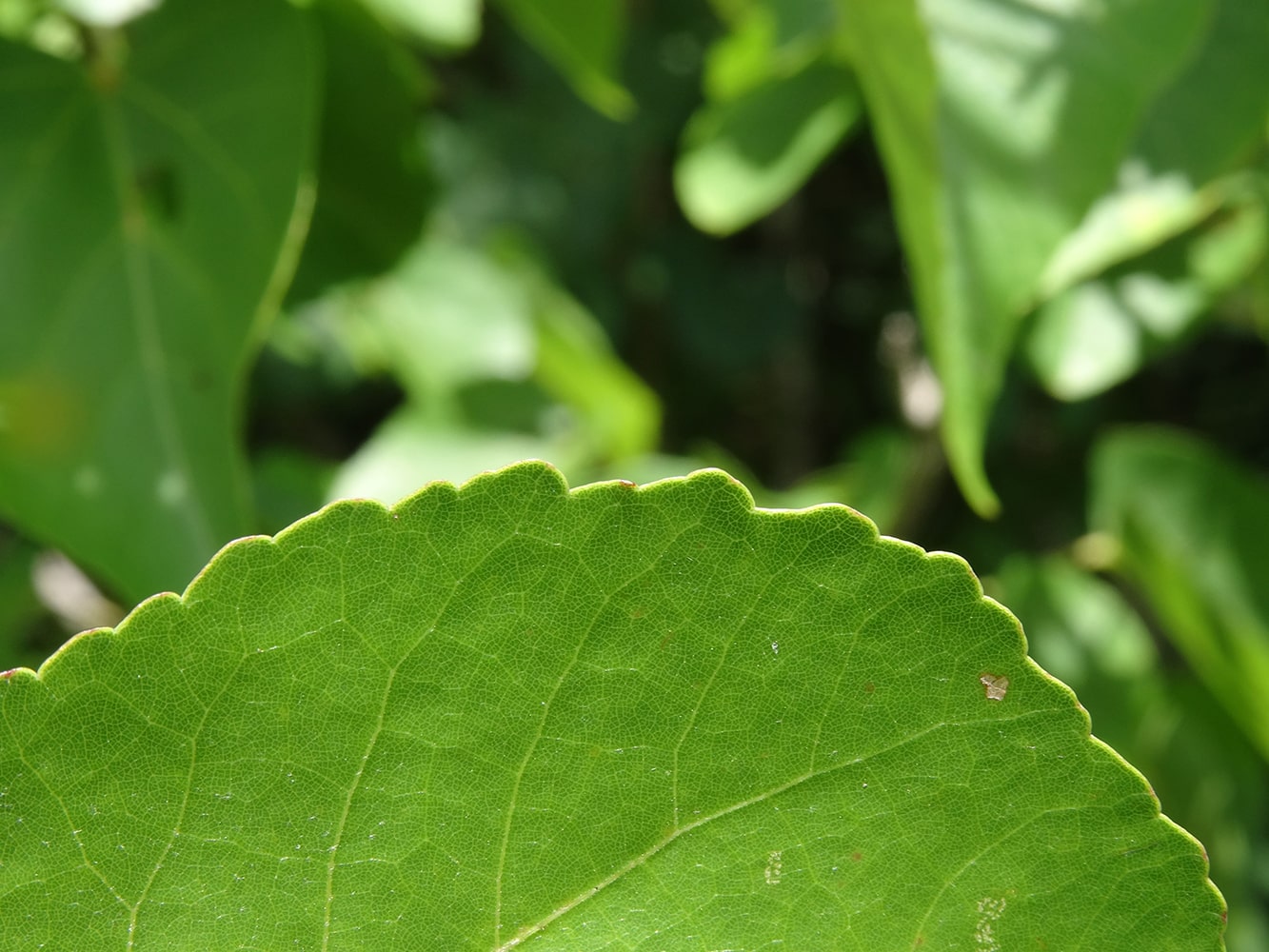
Dark green, simple, opposite, ovate, hairless leaves serrate margins. Three major veins with netted side veins. Undersides are almost white. Petioles are 1" or longer.
Tiny green with black stripes achenes spread by wind.
Pilea pumila: Fruit Type
Achene
Aggregate
Berry
Capsule
Caryopsis
Drupe
Follicle
Legume
Nut
Pome
Samara
Schizocarp
Siliqua
Pilea pumila Flowers
Pilea pumila: Flower Description
Wind-pollianted flowers form from mid-summer to fall in racemes 1" long in the leaf axils. Petal-less lowers are green-white-yellow less than 1/8"
Pilea pumila: Flower Color
filter_vintage
Gold/Yellow
filter_vintage
Green
filter_vintage
White
Pilea pumila: Flower Inflorescence
Catkin
Corymb
Cyme
Head
Insignificant
Panicle
Raceme
Solitary
Spadix
Spike
Umbel
Pilea pumila: Flower Bloom Time
Winter
Spring
Summer
Fall
Pilea pumila Leaves
Pilea pumila: Leaf Description
Dark green, simple, opposite, ovate, hairless leaves serrate margins. Three major veins with netted side veins. Undersides are almost white. Petioles are 1" or longer.
Pilea pumila: Leaf Color
spa
Green
Pilea pumila: Leaf Type
Compound (Pinnately , Bipinnately, Palmately)
Fronds
Needles
Sheath
Simple
Pilea pumila: Leaf Arrangement
Alternate
Opposite
Other/more complex
Rosulate
Whorled
Pilea pumila: Leaf Shape
Acicular
Auriculate
Cordate
Cuneate
Deltoid
Elliptical
Filiform
Lanceolate
Linear
Oblanceolate
Oblong
Obovate
Obtuse
Orbicular
Ovate
Palmasect
Palmatifid
Peltate
Pinnatifid
Pinnatisect
Reniform
Rhomboidal
Spatulate
Subcordate
Subulate
Pilea pumila: Leaf Margin
Crenate
Crenulate
Dentate
Denticulate
Doubly Crenate
Doubly Dentate
Doubly Serrate
Entire
Lobed
Serrate
Sinuate
Undulate
Pilea pumila: Hairs Present
No
Yes
Pilea pumila Cultural Conditions
Pilea pumila: Light
Dappled Sunlight (Shade through upper canopy all day)
Deep shade (Less than 2 hours to no direct sunlight)
Full sun (6 or more hours of direct sunlight a day)
Partial Shade (Direct sunlight only part of the day, 2-6 hours)