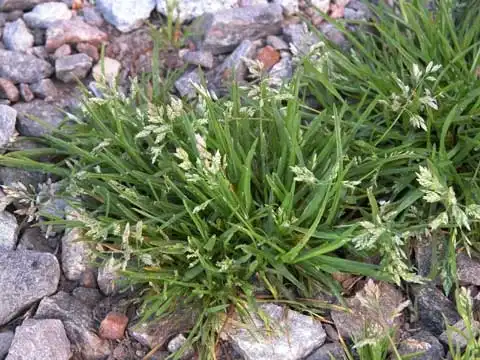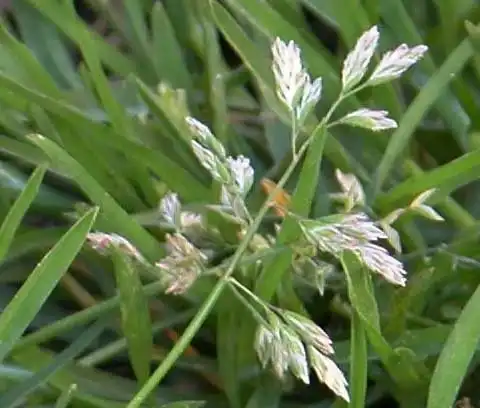
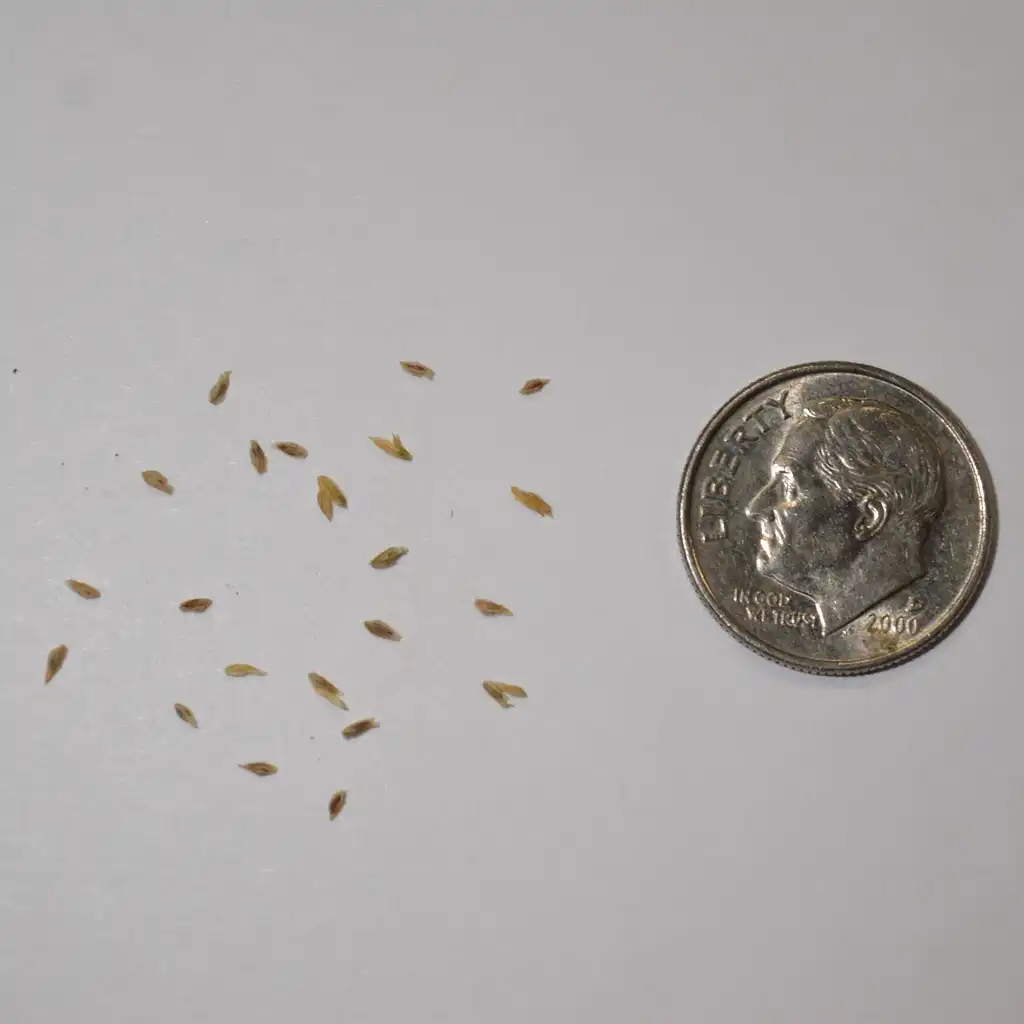
• Photo of Poa annua (Poa annuas)

Plant Profile: Poa annua

Taxonomy: Poa annua

Names

Annual Blue, Annual Bluegrass, Annual Meadowgrass, Low Spear Grass, Meadow Grass, Six Week Grass, Walkgrass

  • Photo of Poa annua (Poa annuas)

Phonetic Spelling:POH-ah AN-yoo-uh

Genus:Poa

Species:annua L.

Family:Poaceae

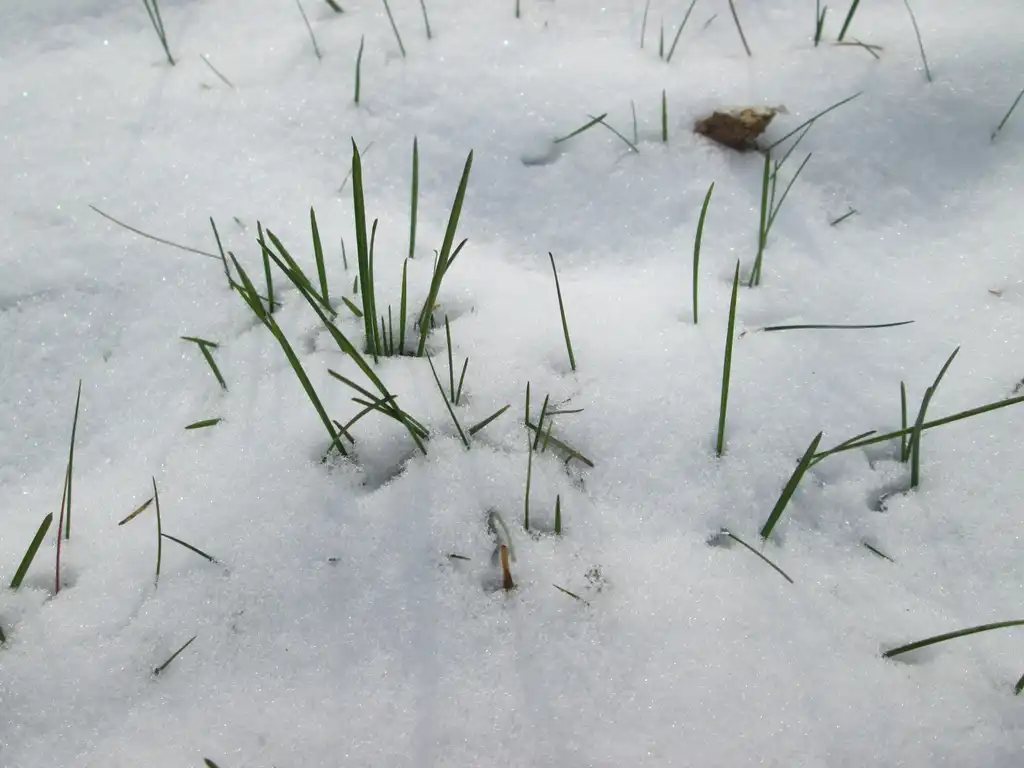
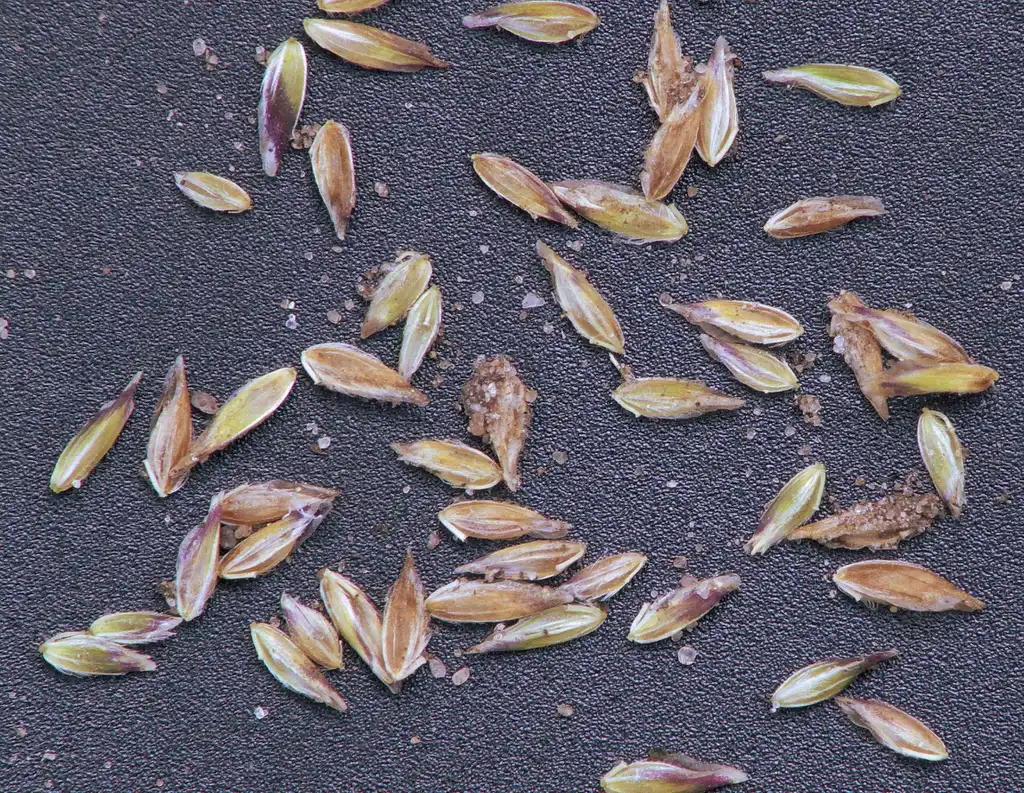
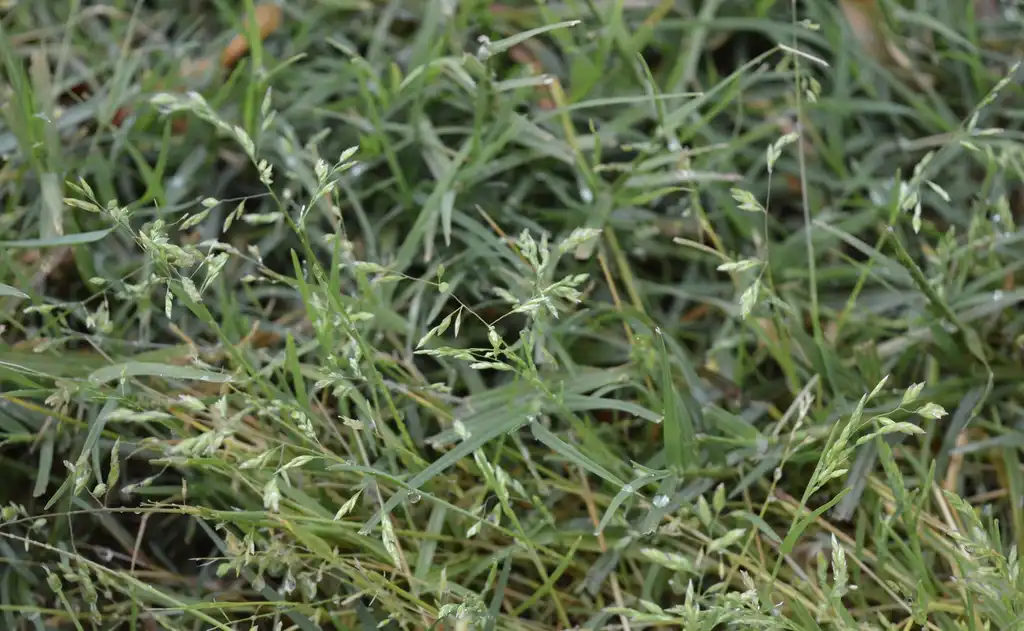
Annual bluegrass, belonging to the Poaceae family, is a clump-forming winter annual grass characterized by its yellow-green hue, prow-shaped leaf tips, and unique whitish flower heads. This grass is predominantly regarded as a weed in lawns and turf areas. It thrives in moist, shaded environments, emerging in the fall and continuing through spring, flowering before it succumbs to the heat of summer. Although annual bluegrass generates a significant number of seeds, making it a challenging weed to manage, it can be effectively controlled with most preemergence herbicides that are approved for use. Each plant can produce hundreds of seeds in a single season, and these seeds can remain dormant for years before germinating.

Poa annua Feature Summary

Poa annua Image Gallery

Tags

#vigorous
#weed
#weedy
#winter annual weed
#annual weed
#bluegrass

Similar Plants

Poa annua is often confused with:

Poa annua Feature Summary

Attributes
P. annua is native to temperate areas of Eurasia.
P. annua is a cosmopolitan grass that is listed as one of the most aggressive weeds invading areas from sea level up to 1200 m in elevation. It can be found from the Arctic to the Antarctic regions in practically all terrestrial ecosystems. It is listed as a weed in 38 crops in more than 80 countries within and outside its native distribution range. It grows in a wide variety of soils, tolerates trampling, mowing, and frozen conditions, and is a frequent weed in areas heavily trafficked by livestock or humans. This species has the potential to outcompete other plants and crops. The list of countries in which this species now occurs may not be complete, as P. annua has spread to almost all areas of the world where temperate and subtropical crops are grown, and to some relatively undisturbed habitats.
low flammability
Flowers
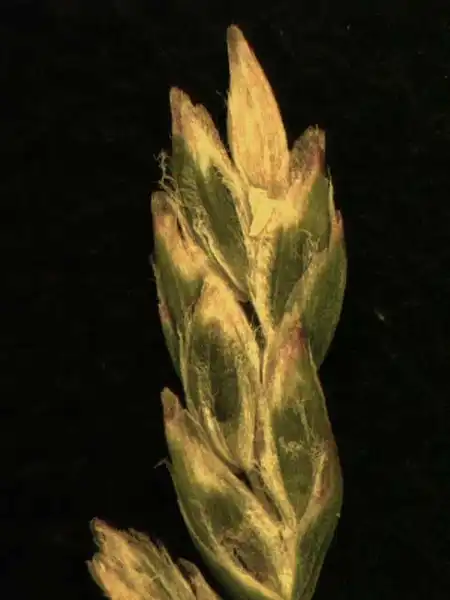
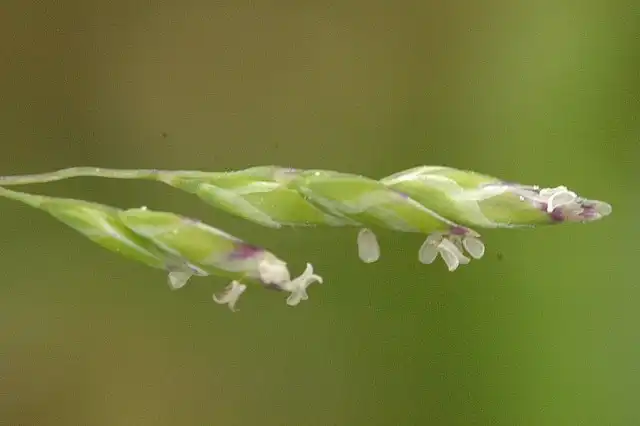
The spikelets are stalked, awnless, 1 to 2 cm (3/8 to 3/4 in.) long when flowering, and loosely arranged on delicate paired or spreading branches.
Irregular
< 1 inch
Leaves
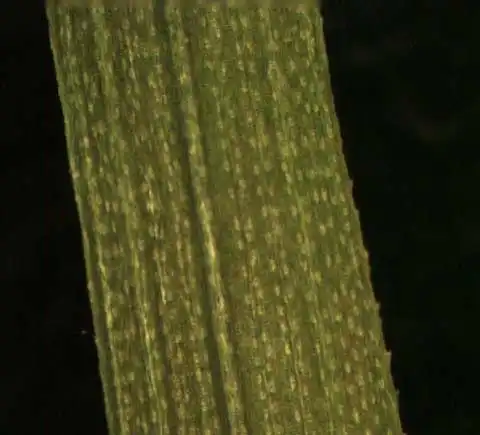
The leaves are flat, slightly keeled with characteristic 'tramlines'. The leaves are smooth and abruptly contracted at the apices to give a characteristic 'boat-shaped tip'. A further characteristic is that the leaves are often transversely wrinkled. The leaves are folded in the sheath which is smooth and somewhat compressed. Screen reader support enabled.
3-6 inches
< 1 inch
Whole Plant Traits
Cultural Conditions
Partial Shade (Direct sunlight only part of the day, 2-6 hours)
Acid (<6.0)
Neutral (6.0-8.0)
Good Drainage
Less than 12 inches
Coastal
Mountains
Piedmont
4a
4b
5b
5a
6a
6b
7a
7b
8b
8a
Clay
Loam (Silt)
Sand
Fruit
Landscape

Poa annua Attributes

Poa annua: Country Or Region Of Origin

P. annua is native to temperate areas of Eurasia.
Poa annua: Distribution

P. annua is a cosmopolitan grass that is listed as one of the most aggressive weeds invading areas from sea level up to 1200 m in elevation. It can be found from the Arctic to the Antarctic regions in practically all terrestrial ecosystems. It is listed as a weed in 38 crops in more than 80 countries within and outside its native distribution range. It grows in a wide variety of soils, tolerates trampling, mowing, and frozen conditions, and is a frequent weed in areas heavily trafficked by livestock or humans. This species has the potential to outcompete other plants and crops. The list of countries in which this species now occurs may not be complete, as P. annua has spread to almost all areas of the world where temperate and subtropical crops are grown, and to some relatively undisturbed habitats.

Poa annua: Life Cycle

Annual
Biennial
Bulb
Perennial
Woody

Poa annua: Recommended Propagation Strategy

Division
Grafting
Layering
Leaf Cutting
Root Cutting
Seed
Stem Cutting

Poa annua: Fire Risk Rating

extreme flammability
high flammability
low flammability
medium flammability

Poa annua Flowers

Poa annua: Flower Description

The spikelets are stalked, awnless, 1 to 2 cm (3/8 to 3/4 in.) long when flowering, and loosely arranged on delicate paired or spreading branches.

Poa annua: Flower Color

filter_vintage
White

Poa annua: Flower Inflorescence

Catkin
Corymb
Cyme
Head
Insignificant
Panicle
Raceme
Solitary
Spadix
Spike
Umbel

Poa annua: Flower Bloom Time

Winter
Spring
Summer
Fall

Poa annua: Flower Shape

Bell
Cross
Crown
Cup
Dome
Funnel
Irregular
Lipped
Radial
Saucer
Star
Trumpet
Tubular
Urn
Wheel

Poa annua: Flower Size

1-3 inches
3-6 inches
< 1 inch
> 6 inches

Poa annua Leaves

Poa annua: Leaf Description

The leaves are flat, slightly keeled with characteristic 'tramlines'. The leaves are smooth and abruptly contracted at the apices to give a characteristic 'boat-shaped tip'. A further characteristic is that the leaves are often transversely wrinkled. The leaves are folded in the sheath which is smooth and somewhat compressed. Screen reader support enabled.

Poa annua: Leaf Color

spa
Green

Poa annua: Leaf Arrangement

Alternate
Opposite
Other/more complex
Rosulate
Whorled

Poa annua: Leaf Shape

Acicular
Auriculate
Cordate
Cuneate
Deltoid
Elliptical
Filiform
Lanceolate
Linear
Oblanceolate
Oblong
Obovate
Obtuse
Orbicular
Ovate
Palmasect
Palmatifid
Peltate
Pinnatifid
Pinnatisect
Reniform
Rhomboidal
Spatulate
Subcordate
Subulate

Poa annua: Leaf Margin

Crenate
Crenulate
Dentate
Denticulate
Doubly Crenate
Doubly Dentate
Doubly Serrate
Entire
Lobed
Serrate
Sinuate
Undulate

Poa annua: Hairs Present

No
Yes

Poa annua: Leaf Length

< 1 inch
1-3 inches
3-6 inches
> 6 inches

Poa annua: Leaf Feel

Fleshy
Glossy
Leathery
Papery
Prickly
Rough
Rubbery
Slippery
Smooth
Soft
Velvety
Waxy

Poa annua: Leaf Width

< 1 inch
1-3 inches
3-6 inches
> 6 inches

Poa annua Whole Plant Traits

Poa annua: Plant Type

Annual
Bulb
Carnivorous
Edible
Epiphyte
Fern
Ground Cover
Herb
Herbaceous Perennial
Houseplant
Mushroom
Native Plant
Ornamental Grasses and Sedges
Perennial
Poisonous
Rose
Shrub
Succulent
Tree
Turfgrass
Vegetable
Vine
Water Plant
Weed
Wildflower

Poa annua: Habit/Form

Arching
Ascending
Broad
Cascading
Climbing
Clumping
Columnar
Conical
Creeping
Dense
Erect
Horizontal
Irregular
Mounding
Multi-stemmed
Multi-trunked
Open
Oval
Prostrate
Pyramidal
Rounded
Spreading
Vase
Weeping

Poa annua: Growth Rate

Slow
Medium
Rapid

Poa annua: Maintenance

Low
Medium
High

Poa annua: Texture

Fine
Medium
Coarse

Poa annua Cultural Conditions

Poa annua: Light

Dappled Sunlight (Shade through upper canopy all day)
Deep shade (Less than 2 hours to no direct sunlight)
Full sun (6 or more hours of direct sunlight a day)
Partial Shade (Direct sunlight only part of the day, 2-6 hours)

Poa annua: Soil pH

Acid (<6.0)
Alkaline (>8.0)
Neutral (6.0-8.0)

Poa annua: Soil Drainage

Frequent Standing Water
Good Drainage
Moist
Occasional Flooding
Occasionally Dry
Occasionally Wet
Very Dry

Poa annua: Available Space To Plant

12 inches-3 feet
12-24 feet
24-60 feet
3 feet-6 feet
6-feet-12 feet
Less than 12 inches
more than 60 feet

Poa annua: NC Region

Coastal
Mountains
Piedmont

Poa annua: USDA Plant Hardiness Zone

thermostat
4a
thermostat
4b
thermostat
5a
thermostat
5b
thermostat
6a
thermostat
6b
thermostat
7a
thermostat
7b
thermostat
8a
thermostat
8b

Poa annua: Soil Texture

Clay
High Organic Matter
Loam (Silt)
Sand
Shallow Rocky

Poa annua Fruit

Poa annua: Fruit Type

Achene
Aggregate
Berry
Capsule
Caryopsis
Drupe
Follicle
Legume
Nut
Pome
Samara
Schizocarp
Siliqua

Poa annua Stem

Poa annua: Stem Is Aromatic

No
Yes

Poa annua Landscape

Poa annua: Problems

Allelopathic
Contact Dermatitis
Frequent Disease Problems
Frequent Insect Problems
Invasive Species
Malodorous
Messy
Poisonous to Humans
Problem for Cats
Problem for Children
Problem for Dogs
Problem for Horses
Short-lived
Spines/Thorns
Weak Wood
Weedy