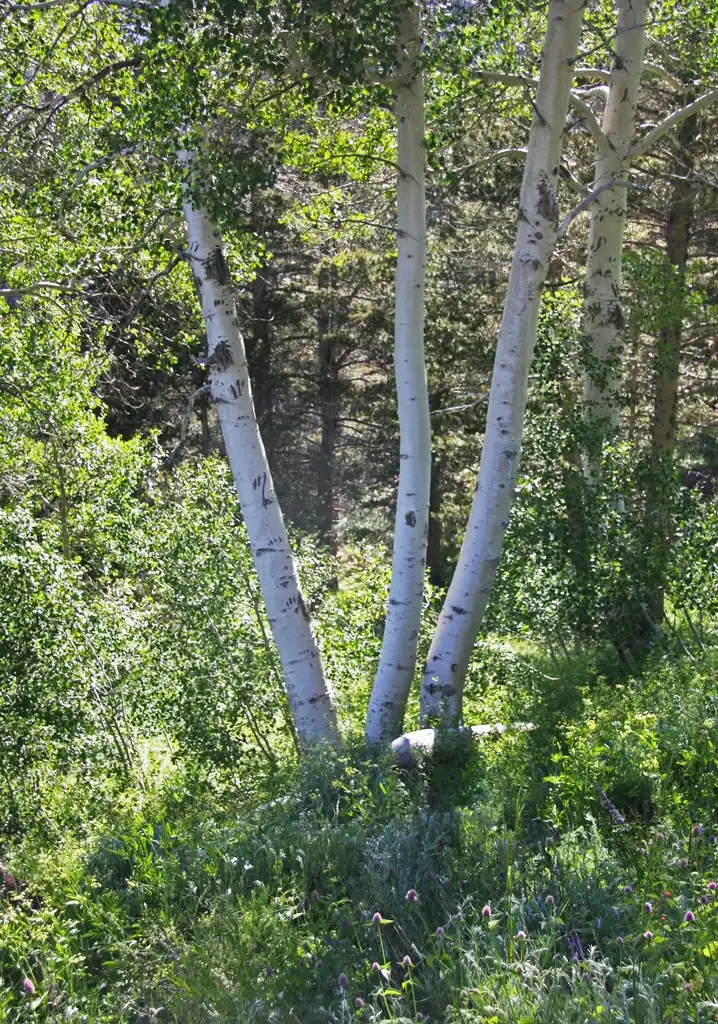
• Photo of Populus tremuloides (Populus tremuloidess)

Plant Profile: Populus tremuloides

Taxonomy: Populus tremuloides

Names

Quaking Aspen

  • Photo of Populus tremuloides (Populus tremuloidess)

Phonetic Spelling:POP-yoo-lus trem-yoo-LOY-deez

Genus:Populus

Species:tremuloides

Family:Salicaceae

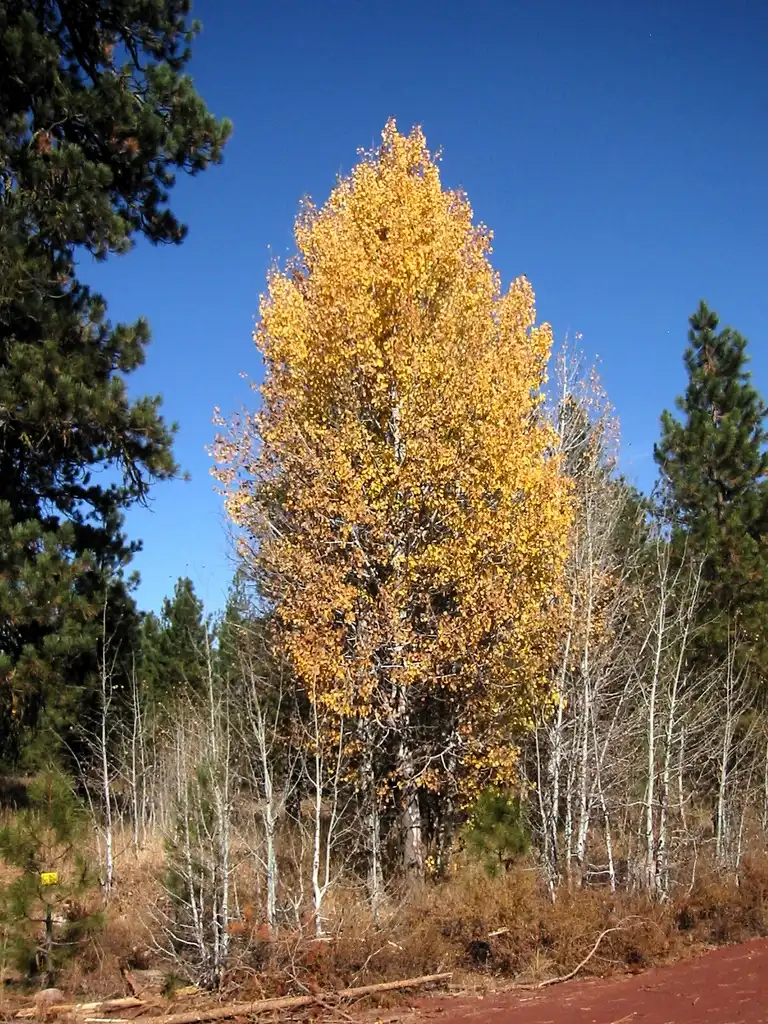
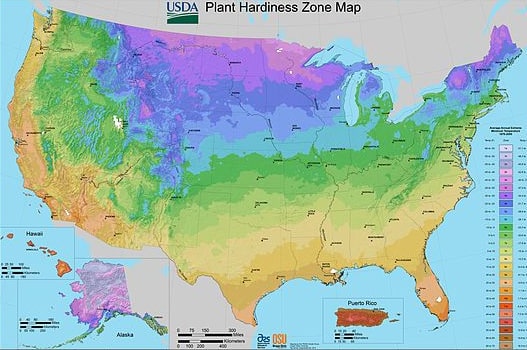
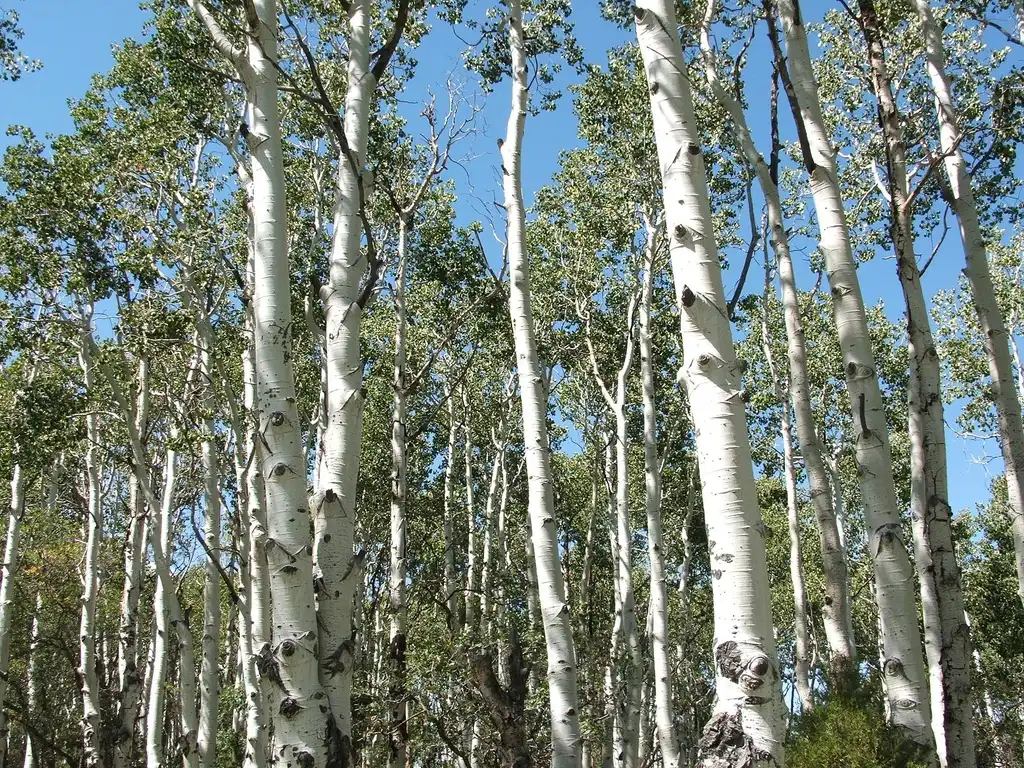
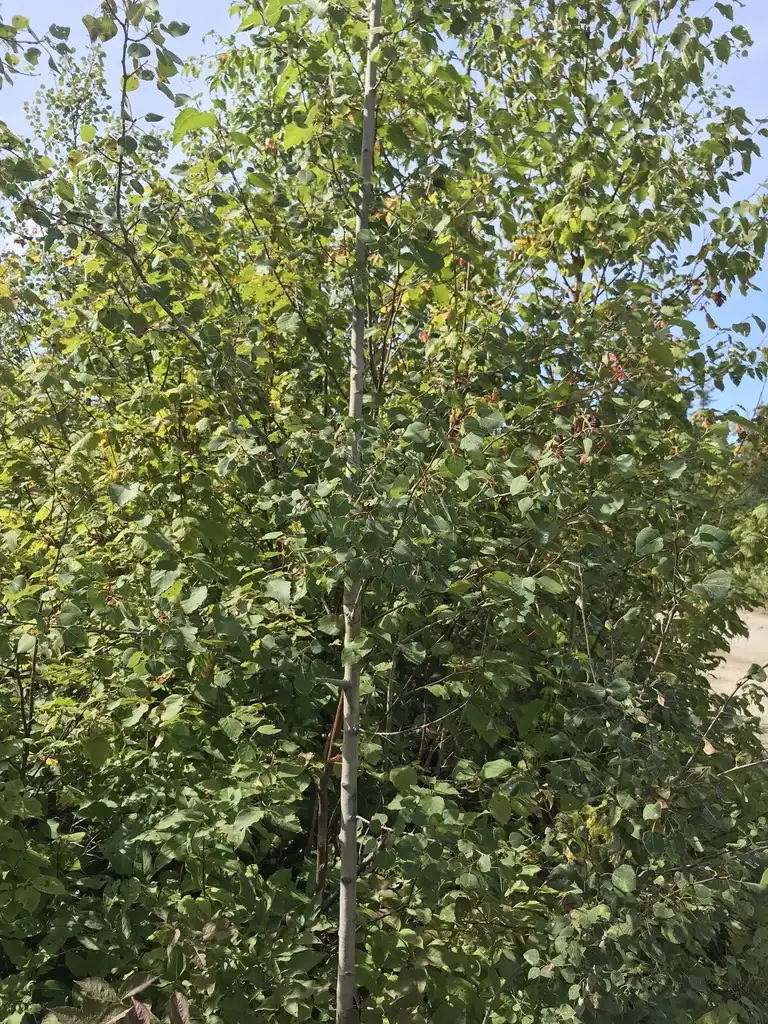
The quaking aspen, a deciduous tree belonging to the willow family, is indigenous to a limited region in the North Carolina mountains and typically does not extend its range south of USDA hardiness zone 6. In its youth, the tree exhibits a distinctly pyramidal shape, which evolves into a slender, rounded crown as it matures. Preferring the cooler climates of northern areas, the quaking aspen flourishes in rocky soils at high altitudes and adapts to clay or sandy loams at lower elevations.

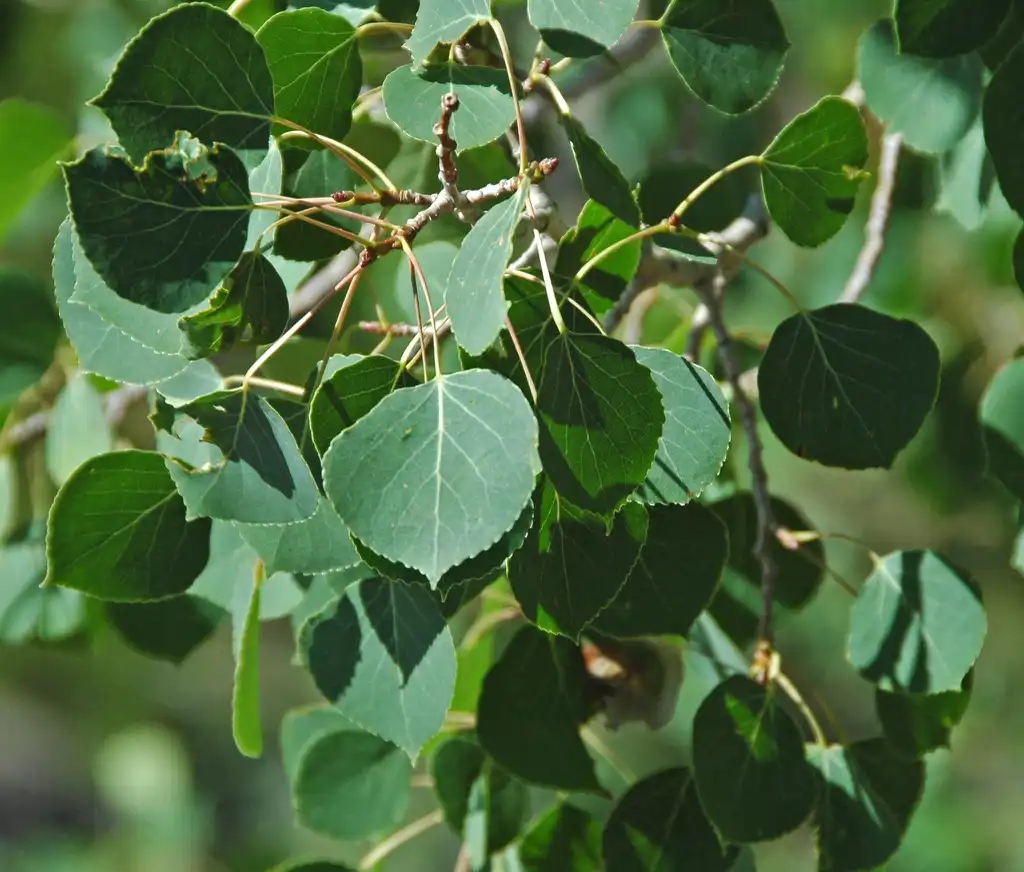
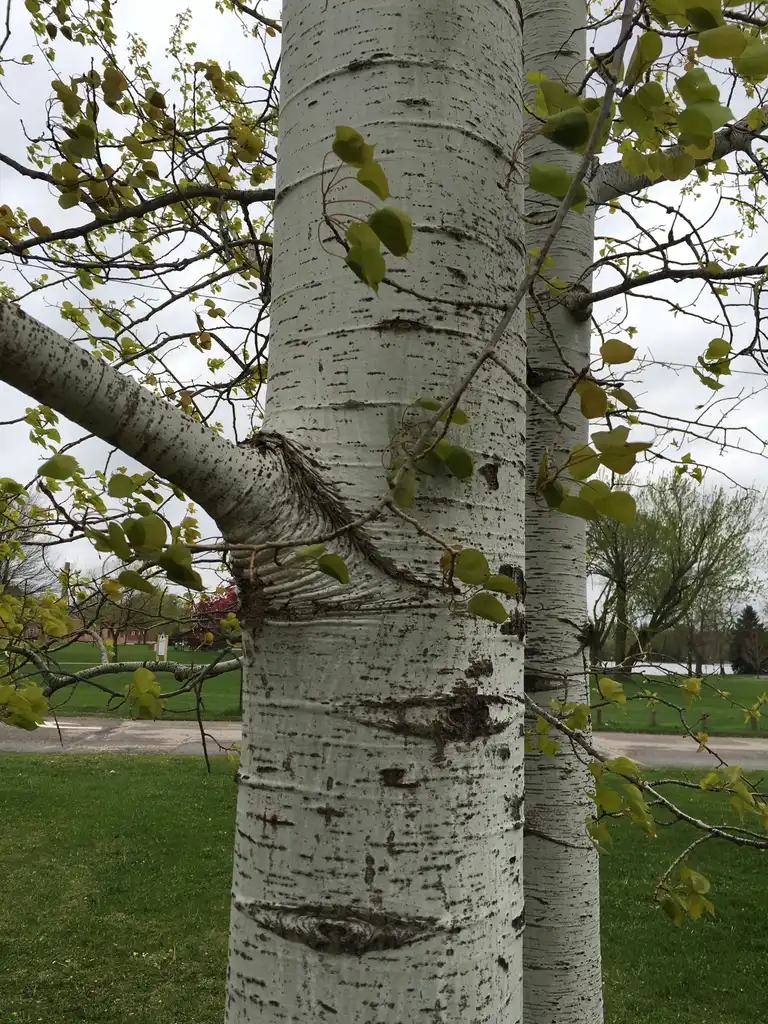
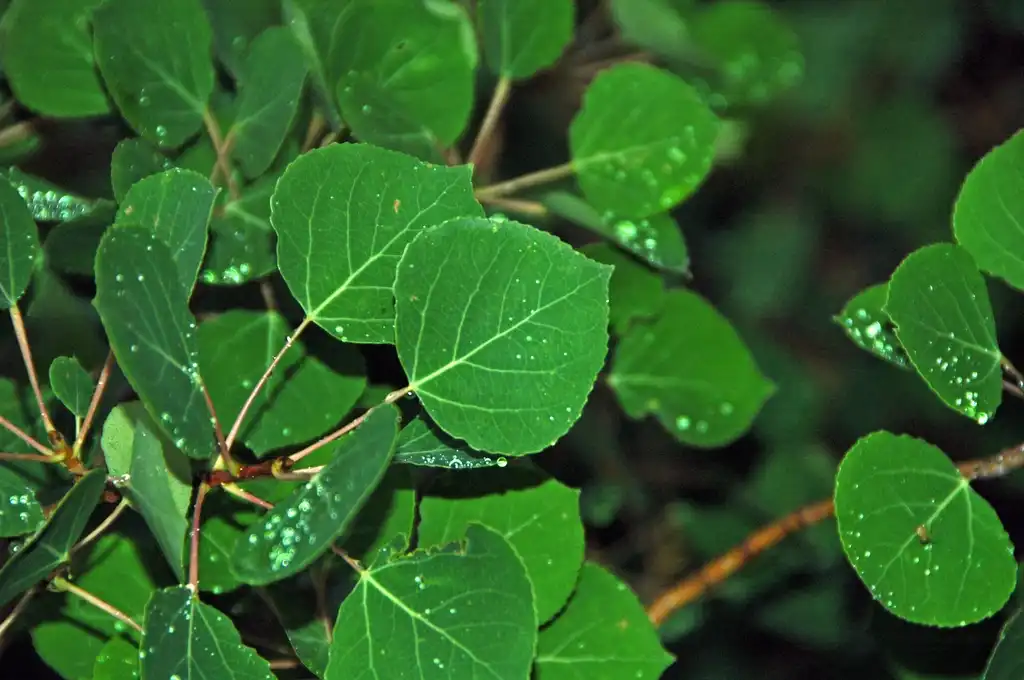
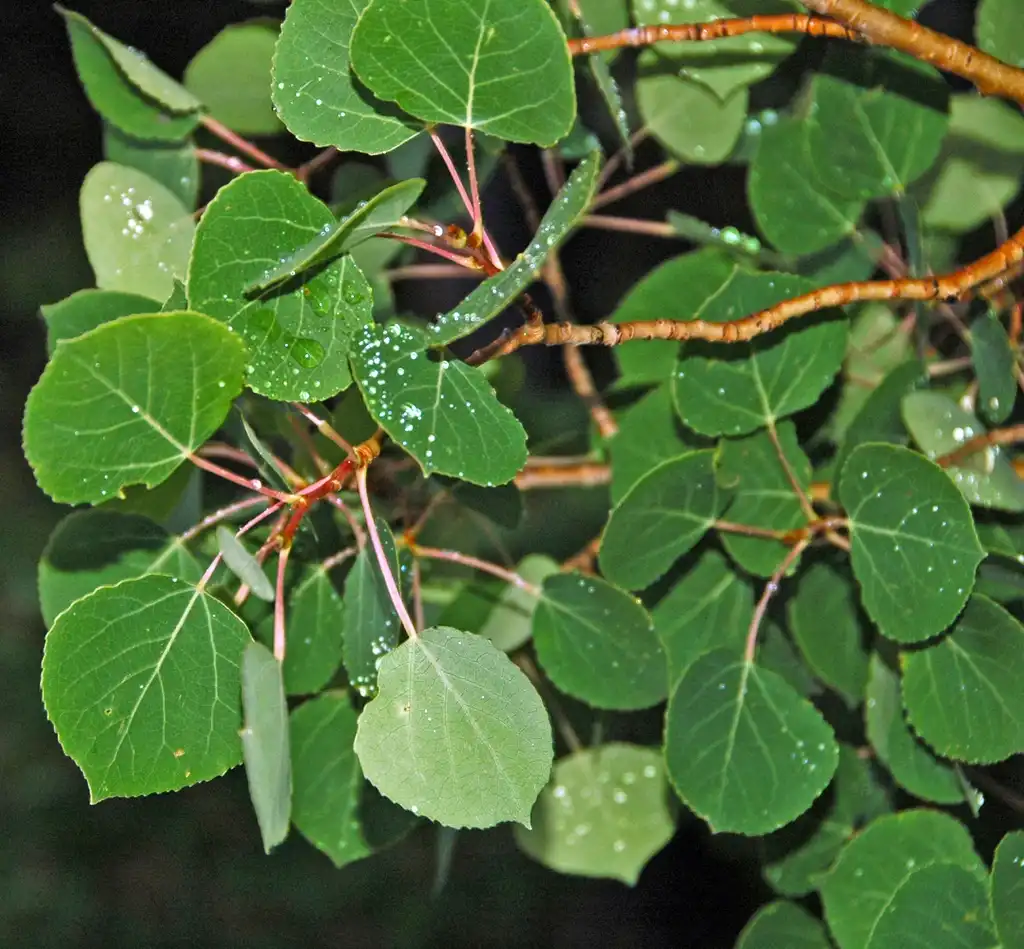
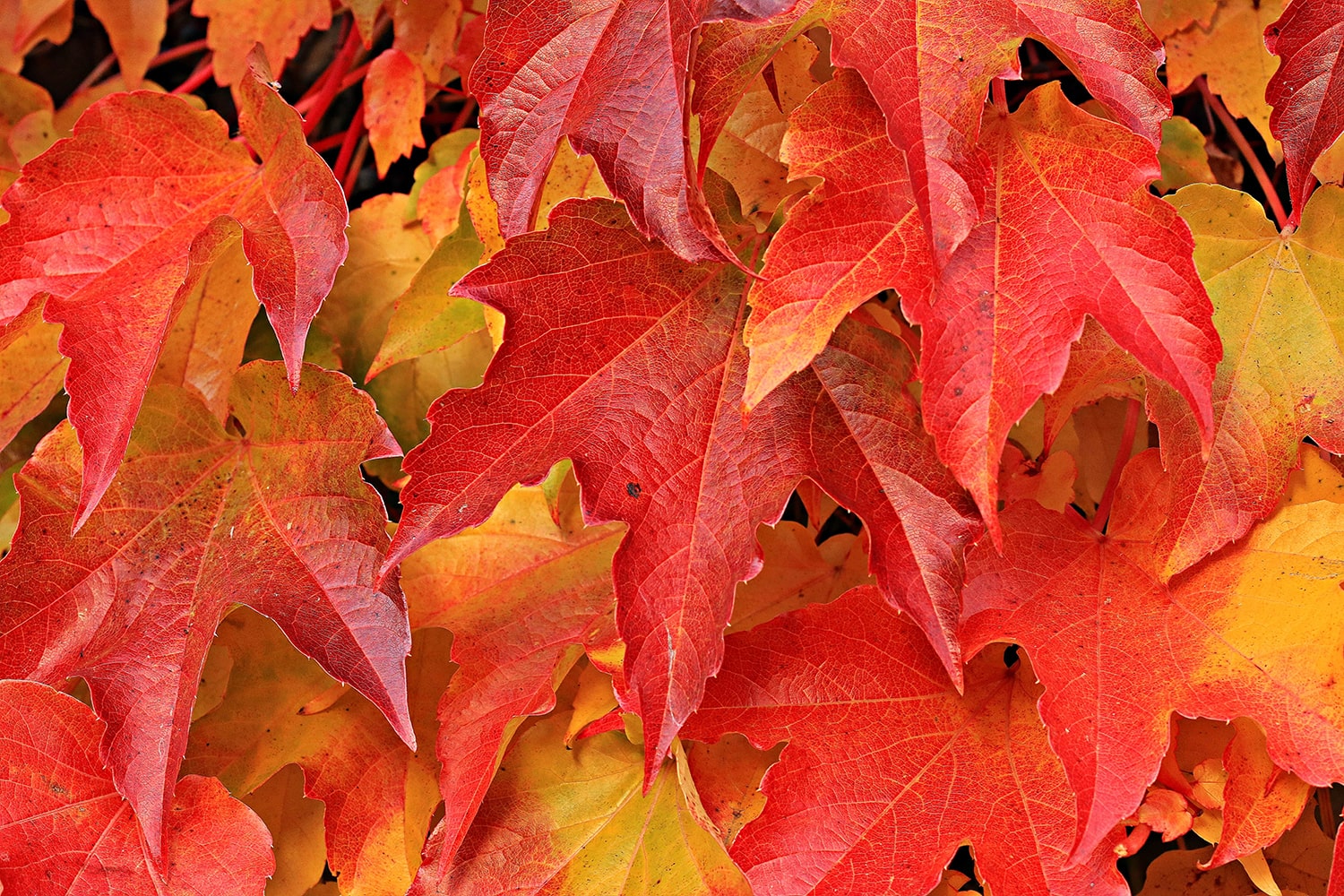
This tree is notable for its striking white bark and its leaves, which tremble at the slightest gust of wind due to their flattened petioles. It is sensitive to heat and humidity, and in autumn, it showcases a stunning display of yellow foliage.
Populus tremuloides Feature Summary

Populus tremuloides Image Gallery

Tags

#deciduous
#fall color
#wildlife plant
#native tree
#cover plant
#playground
#small mammals
#NC native
#children's garden
#shimmer
#short lifespan
#deciduous tree
#fall color yellow
#bird friendly

Similar Plants

Populus tremuloides Feature Summary

Attributes
Native Americans are known to have used this plant as a food source. To prepare it, they would cut the inner bark into strips, dry it, and then ground it to be mixed with other starches for bread or mush. They ate catkins raw, and the cambium both raw and in soups.
Wildlife Food Source
Wind Shimmer
Wildlife Cover/Habitat
Flowers
Silver catkins appear before leaves
Blue
Gray/Silver
Leaves
Petioles are flattened which makes the leaves "quake" in the wind.
Bark
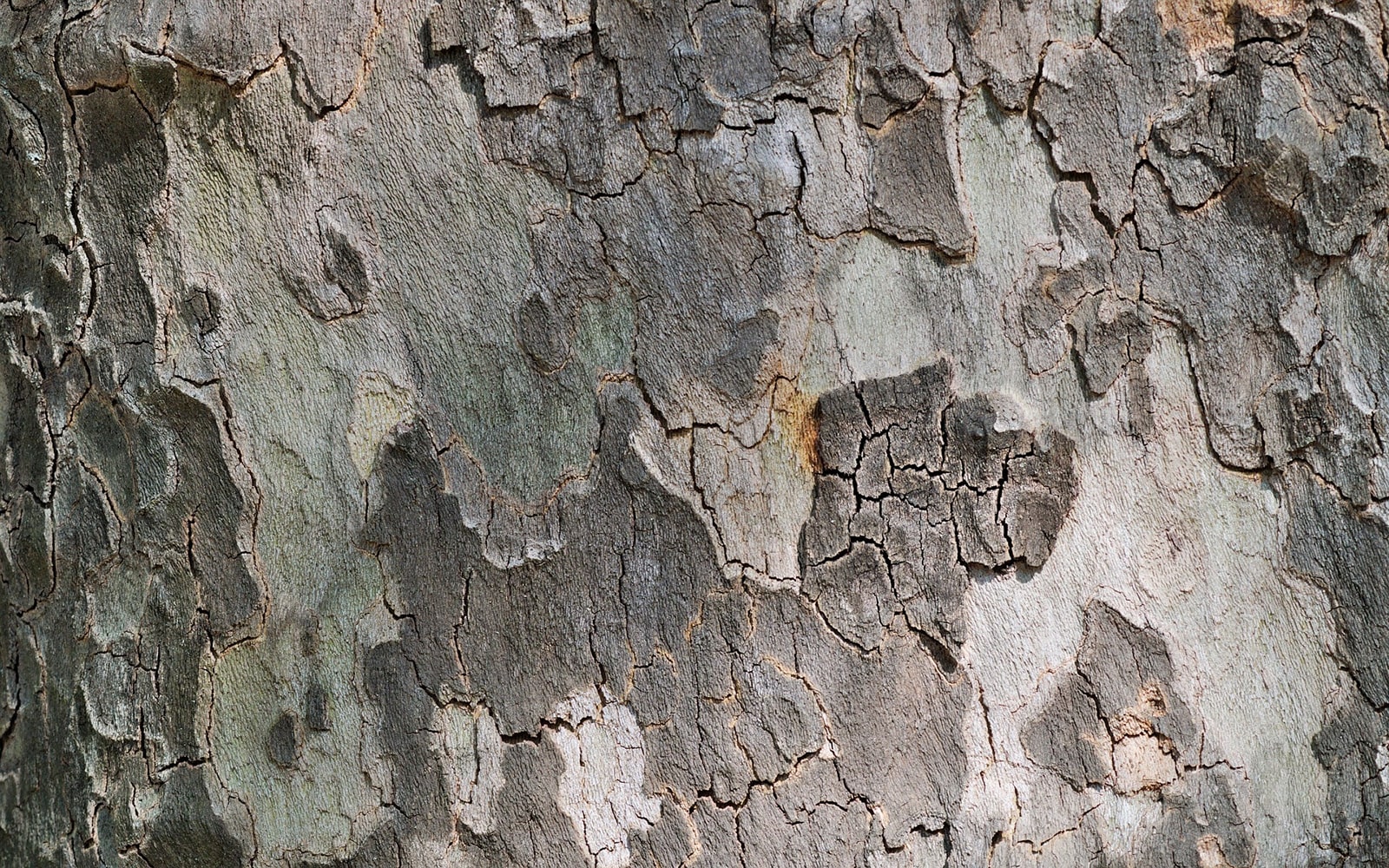
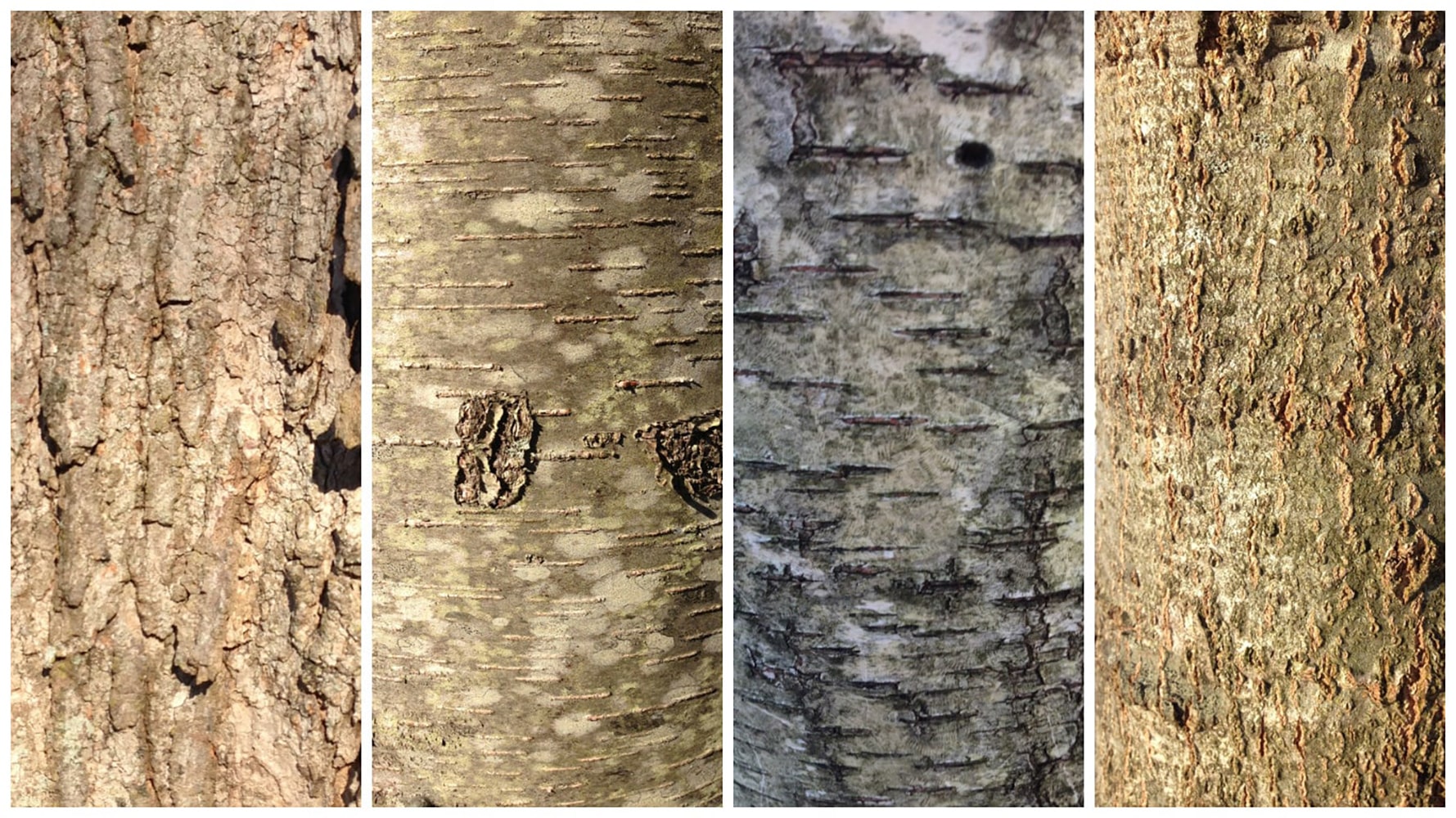
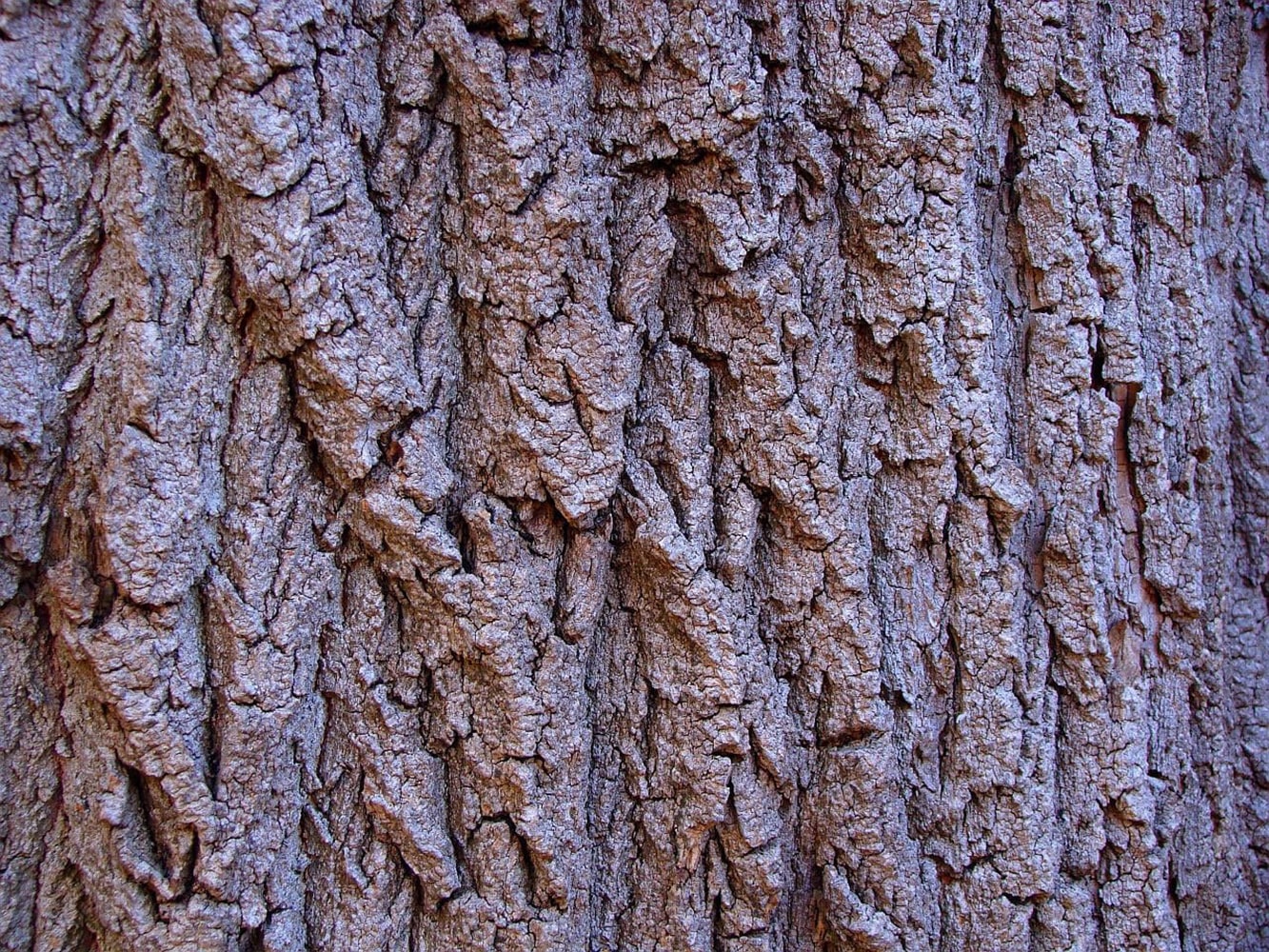
Smooth silvery white-green becomes furrowed with age
Light Gray
Green
White
Smooth
Furrowed
Whole Plant Traits
Tree
Native Plant
Rounded
Pyramidal
Medium
Cultural Conditions
Good Drainage
Moist
Occasionally Wet
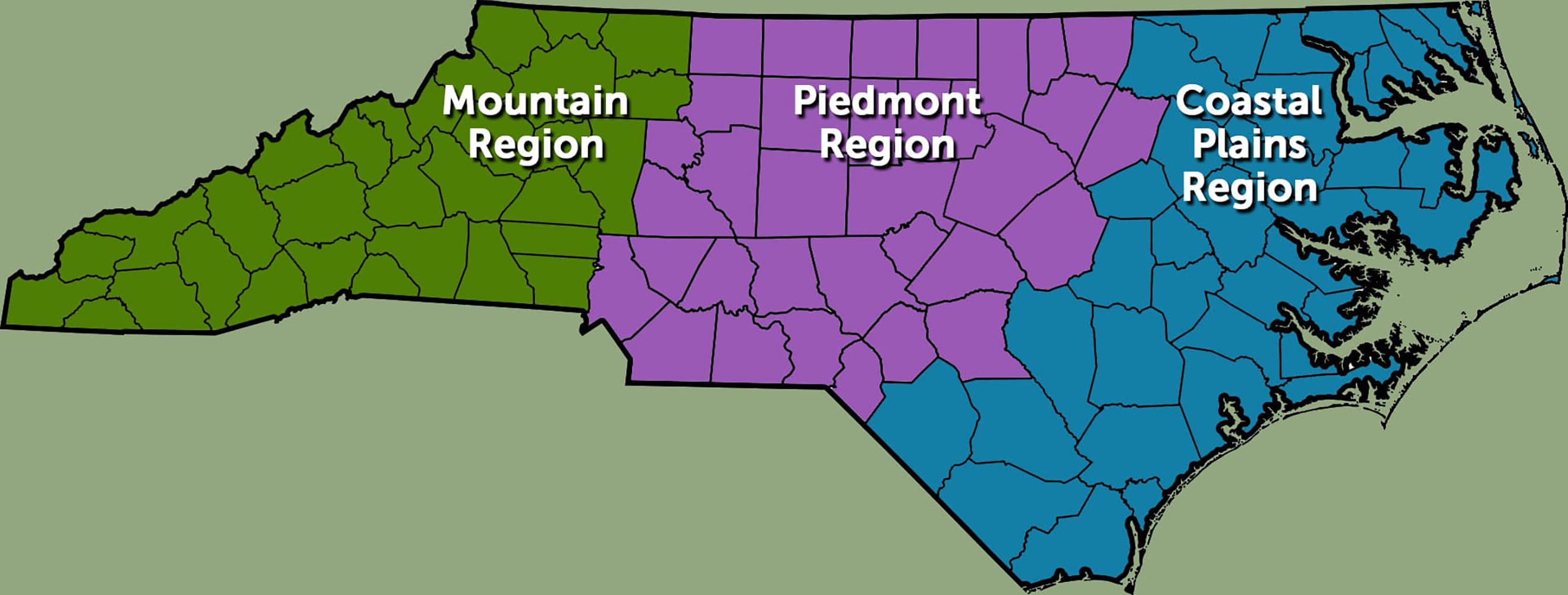
Mountains
4a
4b
5b
5a
6a
6b
2a
2b
3a
3b
1a
1b
Clay
Loam (Silt)
Sand
Shallow Rocky
Landscape
Children's Garden
Recreational Play Area
Songbirds
Small Mammals
Short-lived

Populus tremuloides Attributes

Populus tremuloides: Uses (Ethnobotany)

Native Americans are known to have used this plant as a food source. To prepare it, they would cut the inner bark into strips, dry it, and then ground it to be mixed with other starches for bread or mush. They ate catkins raw, and the cambium both raw and in soups.

Populus tremuloides: Country Or Region Of Origin

North America, NC

Populus tremuloides: Life Cycle

Annual
Biennial
Bulb
Perennial
Woody

Populus tremuloides: Play Value

Attractive Flowers
Attracts Pollinators
Buffer
Colorful
Defines Paths
Easy to Grow
Edible fruit
Fragrance
Pieces Used in Games
Screening
Shade
Sound
Textural
Wildlife Cover/Habitat
Wildlife Food Source
Wildlife Larval Host
Wildlife Nesting
Wind Break
Wind Shimmer

Populus tremuloides Flowers

Populus tremuloides: Flower Description

Silver catkins appear before leaves

Populus tremuloides: Flower Color

filter_vintage
Blue
filter_vintage
Gray/Silver

Populus tremuloides: Flower Inflorescence

Catkin
Corymb
Cyme
Head
Insignificant
Panicle
Raceme
Solitary
Spadix
Spike
Umbel

Populus tremuloides: Flower Bloom Time

Winter
Spring
Summer
Fall

Populus tremuloides Leaves

Populus tremuloides: Leaf Description

Petioles are flattened which makes the leaves "quake" in the wind.

Populus tremuloides: Woody Plant Leaf Characteristics

Broadleaf Evergreen
Deciduous
Needled Evergreen
Semi-evergreen

Populus tremuloides: Deciduous Leaf Fall Color

spa
Gold/Yellow

Populus tremuloides: Hairs Present

No
Yes

Populus tremuloides Bark

Populus tremuloides: Bark Description

Smooth silvery white-green becomes furrowed with age

Populus tremuloides: Bark Color

grass
Green
grass
Light Gray
grass
White

Populus tremuloides: Surface/Attachment

Bumpy
Exfoliating
Fissured
Furrowed
Lenticels
Papery
Patchy
Peeling
Ridges
Scaly
Shaggy
Shiny
Shredding
Smooth
Spongy

Populus tremuloides Whole Plant Traits

Populus tremuloides: Plant Type

Annual
Bulb
Carnivorous
Edible
Epiphyte
Fern
Ground Cover
Herb
Herbaceous Perennial
Houseplant
Mushroom
Native Plant
Ornamental Grasses and Sedges
Perennial
Poisonous
Rose
Shrub
Succulent
Tree
Turfgrass
Vegetable
Vine
Water Plant
Weed
Wildflower

Populus tremuloides: Woody Plant Leaf Characteristics

Broadleaf Evergreen
Deciduous
Needled Evergreen
Semi-evergreen

Populus tremuloides: Habit/Form

Arching
Ascending
Broad
Cascading
Climbing
Clumping
Columnar
Conical
Creeping
Dense
Erect
Horizontal
Irregular
Mounding
Multi-stemmed
Multi-trunked
Open
Oval
Prostrate
Pyramidal
Rounded
Spreading
Vase
Weeping

Populus tremuloides: Growth Rate

Slow
Medium
Rapid

Populus tremuloides: Texture

Fine
Medium
Coarse

Populus tremuloides Cultural Conditions

Populus tremuloides: Soil Drainage

Frequent Standing Water
Good Drainage
Moist
Occasional Flooding
Occasionally Dry
Occasionally Wet
Very Dry

Populus tremuloides: NC Region

Coastal
Mountains
Piedmont

Populus tremuloides: USDA Plant Hardiness Zone

thermostat
1a
thermostat
1b
thermostat
2a
thermostat
2b
thermostat
3a
thermostat
3b
thermostat
4a
thermostat
4b
thermostat
5a
thermostat
5b
thermostat
6a
thermostat
6b

Populus tremuloides: Soil Texture

Clay
High Organic Matter
Loam (Silt)
Sand
Shallow Rocky

Populus tremuloides Fruit

Populus tremuloides: Fruit Type

Achene
Aggregate
Berry
Capsule
Caryopsis
Drupe
Follicle
Legume
Nut
Pome
Samara
Schizocarp
Siliqua

Populus tremuloides: Fruit Color

grass
White

Populus tremuloides: Display/Harvest Time

Fall
Spring
Summer
Winter

Populus tremuloides Stem

Populus tremuloides: Stem Is Aromatic

No
Yes

Populus tremuloides Landscape

Populus tremuloides: Landscape Theme

Asian Garden
Butterfly Garden
Children's Garden
Cottage Garden
Cutting Garden
Drought Tolerant Garden
Edible Garden
English Garden
Fairy Garden
Garden for the Blind
Native Garden
Nighttime Garden
Pollinator Garden
Rain Garden
Rock Garden
Shade Garden
Water Garden
Winter Garden

Populus tremuloides: Resistance To Challenges

Black Walnut
Compaction
Deer
Diseases
Drought
Dry Soil
Erosion
Fire
Foot Traffic
Heat
Heavy Shade
Humidity
Insect Pests
Pollution
Poor Soil
Rabbits
Salt
Slugs
Squirrels
Storm damage
Urban Conditions
Voles
Wet Soil
Wind

Populus tremuloides: Landscape Location

Coastal
Container
Hanging Baskets
Houseplants
Lawn
Meadow
Naturalized Area
Near Septic
Patio
Pond
Pool/Hardscape
Recreational Play Area
Riparian
Rock Wall
Slope/Bank
Small Space
Vertical Spaces
Walkways
Woodland

Populus tremuloides: Attracts

Bats
Bees
Butterflies
Frogs
Hummingbirds
Moths
Pollinators
Predatory Insects
Reptiles
Small Mammals
Songbirds
Specialized Bees

Populus tremuloides: Problems

Allelopathic
Contact Dermatitis
Frequent Disease Problems
Frequent Insect Problems
Invasive Species
Malodorous
Messy
Poisonous to Humans
Problem for Cats
Problem for Children
Problem for Dogs
Problem for Horses
Short-lived
Spines/Thorns
Weak Wood
Weedy