• Photo of Prunus 'NCPH1' PPAF (Prunus 'NCPH1' PPAFs)

Plant Profile: Prunus 'NCPH1' PPAF

Names

Flowering Cherry, Pink Cascade™ Flowering Cherry

  • Photo of Prunus 'NCPH1' PPAF (Prunus 'NCPH1' PPAFs)

Phonetic Spelling:PROO-nus

Genus:Prunus

Species:

Family:Roseaceae

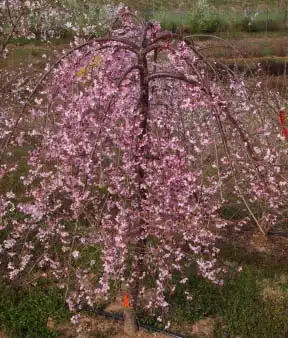
The naming conventions surrounding this tree can be quite perplexing, as many weeping cherries are still mistakenly marketed as varieties of *Prunus x subhirtella*. Belonging to the rose family, this tree is relatively long-lived compared to other cherry species. To preserve its characteristic weeping shape, it is essential to prune any stems that grow upright. This tree offers year-round appeal! In late winter and early spring, it showcases a stunning display of blooms, and during the summer, its graceful, drooping branches provide a cooling effect as they sway gently in even the slightest breeze. Once the leaves have fallen, the tree's bare, drooping branches add a tranquil elegance to the winter scenery.

This tree represents the pinnacle of weeping cherries. Compact and delicately textured, Pink Cascade™ is a true weeper adorned with vibrant pink blossoms. You can train it to grow as high as desired, allowing it to cascade beautifully. It thrives best in moist, fertile, well-drained loamy soils and prefers full sun to partial shade, with optimal flowering occurring in full sunlight. While it can withstand heat and clay soils, it is important to avoid overly dry conditions. This tree makes an excellent choice for small patios or as a standout specimen. Get creative with its placement—drape it over a wall, create an archway, or fashion an espalier resembling a dragon with a pink mane! It is a striking weeper with brilliant pink flowers, developed through a collaborative effort between NC State University and J. Frank Schmidt and Son Nursery.

**Seasons of Interest:**
- **Foliage:** Spring, Summer
- **Bloom:** Late Winter, Early Spring
- **Twigs/Bark:** Winter

**Insects, Diseases, and Other Issues:**
Ornamental cherries are generally recognized for their strong disease resistance. However, like all cherry trees, they may be vulnerable to various insect and disease challenges depending on their growing conditions. Potential pests include aphids, scale insects, borers, leafhoppers, caterpillars, tent caterpillars, and Japanese beetles. Spider mites can also pose a problem. Possible diseases affecting these trees include cankers, black knot, leaf spot, dieback, leaf curl, powdery mildew, root rot, and fire blight. Additionally, deer often browse on this plant.

Prunus 'NCPH1' PPAF Feature Summary

Prunus 'NCPH1' PPAF Image Gallery

Tags

#weeping
#deciduous
#small tree
#heat tolerant
#specimen
#wildlife plant
#nectar plant
#winter interest
#espalier
#ornamentals
#mci
#pollinator plant
#patio planting
#clay soils tolerant
#bird friendly
#problem for cats
#problem for dogs
#problem for horses

Similar Plants

Prunus 'NCPH1' PPAF Feature Summary

Attributes
These flowers are a magnet for pollinators, however, they are also popular with deer. The seeds are attractive to birds and squirrels.
Fruit
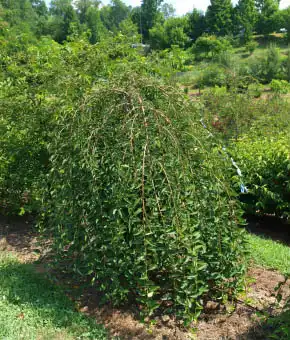
Fruits are rounded pea-sized fruits (to 1/3” diameter) that are sometimes sparse. Fruits eventually mature to black, but are inedible to humans. Fruits may not appear in some years.
Flowers
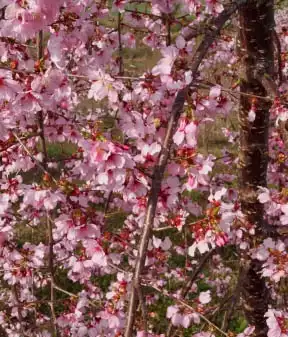
Single-flowering, bright pink pendulous clusters of flowers occur on the weeping branches in late winter or early spring before the leaves emerge, effective for one week.
4-5 petals/rays
1-3 inches
Leaves
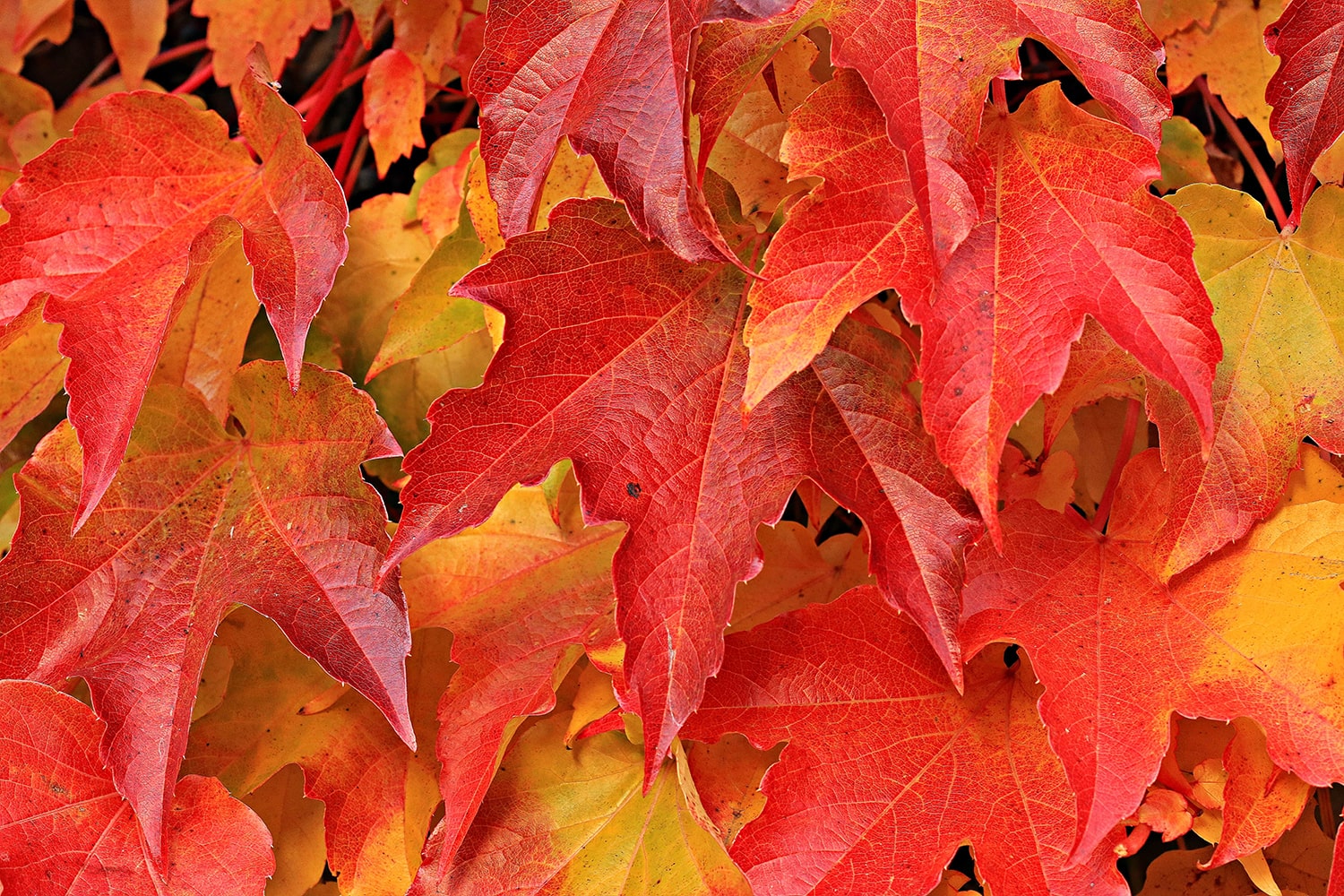
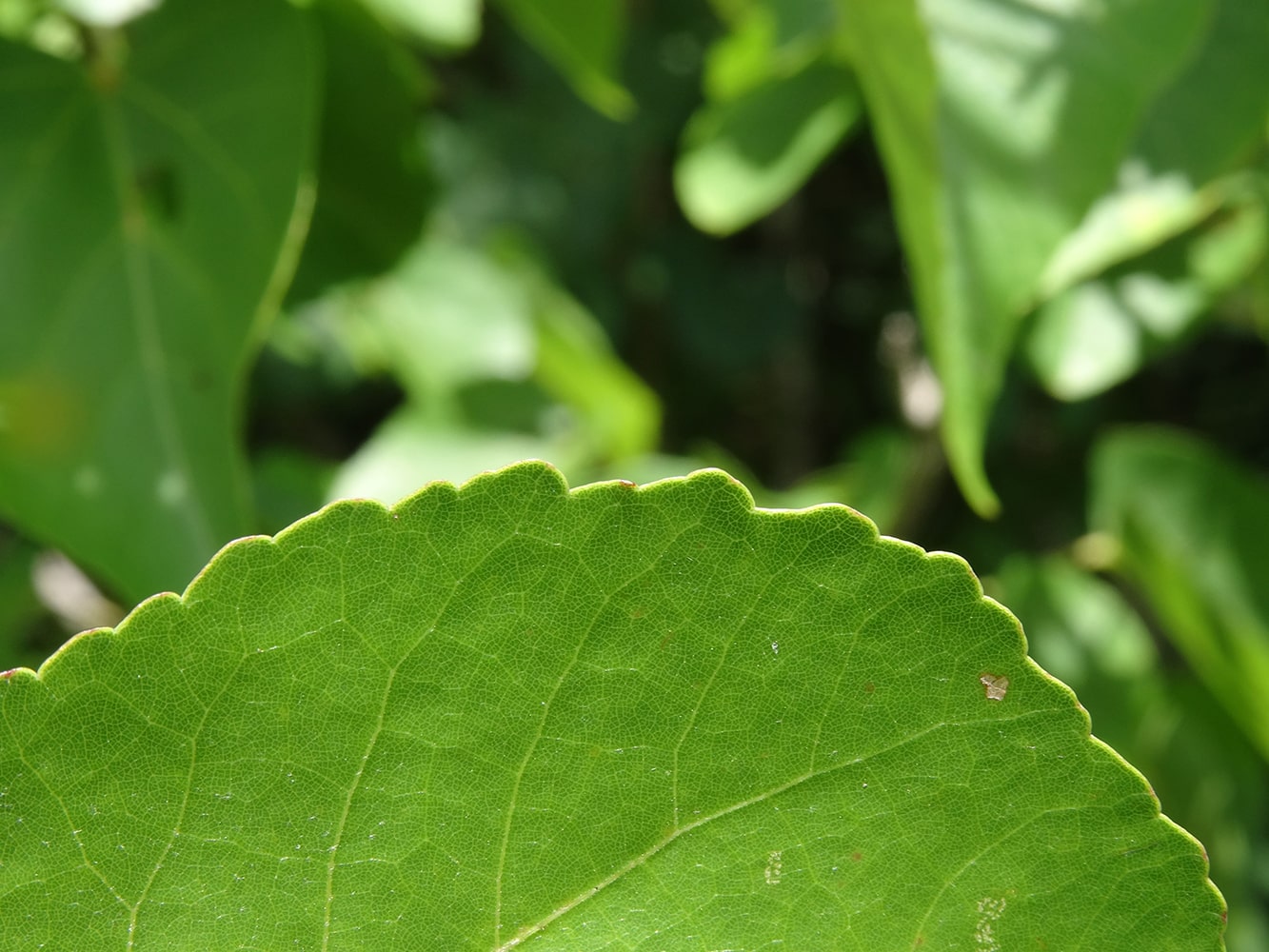
Elliptic to ovate, doubly serrate, green leaves (to 4” long) turning an ornamentally insignificant red or yellow in fall.
Gold/Yellow
Red/Burgundy
Elliptical
Ovate
Doubly Serrate
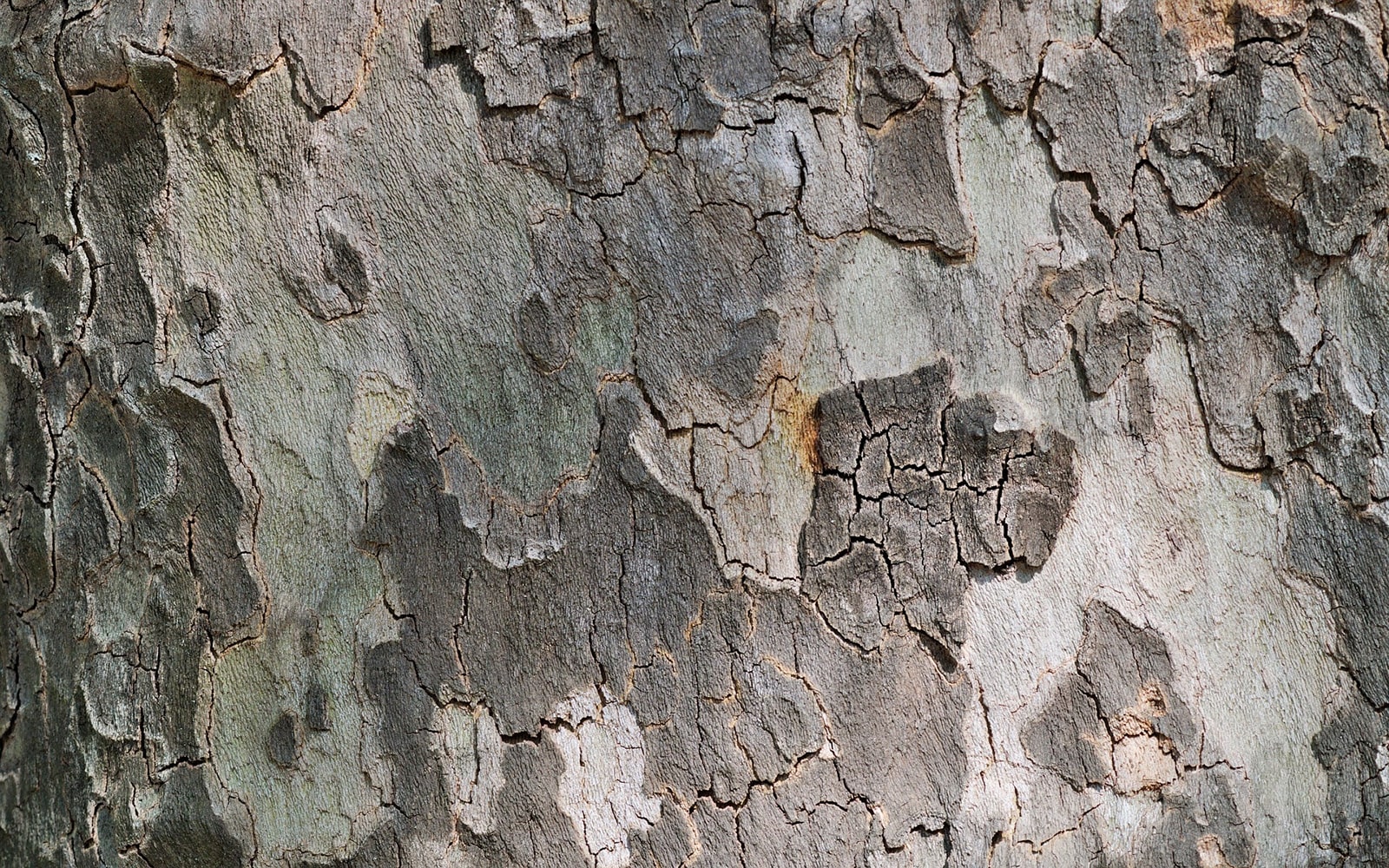
Bark
Bark provides winter interest
Stem
Drooping branches add interest to the fall and winter landscape.
Cultural Conditions
Full sun (6 or more hours of direct sunlight a day)
Partial Shade (Direct sunlight only part of the day, 2-6 hours)
24-60 feet
12-24 feet
Coastal
Landscape
Winter Garden
Pollinators
Songbirds
Problem for Cats
Problem for Dogs
Problem for Horses
Frequent Disease Problems
Frequent Insect Problems

Prunus 'NCPH1' PPAF Attributes

Prunus 'NCPH1' PPAF: Wildlife Value

These flowers are a magnet for pollinators, however, they are also popular with deer. The seeds are attractive to birds and squirrels.

Prunus 'NCPH1' PPAF Fruit

Prunus 'NCPH1' PPAF: Fruit Description

Fruits are rounded pea-sized fruits (to 1/3” diameter) that are sometimes sparse. Fruits eventually mature to black, but are inedible to humans. Fruits may not appear in some years.

Prunus 'NCPH1' PPAF: Fruit Length

< 1 inch
1-3 inches
> 3 inches

Prunus 'NCPH1' PPAF Flowers

Prunus 'NCPH1' PPAF: Flower Description

Single-flowering, bright pink pendulous clusters of flowers occur on the weeping branches in late winter or early spring before the leaves emerge, effective for one week.

Prunus 'NCPH1' PPAF: Flower Color

filter_vintage
Pink

Prunus 'NCPH1' PPAF: Flower Value To Gardener

Edible
Fragrant
Good Cut
Good Dried
Long Bloom Season
Long-lasting
Showy

Prunus 'NCPH1' PPAF: Flower Bloom Time

Winter
Spring
Summer
Fall

Prunus 'NCPH1' PPAF: Flower Petals

2-3 rays/petals
4-5 petals/rays
6 petals/rays
7 - 20 petals/rays
asymmetrical petals
Bracts
Colored Sepals
fused petals
more than 20 petals/rays
Tepals

Prunus 'NCPH1' PPAF: Flower Size

1-3 inches
3-6 inches
< 1 inch
> 6 inches

Prunus 'NCPH1' PPAF Leaves

Prunus 'NCPH1' PPAF: Leaf Description

Elliptic to ovate, doubly serrate, green leaves (to 4” long) turning an ornamentally insignificant red or yellow in fall.

Prunus 'NCPH1' PPAF: Woody Plant Leaf Characteristics

Broadleaf Evergreen
Deciduous
Needled Evergreen
Semi-evergreen

Prunus 'NCPH1' PPAF: Leaf Color

spa
Green

Prunus 'NCPH1' PPAF: Deciduous Leaf Fall Color

spa
Gold/Yellow
spa
Red/Burgundy

Prunus 'NCPH1' PPAF: Leaf Type

Compound (Pinnately , Bipinnately, Palmately)
Fronds
Needles
Sheath
Simple

Prunus 'NCPH1' PPAF: Leaf Arrangement

Alternate
Opposite
Other/more complex
Rosulate
Whorled

Prunus 'NCPH1' PPAF: Leaf Shape

Acicular
Auriculate
Cordate
Cuneate
Deltoid
Elliptical
Filiform
Lanceolate
Linear
Oblanceolate
Oblong
Obovate
Obtuse
Orbicular
Ovate
Palmasect
Palmatifid
Peltate
Pinnatifid
Pinnatisect
Reniform
Rhomboidal
Spatulate
Subcordate
Subulate

Prunus 'NCPH1' PPAF: Leaf Margin

Crenate
Crenulate
Dentate
Denticulate
Doubly Crenate
Doubly Dentate
Doubly Serrate
Entire
Lobed
Serrate
Sinuate
Undulate

Prunus 'NCPH1' PPAF: Hairs Present

No
Yes

Prunus 'NCPH1' PPAF Bark

Prunus 'NCPH1' PPAF: Bark Description

Bark provides winter interest

Prunus 'NCPH1' PPAF Stem

Prunus 'NCPH1' PPAF: Stem Description

Drooping branches add interest to the fall and winter landscape.

Prunus 'NCPH1' PPAF: Stem Is Aromatic

No
Yes

Prunus 'NCPH1' PPAF Whole Plant Traits

Prunus 'NCPH1' PPAF: Plant Type

Annual
Bulb
Carnivorous
Edible
Epiphyte
Fern
Ground Cover
Herb
Herbaceous Perennial
Houseplant
Mushroom
Native Plant
Ornamental Grasses and Sedges
Perennial
Poisonous
Rose
Shrub
Succulent
Tree
Turfgrass
Vegetable
Vine
Water Plant
Weed
Wildflower

Prunus 'NCPH1' PPAF: Woody Plant Leaf Characteristics

Broadleaf Evergreen
Deciduous
Needled Evergreen
Semi-evergreen

Prunus 'NCPH1' PPAF: Habit/Form

Arching
Ascending
Broad
Cascading
Climbing
Clumping
Columnar
Conical
Creeping
Dense
Erect
Horizontal
Irregular
Mounding
Multi-stemmed
Multi-trunked
Open
Oval
Prostrate
Pyramidal
Rounded
Spreading
Vase
Weeping

Prunus 'NCPH1' PPAF: Growth Rate

Slow
Medium
Rapid

Prunus 'NCPH1' PPAF: Texture

Fine
Medium
Coarse

Prunus 'NCPH1' PPAF Cultural Conditions

Prunus 'NCPH1' PPAF: Light

Dappled Sunlight (Shade through upper canopy all day)
Deep shade (Less than 2 hours to no direct sunlight)
Full sun (6 or more hours of direct sunlight a day)
Partial Shade (Direct sunlight only part of the day, 2-6 hours)

Prunus 'NCPH1' PPAF: Available Space To Plant

12 inches-3 feet
12-24 feet
24-60 feet
3 feet-6 feet
6-feet-12 feet
Less than 12 inches
more than 60 feet

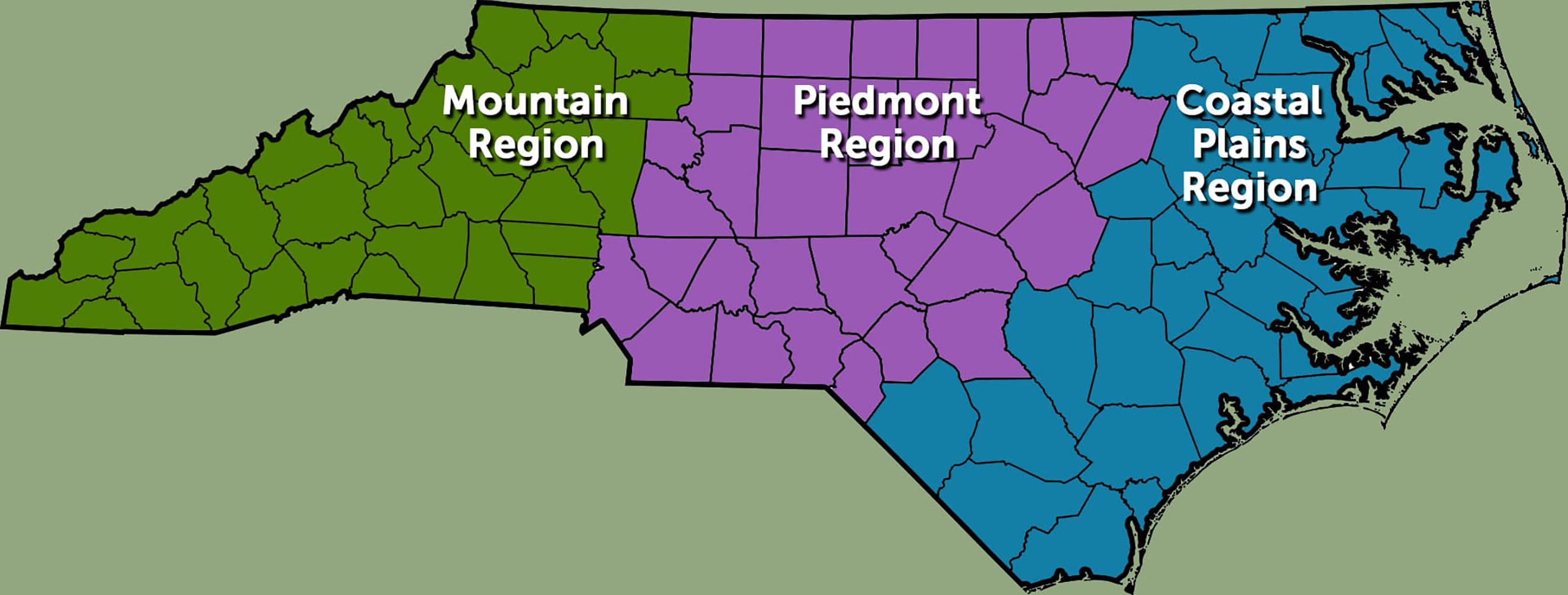
Prunus 'NCPH1' PPAF: NC Region

Coastal
Mountains
Piedmont

Prunus 'NCPH1' PPAF: Soil Texture

Clay
High Organic Matter
Loam (Silt)
Sand
Shallow Rocky

Prunus 'NCPH1' PPAF Landscape

Prunus 'NCPH1' PPAF: Landscape Theme

Asian Garden
Butterfly Garden
Children's Garden
Cottage Garden
Cutting Garden
Drought Tolerant Garden
Edible Garden
English Garden
Fairy Garden
Garden for the Blind
Native Garden
Nighttime Garden
Pollinator Garden
Rain Garden
Rock Garden
Shade Garden
Water Garden
Winter Garden

Prunus 'NCPH1' PPAF: Design Feature

Accent
Barrier
Border
Flowering Tree
Foundation Planting
Hedge
Mass Planting
Screen/Privacy
Security
Shade Tree
Small groups
Small Tree
Specimen
Street Tree
Understory Tree

Prunus 'NCPH1' PPAF: Resistance To Challenges

Black Walnut
Compaction
Deer
Diseases
Drought
Dry Soil
Erosion
Fire
Foot Traffic
Heat
Heavy Shade
Humidity
Insect Pests
Pollution
Poor Soil
Rabbits
Salt
Slugs
Squirrels
Storm damage
Urban Conditions
Voles
Wet Soil
Wind

Prunus 'NCPH1' PPAF: Landscape Location

Coastal
Container
Hanging Baskets
Houseplants
Lawn
Meadow
Naturalized Area
Near Septic
Patio
Pond
Pool/Hardscape
Recreational Play Area
Riparian
Rock Wall
Slope/Bank
Small Space
Vertical Spaces
Walkways
Woodland

Prunus 'NCPH1' PPAF: Attracts

Bats
Bees
Butterflies
Frogs
Hummingbirds
Moths
Pollinators
Predatory Insects
Reptiles
Small Mammals
Songbirds
Specialized Bees

Prunus 'NCPH1' PPAF: Problems

Allelopathic
Contact Dermatitis
Frequent Disease Problems
Frequent Insect Problems
Invasive Species
Malodorous
Messy
Poisonous to Humans
Problem for Cats
Problem for Children
Problem for Dogs
Problem for Horses
Short-lived
Spines/Thorns
Weak Wood
Weedy