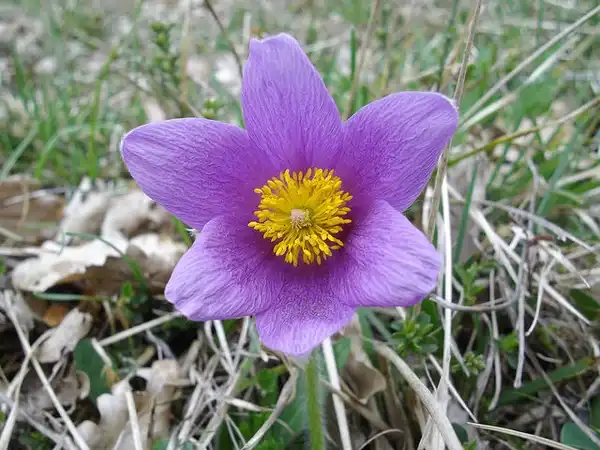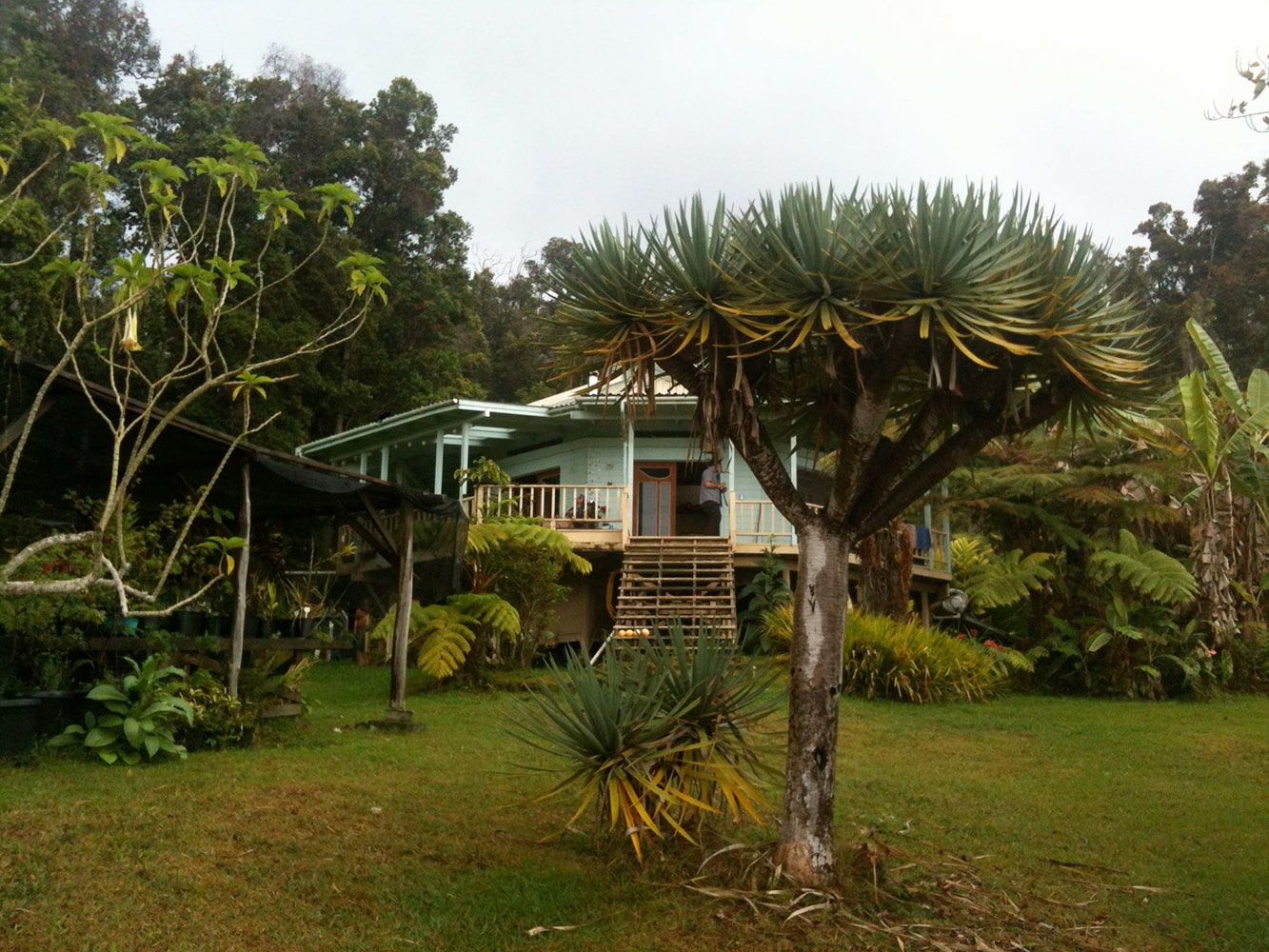
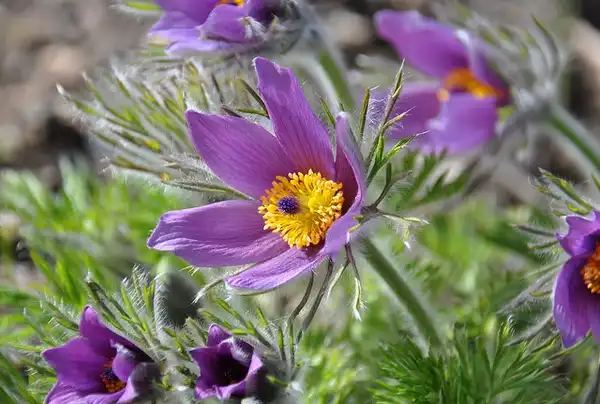
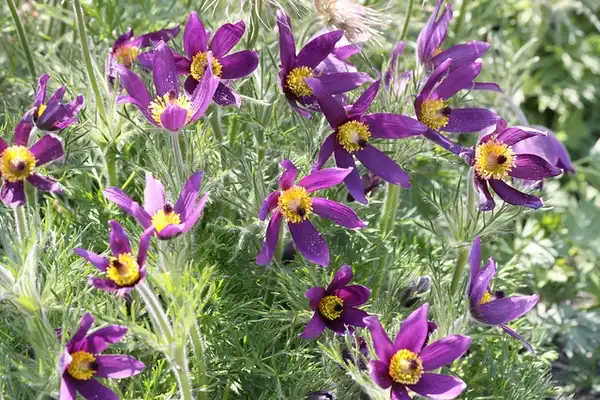
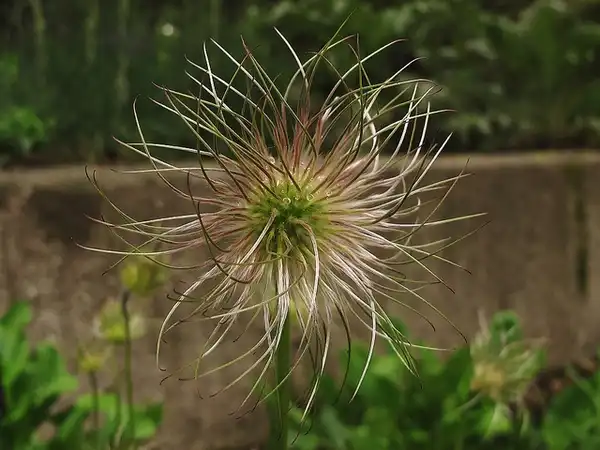
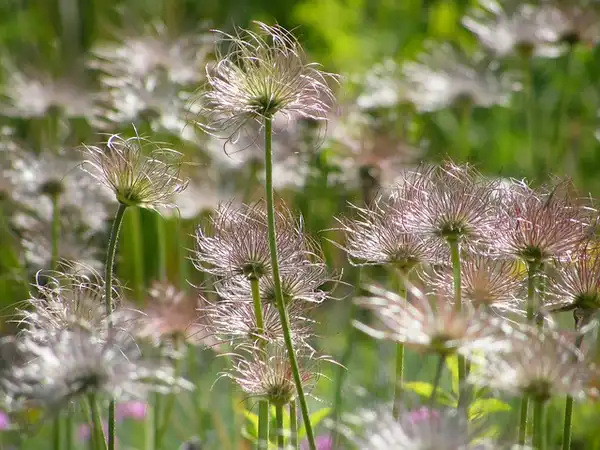
• Photo of Pulsatilla vulgaris (Pulsatilla vulgariss)

Plant Profile: Pulsatilla vulgaris

Taxonomy: Pulsatilla vulgaris

Names

Meadow Anemone, Pasque Flower, Wind Flower

  • Photo of Pulsatilla vulgaris (Pulsatilla vulgariss)

Phonetic Spelling:pul-sa-TIL-uh vul-GAIR-iss

Genus:Pulsatilla

Species:vulgaris

Family:Ranunculaceae

Anemone pulsatilla is a hardy perennial herb that thrives in rich, humus-laden soil. These plants require consistent moisture during the heat of summer, but they perform optimally in cooler conditions where humidity is lower. Once established, it is advisable to leave them undisturbed. Fortunately, this species is not significantly affected by pests or diseases.

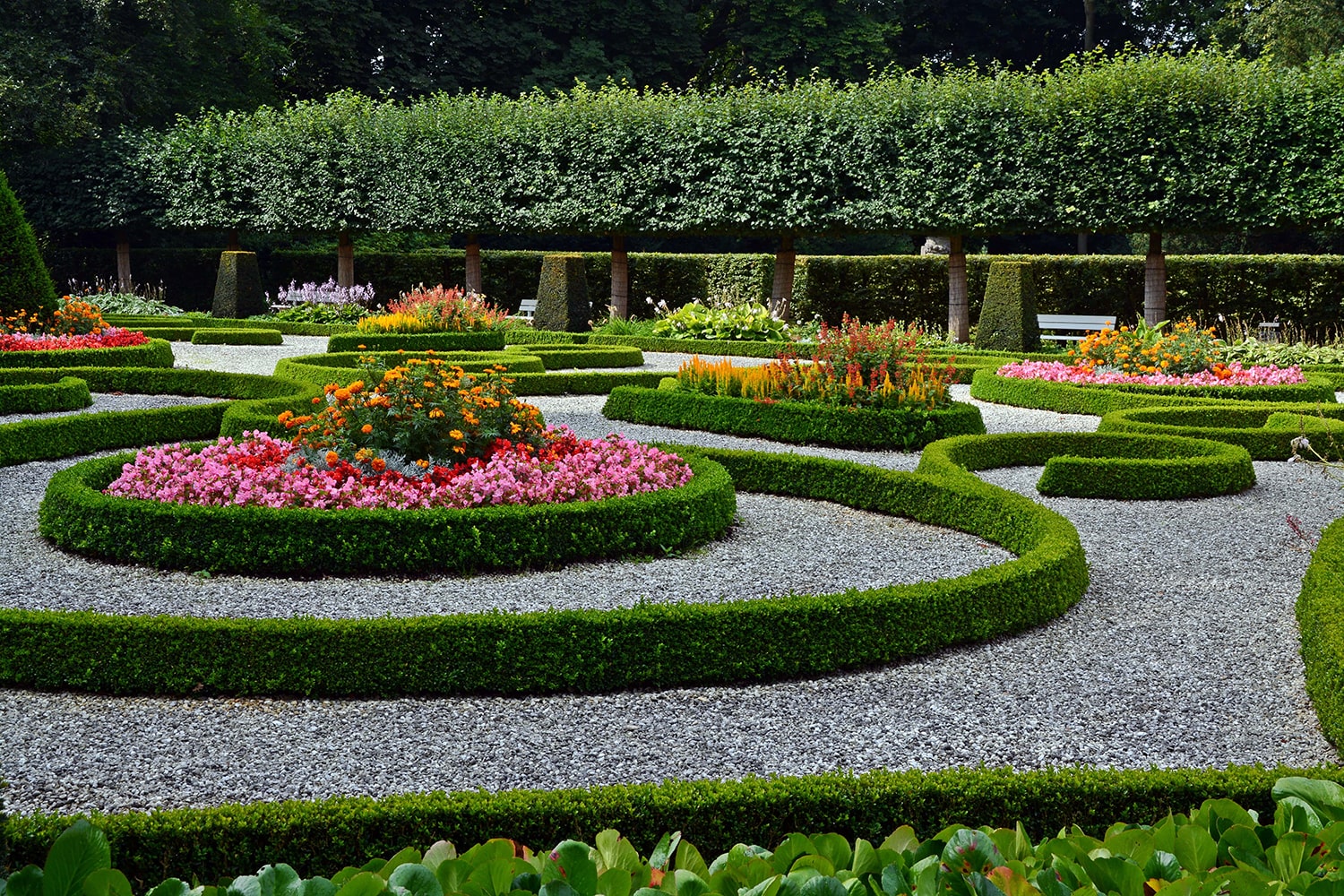
Commonly found in flower gardens, its striking purple blooms bear a resemblance to those of Clematis species.

Pulsatilla vulgaris Feature Summary

Pulsatilla vulgaris Image Gallery

Tags

#purple
#white
#showy flowers
#poisonous
#full sun tolerant
#perennial
#violet
#white flowers
#purple flowers
#seeanemone
#spring flowers
#violet flowers
#cutting garden
#dry soils tolerant
#partial shade tolerant

Similar Plants

Pulsatilla vulgaris is often confused with:

Pulsatilla vulgaris Feature Summary

Attributes
Can be used as an herbal medicine.
Europe, southwestern Asia
dry soil, no serious insect or disease problems
Perennial
Fruit
Flowers are followed by equally-ornamental, plume-like seedheads (reminiscent of some clematis) in fluffy spherical clusters.
Flowers
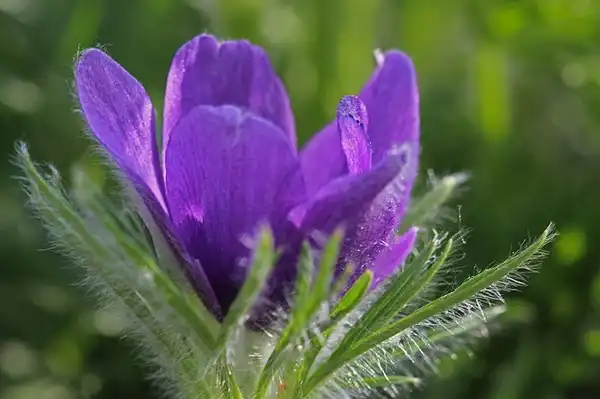
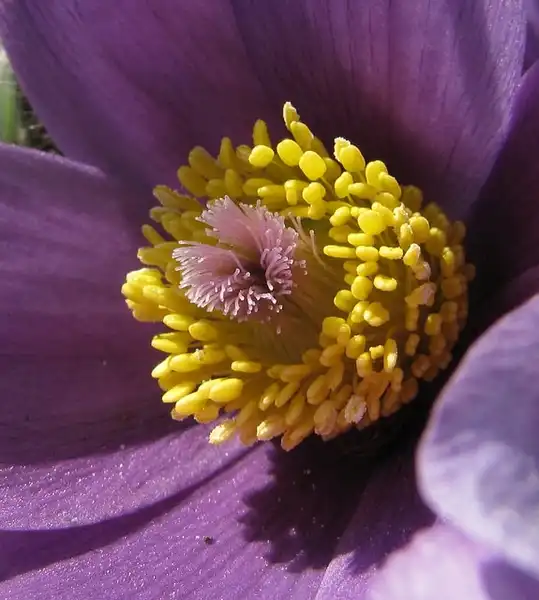
This plant has 1.5-in. flowers borne singly on 5 to 8 in. stalks, with three sessile deeply-cut leaflets or bracts. Sepals are dull violet-purple; very silky on the under surfaces. Flowers are showy are singular pale or dark violet, rarely white, cup- or bell-shaped with 5-many petal-like parts and many stamens. Flowers are followed by equally-ornamental, plume-like seedheads (reminiscent of some clematis) in fluffy spherical clusters.
Purple/Lavender
White
Cream/Tan
4-5 petals/rays
1-3 inches
Leaves
This plant has a rosette of finely-divided, stalked leaves, covered with silky hairs (furry). The leaves are fern-like, alternate or whorled, and are attractive even when plant is not flowering.
Alternate
Whorled
Stem
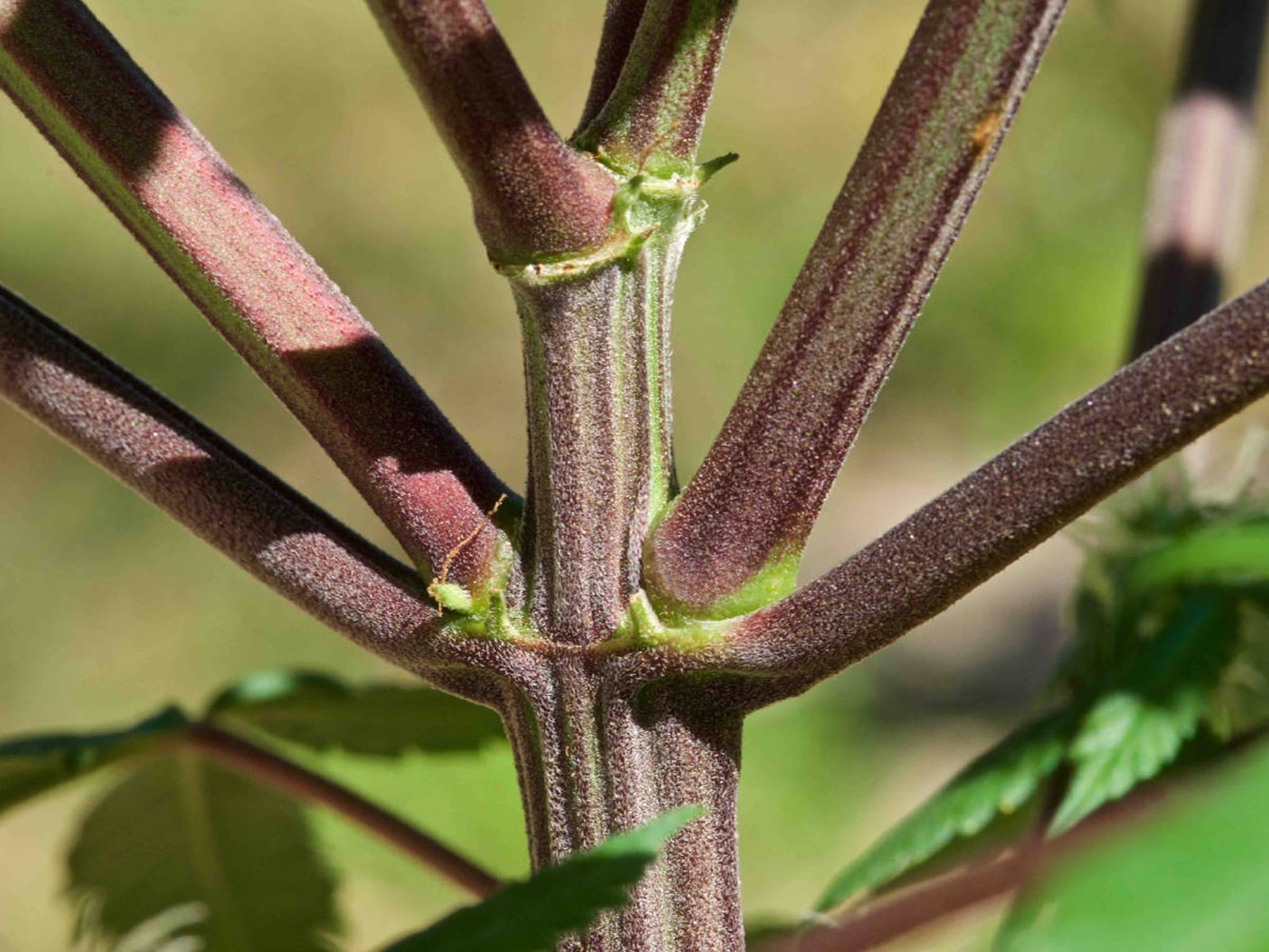
This plant has hairy stems that emerge first in the spring.
Hairy (pubescent)
Poisonous to Humans
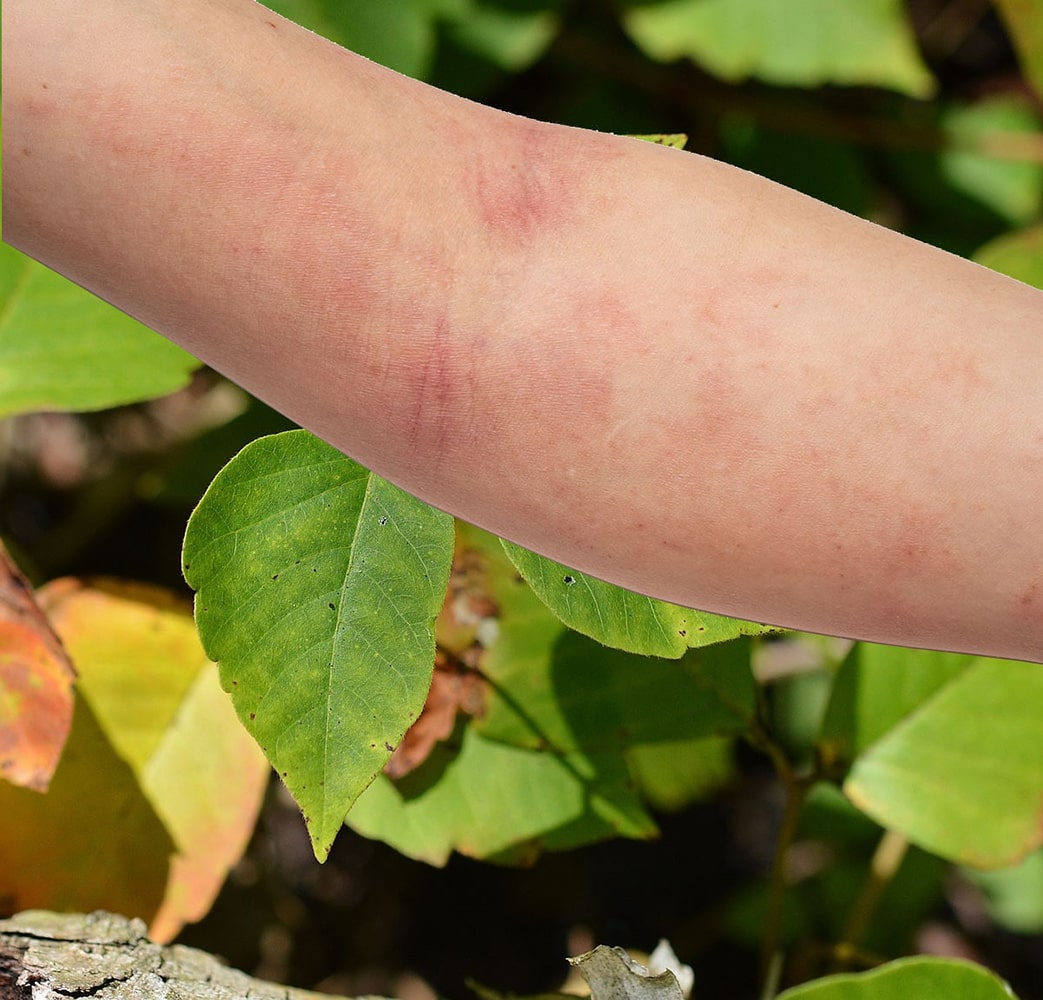
TOXIC ONLY IF LARGE QUANTITIES EATEN. CAUSES SEVERE PAIN IN THE MOUTH IF EATEN! Poisonous through ingestion and dermatitis. (Poisonous parts: All parts when fresh). Symptoms may include: Inflammation and blistering upon contact with fresh sap; irritation of mouth, vomiting and diarrhea following ingestion.
Seeds
Leaves
Stems
Flowers
Bark
Fruits
Roots
Whole Plant Traits
Herbaceous Perennial
Poisonous
Wildflower
Cultural Conditions
Full sun (6 or more hours of direct sunlight a day)
Partial Shade (Direct sunlight only part of the day, 2-6 hours)
Good Drainage
High Organic Matter
Landscape
Insect Pests
Dry Soil
Diseases
Poisonous to Humans
Contact Dermatitis

Pulsatilla vulgaris Attributes

Pulsatilla vulgaris: Uses (Ethnobotany)

Can be used as an herbal medicine.
Pulsatilla vulgaris: Country Or Region Of Origin

Europe, southwestern Asia

Pulsatilla vulgaris: Particularly Resistant To (Insects/Diseases/Other Problems)

dry soil, no serious insect or disease problems

Pulsatilla vulgaris: Life Cycle

Annual
Biennial
Bulb
Perennial
Woody

Pulsatilla vulgaris Fruit

Pulsatilla vulgaris: Fruit Description

Flowers are followed by equally-ornamental, plume-like seedheads (reminiscent of some clematis) in fluffy spherical clusters.

Pulsatilla vulgaris Flowers

Pulsatilla vulgaris: Flower Description

This plant has 1.5-in. flowers borne singly on 5 to 8 in. stalks, with three sessile deeply-cut leaflets or bracts. Sepals are dull violet-purple; very silky on the under surfaces. Flowers are showy are singular pale or dark violet, rarely white, cup- or bell-shaped with 5-many petal-like parts and many stamens. Flowers are followed by equally-ornamental, plume-like seedheads (reminiscent of some clematis) in fluffy spherical clusters.

Pulsatilla vulgaris: Flower Color

filter_vintage
Cream/Tan
filter_vintage
Purple/Lavender
filter_vintage
White

Pulsatilla vulgaris: Flower Value To Gardener

Edible
Fragrant
Good Cut
Good Dried
Long Bloom Season
Long-lasting
Showy

Pulsatilla vulgaris: Flower Petals

2-3 rays/petals
4-5 petals/rays
6 petals/rays
7 - 20 petals/rays
asymmetrical petals
Bracts
Colored Sepals
fused petals
more than 20 petals/rays
Tepals

Pulsatilla vulgaris: Flower Shape

Bell
Cross
Crown
Cup
Dome
Funnel
Irregular
Lipped
Radial
Saucer
Star
Trumpet
Tubular
Urn
Wheel

Pulsatilla vulgaris: Flower Size

1-3 inches
3-6 inches
< 1 inch
> 6 inches

Pulsatilla vulgaris Leaves

Pulsatilla vulgaris: Leaf Description

This plant has a rosette of finely-divided, stalked leaves, covered with silky hairs (furry). The leaves are fern-like, alternate or whorled, and are attractive even when plant is not flowering.

Pulsatilla vulgaris: Leaf Color

spa
Green

Pulsatilla vulgaris: Leaf Arrangement

Alternate
Opposite
Other/more complex
Rosulate
Whorled

Pulsatilla vulgaris: Hairs Present

No
Yes

Pulsatilla vulgaris: Leaf Feel

Fleshy
Glossy
Leathery
Papery
Prickly
Rough
Rubbery
Slippery
Smooth
Soft
Velvety
Waxy

Pulsatilla vulgaris: Leaf Value To Gardener

Edible
Fragrant
Good Cut
Good Dried
Long-lasting
Showy

Pulsatilla vulgaris Stem

Pulsatilla vulgaris: Stem Description

This plant has hairy stems that emerge first in the spring.

Pulsatilla vulgaris: Stem Is Aromatic

No
Yes

Pulsatilla vulgaris: Stem Surface

Corky Ridges
Covered with a powdery bloom (glaucous)
Dull
Hairy (pubescent)
Polished
Smooth (glabrous)

Pulsatilla vulgaris Poisonous to Humans

Pulsatilla vulgaris: Poison Symptoms

TOXIC ONLY IF LARGE QUANTITIES EATEN. CAUSES SEVERE PAIN IN THE MOUTH IF EATEN! Poisonous through ingestion and dermatitis. (Poisonous parts: All parts when fresh). Symptoms may include: Inflammation and blistering upon contact with fresh sap; irritation of mouth, vomiting and diarrhea following ingestion.

Pulsatilla vulgaris: Poison Toxic Principle

Protoanemonin

Pulsatilla vulgaris: Poison Severity

High
Low
Medium

Pulsatilla vulgaris: Causes Contact Dermatitis

No
Yes

Pulsatilla vulgaris: Poison Part

Bark
Flowers
Fruits
Leaves
Roots
Sap/Juice
Seeds
Stems

Pulsatilla vulgaris Whole Plant Traits

Pulsatilla vulgaris: Plant Type

Annual
Bulb
Carnivorous
Edible
Epiphyte
Fern
Ground Cover
Herb
Herbaceous Perennial
Houseplant
Mushroom
Native Plant
Ornamental Grasses and Sedges
Perennial
Poisonous
Rose
Shrub
Succulent
Tree
Turfgrass
Vegetable
Vine
Water Plant
Weed
Wildflower

Pulsatilla vulgaris Cultural Conditions

Pulsatilla vulgaris: Light

Dappled Sunlight (Shade through upper canopy all day)
Deep shade (Less than 2 hours to no direct sunlight)
Full sun (6 or more hours of direct sunlight a day)
Partial Shade (Direct sunlight only part of the day, 2-6 hours)

Pulsatilla vulgaris: Soil Drainage

Frequent Standing Water
Good Drainage
Moist
Occasional Flooding
Occasionally Dry
Occasionally Wet
Very Dry

Pulsatilla vulgaris: Soil Texture

Clay
High Organic Matter
Loam (Silt)
Sand
Shallow Rocky

Pulsatilla vulgaris Landscape

Pulsatilla vulgaris: Resistance To Challenges

Black Walnut
Compaction
Deer
Diseases
Drought
Dry Soil
Erosion
Fire
Foot Traffic
Heat
Heavy Shade
Humidity
Insect Pests
Pollution
Poor Soil
Rabbits
Salt
Slugs
Squirrels
Storm damage
Urban Conditions
Voles
Wet Soil
Wind

Pulsatilla vulgaris: Problems

Allelopathic
Contact Dermatitis
Frequent Disease Problems
Frequent Insect Problems
Invasive Species
Malodorous
Messy
Poisonous to Humans
Problem for Cats
Problem for Children
Problem for Dogs
Problem for Horses
Short-lived
Spines/Thorns
Weak Wood
Weedy