Ranunculus ficaria: Country Or Region Of Origin
Europe to Caucasus
Phonetic Spelling:ra-NUN-ku-lus fye-KAIR-ee-uh
Genus:Ranunculus
Species:ficaria
Family:Ranunculaceae
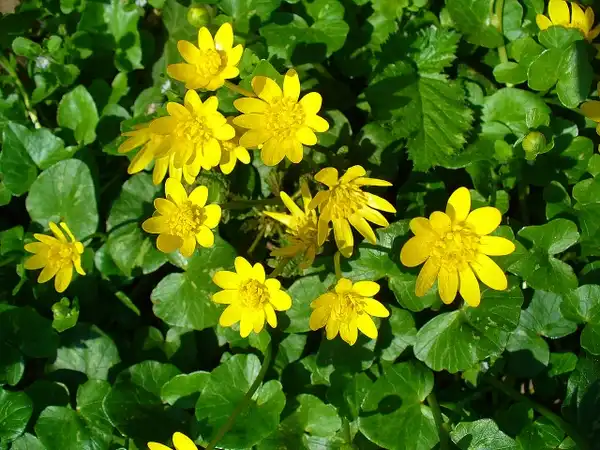
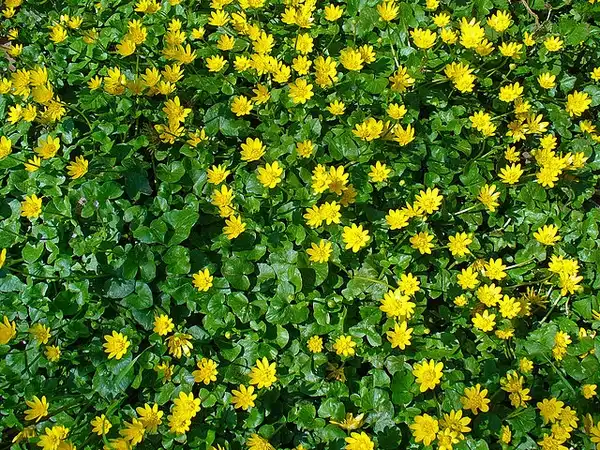
Lesser celandine belongs to the Ranunculaceae family and was brought to North America, where it has established itself in 19 states across the Northeast, the Pacific Northwest, and eastern Canada. In natural settings, this plant competes with indigenous flora and wildflowers, often forming extensive, dense colonies that can span several acres.
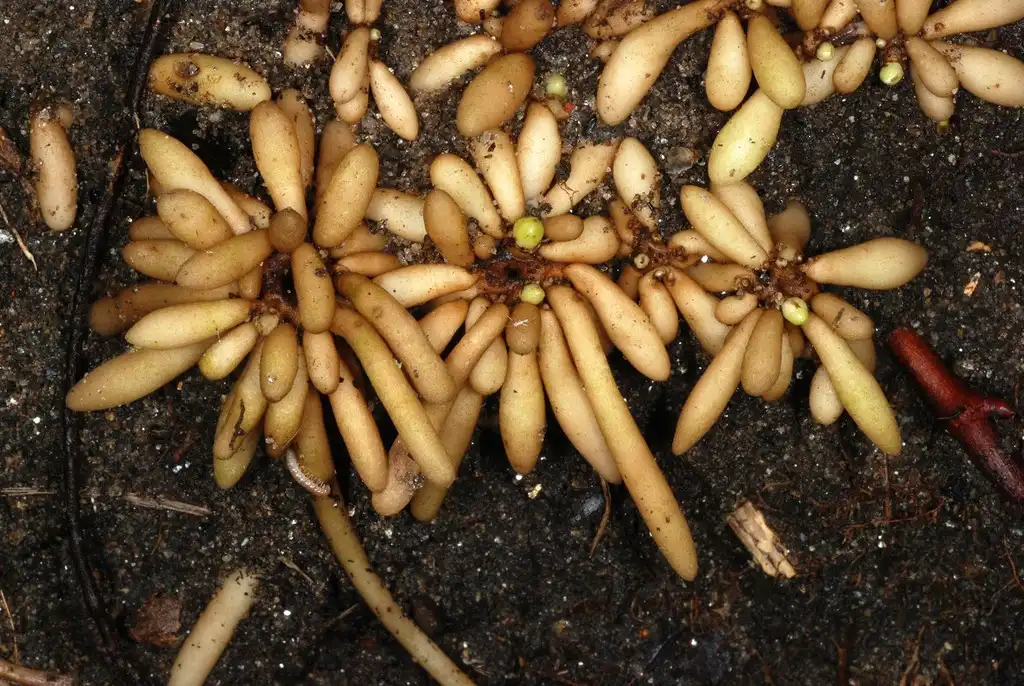
In early spring, its flowers are quite noticeable. However, by early summer, the foliage begins to wither as the plant enters a dormant phase. The primary means of reproduction are through bulblets found on above-ground stems and underground tubers, which resemble figs, giving rise to its Latin name. The dispersal of these bulblets and tubers can be hastened by factors such as animal activity and flooding.
Previously, this plant was classified as Ranunculus ficaria.
Regarding pests and diseases, lesser celandine does not face significant threats. However, slugs and snails may be present. When cultivated in gardens, this perennial can spread aggressively into surrounding areas, so caution is advised when incorporating it into landscaping. Some varieties are known to be less invasive.
It may be mistaken for Caltha palustris and Geum radiatum.
For a less invasive option, consider planting Geum radiatum.
Ranunculus ficaria Feature Summary
Ranunculus ficaria Image Gallery