Plant Profile: Dysphania botrys

Taxonomy: Dysphania botrys

Names

Ambrosia Mexicana, Feather Geranium, Goosefoot, Jerusalem Oak, Jerusalem Oak Gooseleaf

  • Photo of Dysphania botrys (Dysphania botryss)

Phonetic Spelling:dis-FAY-nee-a BOT-trees

Genus:Dysphania

Species:botrys

Family:Amaranthaceae

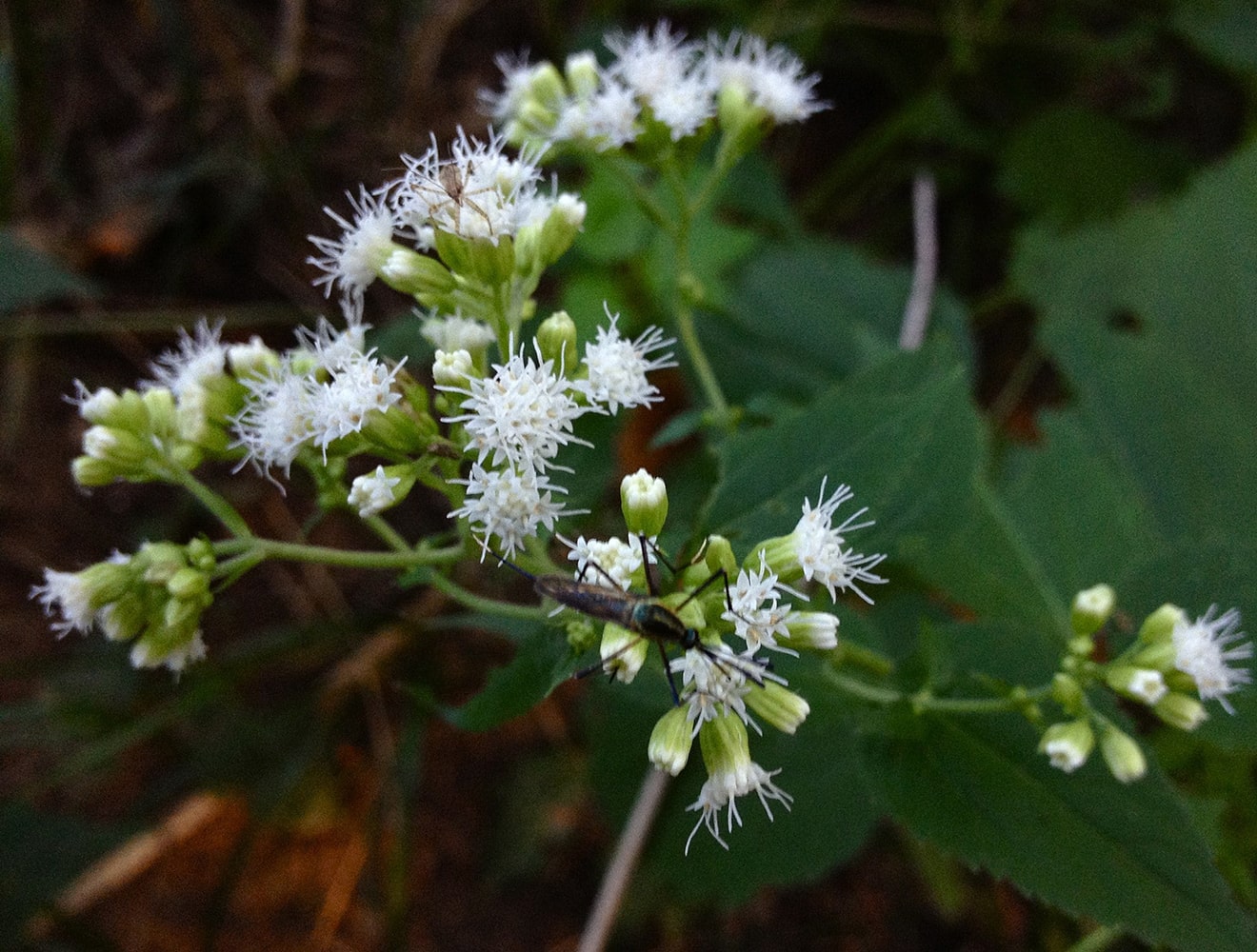
Goosefoot is a fast-growing annual weed that readily establishes itself in disturbed environments such as roadsides, gravel pits, vacant lots, and sometimes in wetland areas. The plant features pinnately lobed leaves that are coated with sticky hairs. At the top of its stems, it produces numerous small clusters of greenish-yellow flowers that bear a resemblance to stinging nettle. For optimal growth, it thrives in moist, fertile soil under full sunlight. It can be cultivated in hedges or trained as an espalier, making it easier to collect the blooms for dried floral arrangements. However, it has the potential to become invasive.

Dysphania botrys Feature Summary

Dysphania botrys Image Gallery

Tags

#fragrant flowers
#weed
#weedy
#espalier
#hedges
#naturalizes
#disturbed areas
#annual weed
#sticky
#FACU
#problem for cats
#problem for dogs
#problem for horses

Similar Plants

Dysphania botrys is often confused with:

Dysphania botrys Feature Summary

Flowers
Petaless, dense fragrant tiny green-yellow flowers June-September. Green cyalx with 5 lobes cups the flowers.
Gold/Yellow
Green
Fragrant
Good Dried
< 1 inch
Leaves
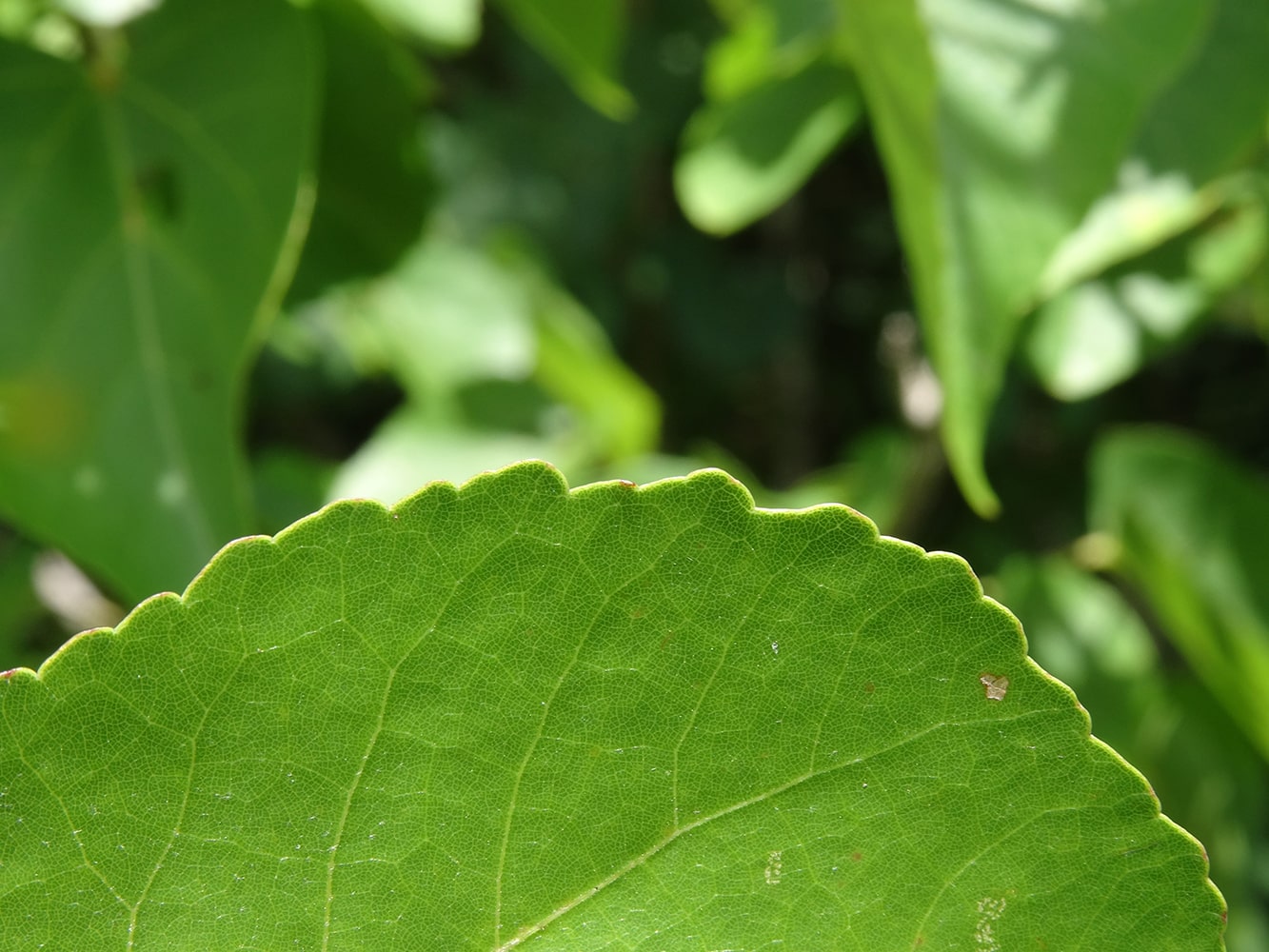
1/2"-1 1/2" long alternate angular pinnately lobed shallowly toothed base is wedge-shaped. Sticky glandular hairs.
Lobed
Serrate
< 1 inch
Stem
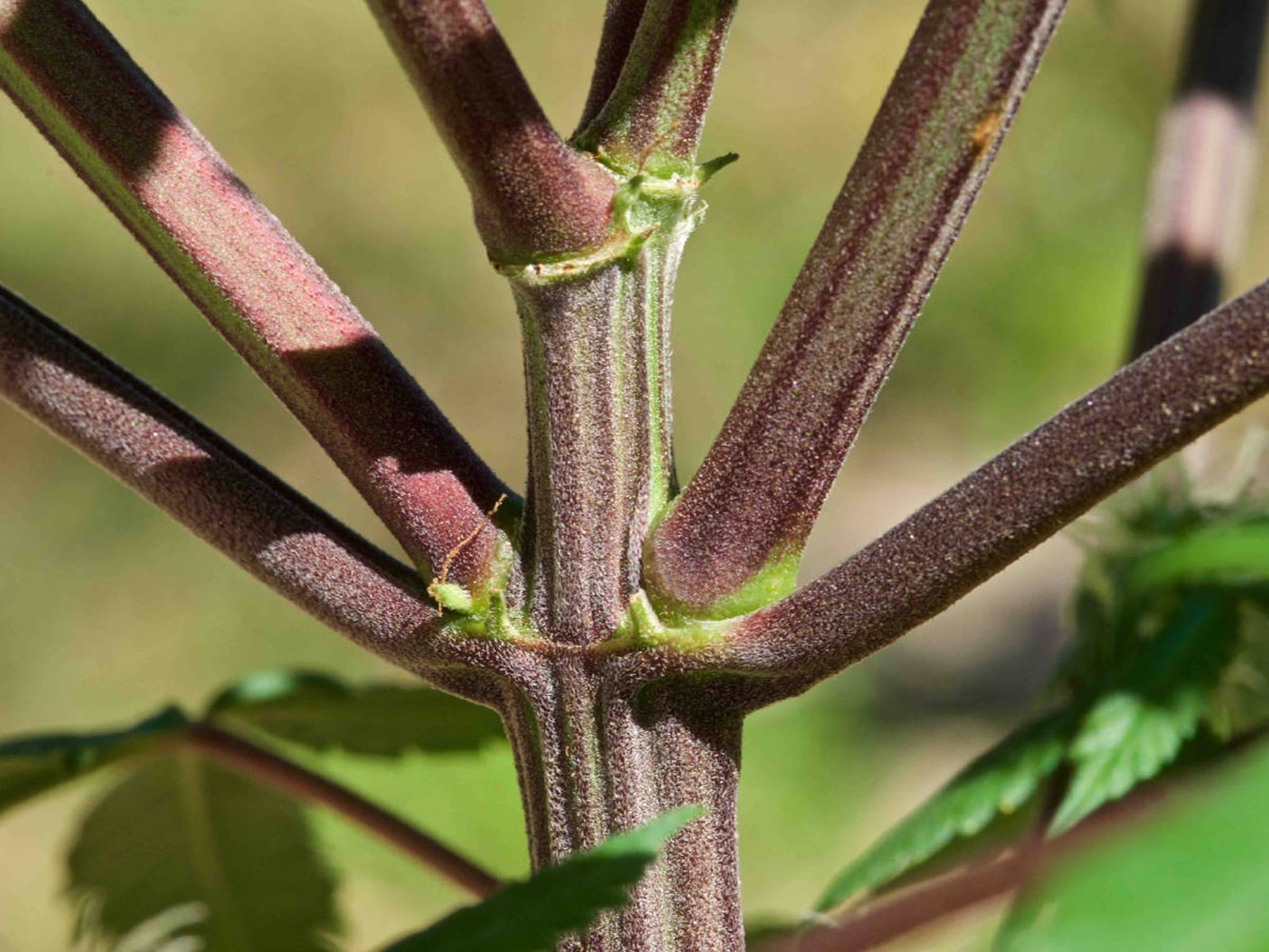
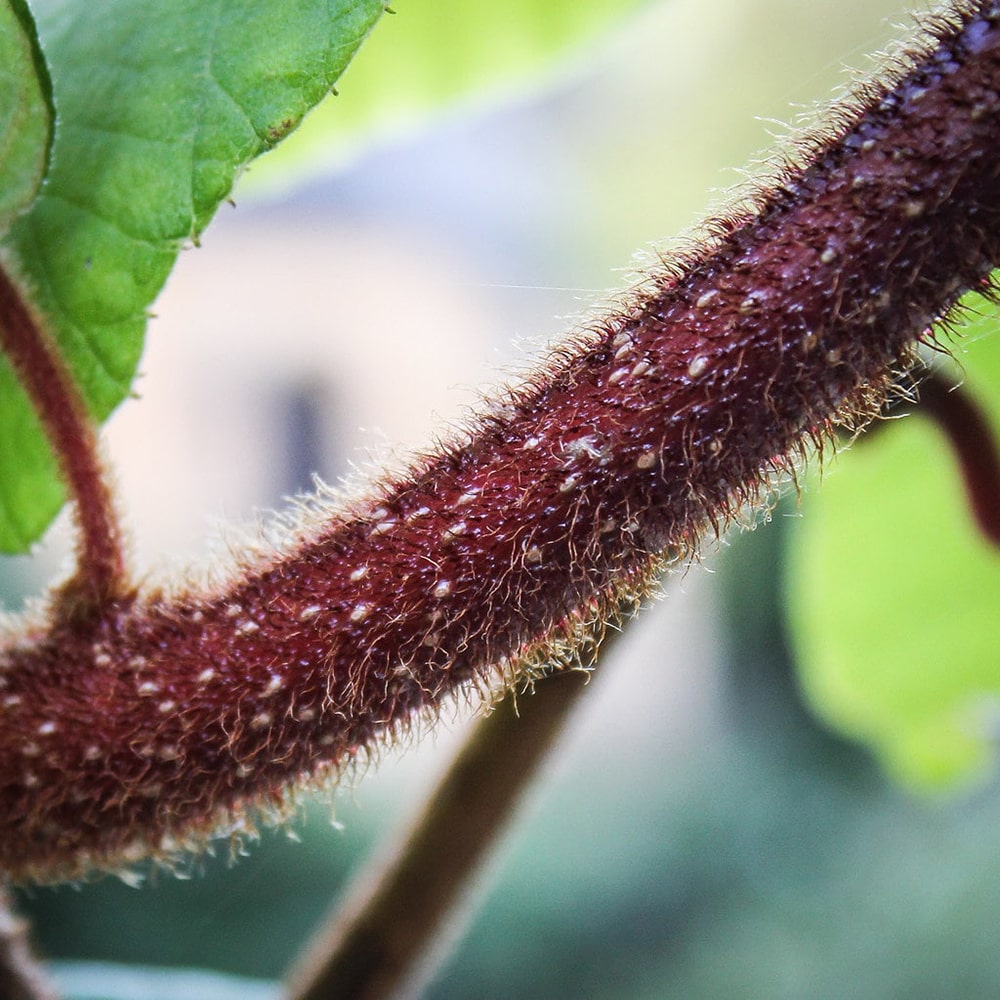
Unbranched from base, erect, ridged, sticky glandular hairs
Hairy (pubescent)
Poisonous to Humans
Vomiting, anorexia, depression
Sesquiterpene lactones
Whole Plant Traits
Cultural Conditions
Full sun (6 or more hours of direct sunlight a day)
Moist
Occasionally Wet
Occasionally Dry
High Organic Matter
Landscape
Cutting Garden
Lawn
Naturalized Area
Problem for Cats
Problem for Dogs
Problem for Horses
Weedy

Dysphania botrys Attributes

Dysphania botrys: Country Or Region Of Origin

Europe, Asia

Dysphania botrys: Life Cycle

Annual
Biennial
Bulb
Perennial
Woody

Dysphania botrys: Recommended Propagation Strategy

Division
Grafting
Layering
Leaf Cutting
Root Cutting
Seed
Stem Cutting

Dysphania botrys Flowers

Dysphania botrys: Flower Description

Petaless, dense fragrant tiny green-yellow flowers June-September. Green cyalx with 5 lobes cups the flowers.

Dysphania botrys: Flower Color

filter_vintage
Gold/Yellow
filter_vintage
Green

Dysphania botrys: Flower Value To Gardener

Edible
Fragrant
Good Cut
Good Dried
Long Bloom Season
Long-lasting
Showy

Dysphania botrys: Flower Bloom Time

Winter
Spring
Summer
Fall

Dysphania botrys: Flower Size

1-3 inches
3-6 inches
< 1 inch
> 6 inches

Dysphania botrys Leaves

Dysphania botrys: Leaf Description

1/2"-1 1/2" long alternate angular pinnately lobed shallowly toothed base is wedge-shaped. Sticky glandular hairs.

Dysphania botrys: Leaf Color

spa
Green

Dysphania botrys: Leaf Type

Compound (Pinnately , Bipinnately, Palmately)
Fronds
Needles
Sheath
Simple

Dysphania botrys: Leaf Arrangement

Alternate
Opposite
Other/more complex
Rosulate
Whorled

Dysphania botrys: Leaf Margin

Crenate
Crenulate
Dentate
Denticulate
Doubly Crenate
Doubly Dentate
Doubly Serrate
Entire
Lobed
Serrate
Sinuate
Undulate

Dysphania botrys: Hairs Present

No
Yes

Dysphania botrys: Leaf Length

< 1 inch
1-3 inches
3-6 inches
> 6 inches

Dysphania botrys Stem

Dysphania botrys: Stem Description

Unbranched from base, erect, ridged, sticky glandular hairs

Dysphania botrys: Stem Color

grass
Green

Dysphania botrys: Stem Is Aromatic

No
Yes

Dysphania botrys: Stem Surface

Corky Ridges
Covered with a powdery bloom (glaucous)
Dull
Hairy (pubescent)
Polished
Smooth (glabrous)

Dysphania botrys Poisonous to Humans

Dysphania botrys: Poison Symptoms

Vomiting, anorexia, depression

Dysphania botrys: Poison Toxic Principle

Sesquiterpene lactones

Dysphania botrys: Poison Severity

High
Low
Medium

Dysphania botrys: Causes Contact Dermatitis

No
Yes

Dysphania botrys: Poison Part

Bark
Flowers
Fruits
Leaves
Roots
Sap/Juice
Seeds
Stems

Dysphania botrys Whole Plant Traits

Dysphania botrys: Plant Type

Annual
Bulb
Carnivorous
Edible
Epiphyte
Fern
Ground Cover
Herb
Herbaceous Perennial
Houseplant
Mushroom
Native Plant
Ornamental Grasses and Sedges
Perennial
Poisonous
Rose
Shrub
Succulent
Tree
Turfgrass
Vegetable
Vine
Water Plant
Weed
Wildflower

Dysphania botrys: Habit/Form

Arching
Ascending
Broad
Cascading
Climbing
Clumping
Columnar
Conical
Creeping
Dense
Erect
Horizontal
Irregular
Mounding
Multi-stemmed
Multi-trunked
Open
Oval
Prostrate
Pyramidal
Rounded
Spreading
Vase
Weeping

Dysphania botrys: Maintenance

Low
Medium
High

Dysphania botrys Cultural Conditions

Dysphania botrys: Light

Dappled Sunlight (Shade through upper canopy all day)
Deep shade (Less than 2 hours to no direct sunlight)
Full sun (6 or more hours of direct sunlight a day)
Partial Shade (Direct sunlight only part of the day, 2-6 hours)

Dysphania botrys: Soil Drainage

Frequent Standing Water
Good Drainage
Moist
Occasional Flooding
Occasionally Dry
Occasionally Wet
Very Dry

Dysphania botrys: Soil Texture

Clay
High Organic Matter
Loam (Silt)
Sand
Shallow Rocky

Dysphania botrys Landscape

Dysphania botrys: Landscape Theme

Asian Garden
Butterfly Garden
Children's Garden
Cottage Garden
Cutting Garden
Drought Tolerant Garden
Edible Garden
English Garden
Fairy Garden
Garden for the Blind
Native Garden
Nighttime Garden
Pollinator Garden
Rain Garden
Rock Garden
Shade Garden
Water Garden
Winter Garden

Dysphania botrys: Design Feature

Accent
Barrier
Border
Flowering Tree
Foundation Planting
Hedge
Mass Planting
Screen/Privacy
Security
Shade Tree
Small groups
Small Tree
Specimen
Street Tree
Understory Tree

Dysphania botrys: Landscape Location

Coastal
Container
Hanging Baskets
Houseplants
Lawn
Meadow
Naturalized Area
Near Septic
Patio
Pond
Pool/Hardscape
Recreational Play Area
Riparian
Rock Wall
Slope/Bank
Small Space
Vertical Spaces
Walkways
Woodland

Dysphania botrys: Problems

Allelopathic
Contact Dermatitis
Frequent Disease Problems
Frequent Insect Problems
Invasive Species
Malodorous
Messy
Poisonous to Humans
Problem for Cats
Problem for Children
Problem for Dogs
Problem for Horses
Short-lived
Spines/Thorns
Weak Wood
Weedy