Plant Profile: Ravenala madagascariensis

Taxonomy: Ravenala madagascariensis

Names


  • Photo of Ravenala madagascariensis (Ravenala madagascariensiss)

Phonetic Spelling:ra-VEN-ah-la mad-uh-gas-KAR-ee-EN-sis

Genus:Ravenala

Species:madagascariensis

Family:Strelitziaceae

The Traveller's Tree, a palm-like species indigenous to Madagascar, can attain heights ranging from 30 to 50 feet in its natural environment. This tree flourishes in frost-free regions across the globe. For optimal growth, it should be planted in rich, moist, well-drained loam and placed in full sunlight. In climates where winter conditions may be too harsh, it is suitable to cultivate this tree within a greenhouse.

Propagation can be achieved through seeds, division, or occasionally by offsets that the plant produces.

Regarding pests, diseases, and other potential issues, the Traveller's Tree generally faces no significant threats. However, excessive watering may result in root rot, and strong winds can cause damage to its leaves.

Ravenala madagascariensis Feature Summary

Ravenala madagascariensis Image Gallery

Tags

#specimen
#palm
#large leaves
#winter interest
#palm-like
#tropical palm
#tropical feel

Similar Plants

Ravenala madagascariensis Feature Summary

Fruit
Woody capsules 3 1/2" long with edible blue seeds
> 3 inches
Flowers
A seasonal bloomer 3 petaled whilte boat-shaped spathes of flowers appear in cymes
2-3 rays/petals
Leaves
Huge eaves form a fan shape, cup-shaped petioles collect rain-water hence the common name, as it was thought travelers used this water.
> 6 inches
> 6 inches
Bark
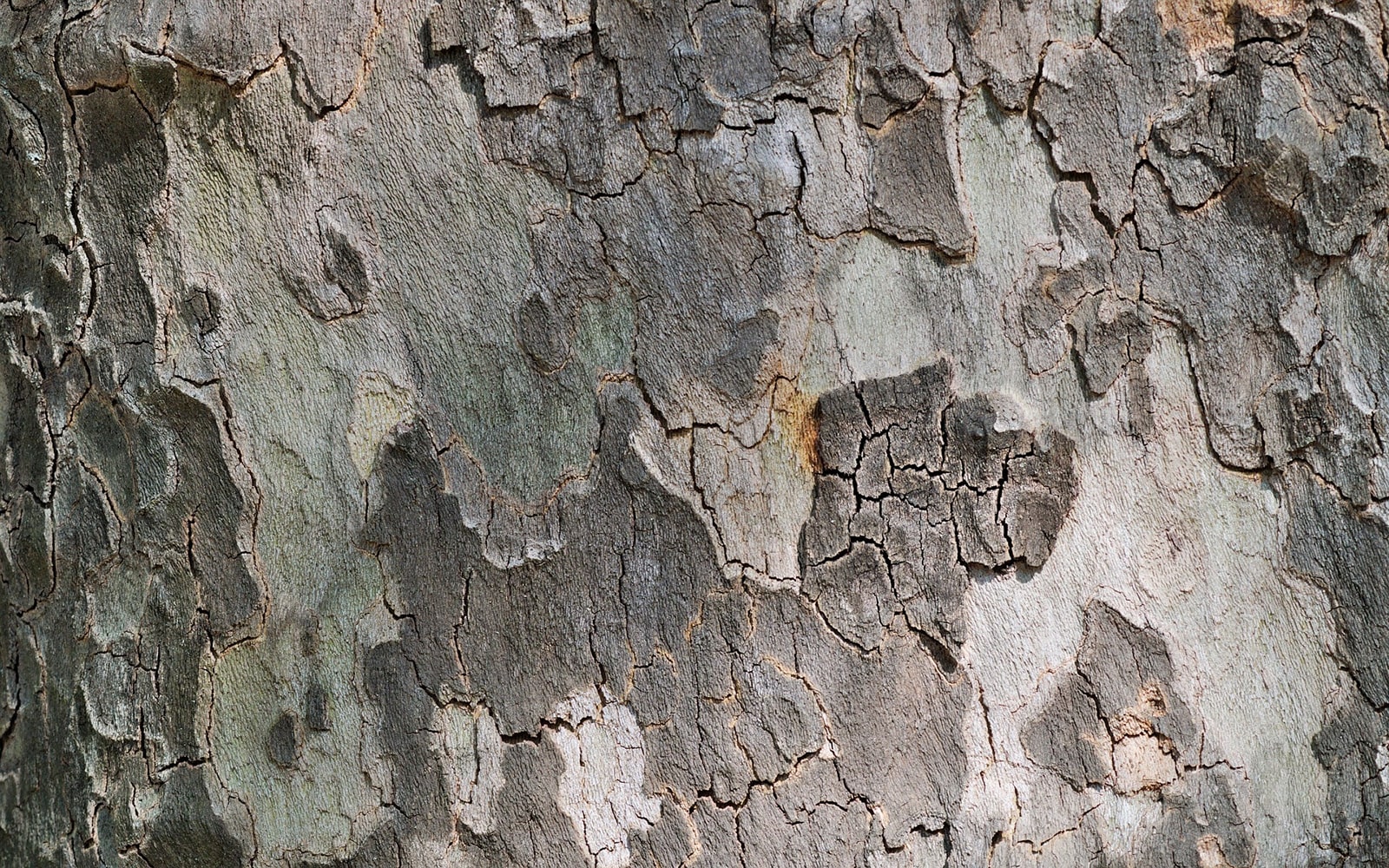
12" diameter unbranched trunk with leaf scar rings.
Whole Plant Traits
Cultural Conditions
Full sun (6 or more hours of direct sunlight a day)
Good Drainage
Moist
24-60 feet
12-24 feet
High Organic Matter
Loam (Silt)
Landscape

Ravenala madagascariensis Attributes

Ravenala madagascariensis: Country Or Region Of Origin

Madagascar

Ravenala madagascariensis: Recommended Propagation Strategy

Division
Grafting
Layering
Leaf Cutting
Root Cutting
Seed
Stem Cutting

Ravenala madagascariensis Fruit

Ravenala madagascariensis: Fruit Description

Woody capsules 3 1/2" long with edible blue seeds

Ravenala madagascariensis: Fruit Type

Achene
Aggregate
Berry
Capsule
Caryopsis
Drupe
Follicle
Legume
Nut
Pome
Samara
Schizocarp
Siliqua

Ravenala madagascariensis: Fruit Value To Gardener

Edible
Fragrant
Good Cut
Good Dried
Long Bloom Season
Long-lasting
Showy

Ravenala madagascariensis: Fruit Length

< 1 inch
1-3 inches
> 3 inches

Ravenala madagascariensis Flowers

Ravenala madagascariensis: Flower Description

A seasonal bloomer 3 petaled whilte boat-shaped spathes of flowers appear in cymes

Ravenala madagascariensis: Flower Color

filter_vintage
White

Ravenala madagascariensis: Flower Inflorescence

Catkin
Corymb
Cyme
Head
Insignificant
Panicle
Raceme
Solitary
Spadix
Spike
Umbel

Ravenala madagascariensis: Flower Value To Gardener

Edible
Fragrant
Good Cut
Good Dried
Long Bloom Season
Long-lasting
Showy

Ravenala madagascariensis: Flower Petals

2-3 rays/petals
4-5 petals/rays
6 petals/rays
7 - 20 petals/rays
asymmetrical petals
Bracts
Colored Sepals
fused petals
more than 20 petals/rays
Tepals

Ravenala madagascariensis Leaves

Ravenala madagascariensis: Leaf Description

Huge eaves form a fan shape, cup-shaped petioles collect rain-water hence the common name, as it was thought travelers used this water.

Ravenala madagascariensis: Woody Plant Leaf Characteristics

Broadleaf Evergreen
Deciduous
Needled Evergreen
Semi-evergreen

Ravenala madagascariensis: Leaf Type

Compound (Pinnately , Bipinnately, Palmately)
Fronds
Needles
Sheath
Simple

Ravenala madagascariensis: Hairs Present

No
Yes

Ravenala madagascariensis: Leaf Length

< 1 inch
1-3 inches
3-6 inches
> 6 inches

Ravenala madagascariensis: Leaf Width

< 1 inch
1-3 inches
3-6 inches
> 6 inches

Ravenala madagascariensis Bark

Ravenala madagascariensis: Bark Description

12" diameter unbranched trunk with leaf scar rings.

Ravenala madagascariensis Whole Plant Traits

Ravenala madagascariensis: Plant Type

Annual
Bulb
Carnivorous
Edible
Epiphyte
Fern
Ground Cover
Herb
Herbaceous Perennial
Houseplant
Mushroom
Native Plant
Ornamental Grasses and Sedges
Perennial
Poisonous
Rose
Shrub
Succulent
Tree
Turfgrass
Vegetable
Vine
Water Plant
Weed
Wildflower

Ravenala madagascariensis: Woody Plant Leaf Characteristics

Broadleaf Evergreen
Deciduous
Needled Evergreen
Semi-evergreen

Ravenala madagascariensis Cultural Conditions

Ravenala madagascariensis: Light

Dappled Sunlight (Shade through upper canopy all day)
Deep shade (Less than 2 hours to no direct sunlight)
Full sun (6 or more hours of direct sunlight a day)
Partial Shade (Direct sunlight only part of the day, 2-6 hours)

Ravenala madagascariensis: Soil Drainage

Frequent Standing Water
Good Drainage
Moist
Occasional Flooding
Occasionally Dry
Occasionally Wet
Very Dry

Ravenala madagascariensis: Available Space To Plant

12 inches-3 feet
12-24 feet
24-60 feet
3 feet-6 feet
6-feet-12 feet
Less than 12 inches
more than 60 feet

Ravenala madagascariensis: USDA Plant Hardiness Zone

thermostat
10a
thermostat
10b
thermostat
11a
thermostat
11b

Ravenala madagascariensis: Soil Texture

Clay
High Organic Matter
Loam (Silt)
Sand
Shallow Rocky

Ravenala madagascariensis Stem

Ravenala madagascariensis: Stem Is Aromatic

No
Yes

Ravenala madagascariensis Landscape

Ravenala madagascariensis: Landscape Theme

Asian Garden
Butterfly Garden
Children's Garden
Cottage Garden
Cutting Garden
Drought Tolerant Garden
Edible Garden
English Garden
Fairy Garden
Garden for the Blind
Native Garden
Nighttime Garden
Pollinator Garden
Rain Garden
Rock Garden
Shade Garden
Water Garden
Winter Garden

Ravenala madagascariensis: Design Feature

Accent
Barrier
Border
Flowering Tree
Foundation Planting
Hedge
Mass Planting
Screen/Privacy
Security
Shade Tree
Small groups
Small Tree
Specimen
Street Tree
Understory Tree

Ravenala madagascariensis: Landscape Location

Coastal
Container
Hanging Baskets
Houseplants
Lawn
Meadow
Naturalized Area
Near Septic
Patio
Pond
Pool/Hardscape
Recreational Play Area
Riparian
Rock Wall
Slope/Bank
Small Space
Vertical Spaces
Walkways
Woodland