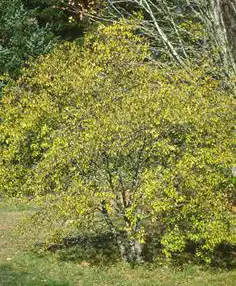
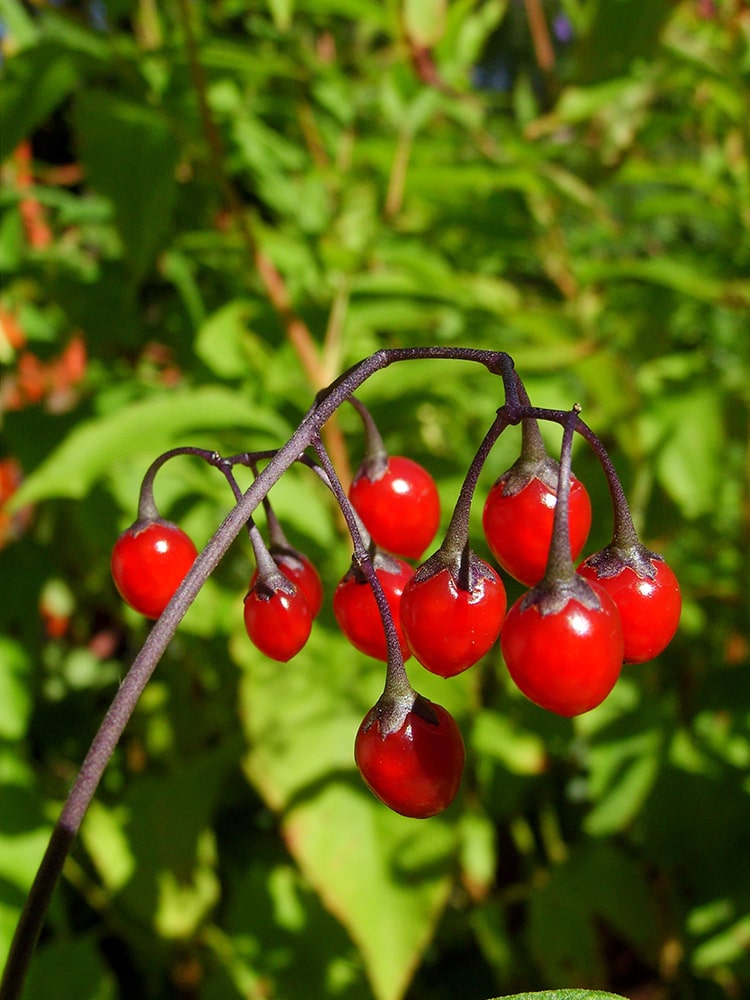
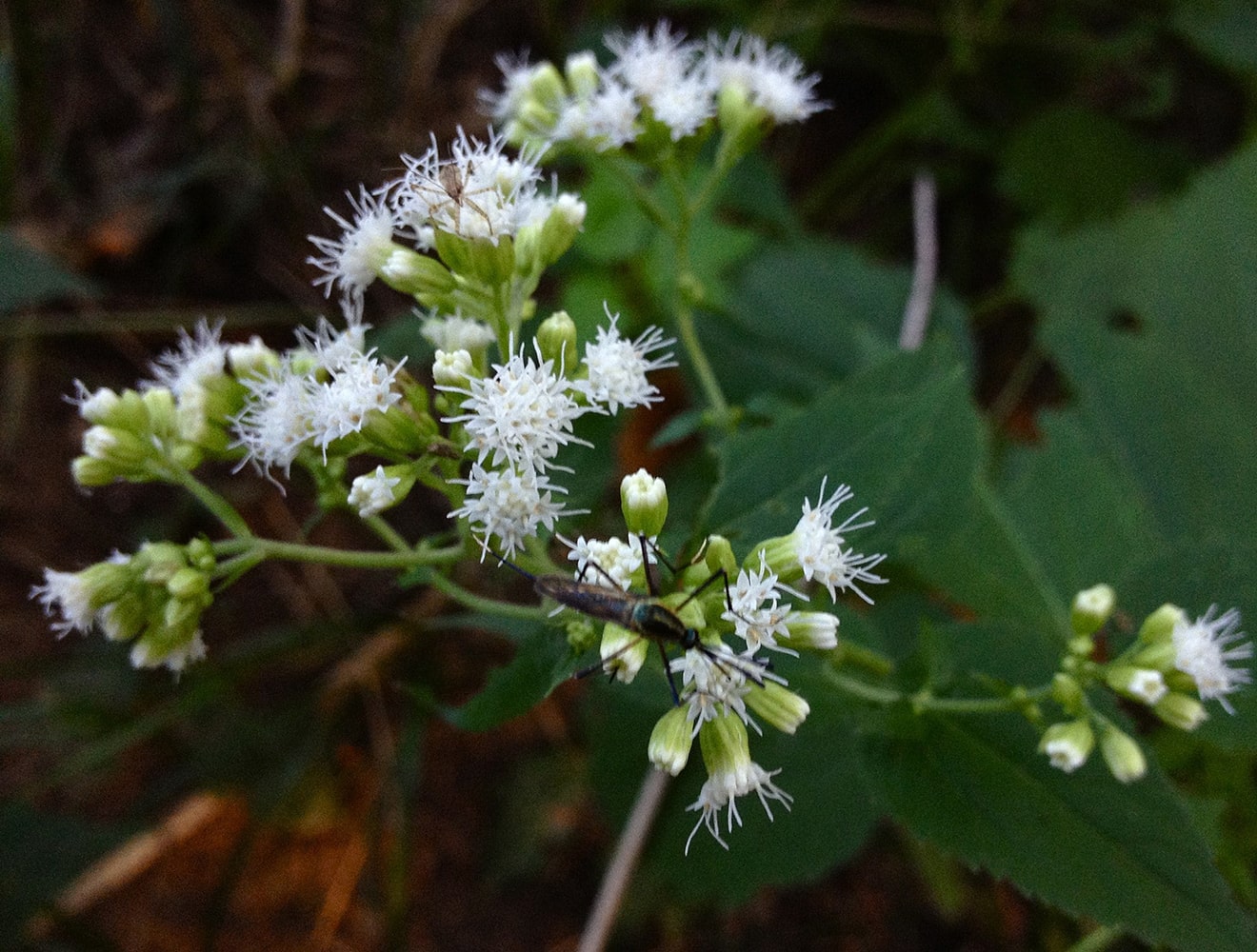
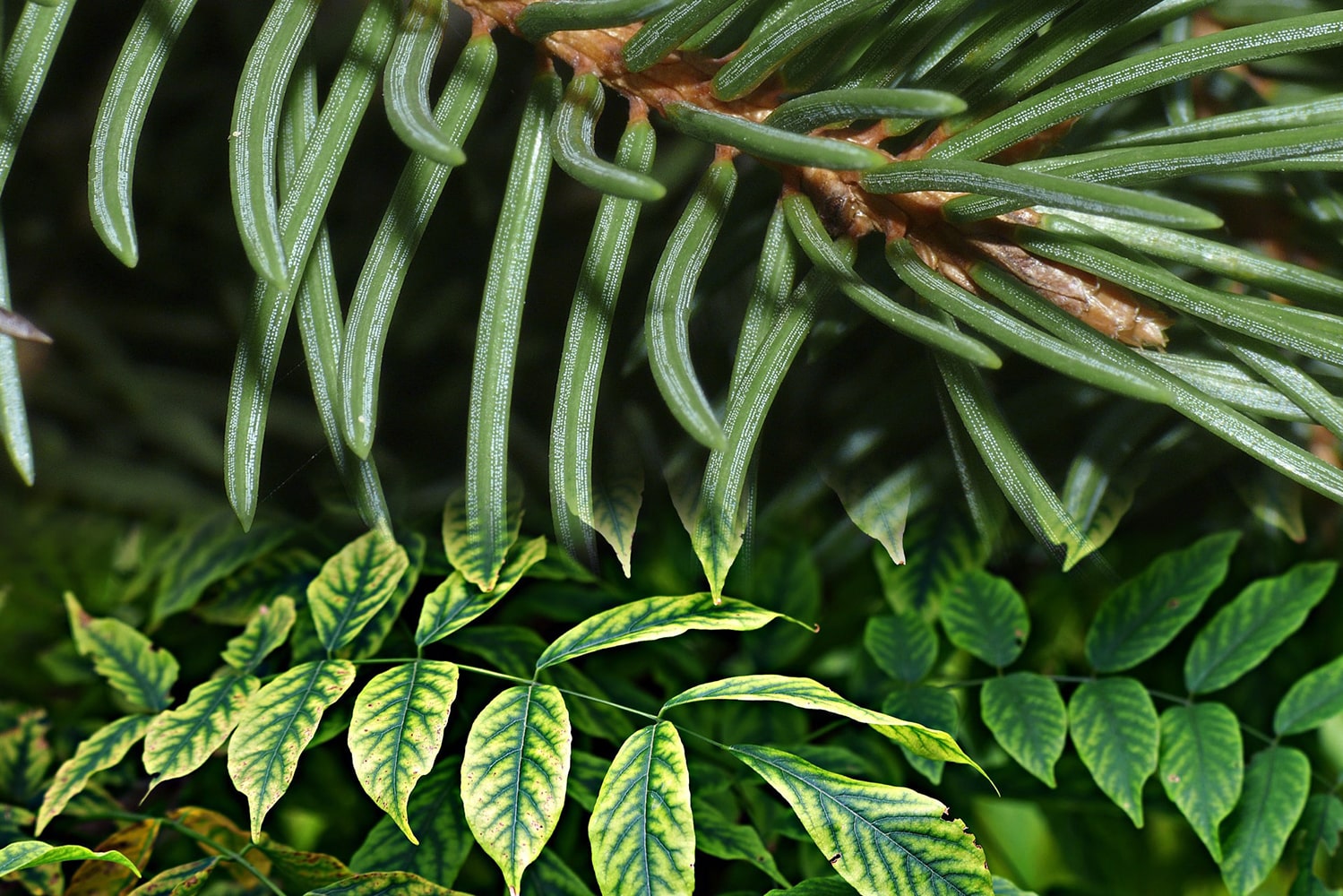
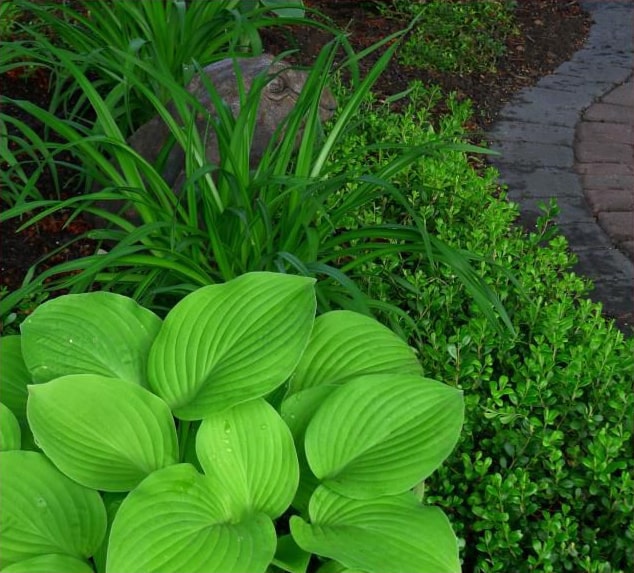
• Photo of Rhamnus cathartica (Rhamnus catharticas)

Plant Profile: Rhamnus cathartica

Taxonomy: Rhamnus cathartica

Names

Common Buckthorn

  • Photo of Rhamnus cathartica (Rhamnus catharticas)

Phonetic Spelling:RAM-nus kat-AR-tik-uh

Genus:Rhamnus

Species:cathartica

Family:Rhamnaceae

This plant is easy to transplant and its fruit is known to attract birds. It can be classified as a small evergreen or deciduous tree or shrub, often featuring twigs that are tipped with thorns.

Preferred Environment: It thrives in a variety of soil types and is resilient to both drought and air pollution.

Physical Characteristics: It ranges from a large shrub to a small tree with low branches, exhibiting a rounded shape and crooked stems.

Toxicity Information: The poison is delivered through ingestion.

Toxicity Level: It only poses a low toxicity risk if consumed.

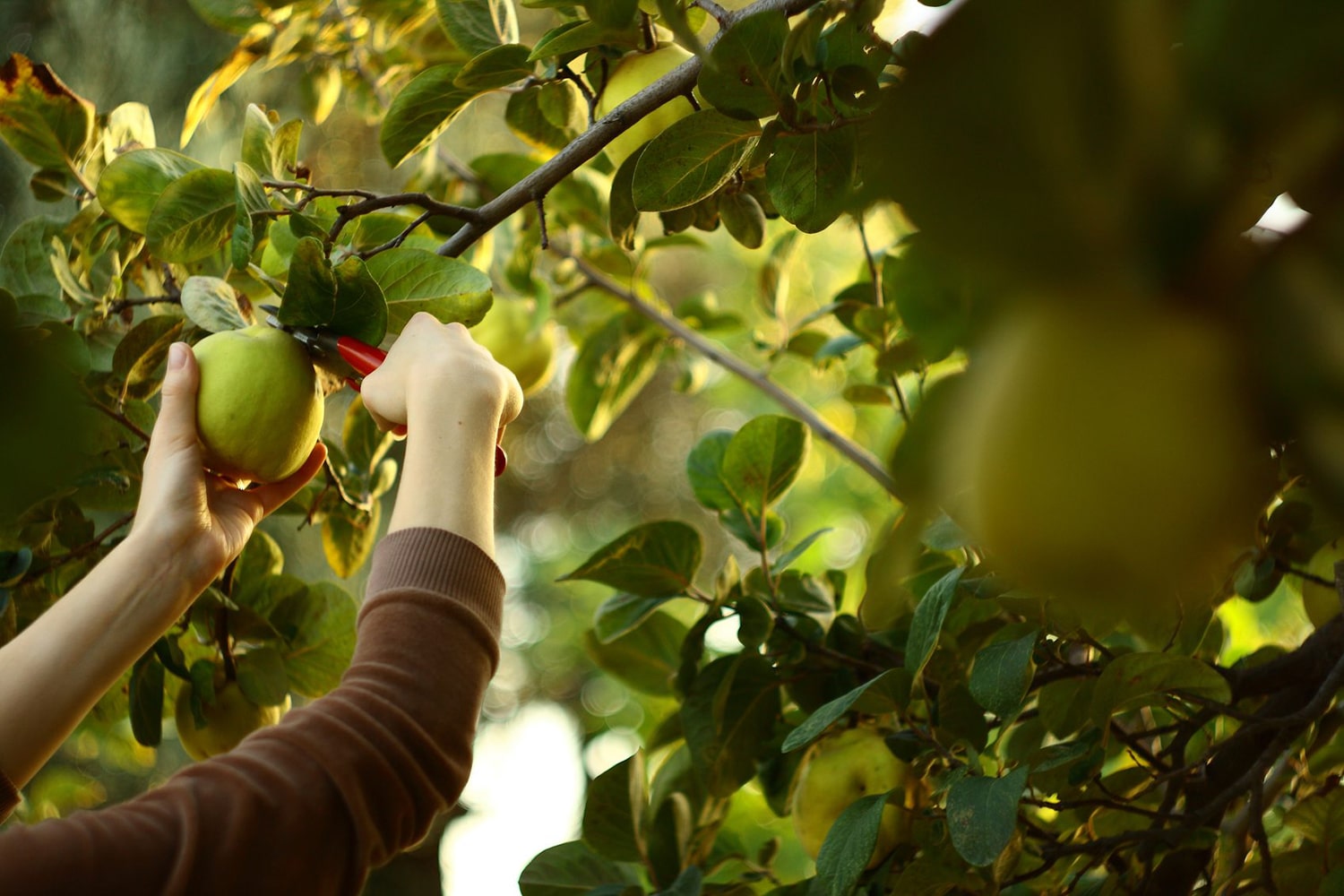
Habitat: This species is typically found in forests or natural areas with rich woodlands, and it is also cultivated as an ornamental shrub in landscaped settings.

Growth Rate: It grows at a moderate to rapid pace.

For further details, refer to information on Rhamnus.

Rhamnus cathartica Feature Summary

Rhamnus cathartica Image Gallery

Tags

#deciduous

Similar Plants

Rhamnus cathartica Feature Summary

Attributes
Europe to Western Siberia and North West China and NW. Africa
Fruit attracts birds
Fruit
Fleshy, black berry. 0.2 in. glossy black fruit in fall
Flowers
Small, 4-5-parted.
2-3 rays/petals
< 1 inch
Leaves
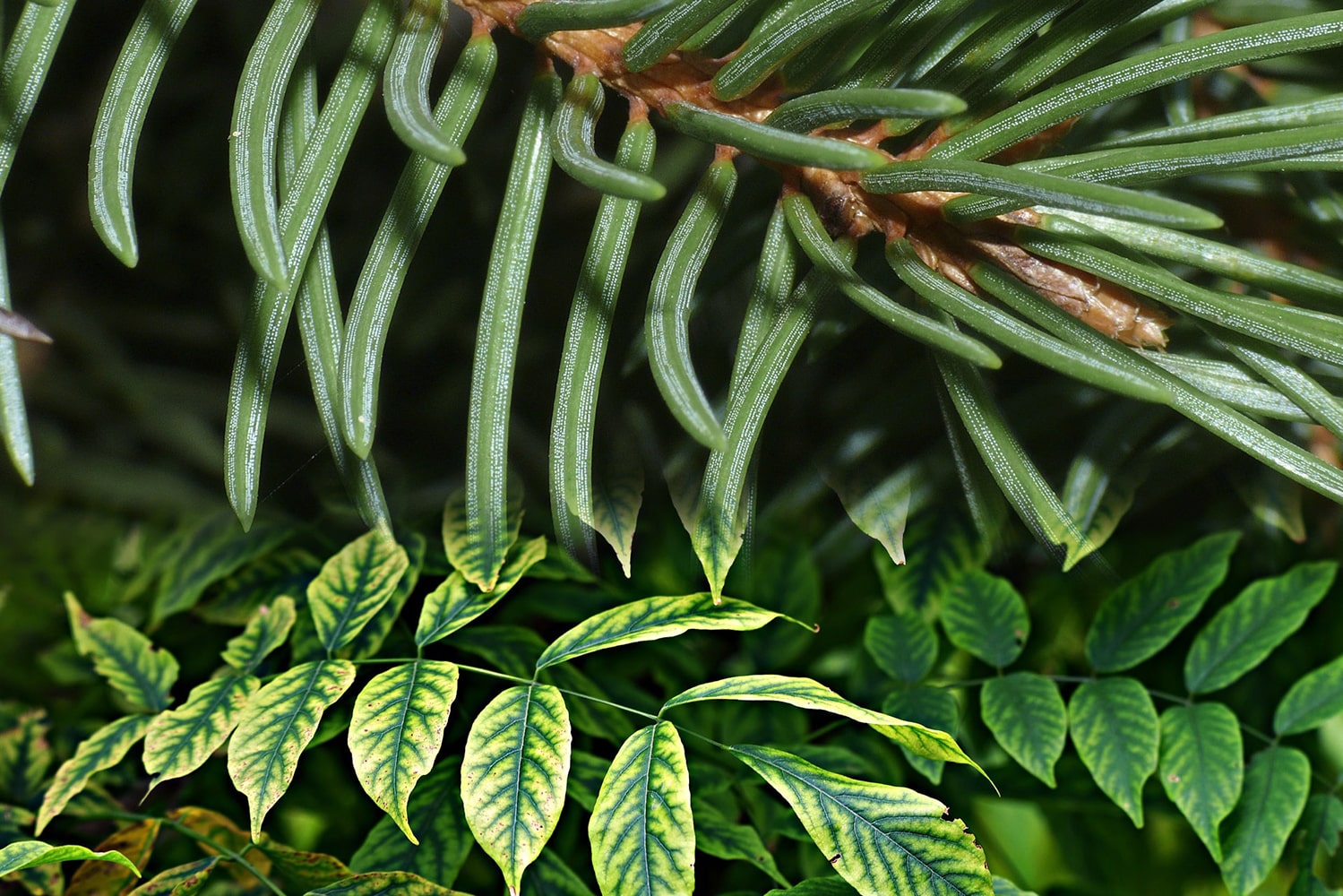
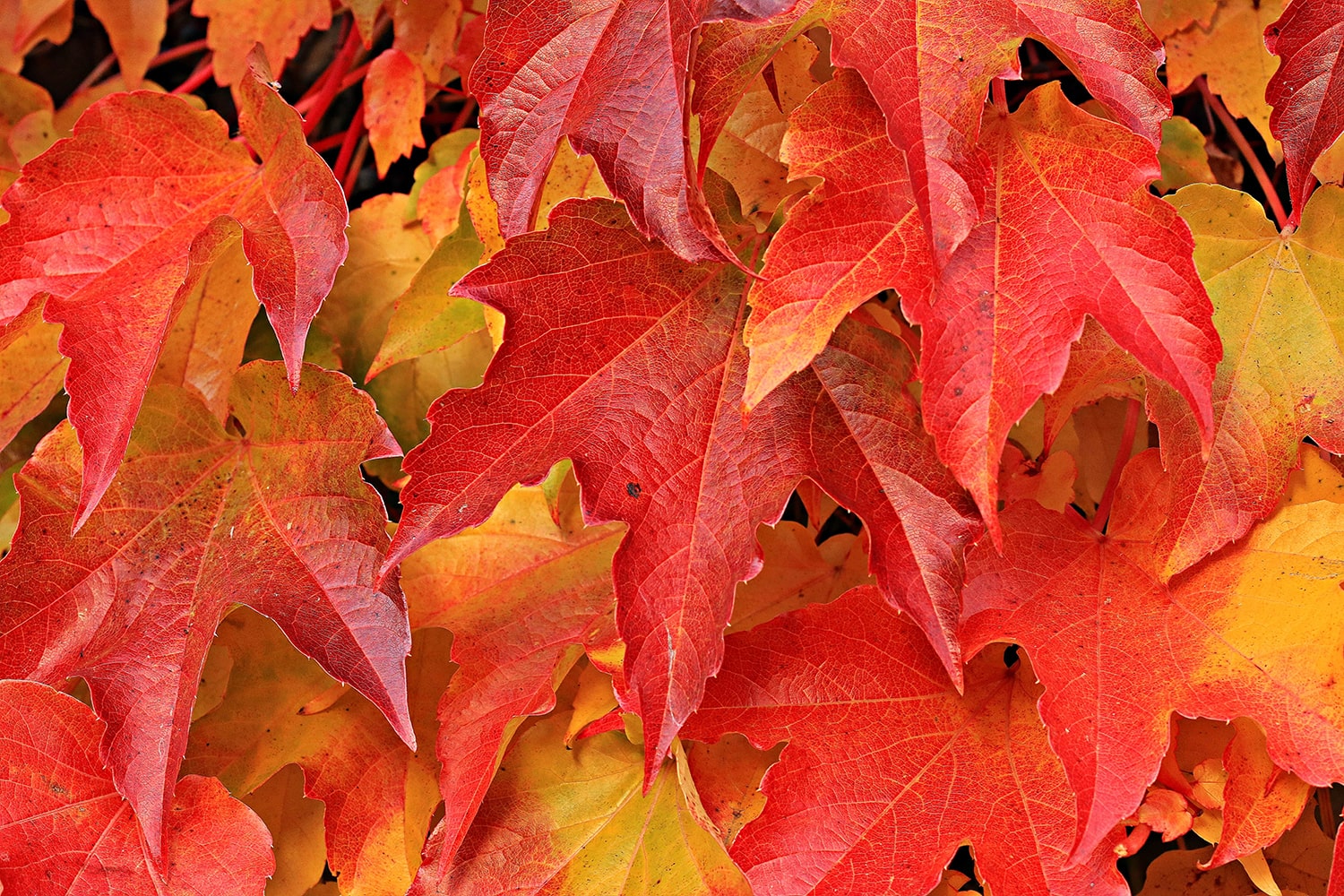
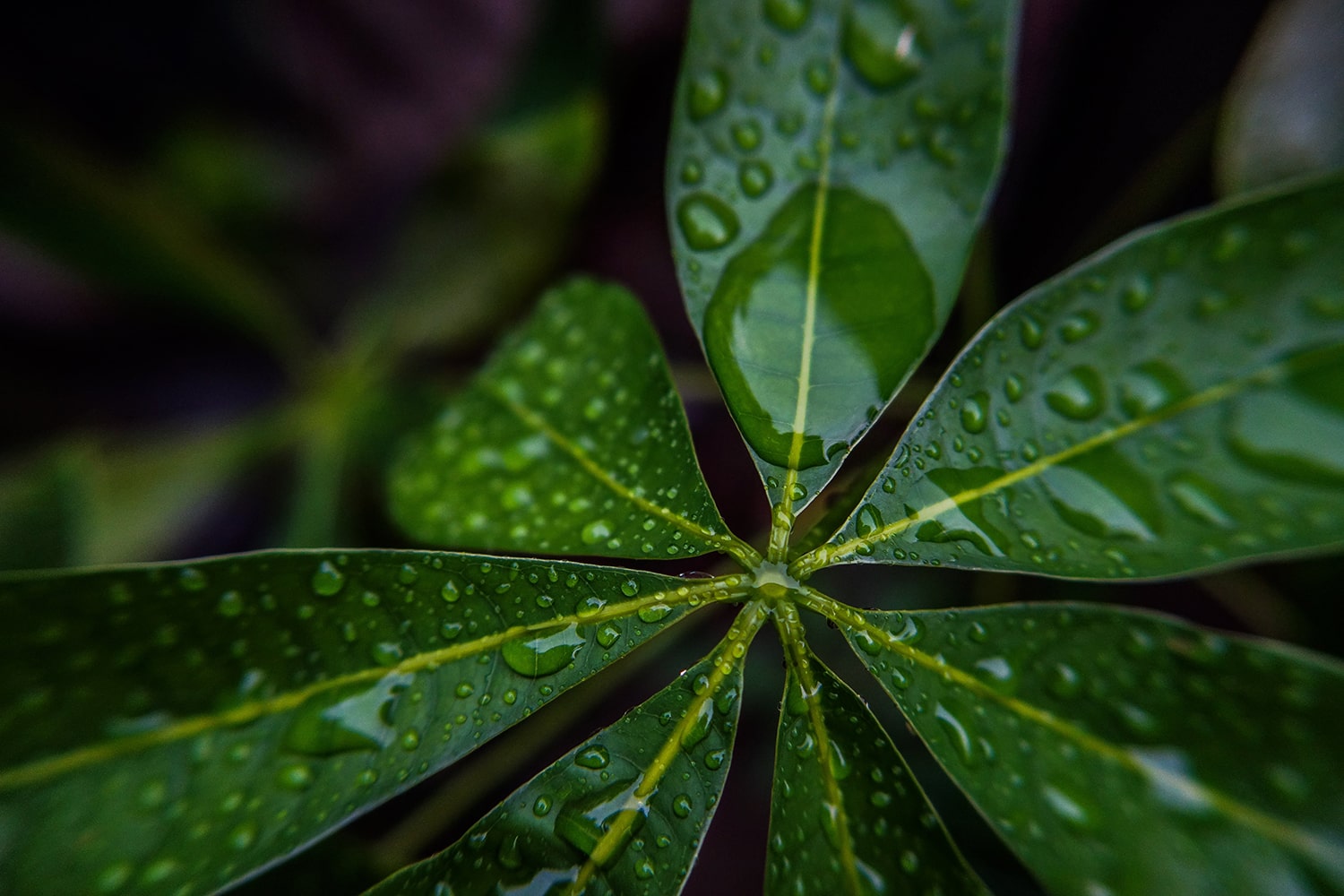
leaves alternate or nearly opposite, simple, smooth or toothed. 1.5 to 3 in., dark green leaves; modest yellowish green fall color
Opposite
Alternate
1-3 inches
Poisonous to Humans
Whole Plant Traits
Cultural Conditions
Full sun (6 or more hours of direct sunlight a day)
4a
4b
5b
5a
6a
6b
7a
7b
3a
3b
Landscape
Songbirds

Rhamnus cathartica Attributes

Rhamnus cathartica: Country Or Region Of Origin

Europe to Western Siberia and North West China and NW. Africa
Rhamnus cathartica: Wildlife Value

Fruit attracts birds

Rhamnus cathartica Fruit

Rhamnus cathartica: Fruit Description

Fleshy, black berry. 0.2 in. glossy black fruit in fall

Rhamnus cathartica: Fruit Type

Achene
Aggregate
Berry
Capsule
Caryopsis
Drupe
Follicle
Legume
Nut
Pome
Samara
Schizocarp
Siliqua

Rhamnus cathartica: Fruit Color

grass
Black

Rhamnus cathartica: Display/Harvest Time

Fall
Spring
Summer
Winter

Rhamnus cathartica Flowers

Rhamnus cathartica: Flower Description

Small, 4-5-parted.

Rhamnus cathartica: Flower Bloom Time

Winter
Spring
Summer
Fall

Rhamnus cathartica: Flower Petals

2-3 rays/petals
4-5 petals/rays
6 petals/rays
7 - 20 petals/rays
asymmetrical petals
Bracts
Colored Sepals
fused petals
more than 20 petals/rays
Tepals

Rhamnus cathartica: Flower Size

1-3 inches
3-6 inches
< 1 inch
> 6 inches

Rhamnus cathartica Leaves

Rhamnus cathartica: Leaf Description

leaves alternate or nearly opposite, simple, smooth or toothed. 1.5 to 3 in., dark green leaves; modest yellowish green fall color

Rhamnus cathartica: Woody Plant Leaf Characteristics

Broadleaf Evergreen
Deciduous
Needled Evergreen
Semi-evergreen

Rhamnus cathartica: Leaf Color

spa
Green

Rhamnus cathartica: Deciduous Leaf Fall Color

spa
Gold/Yellow

Rhamnus cathartica: Leaf Type

Compound (Pinnately , Bipinnately, Palmately)
Fronds
Needles
Sheath
Simple

Rhamnus cathartica: Leaf Arrangement

Alternate
Opposite
Other/more complex
Rosulate
Whorled

Rhamnus cathartica: Hairs Present

No
Yes

Rhamnus cathartica: Leaf Length

< 1 inch
1-3 inches
3-6 inches
> 6 inches

Rhamnus cathartica: Leaf Feel

Fleshy
Glossy
Leathery
Papery
Prickly
Rough
Rubbery
Slippery
Smooth
Soft
Velvety
Waxy

Rhamnus cathartica Stem

Rhamnus cathartica: Stem Description

Crocked stems

Rhamnus cathartica: Stem Is Aromatic

No
Yes

Rhamnus cathartica Poisonous to Humans

Rhamnus cathartica: Poison Symptoms

Nausea, vomiting, and diarrhea.

Rhamnus cathartica: Poison Toxic Principle

Glycosides.

Rhamnus cathartica: Poison Severity

High
Low
Medium

Rhamnus cathartica: Causes Contact Dermatitis

No
Yes

Rhamnus cathartica: Poison Part

Bark
Flowers
Fruits
Leaves
Roots
Sap/Juice
Seeds
Stems

Rhamnus cathartica Whole Plant Traits

Rhamnus cathartica: Plant Type

Annual
Bulb
Carnivorous
Edible
Epiphyte
Fern
Ground Cover
Herb
Herbaceous Perennial
Houseplant
Mushroom
Native Plant
Ornamental Grasses and Sedges
Perennial
Poisonous
Rose
Shrub
Succulent
Tree
Turfgrass
Vegetable
Vine
Water Plant
Weed
Wildflower

Rhamnus cathartica: Woody Plant Leaf Characteristics

Broadleaf Evergreen
Deciduous
Needled Evergreen
Semi-evergreen

Rhamnus cathartica: Habit/Form

Arching
Ascending
Broad
Cascading
Climbing
Clumping
Columnar
Conical
Creeping
Dense
Erect
Horizontal
Irregular
Mounding
Multi-stemmed
Multi-trunked
Open
Oval
Prostrate
Pyramidal
Rounded
Spreading
Vase
Weeping

Rhamnus cathartica: Growth Rate

Slow
Medium
Rapid

Rhamnus cathartica: Texture

Fine
Medium
Coarse

Rhamnus cathartica Cultural Conditions

Rhamnus cathartica: Light

Dappled Sunlight (Shade through upper canopy all day)
Deep shade (Less than 2 hours to no direct sunlight)
Full sun (6 or more hours of direct sunlight a day)
Partial Shade (Direct sunlight only part of the day, 2-6 hours)

Rhamnus cathartica: USDA Plant Hardiness Zone

thermostat
3a
thermostat
3b
thermostat
4a
thermostat
4b
thermostat
5a
thermostat
5b
thermostat
6a
thermostat
6b
thermostat
7a
thermostat
7b

Rhamnus cathartica Landscape

Rhamnus cathartica: Attracts

Bats
Bees
Butterflies
Frogs
Hummingbirds
Moths
Pollinators
Predatory Insects
Reptiles
Small Mammals
Songbirds
Specialized Bees