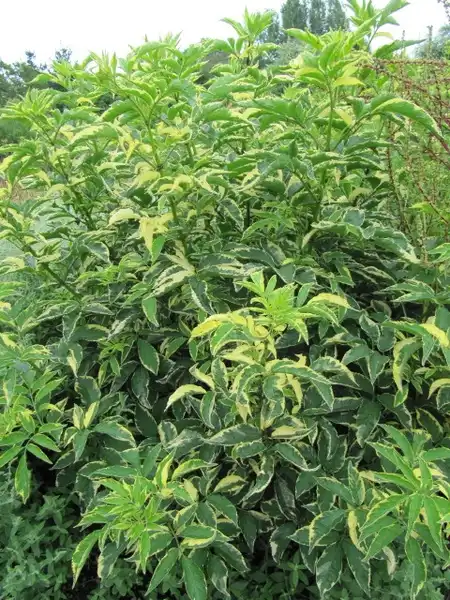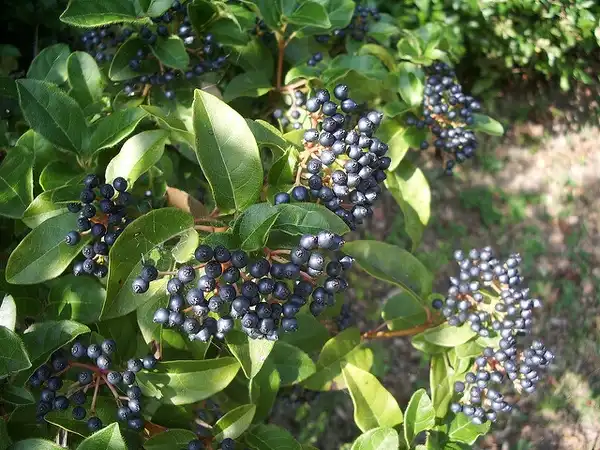
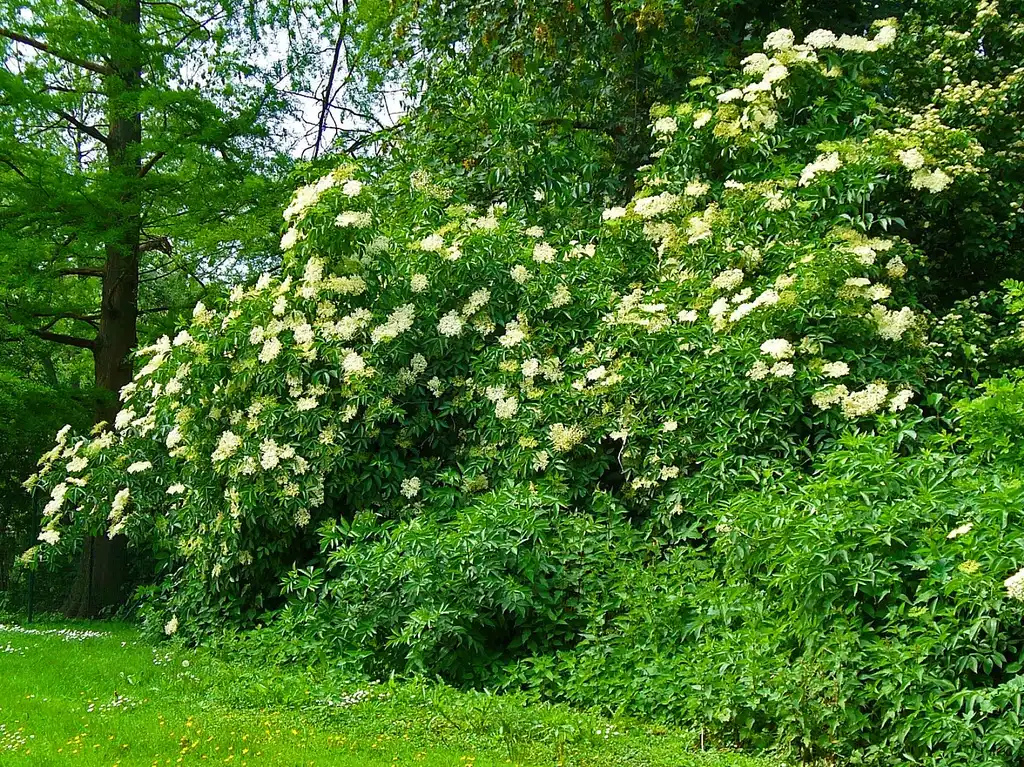
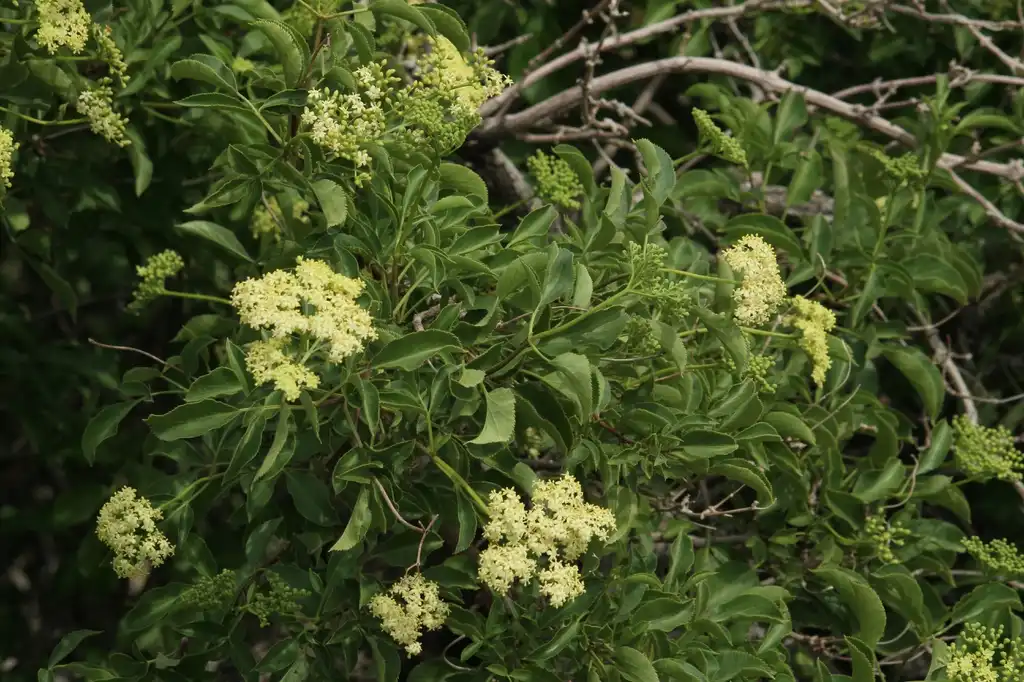
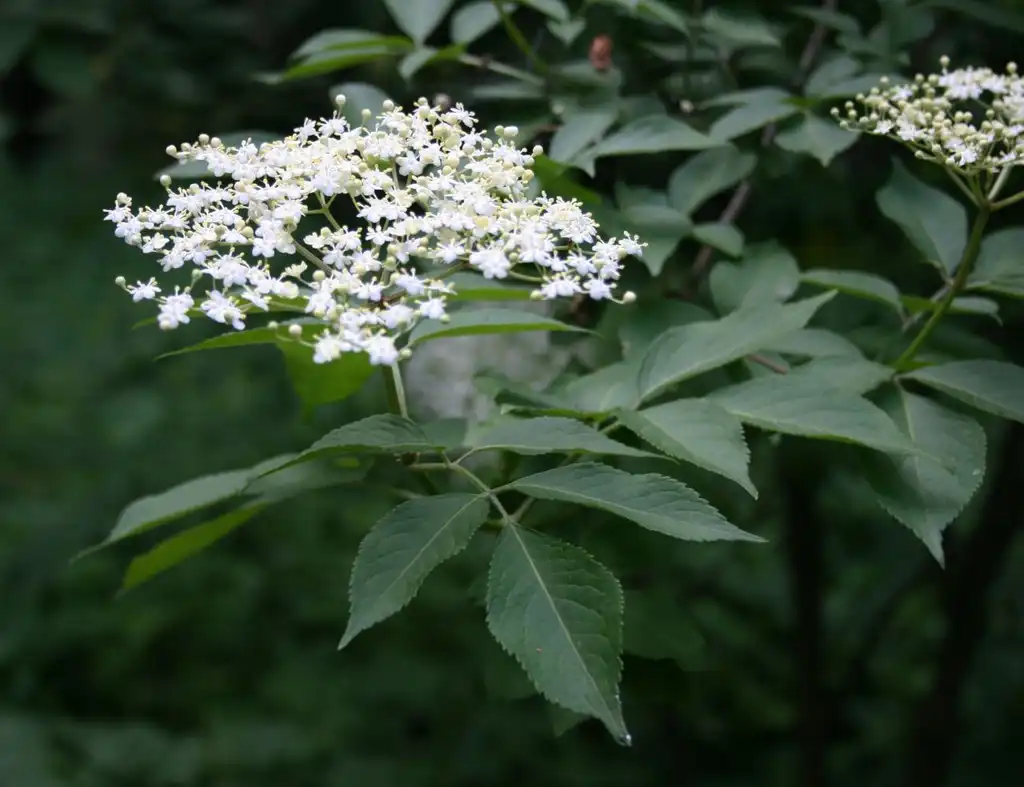
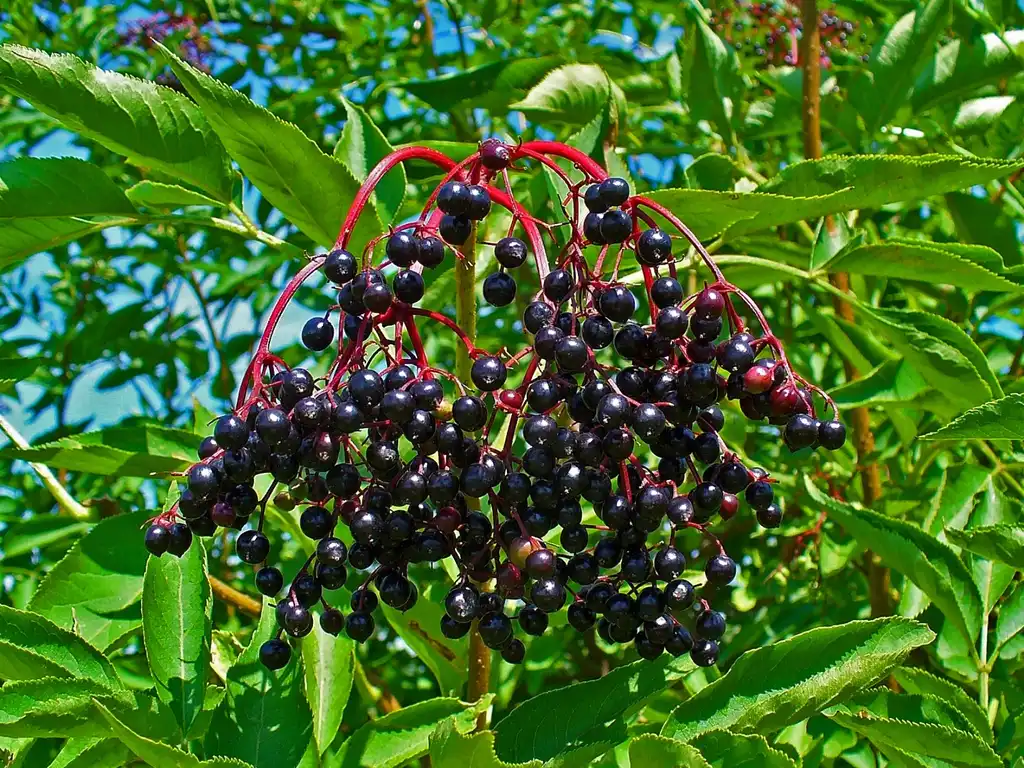
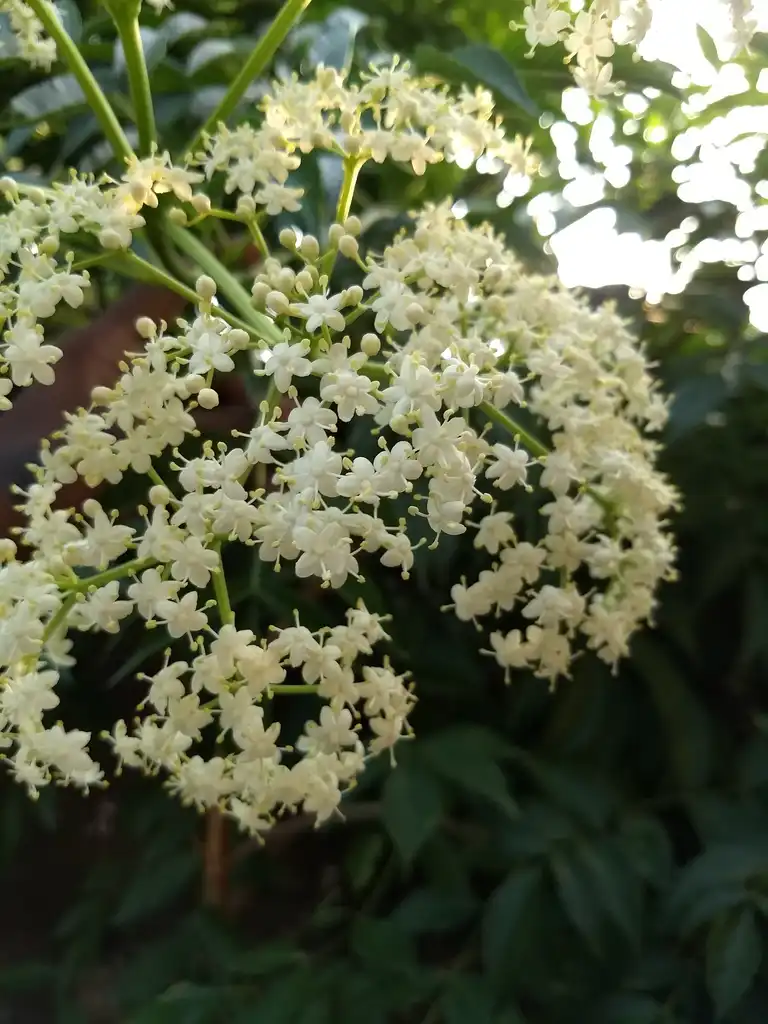
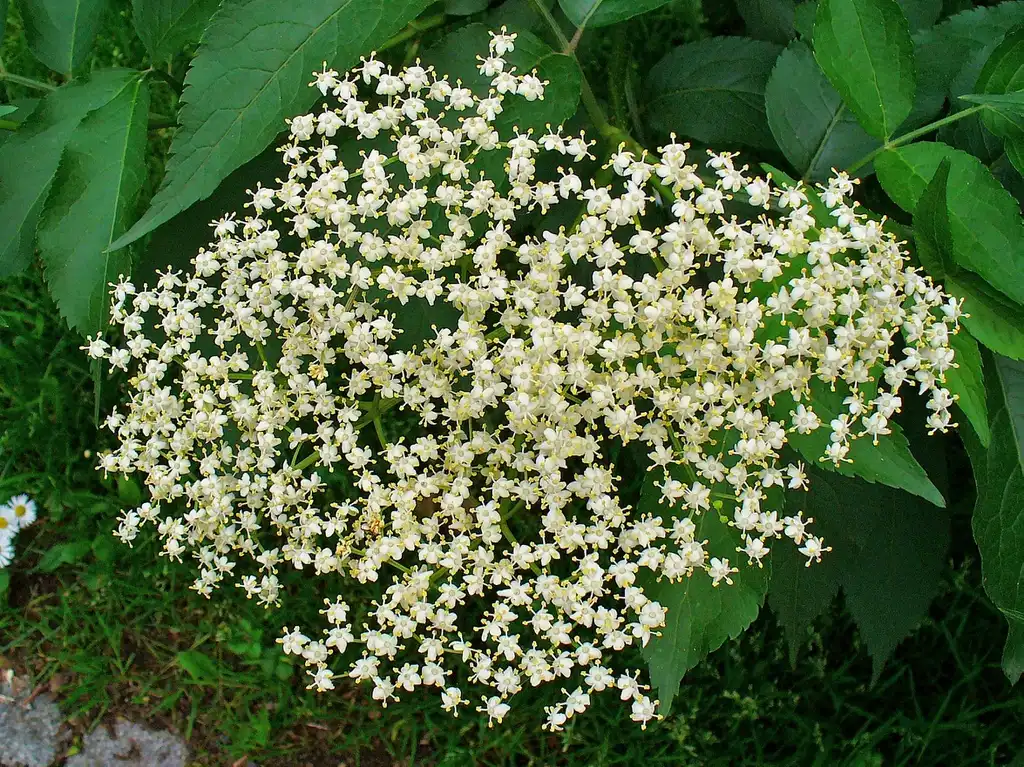
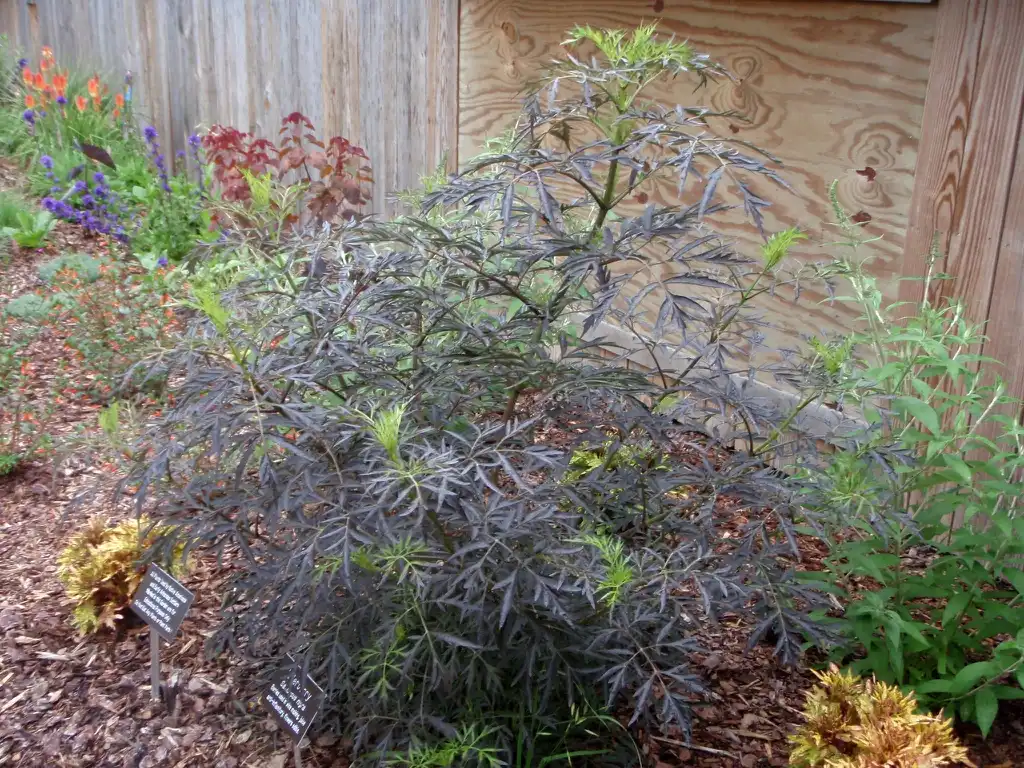
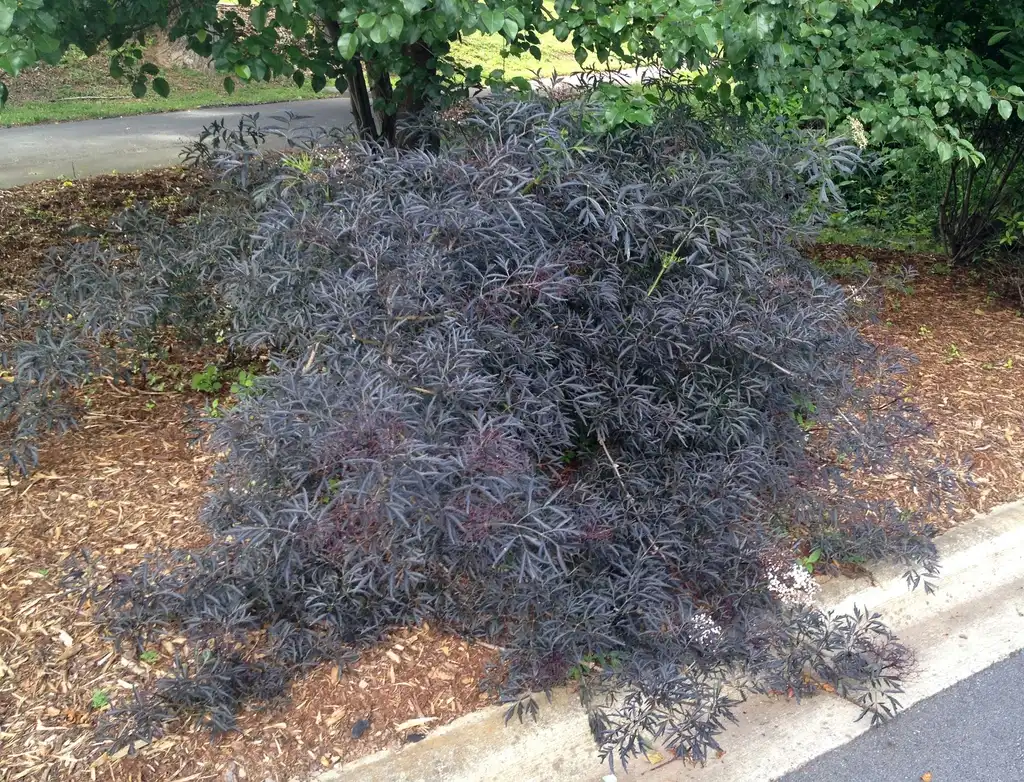
• Photo of Sambucus nigra (Sambucus nigras)

Plant Profile: Sambucus nigra

Taxonomy: Sambucus nigra

Names

Black Elder, Elder, Elderberry, European Elderberry

  • Photo of Sambucus nigra (Sambucus nigras)

Phonetic Spelling:sam-BYOO-kus NY-gruh

Genus:Sambucus

Species:nigra

Family:Viburnaceae

This is a sizable, multi-stemmed shrub or a small tree that thrives in well-drained soil, ideally situated in full sun to partial shade. It has a tendency to grow quickly by sending out suckers, which allows it to easily form colonies. For optimal growth, it is best placed in the background of a garden where it has ample space to spread naturally.

Regarding pests and diseases, spider mites and aphids can occasionally pose issues. Additionally, the plant may experience problems such as cankers, leaf spots, and powdery mildew. Its branches are vulnerable to breakage from strong winds and heavy snow during winter. While it grows rapidly and vigorously, this can lead to it becoming weedy in certain regions.

Sambucus nigra Feature Summary

Sambucus nigra Image Gallery

Tags

#showy flowers
#deciduous
#small tree
#fragrant flowers
#wildlife plant
#weedy
#nectar plant
#showy fruits
#food source
#fast growing
#multistemmed
#weak wood
#background
#edible leaves
#black fruits
#naturalized area
#glossy fruits
#malodorus
#bird friendly

Similar Plants

Sambucus nigra is often confused with:

Sambucus nigra Feature Summary

Attributes
This plant has been used in traditional medicine.
Flowers attract butterflies. Fruits attract birds.
Flowers and blue-black berries. Flowers are used to make wines and cordials and the berries can be made into jam and syrup.
Fruit
Lustrous glossy black fruits 3/8" across in late summer to fall.
Black
Blue
Flowers
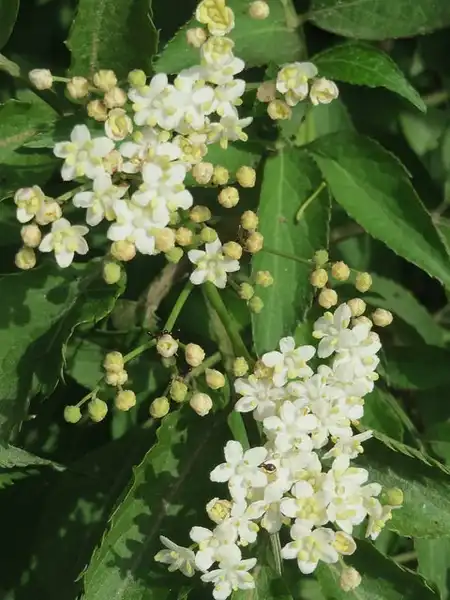
Yellowish white to cream flowers on large 5" to 8" flat-topped umble-like cymes in summer. Flowers smell musky.
White
Cream/Tan
Leaves
Dark green pinnately compound leaves; 3 to 9 leaflets; unpleasant odor when crushed
Compound (Pinnately , Bipinnately, Palmately)
Opposite
Alternate
Poisonous to Humans
feeling ill, nausea, vomiting, diarrhea
cyanide-inducing glycosides
Seeds
Leaves
Stems
Roots
Whole Plant Traits
Cultural Conditions
Full sun (6 or more hours of direct sunlight a day)
Partial Shade (Direct sunlight only part of the day, 2-6 hours)
12-24 feet
6-feet-12 feet
Landscape
Edible Garden
Rain Garden
Naturalized Area
Butterflies
Songbirds

Sambucus nigra Attributes

Sambucus nigra: Uses (Ethnobotany)

This plant has been used in traditional medicine.
Sambucus nigra: Country Or Region Of Origin

Europe

Sambucus nigra: Wildlife Value

Flowers attract butterflies. Fruits attract birds.

Sambucus nigra: Edibility

Flowers and blue-black berries. Flowers are used to make wines and cordials and the berries can be made into jam and syrup.

Sambucus nigra: Life Cycle

Annual
Biennial
Bulb
Perennial
Woody

Sambucus nigra Fruit

Sambucus nigra: Fruit Description

Lustrous glossy black fruits 3/8" across in late summer to fall.

Sambucus nigra: Fruit Color

grass
Black
grass
Blue

Sambucus nigra: Fruit Value To Gardener

Edible
Fragrant
Good Cut
Good Dried
Long Bloom Season
Long-lasting
Showy

Sambucus nigra: Display/Harvest Time

Fall
Spring
Summer
Winter

Sambucus nigra: Fruit Length

< 1 inch
1-3 inches
> 3 inches

Sambucus nigra Flowers

Sambucus nigra: Flower Description

Yellowish white to cream flowers on large 5" to 8" flat-topped umble-like cymes in summer. Flowers smell musky.

Sambucus nigra: Flower Color

filter_vintage
Cream/Tan
filter_vintage
White

Sambucus nigra: Flower Inflorescence

Catkin
Corymb
Cyme
Head
Insignificant
Panicle
Raceme
Solitary

Spadix
Spike
Umbel

Sambucus nigra: Flower Value To Gardener

Edible
Fragrant
Good Cut
Good Dried
Long Bloom Season
Long-lasting
Showy

Sambucus nigra Leaves

Sambucus nigra: Leaf Description

Dark green pinnately compound leaves; 3 to 9 leaflets; unpleasant odor when crushed

Sambucus nigra: Woody Plant Leaf Characteristics

Broadleaf Evergreen
Deciduous
Needled Evergreen
Semi-evergreen

Sambucus nigra: Leaf Color

spa
Green

Sambucus nigra: Leaf Type

Compound (Pinnately , Bipinnately, Palmately)
Fronds
Needles
Sheath
Simple

Sambucus nigra: Leaf Arrangement

Alternate
Opposite
Other/more complex
Rosulate
Whorled

Sambucus nigra: Hairs Present

No
Yes

Sambucus nigra Poisonous to Humans

Sambucus nigra: Poison Symptoms

feeling ill, nausea, vomiting, diarrhea

Sambucus nigra: Poison Toxic Principle

cyanide-inducing glycosides

Sambucus nigra: Poison Severity

High
Low
Medium

Sambucus nigra: Causes Contact Dermatitis

No
Yes

Sambucus nigra: Poison Part

Bark
Flowers
Fruits
Leaves
Roots
Sap/Juice
Seeds
Stems

Sambucus nigra Whole Plant Traits

Sambucus nigra: Plant Type

Annual
Bulb
Carnivorous
Edible
Epiphyte
Fern
Ground Cover
Herb
Herbaceous Perennial
Houseplant
Mushroom
Native Plant
Ornamental Grasses and Sedges
Perennial
Poisonous
Rose
Shrub
Succulent
Tree
Turfgrass
Vegetable
Vine
Water Plant
Weed
Wildflower

Sambucus nigra: Woody Plant Leaf Characteristics

Broadleaf Evergreen
Deciduous
Needled Evergreen
Semi-evergreen

Sambucus nigra: Habit/Form

Arching
Ascending
Broad
Cascading
Climbing
Clumping
Columnar
Conical
Creeping
Dense
Erect
Horizontal
Irregular
Mounding
Multi-stemmed
Multi-trunked
Open
Oval
Prostrate
Pyramidal
Rounded
Spreading
Vase
Weeping

Sambucus nigra: Growth Rate

Slow
Medium
Rapid

Sambucus nigra: Maintenance

Low
Medium
High

Sambucus nigra Cultural Conditions

Sambucus nigra: Light

Dappled Sunlight (Shade through upper canopy all day)
Deep shade (Less than 2 hours to no direct sunlight)
Full sun (6 or more hours of direct sunlight a day)
Partial Shade (Direct sunlight only part of the day, 2-6 hours)

Sambucus nigra: Available Space To Plant

12 inches-3 feet
12-24 feet
24-60 feet
3 feet-6 feet
6-feet-12 feet
Less than 12 inches
more than 60 feet

Sambucus nigra: USDA Plant Hardiness Zone

thermostat
5a
thermostat
5b
thermostat
6a
thermostat
6b
thermostat
7a
thermostat
7b

Sambucus nigra Stem

Sambucus nigra: Stem Is Aromatic

No
Yes

Sambucus nigra Landscape

Sambucus nigra: Landscape Theme

Asian Garden
Butterfly Garden
Children's Garden
Cottage Garden
Cutting Garden
Drought Tolerant Garden
Edible Garden
English Garden
Fairy Garden

Garden for the Blind
Native Garden
Nighttime Garden
Pollinator Garden
Rain Garden
Rock Garden
Shade Garden
Water Garden
Winter Garden

Sambucus nigra: Design Feature

Accent
Barrier
Border
Flowering Tree
Foundation Planting
Hedge
Mass Planting
Screen/Privacy

Security
Shade Tree
Small groups
Small Tree
Specimen
Street Tree
Understory Tree

Sambucus nigra: Landscape Location

Coastal
Container
Hanging Baskets
Houseplants
Lawn
Meadow
Naturalized Area
Near Septic
Patio
Pond
Pool/Hardscape
Recreational Play Area
Riparian
Rock Wall
Slope/Bank
Small Space
Vertical Spaces
Walkways
Woodland

Sambucus nigra: Attracts

Bats
Bees
Butterflies
Frogs
Hummingbirds
Moths
Pollinators
Predatory Insects
Reptiles
Small Mammals
Songbirds
Specialized Bees

Sambucus nigra: Problems

Allelopathic
Contact Dermatitis
Frequent Disease Problems
Frequent Insect Problems
Invasive Species
Malodorous
Messy
Poisonous to Humans
Problem for Cats
Problem for Children
Problem for Dogs
Problem for Horses
Short-lived
Spines/Thorns
Weak Wood
Weedy