Sambucus canadensis: Uses (Ethnobotany)
The twigs and fruit have been used to create dyes for basketry. Stems used to make flutes and whistles.
Phonetic Spelling:sam-BOO-kus kan-ah-DEN-sis
Genus:Sambucus
Species:canadensis
Family:Adoxaceae
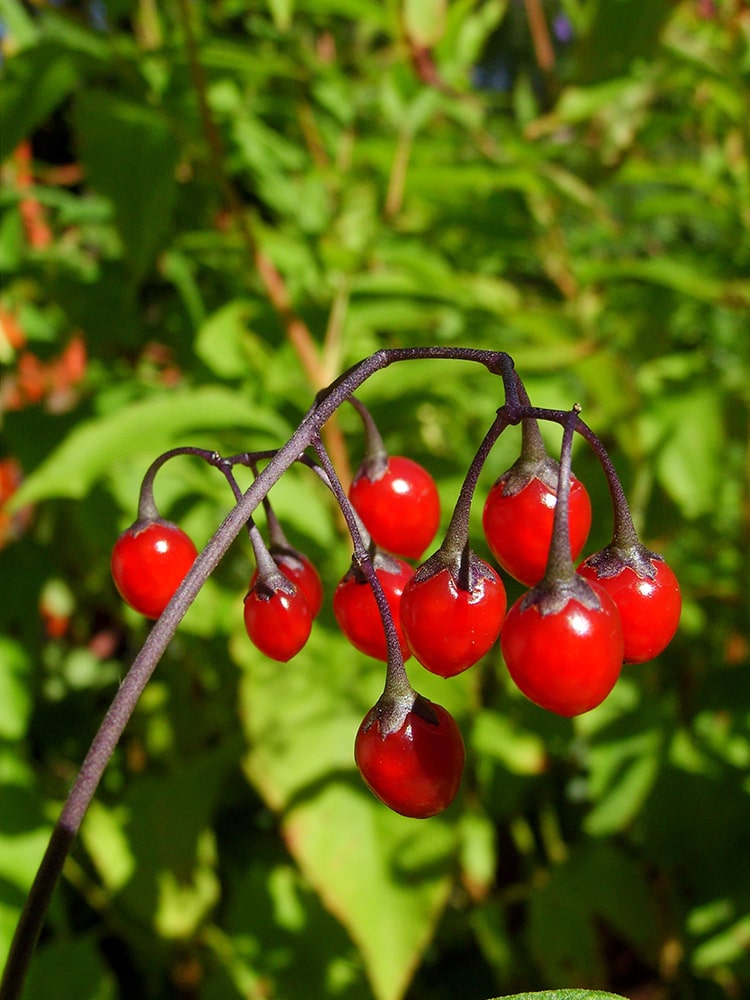
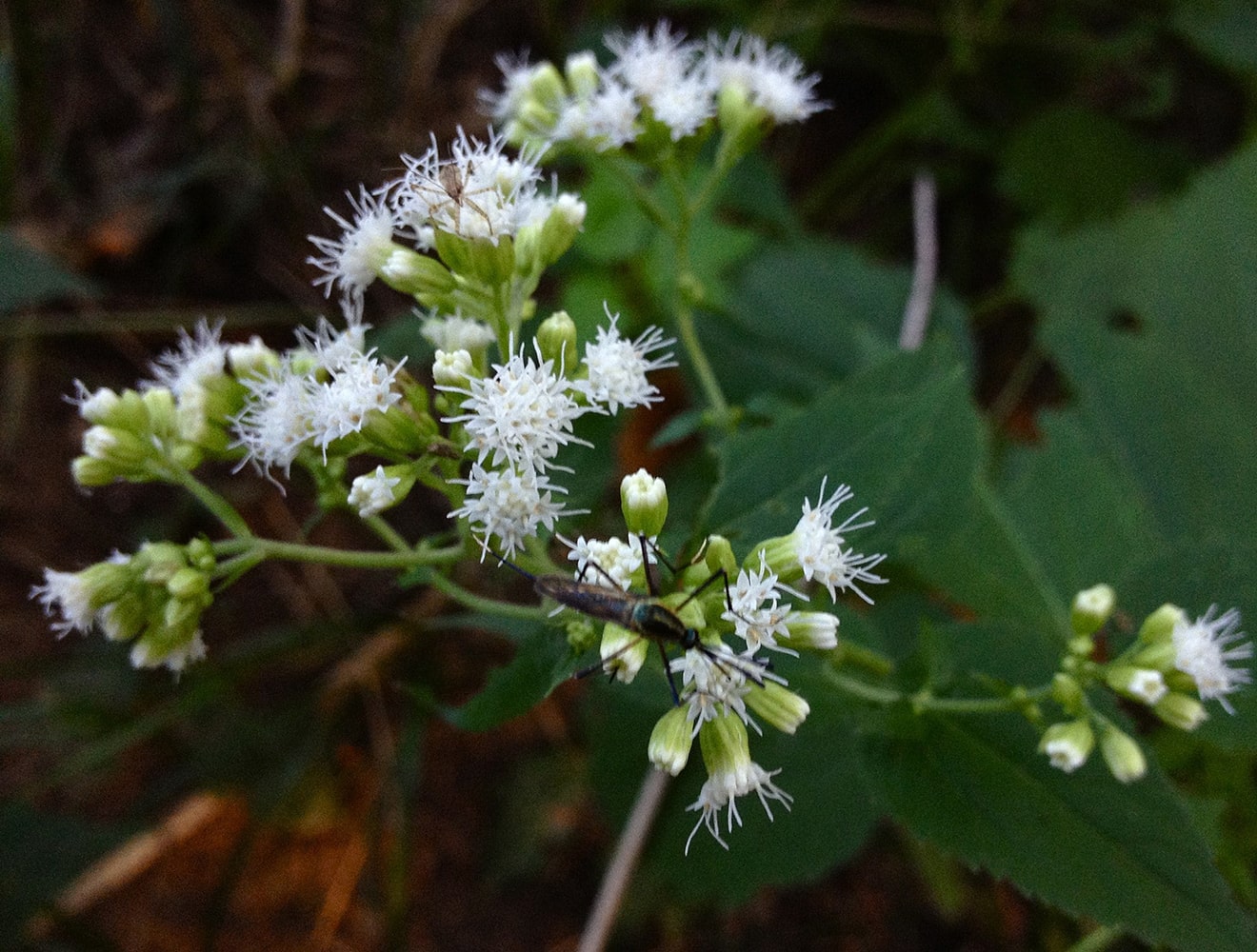
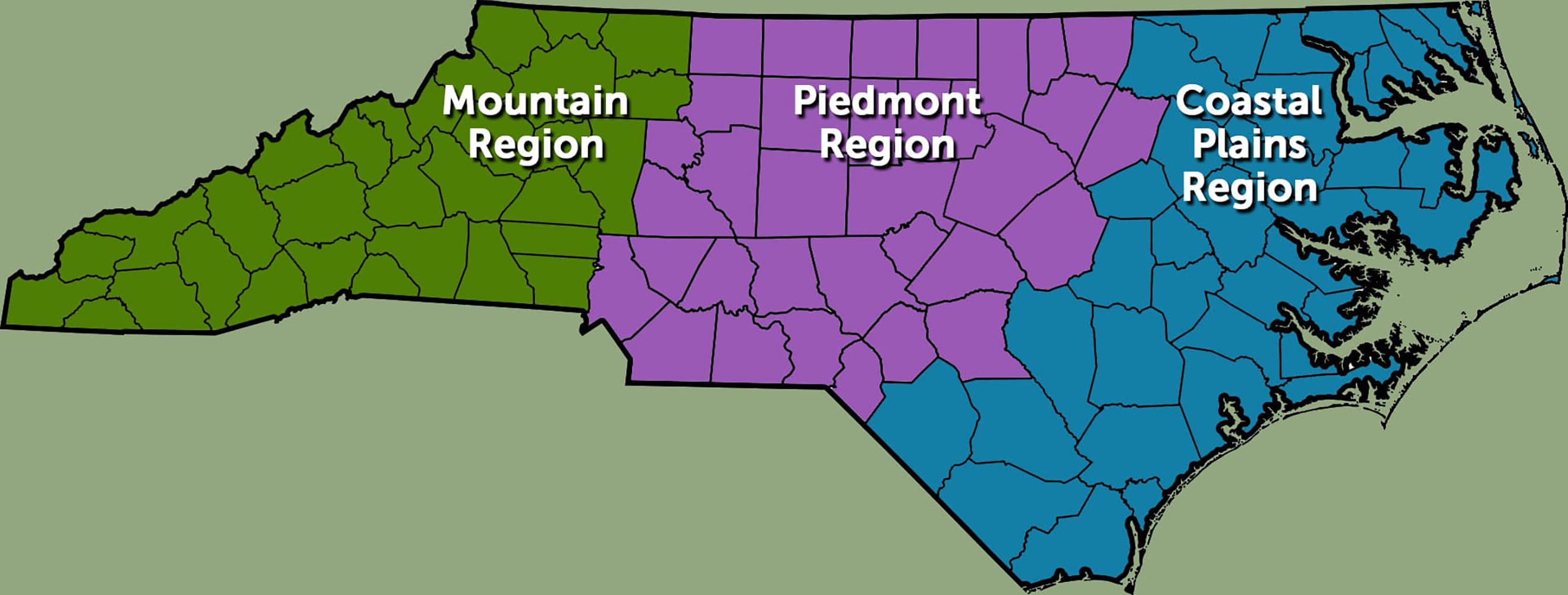
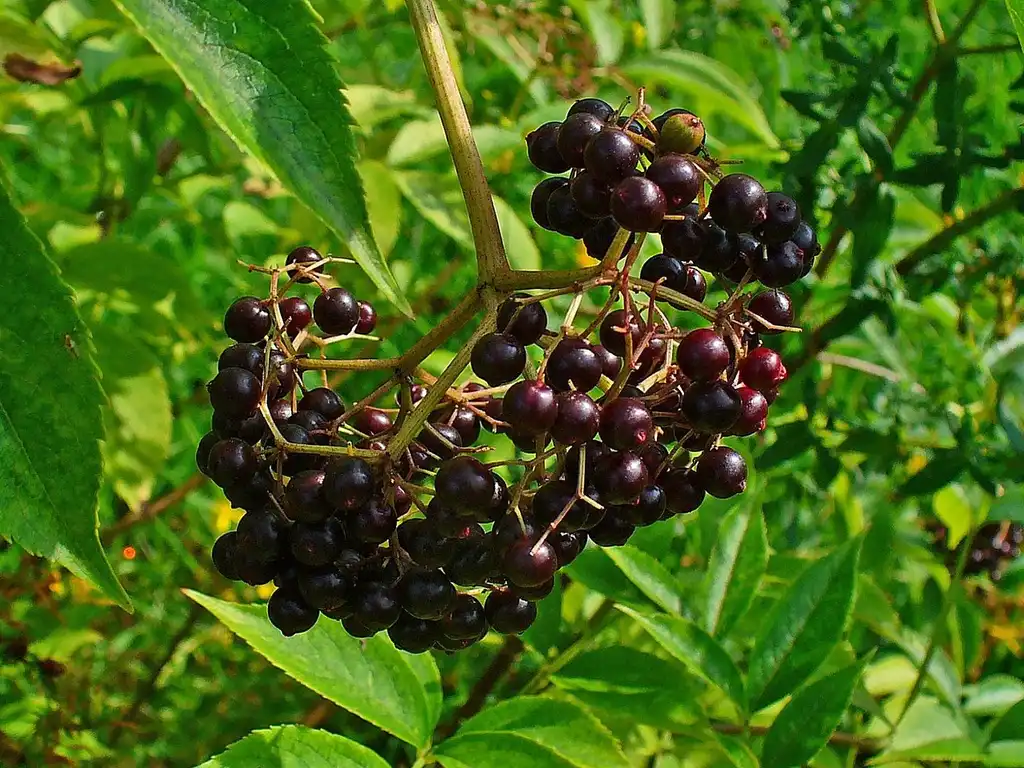
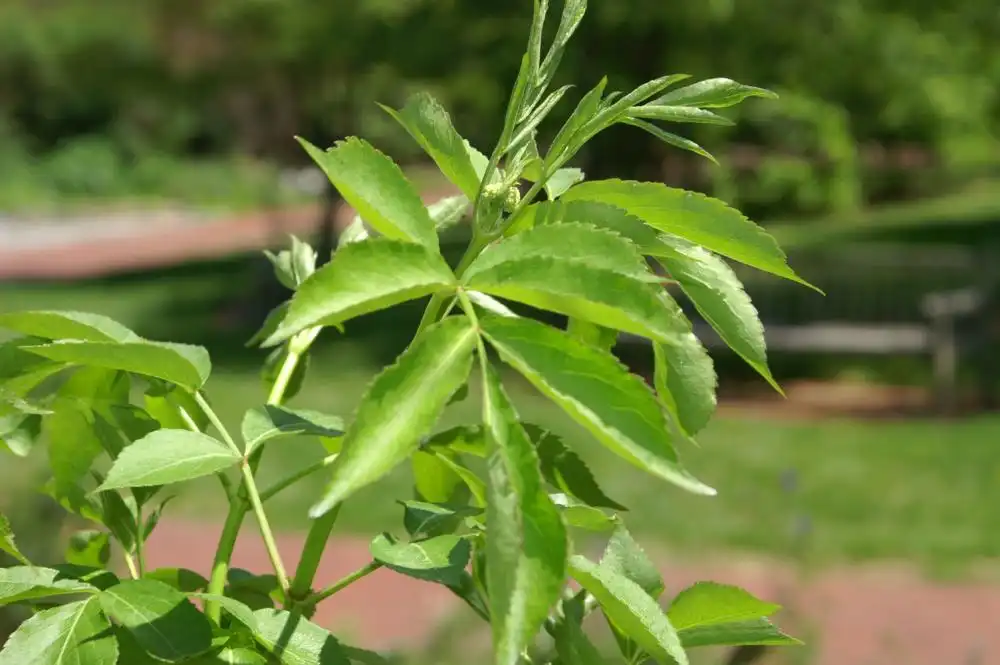
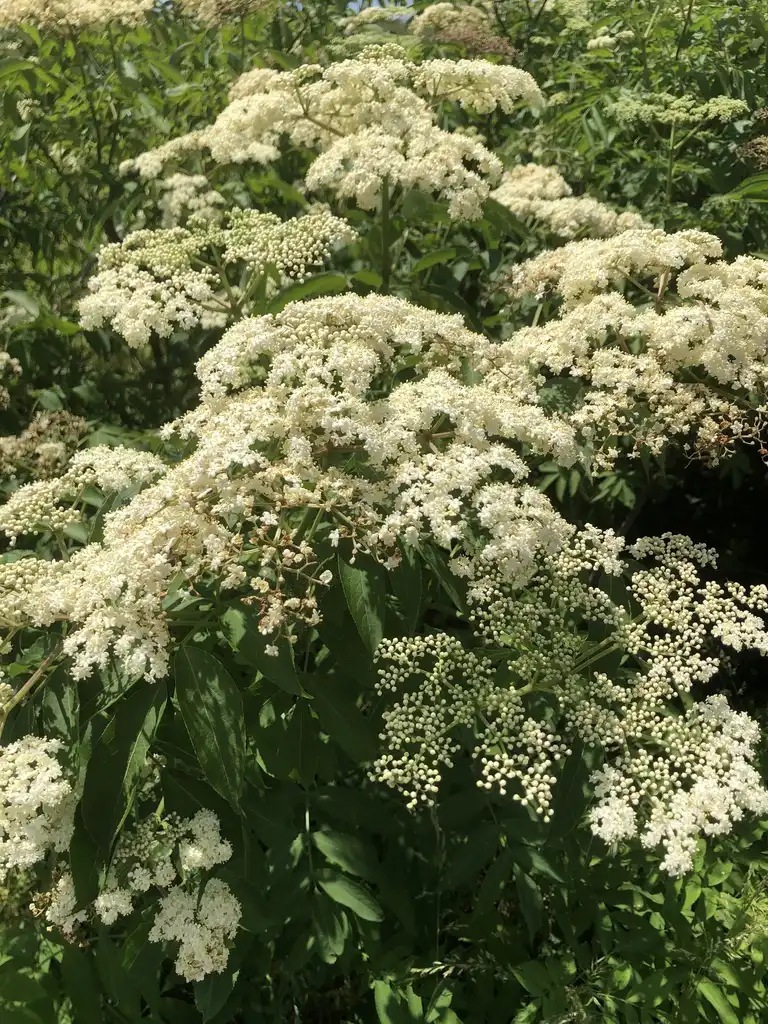
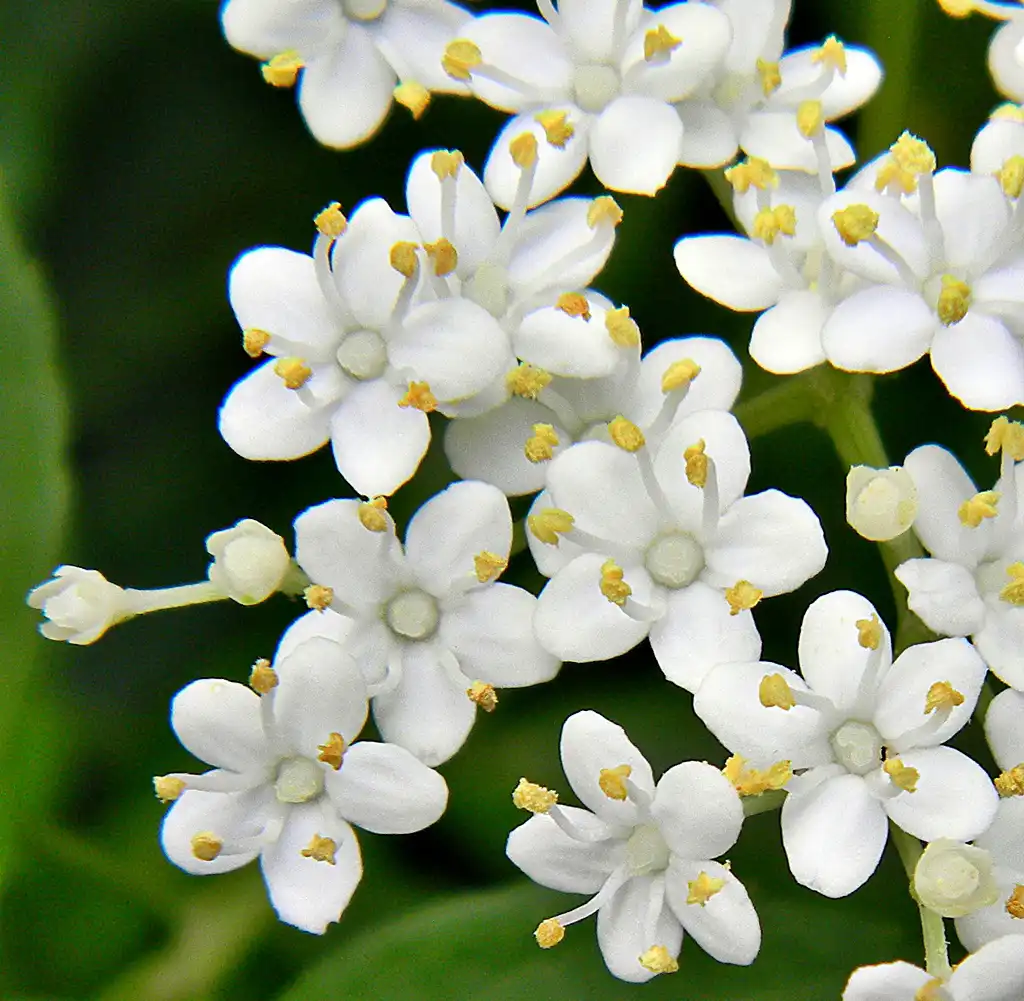
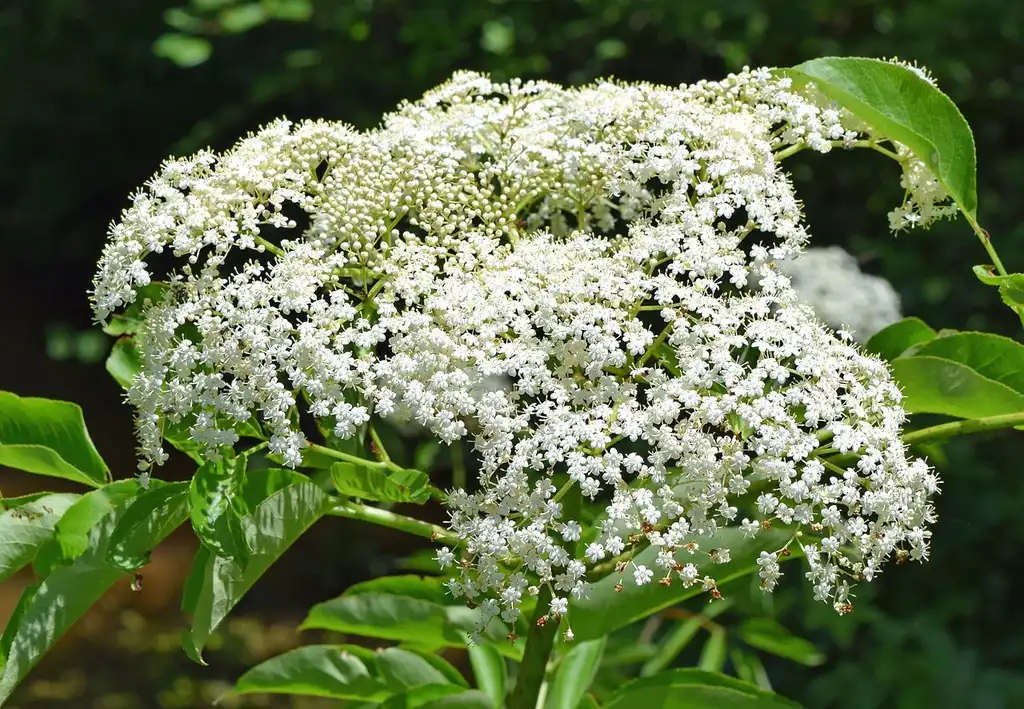
The American Elderberry is a native shrub that forms dense thickets and can be found throughout North Carolina, thriving in environments such as streams, marshes, moist woodlands, and areas that have been disturbed. This shrub typically reaches heights of 9 to 12 feet, features a somewhat woody structure, and exhibits an arching, spreading growth habit. Its compound leaves are visually appealing, and during the summer, it produces small white flowers that bloom in dense clusters. These flowers give way to purple-black drupes that hang in drooping clusters, appearing from late summer into fall.
This plant is adaptable to a range of soil conditions, from wet to dry, but it thrives best in rich, moist, slightly acidic soil and prefers locations with full sun to partial shade. It is ideal for use in naturalized settings, as a hedge, or alongside streams and ponds, and it can also serve as an effective erosion control measure in damp areas.
In terms of pests and diseases, the American Elderberry is generally resilient, facing few serious threats. However, it can be vulnerable to issues such as canker, powdery mildew, leaf spot, borers, spider mites, and aphids. Additionally, its branches may suffer damage from strong winds or heavy snow and ice during winter months. The plant can propagate through root suckers, allowing it to spread effectively.
Sambucus canadensis Feature Summary
Sambucus canadensis Image Gallery