
Cornus officinalis: Country Or Region Of Origin
China
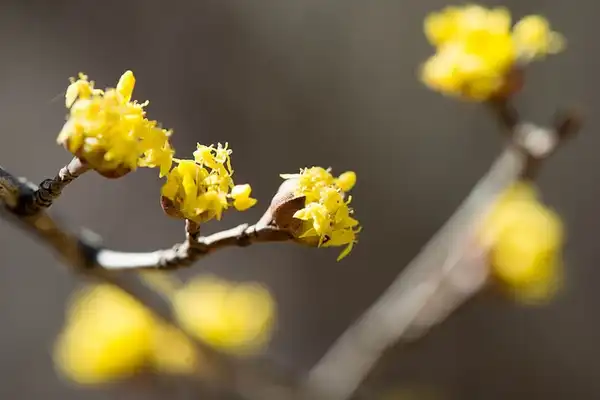
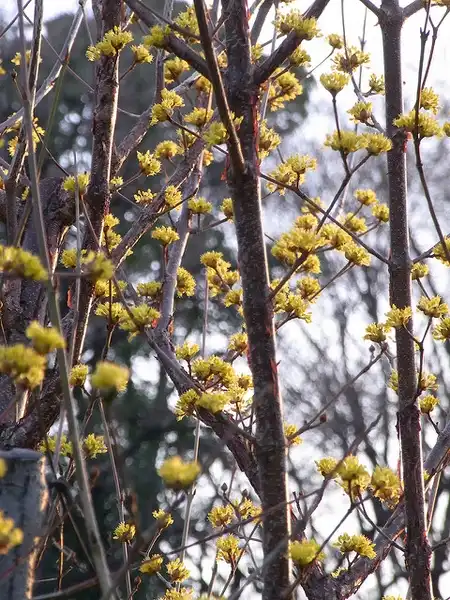
Phonetic Spelling:KOR-nus oh-fiss-ih-NAH-liss
Genus:Cornus
Species:officinalis
Family:Cornaceae
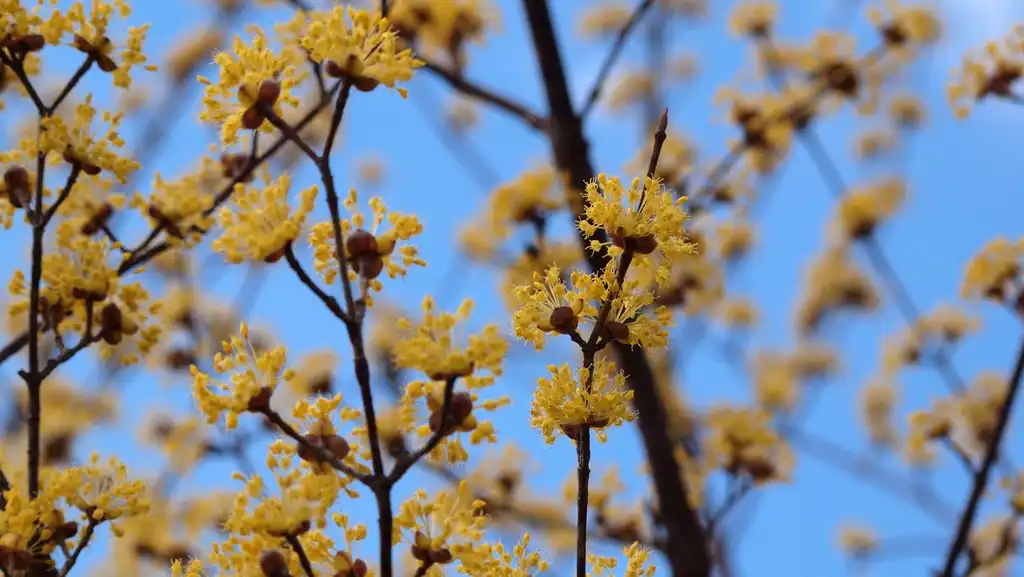
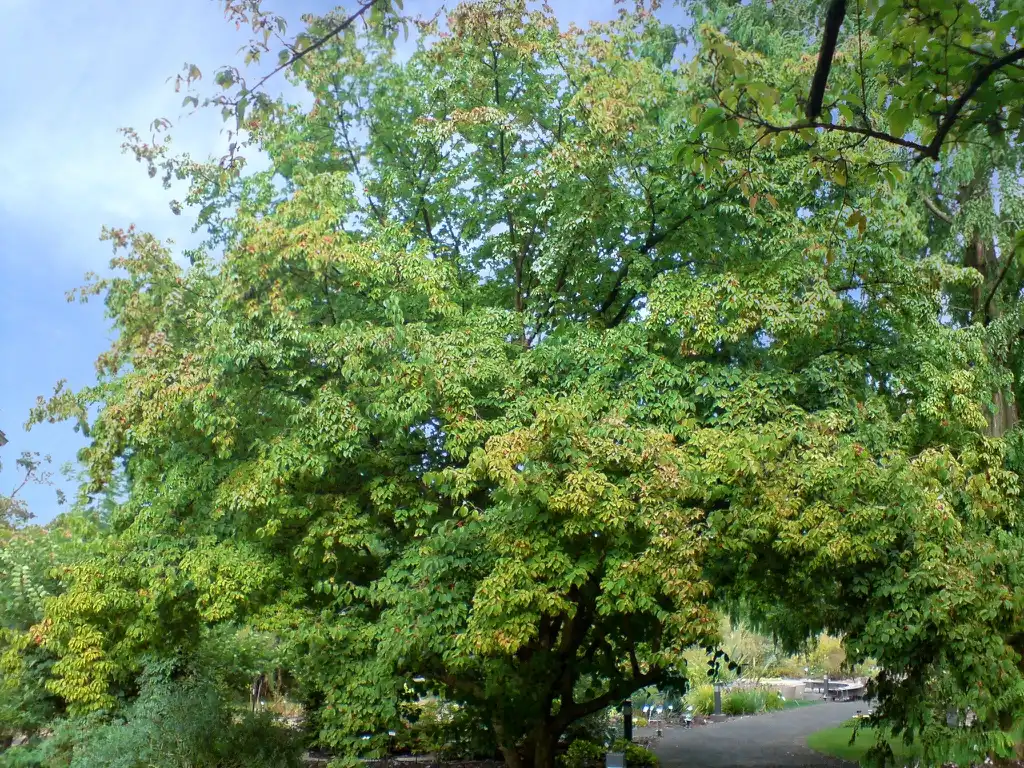
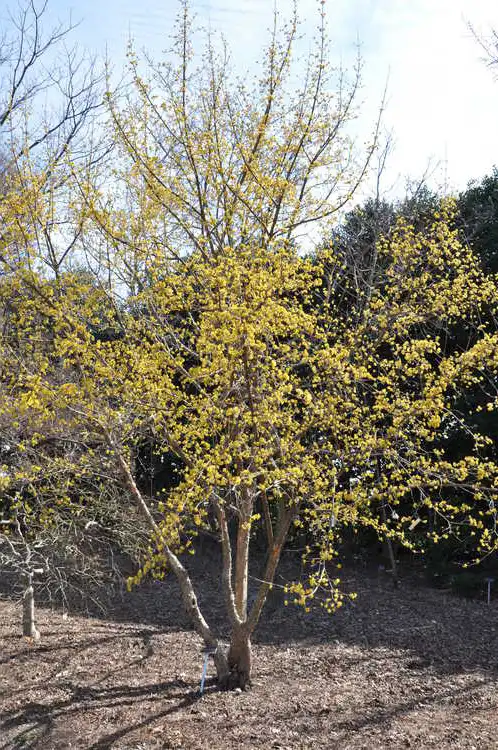
This large deciduous shrub or small tree features an attractive multi-stemmed structure with low branches that create an open, oval to round shape. It thrives in acidic, well-drained soil and prefers full sun to partial shade, although it benefits from some protection against the intense afternoon heat of summer. While it may be somewhat difficult to locate in nurseries, it is relatively easy to transplant when young. This plant serves as a stunning flowering tree, producing eye-catching edible fruits, making it an excellent choice for woodland gardens or naturalized settings. When cultivated as a shrub, it can effectively function as a foundation planting or a hedge.
**Seasons of Interest:**
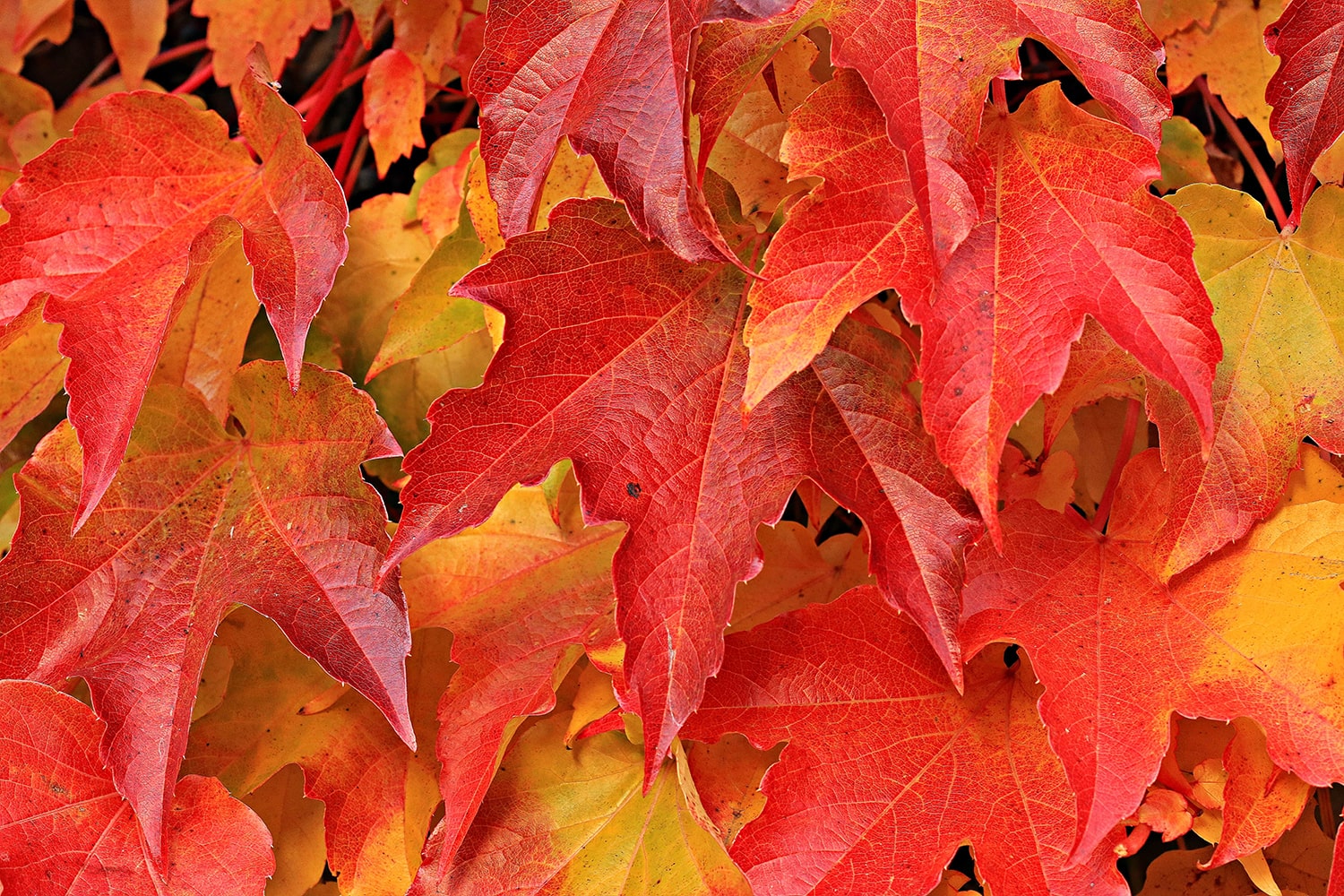
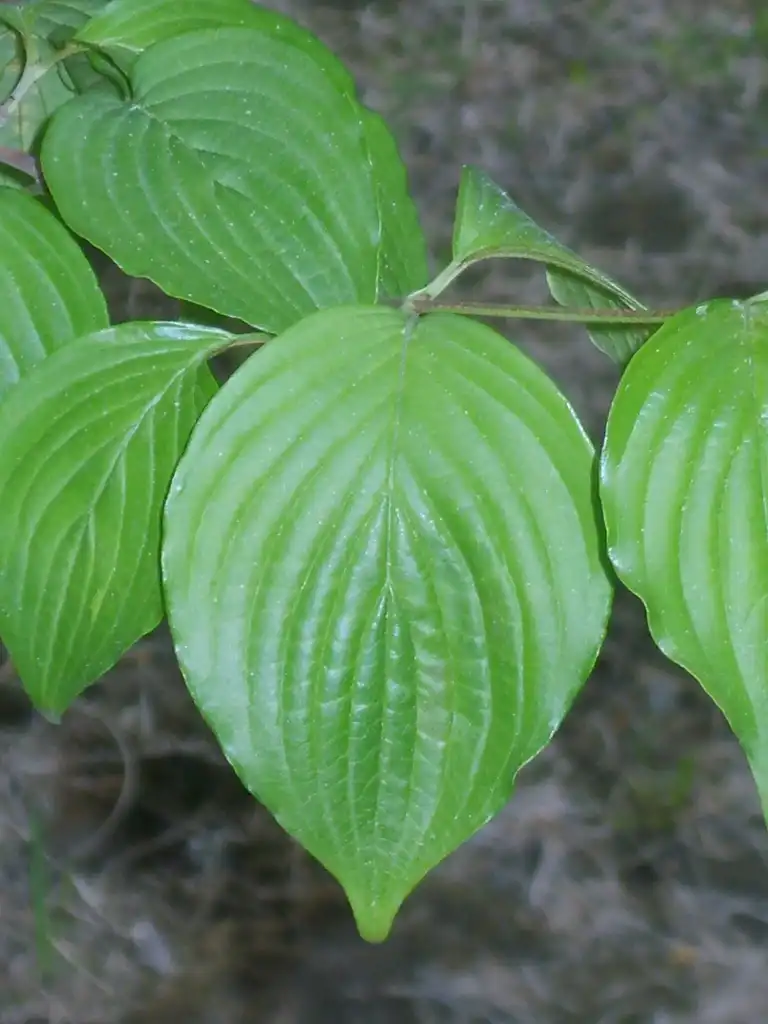
- **Foliage:** Fall
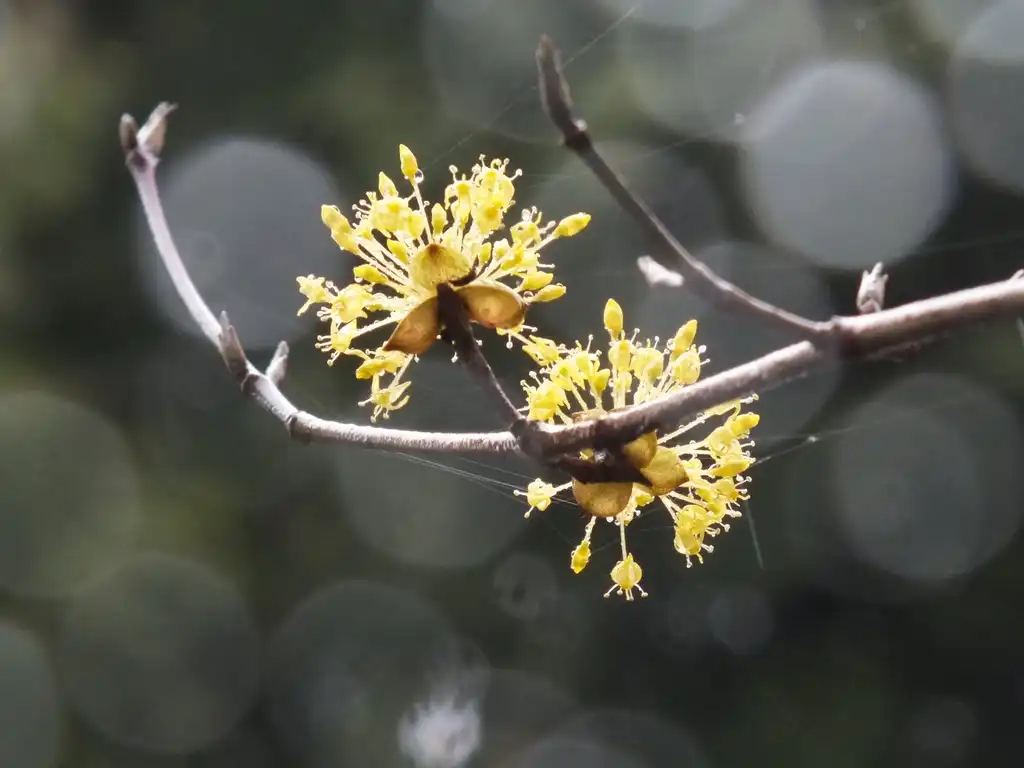
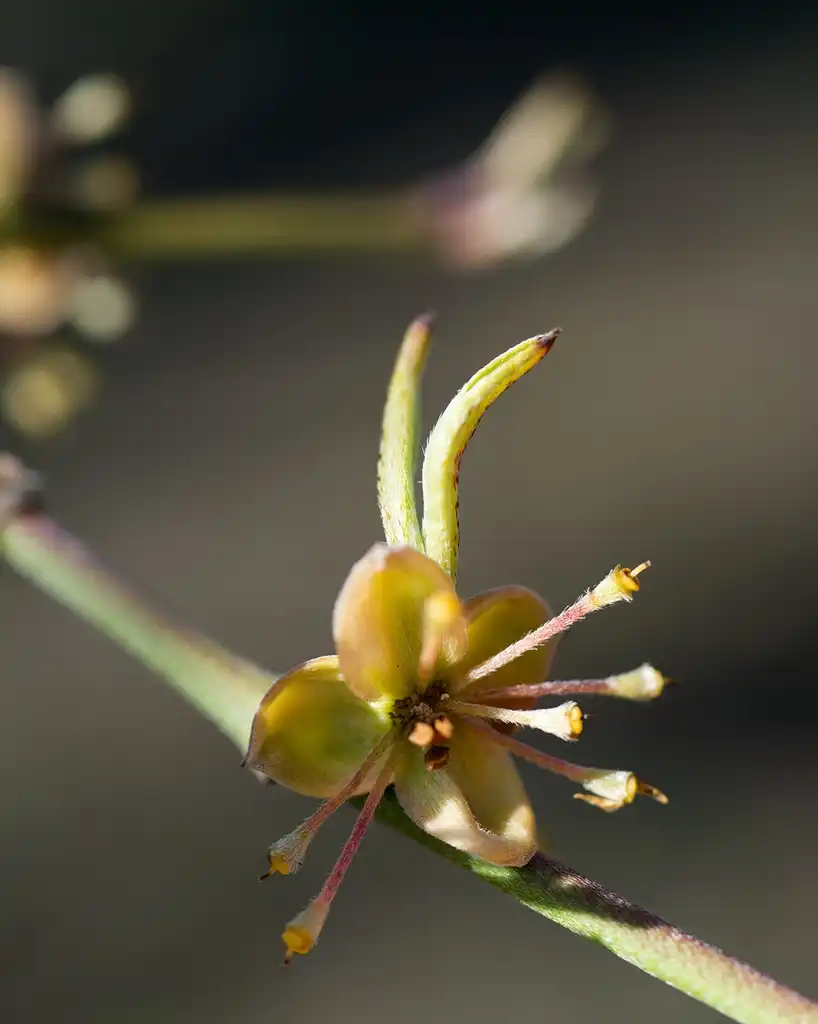
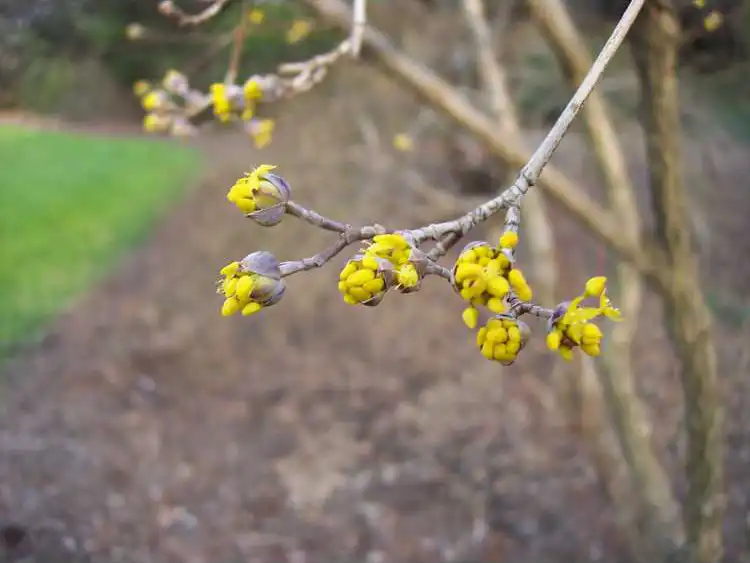
- **Bloom:** Early Summer
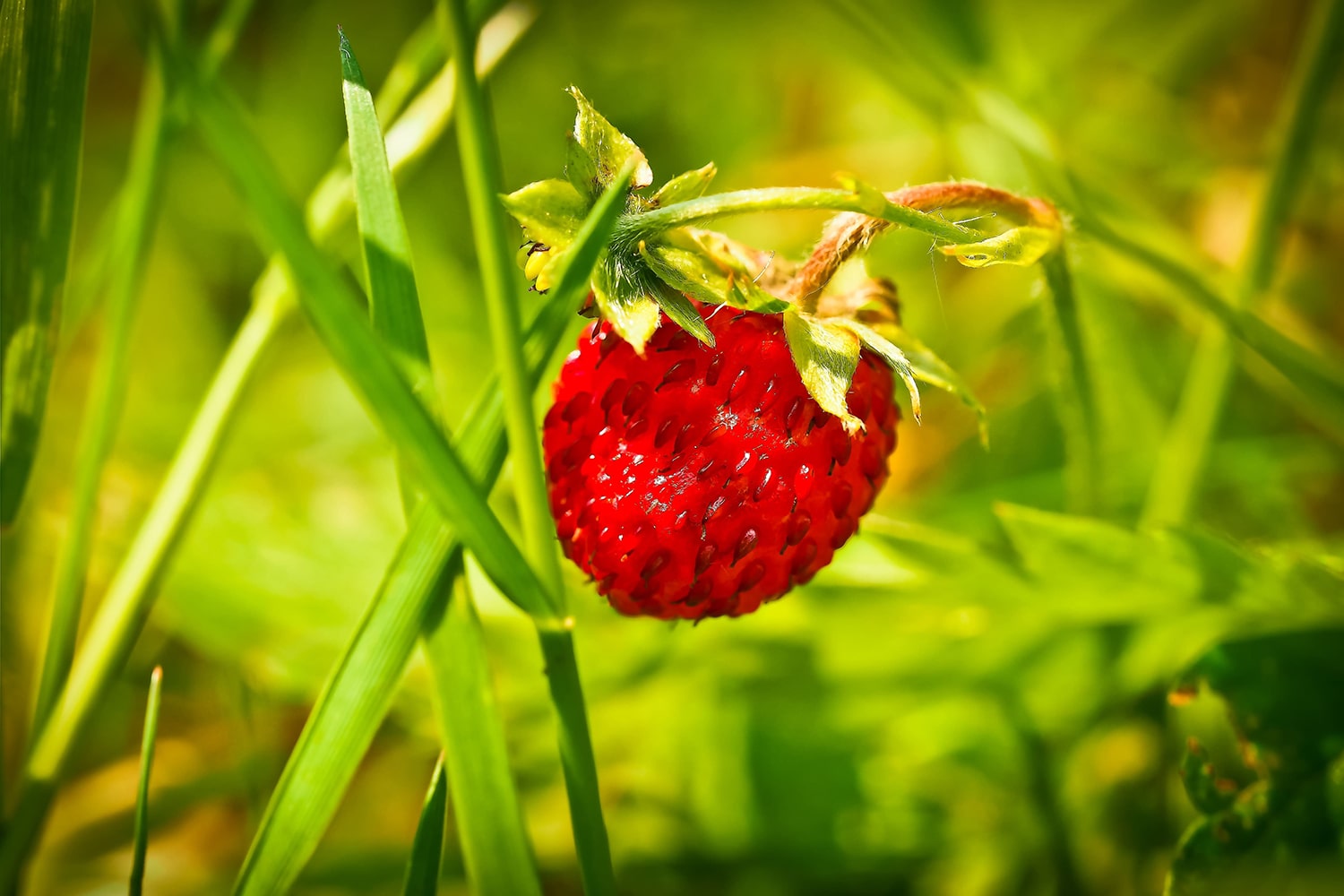
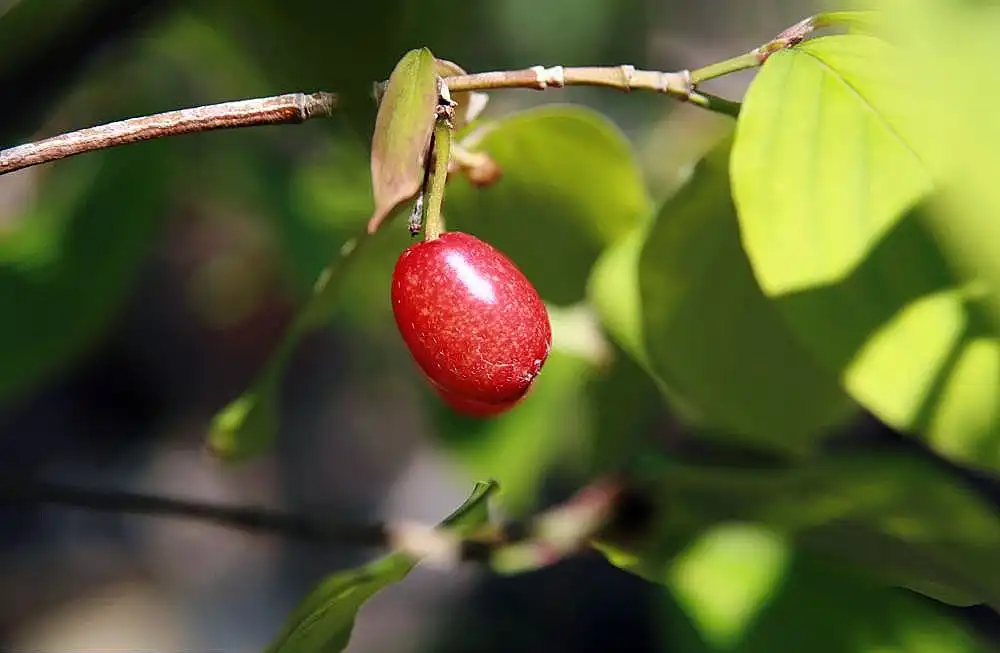
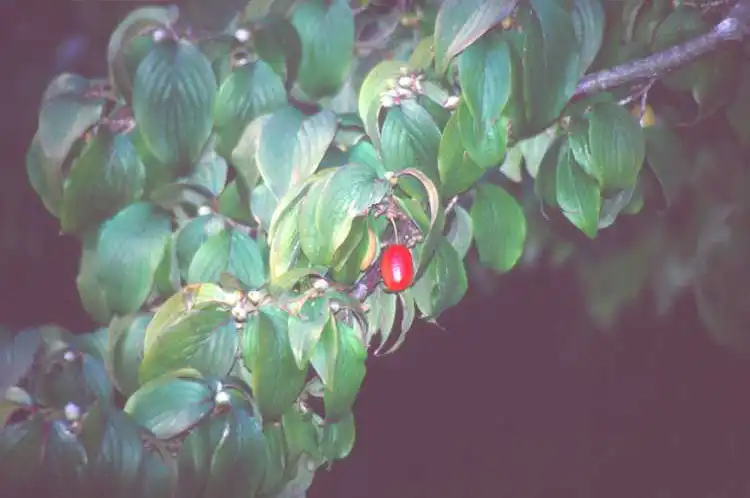
- **Fruit:** Summer to Fall, featuring red berries
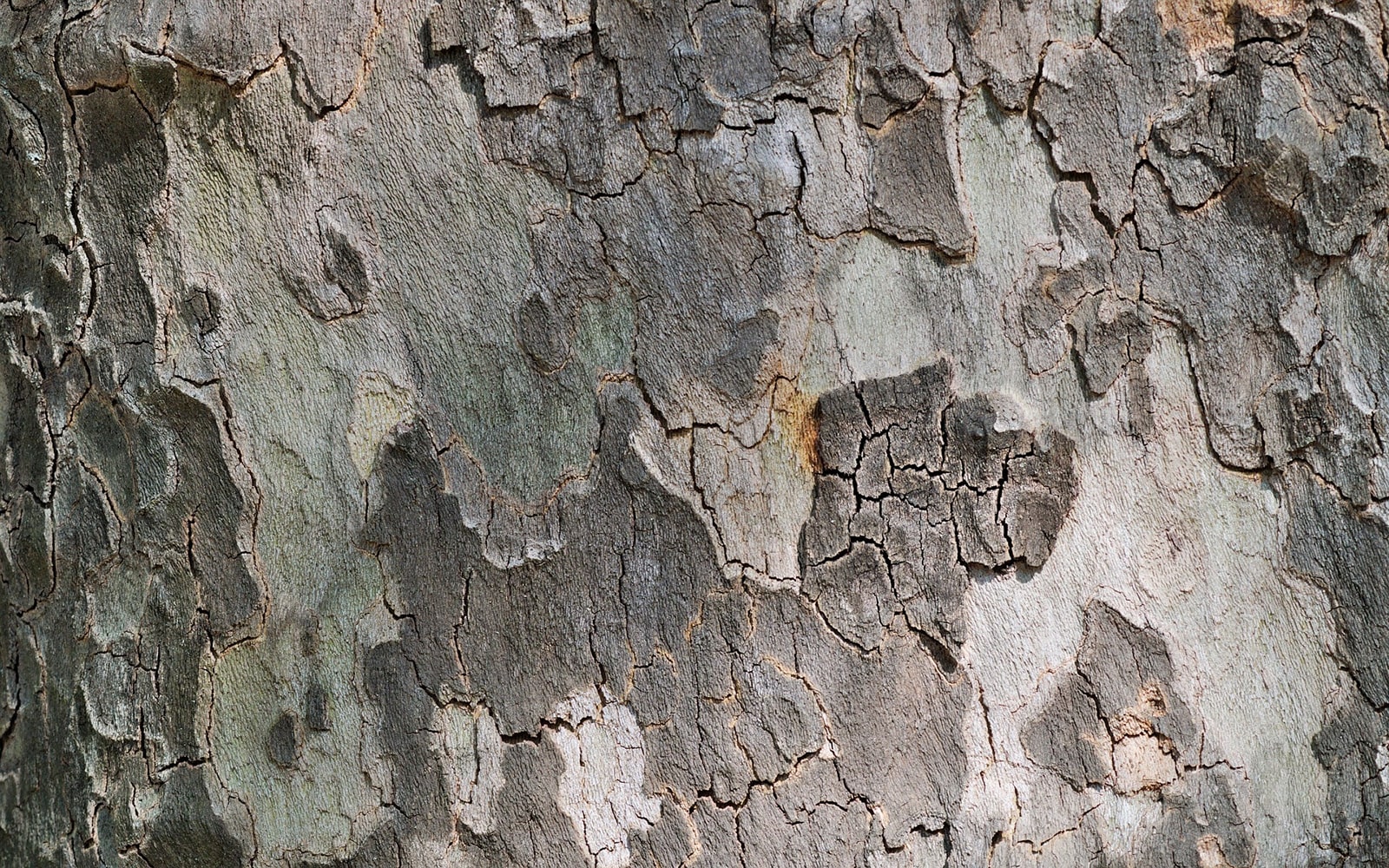
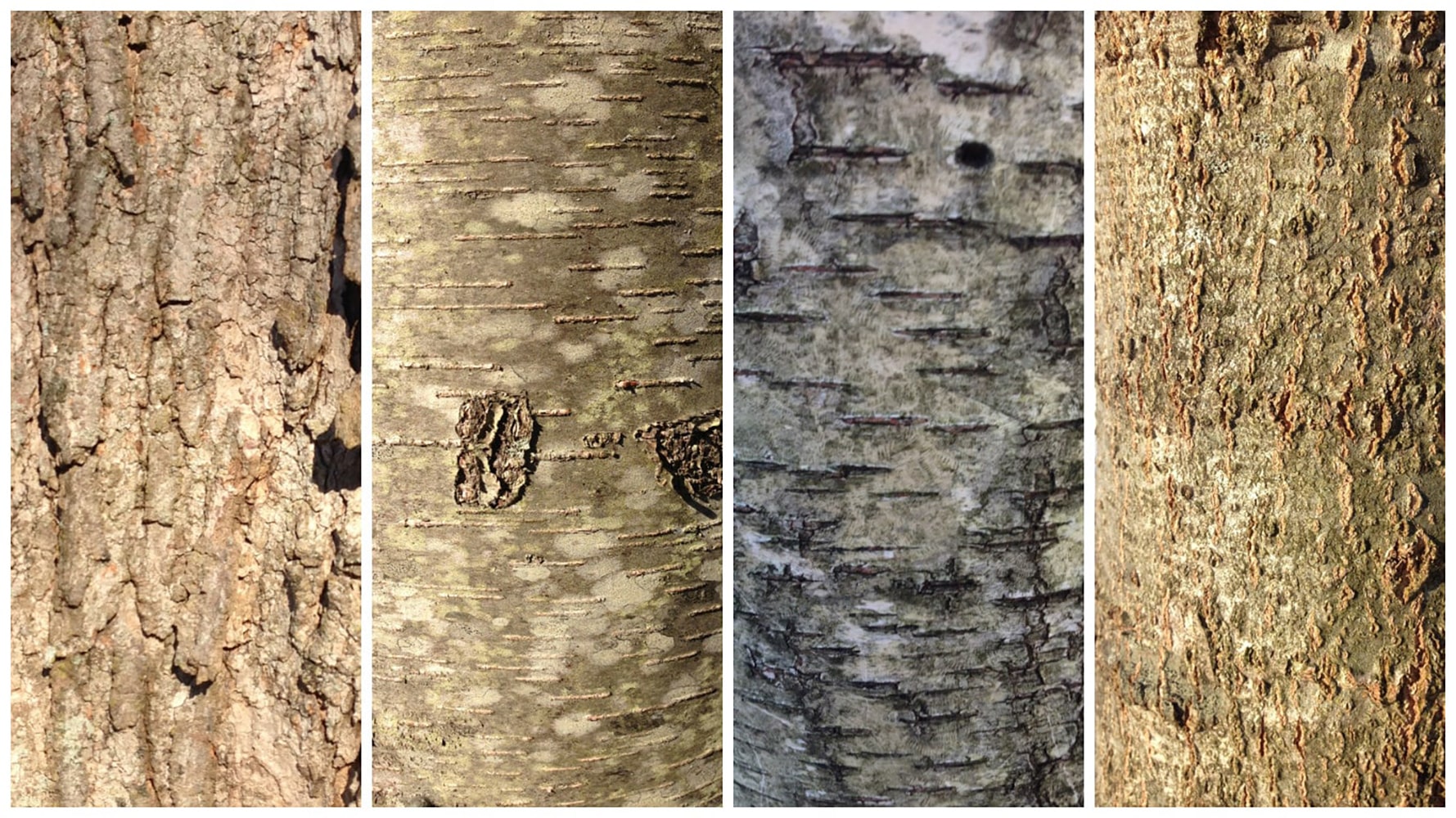
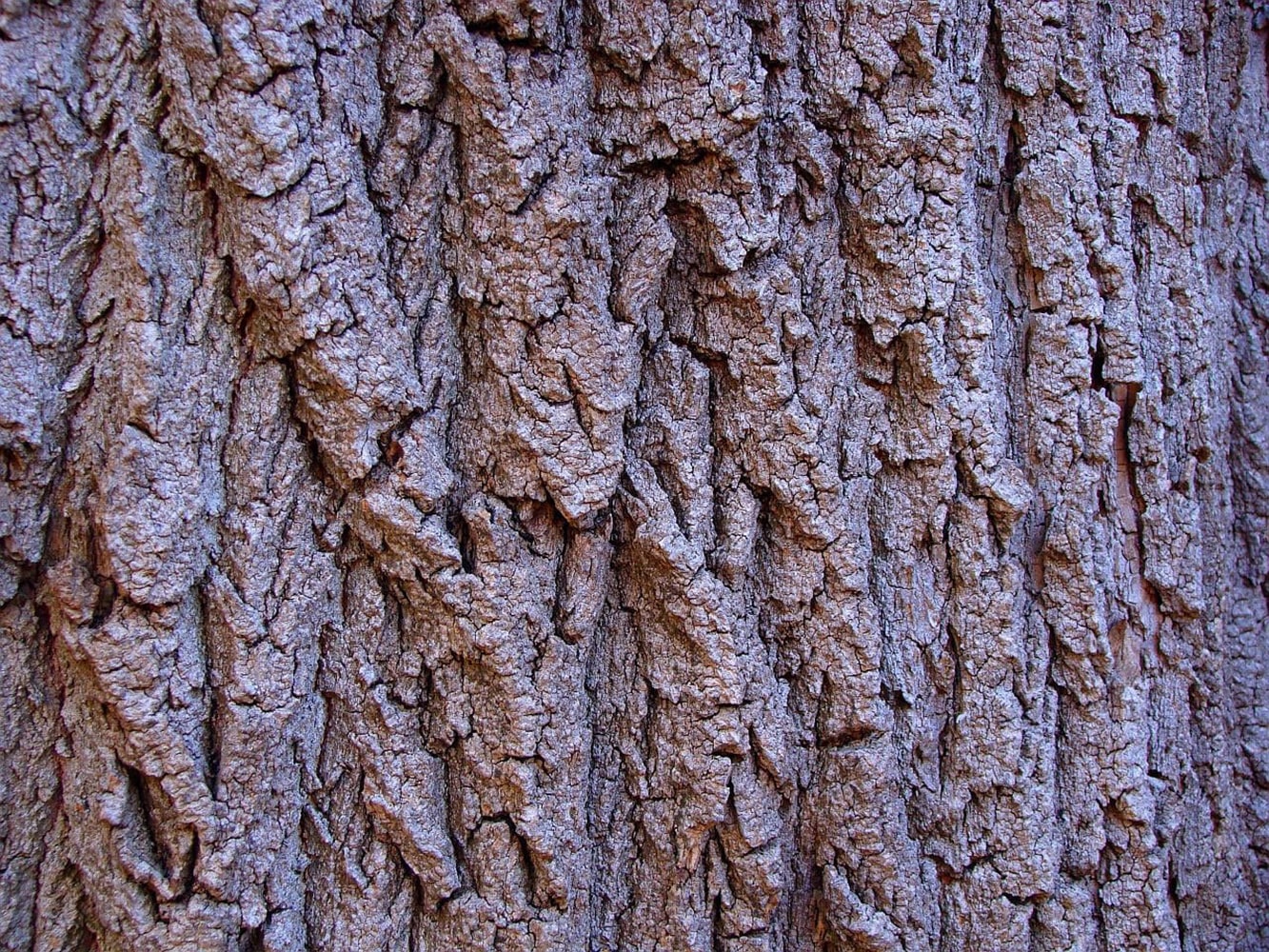
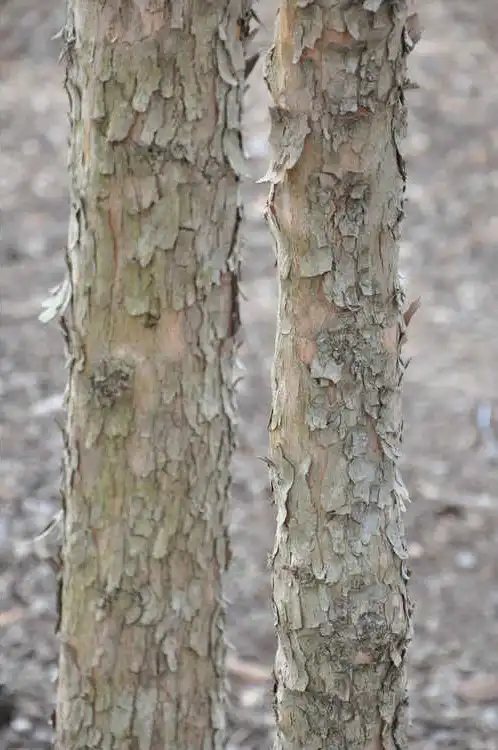
- **Bark:** Winter
**Wildlife Value:** The fruits are appealing to birds, and the plant offers nesting opportunities. Species within the genus Cornus are known to support specialized bees such as Andrena (Gonandrena) fragilis, Andrena (Gonandrena) integra, and Andrena (Gonandrena) platyparia.
**Insects, Diseases, and Other Issues:** There are no significant insect or disease concerns. However, suckering can become invasive, so it is advisable to remove these promptly to prevent unwanted spread.
Cornus officinalis Feature Summary
Cornus officinalis Image Gallery