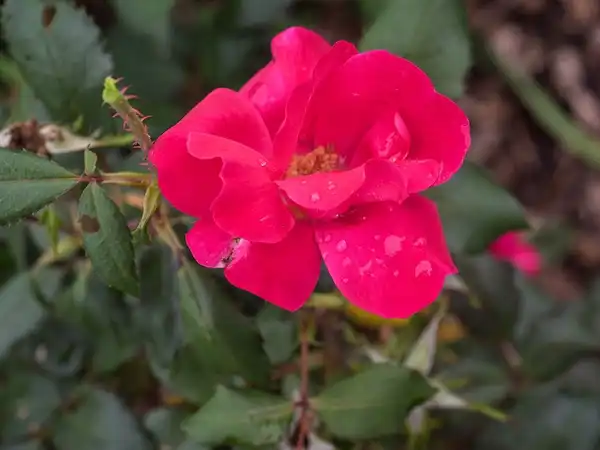
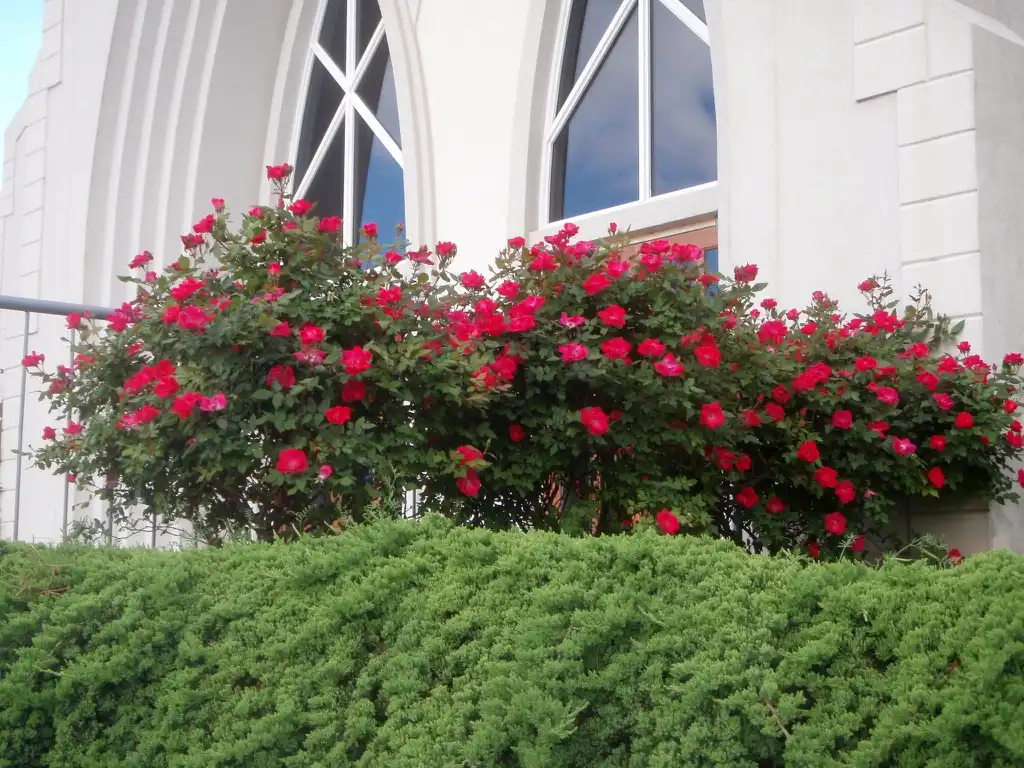
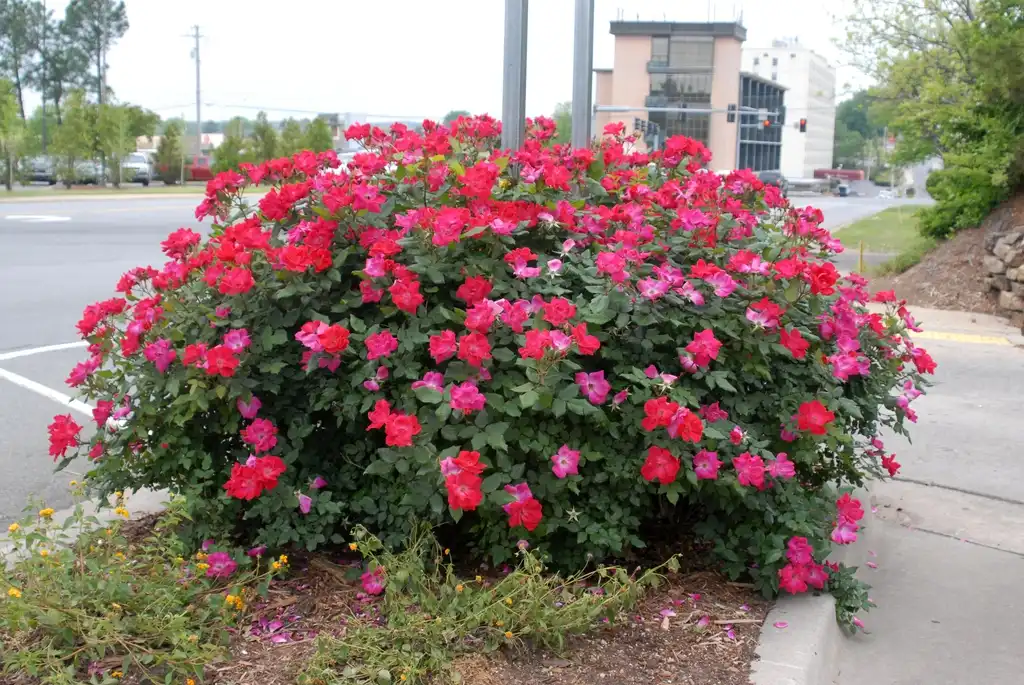
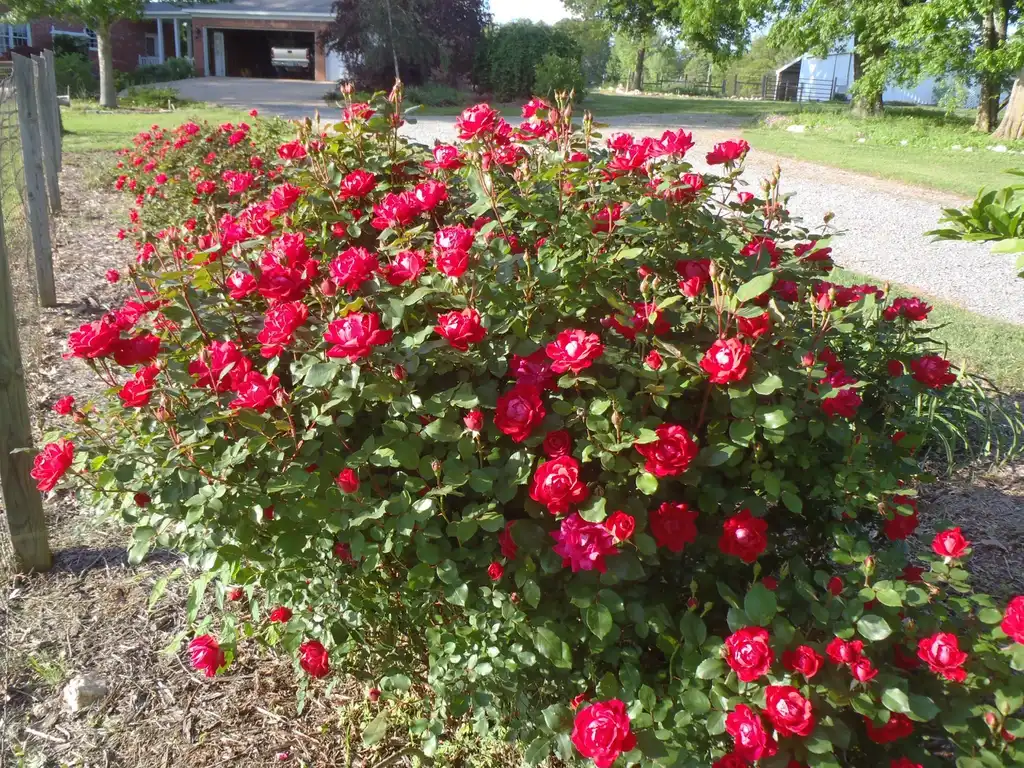
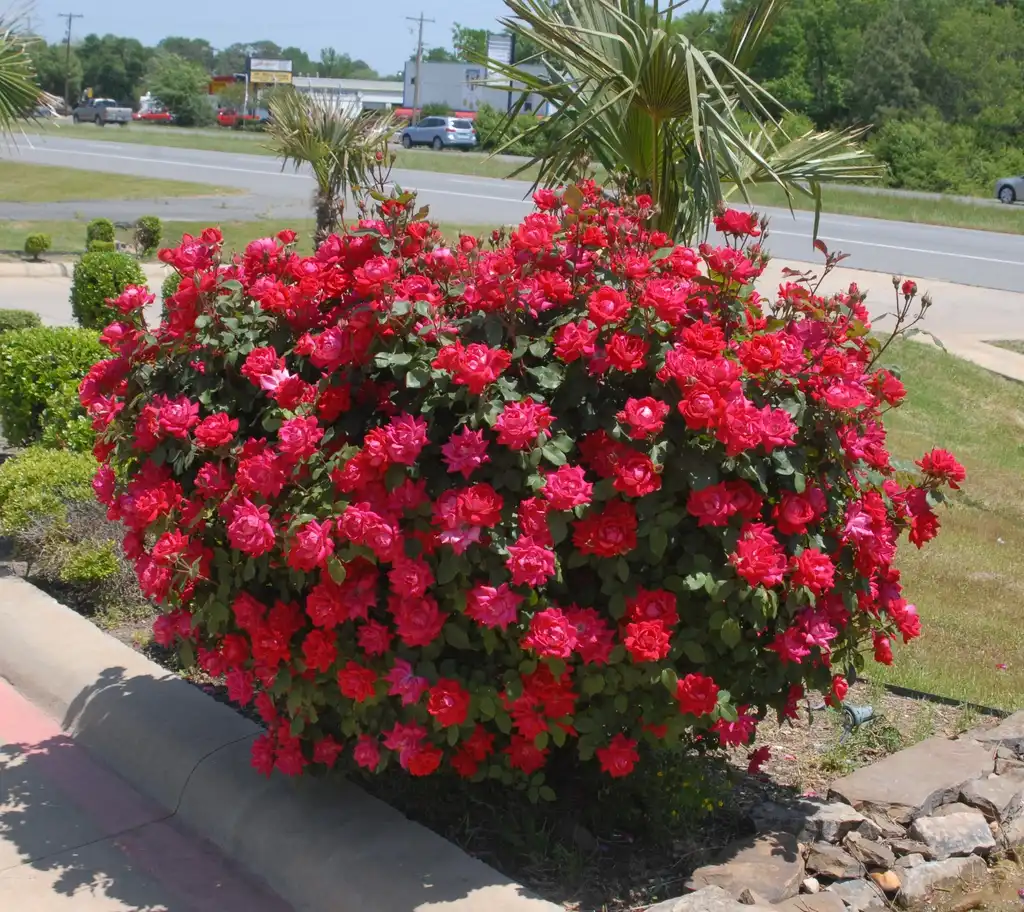
• Photo of Rosa hybrida 'Radrazz' PP #11836 (Rosa hybrida 'Radrazz' PP #11836s)

Plant Profile: Rosa hybrida 'Radrazz' PP #11836

Names

Knock Out, Knockout Red Rose, Knock Out Rose, Purple Meidiland

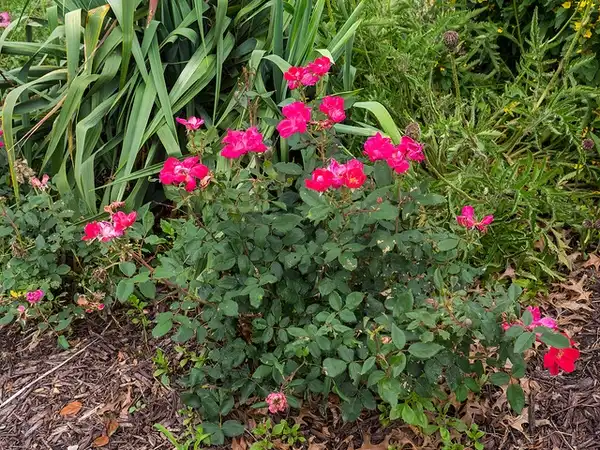
  • Photo of Rosa hybrida 'Radrazz' PP #11836 (Rosa hybrida 'Radrazz' PP #11836s)

Phonetic Spelling:RO-zuh hy-BRID-uh

Genus:Rosa

Species:hybrida

Family:Rosaceae

For many years, disease-resistant roses have been available, yet they have often let Southern gardeners down. However, your search ends here.

The Knockout Red Rose has captured the affection of American gardeners. Unlike earlier varieties, this rose is tough enough to thrive in our hot and humid climate.

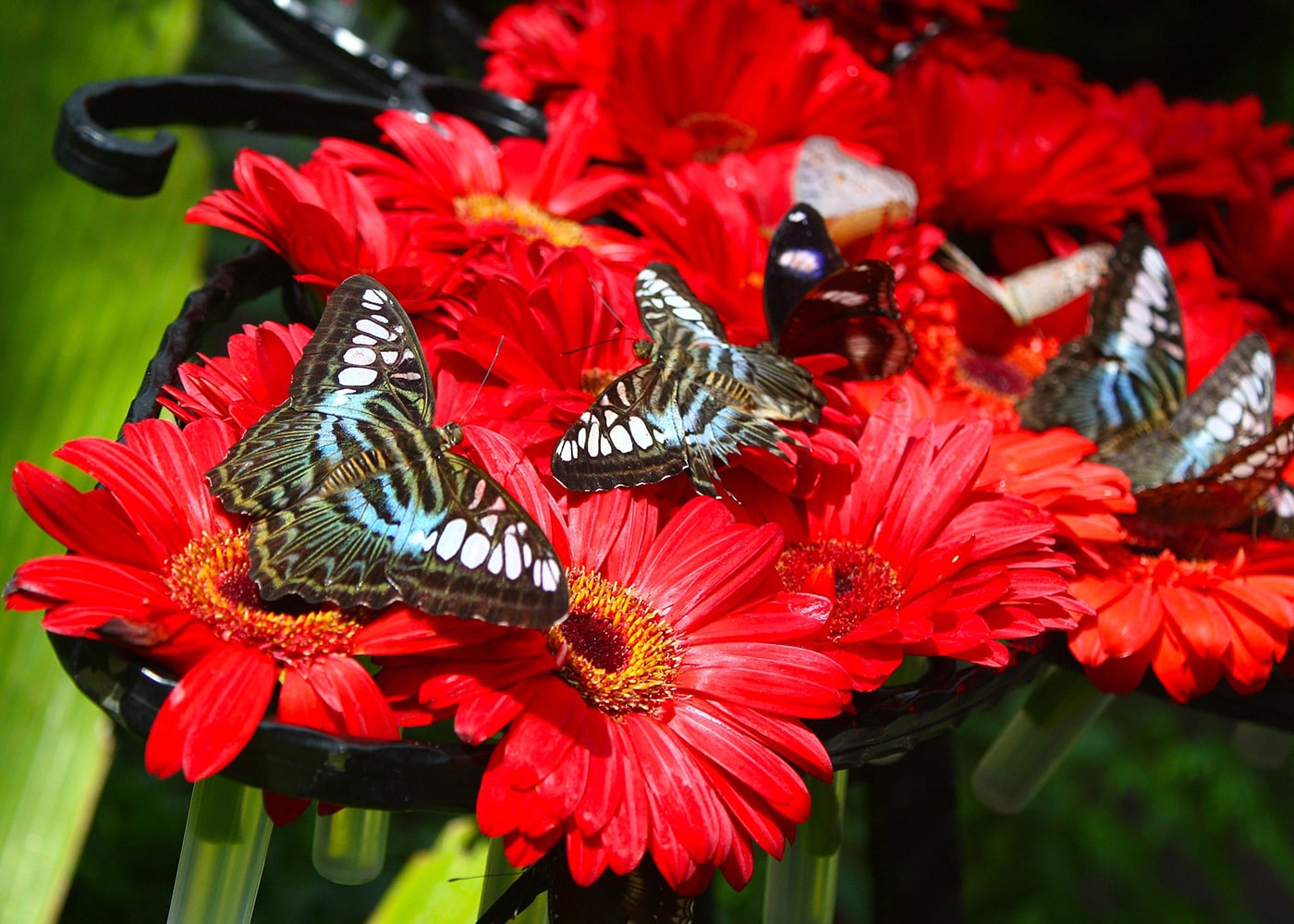
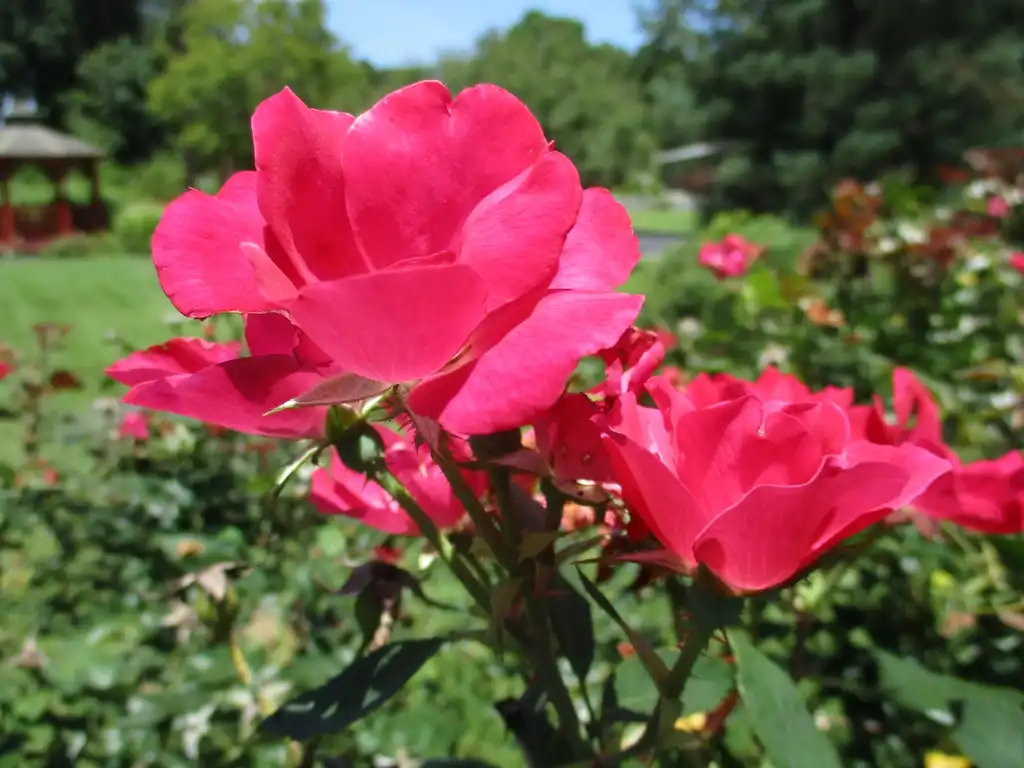
This remarkable cultivar is a shrub rose that typically reaches about 3 feet in height and width. As temperatures rise, it produces clusters of single, cherry-red blooms that measure around 3 inches in diameter. These flowers emit a subtle tea rose fragrance and attract butterflies. As long as the plants continue to grow throughout spring, summer, and fall, they will keep blooming.

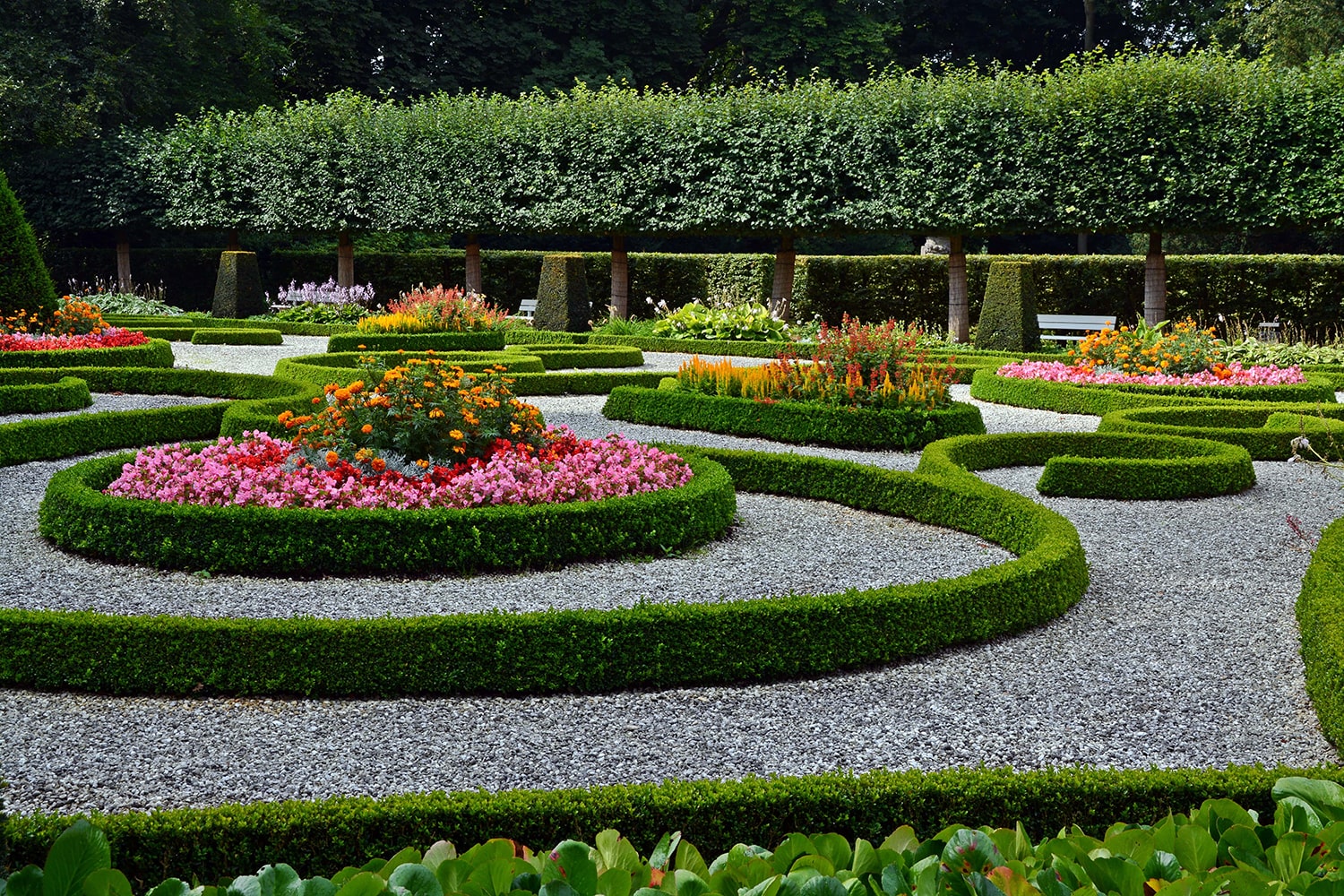
Like most roses, the Knockout Red Rose flourishes in full sun and prefers fertile, well-drained, slightly acidic soil. However, it can tolerate partial shade and is one of the few roses that will still flower in such conditions. Pruning should be done as needed during the growing season to control the size of the plant, though it requires less maintenance than many other roses. During dry spells, ensure the plants are watered to promote continuous blooming, and apply mulch around the roots to retain moisture and stabilize soil temperatures. This versatile plant can be used as a focal point, positioned at the back of a border, planted in small clusters, or utilized as a hedge in a cottage or sensory garden.

Recognized as an All-America Rose Award winner in 2000, this rose truly lives up to its name!

While roses are prone to various diseases, this particular cultivar shows greater resistance than many others. To minimize the risk of foliar diseases, it’s essential to maintain good air circulation around the plant and avoid watering from above. It is vulnerable to rose rosette, a viral condition spread by mites that can quickly infect nearby roses; the only solution is to remove any affected plants.

For more information on Rosa, please refer to additional resources.

Rosa hybrida 'Radrazz' PP #11836 Feature Summary

Rosa hybrida 'Radrazz' PP #11836 Image Gallery

Tags

#showy flowers
#fragrant flowers
#heat tolerant
#drought tolerant
#fall flowers
#specimen
#red flowers
#cut flowers
#spring flowers
#fall interest
#cottage garden
#hedges
#cpp
#summer flowers
#showstopper
#borders
#cutting garden
#border back
#humidity tolerant
#small group plantings
#fall color red
#fall color purple

Similar Plants

Rosa hybrida 'Radrazz' PP #11836 Feature Summary

Attributes
The fruit of rose, the rose hip, is high in vitamin C and has been used in folk medicine for stomach pain and to treat cancer.
Butterflies are attracted to the flowers.
Fruit
Orange-red rose hip
Red/Burgundy
Orange
Flowers
3-inch diameter, cherry-red blooms appear as terminal clusters of single 3.5" flowers with 7+ petals on single or sometimes double flowers. Blooms appear from spring, through summer, and until the first frost of fall. Buds are ovoids and pointed.
Gold/Yellow
Fragrant
Good Cut
Showy
Long Bloom Season
Spring
Summer
Fall
7 - 20 petals/rays
3-6 inches
Leaves
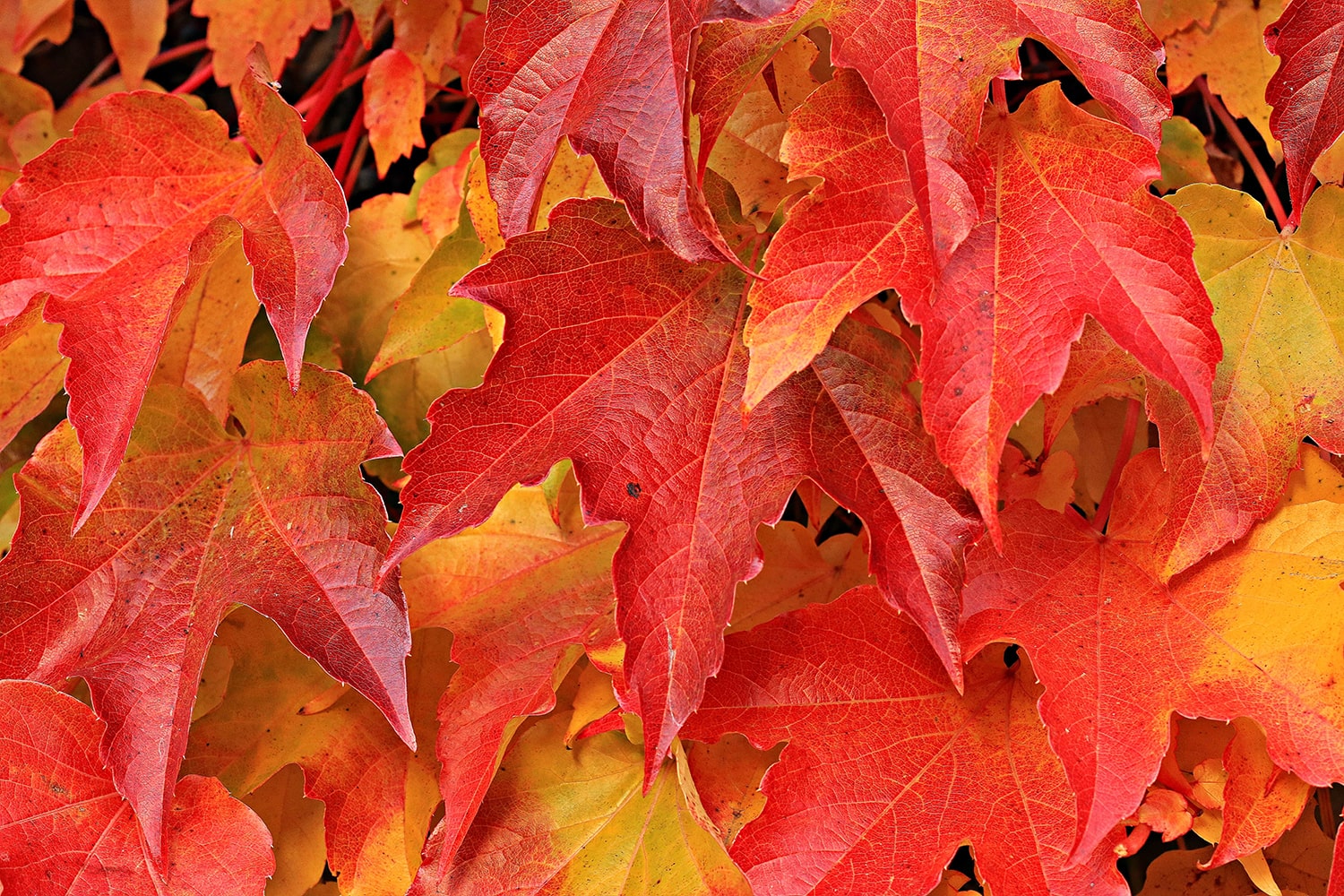
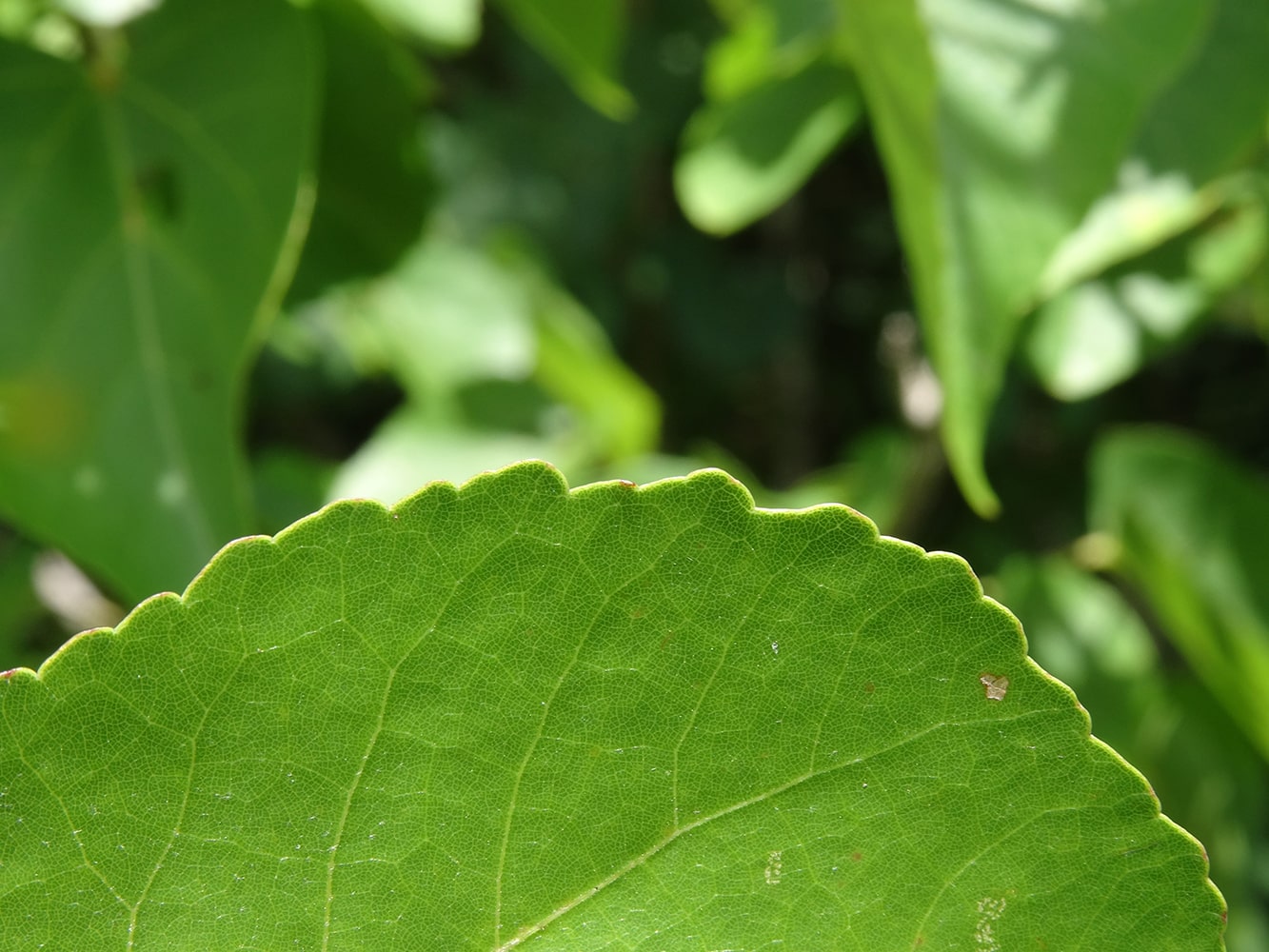
Dark purple green leaves with 5-7 leaflets with toothed margins. Leaves turn burgandy-violet in the fall.
Green
Purple/Lavender
Purple/Lavender
Red/Burgundy
Compound (Pinnately , Bipinnately, Palmately)
Whole Plant Traits
Cultural Conditions
Full sun (6 or more hours of direct sunlight a day)
Partial Shade (Direct sunlight only part of the day, 2-6 hours)
Acid (<6.0)
Neutral (6.0-8.0)
Good Drainage
Moist
5b
5a
6a
6b
7a
7b
8b
8a
9a
9b
Loam (Silt)
Landscape
Cutting Garden
Pollinator Garden
Cottage Garden
Garden for the Blind
Border
Foundation Planting
Hedge
Small groups
Heat
Humidity
Diseases
Butterflies
Weedy
Spines/Thorns

Rosa hybrida 'Radrazz' PP #11836 Attributes

Rosa hybrida 'Radrazz' PP #11836: Uses (Ethnobotany)

The fruit of rose, the rose hip, is high in vitamin C and has been used in folk medicine for stomach pain and to treat cancer.

Rosa hybrida 'Radrazz' PP #11836: Wildlife Value

Butterflies are attracted to the flowers.

Rosa hybrida 'Radrazz' PP #11836: Particularly Resistant To (Insects/Diseases/Other Problems)

Diseases like black spot.

Rosa hybrida 'Radrazz' PP #11836: Life Cycle

Annual
Biennial
Bulb
Perennial
Woody

Rosa hybrida 'Radrazz' PP #11836 Fruit

Rosa hybrida 'Radrazz' PP #11836: Fruit Description

Orange-red rose hip

Rosa hybrida 'Radrazz' PP #11836: Fruit Color

grass
Orange
grass
Red/Burgundy

Rosa hybrida 'Radrazz' PP #11836: Display/Harvest Time

Fall
Spring
Summer
Winter

Rosa hybrida 'Radrazz' PP #11836 Flowers

Rosa hybrida 'Radrazz' PP #11836: Flower Description

3-inch diameter, cherry-red blooms appear as terminal clusters of single 3.5" flowers with 7+ petals on single or sometimes double flowers. Blooms appear from spring, through summer, and until the first frost of fall. Buds are ovoids and pointed.

Rosa hybrida 'Radrazz' PP #11836: Flower Color

filter_vintage
Gold/Yellow

Rosa hybrida 'Radrazz' PP #11836: Flower Value To Gardener

Edible
Fragrant
Good Cut
Good Dried
Long Bloom Season
Long-lasting
Showy

Rosa hybrida 'Radrazz' PP #11836: Flower Bloom Time

Winter
Spring
Summer
Fall

Rosa hybrida 'Radrazz' PP #11836: Flower Petals

2-3 rays/petals
4-5 petals/rays
6 petals/rays
7 - 20 petals/rays
asymmetrical petals
Bracts
Colored Sepals
fused petals
more than 20 petals/rays
Tepals

Rosa hybrida 'Radrazz' PP #11836: Flower Size

1-3 inches
3-6 inches
< 1 inch
> 6 inches

Rosa hybrida 'Radrazz' PP #11836 Leaves

Rosa hybrida 'Radrazz' PP #11836: Leaf Description

Dark purple green leaves with 5-7 leaflets with toothed margins. Leaves turn burgandy-violet in the fall.

Rosa hybrida 'Radrazz' PP #11836: Woody Plant Leaf Characteristics

Broadleaf Evergreen
Deciduous
Needled Evergreen
Semi-evergreen

Rosa hybrida 'Radrazz' PP #11836: Leaf Color

spa
Green
spa
Purple/Lavender

Rosa hybrida 'Radrazz' PP #11836: Deciduous Leaf Fall Color

spa
Purple/Lavender
spa
Red/Burgundy

Rosa hybrida 'Radrazz' PP #11836: Leaf Type

Compound (Pinnately , Bipinnately, Palmately)
Fronds
Needles
Sheath
Simple

Rosa hybrida 'Radrazz' PP #11836: Leaf Arrangement

Alternate
Opposite
Other/more complex
Rosulate
Whorled

Rosa hybrida 'Radrazz' PP #11836: Leaf Margin

Crenate
Crenulate
Dentate
Denticulate
Doubly Crenate
Doubly Dentate
Doubly Serrate
Entire
Lobed
Serrate
Sinuate
Undulate

Rosa hybrida 'Radrazz' PP #11836: Hairs Present

No
Yes

Rosa hybrida 'Radrazz' PP #11836 Whole Plant Traits

Rosa hybrida 'Radrazz' PP #11836: Plant Type

Annual
Bulb
Carnivorous
Edible
Epiphyte
Fern
Ground Cover
Herb
Herbaceous Perennial
Houseplant
Mushroom
Native Plant
Ornamental Grasses and Sedges
Perennial
Poisonous
Rose
Shrub
Succulent
Tree
Turfgrass
Vegetable
Vine
Water Plant
Weed
Wildflower

Rosa hybrida 'Radrazz' PP #11836: Woody Plant Leaf Characteristics

Broadleaf Evergreen
Deciduous
Needled Evergreen
Semi-evergreen

Rosa hybrida 'Radrazz' PP #11836: Habit/Form

Arching
Ascending
Broad
Cascading
Climbing
Clumping
Columnar
Conical
Creeping
Dense
Erect
Horizontal
Irregular
Mounding
Multi-stemmed
Multi-trunked
Open
Oval
Prostrate
Pyramidal
Rounded
Spreading
Vase
Weeping

Rosa hybrida 'Radrazz' PP #11836: Growth Rate

Slow
Medium
Rapid

Rosa hybrida 'Radrazz' PP #11836: Maintenance

Low
Medium
High

Rosa hybrida 'Radrazz' PP #11836: Texture

Fine
Medium
Coarse

Rosa hybrida 'Radrazz' PP #11836: Appendage

Prickles
Spines
Tendrils
Thorns

Rosa hybrida 'Radrazz' PP #11836 Cultural Conditions

Rosa hybrida 'Radrazz' PP #11836: Light

Dappled Sunlight (Shade through upper canopy all day)
Deep shade (Less than 2 hours to no direct sunlight)
Full sun (6 or more hours of direct sunlight a day)
Partial Shade (Direct sunlight only part of the day, 2-6 hours)

Rosa hybrida 'Radrazz' PP #11836: Soil pH

Acid (<6.0)
Alkaline (>8.0)
Neutral (6.0-8.0)

Rosa hybrida 'Radrazz' PP #11836: Soil Drainage

Frequent Standing Water
Good Drainage
Moist
Occasional Flooding
Occasionally Dry
Occasionally Wet
Very Dry

Rosa hybrida 'Radrazz' PP #11836: Available Space To Plant

12 inches-3 feet
12-24 feet
24-60 feet
3 feet-6 feet
6-feet-12 feet
Less than 12 inches
more than 60 feet

Rosa hybrida 'Radrazz' PP #11836: USDA Plant Hardiness Zone

thermostat
5a
thermostat
5b
thermostat
6a
thermostat
6b
thermostat
7a
thermostat
7b
thermostat
8a
thermostat
8b
thermostat
9a
thermostat
9b

Rosa hybrida 'Radrazz' PP #11836: Soil Texture

Clay
High Organic Matter
Loam (Silt)
Sand
Shallow Rocky

Rosa hybrida 'Radrazz' PP #11836 Stem

Rosa hybrida 'Radrazz' PP #11836: Stem Color

grass
Green

Rosa hybrida 'Radrazz' PP #11836: Stem Is Aromatic

No
Yes

Rosa hybrida 'Radrazz' PP #11836 Landscape

Rosa hybrida 'Radrazz' PP #11836: Landscape Theme

Asian Garden
Butterfly Garden
Children's Garden
Cottage Garden
Cutting Garden
Drought Tolerant Garden
Edible Garden
English Garden
Fairy Garden
Garden for the Blind
Native Garden
Nighttime Garden
Pollinator Garden
Rain Garden
Rock Garden
Shade Garden
Water Garden
Winter Garden

Rosa hybrida 'Radrazz' PP #11836: Design Feature

Accent
Barrier
Border
Flowering Tree
Foundation Planting
Hedge
Mass Planting
Screen/Privacy
Security
Shade Tree
Small groups
Small Tree
Specimen
Street Tree
Understory Tree

Rosa hybrida 'Radrazz' PP #11836: Resistance To Challenges

Black Walnut
Compaction
Deer
Diseases
Drought
Dry Soil
Erosion
Fire
Foot Traffic
Heat
Heavy Shade
Humidity
Insect Pests
Pollution
Poor Soil
Rabbits
Salt
Slugs
Squirrels
Storm damage
Urban Conditions
Voles
Wet Soil
Wind

Rosa hybrida 'Radrazz' PP #11836: Attracts

Bats
Bees
Butterflies
Frogs
Hummingbirds
Moths
Pollinators
Predatory Insects
Reptiles
Small Mammals
Songbirds
Specialized Bees

Rosa hybrida 'Radrazz' PP #11836: Problems

Allelopathic
Contact Dermatitis
Frequent Disease Problems
Frequent Insect Problems
Invasive Species
Malodorous
Messy
Poisonous to Humans
Problem for Cats
Problem for Children
Problem for Dogs
Problem for Horses
Short-lived
Spines/Thorns
Weak Wood
Weedy