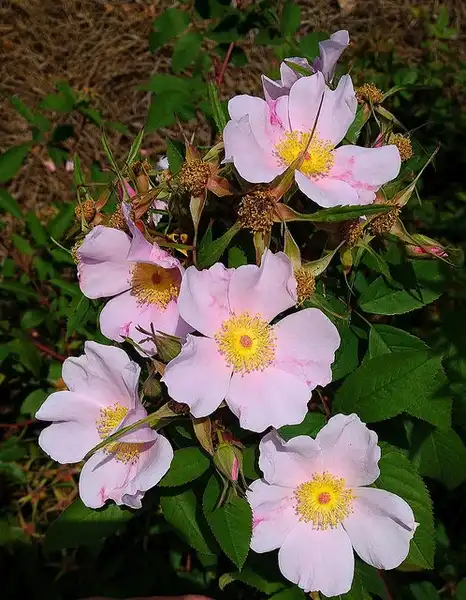
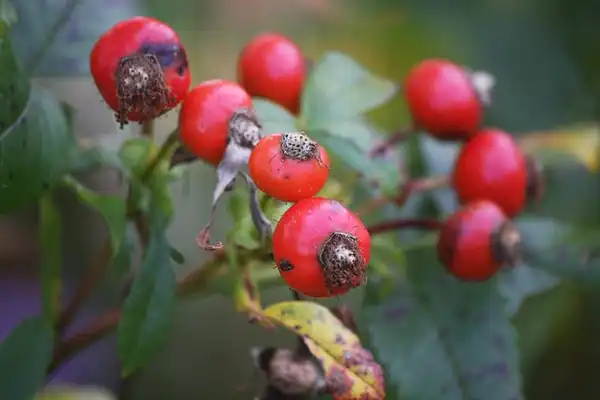
• Photo of Rosa palustris (Rosa palustriss)

Plant Profile: Rosa palustris

Taxonomy: Rosa palustris

Names

Swamp Rose

  • Photo of Rosa palustris (Rosa palustriss)

Phonetic Spelling:ROH-sah pal-OOS-triss

Genus:Rosa

Species:palustris

Family:Rosaceae

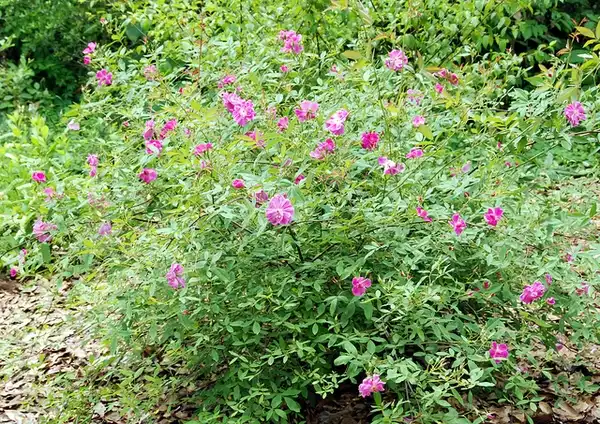
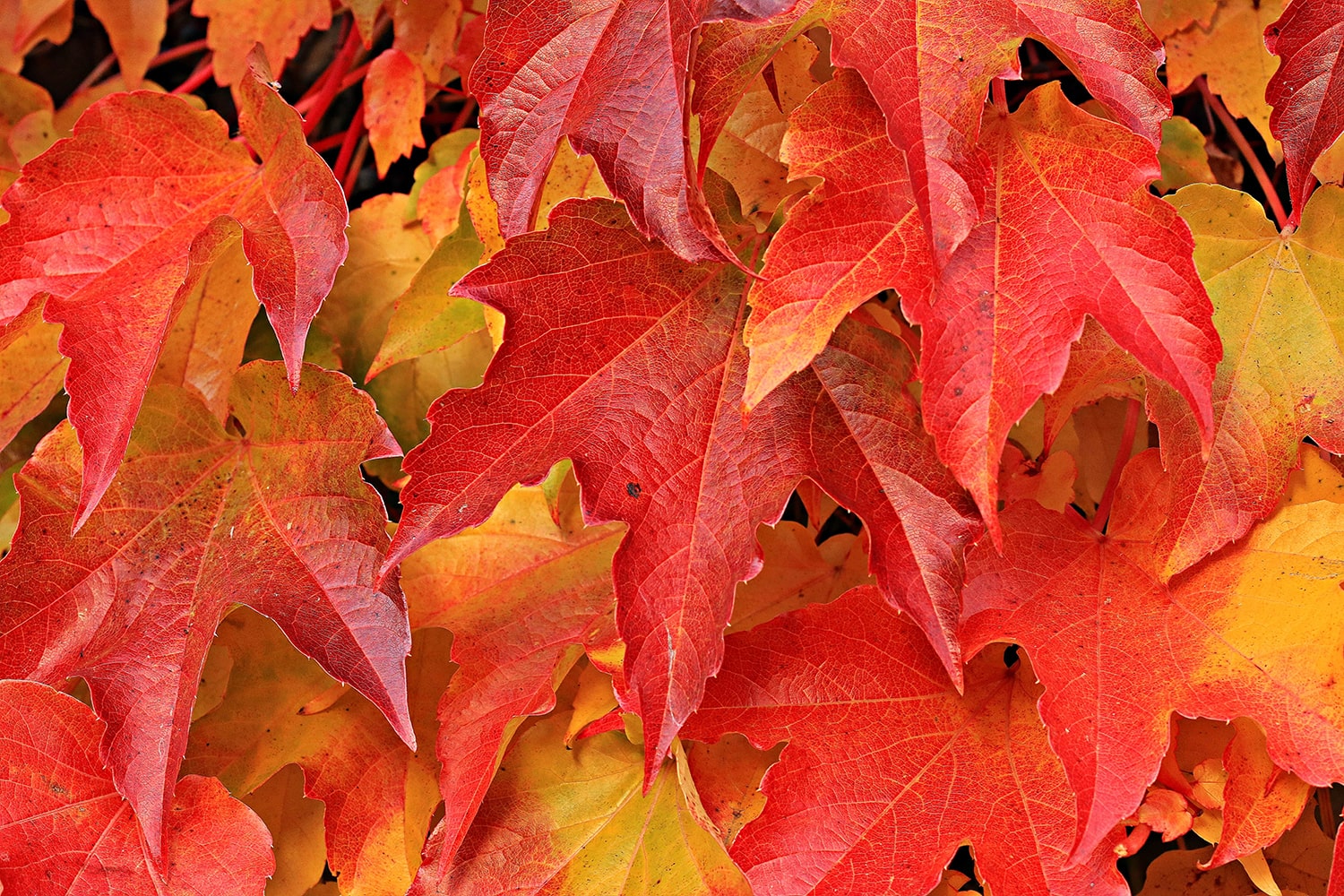
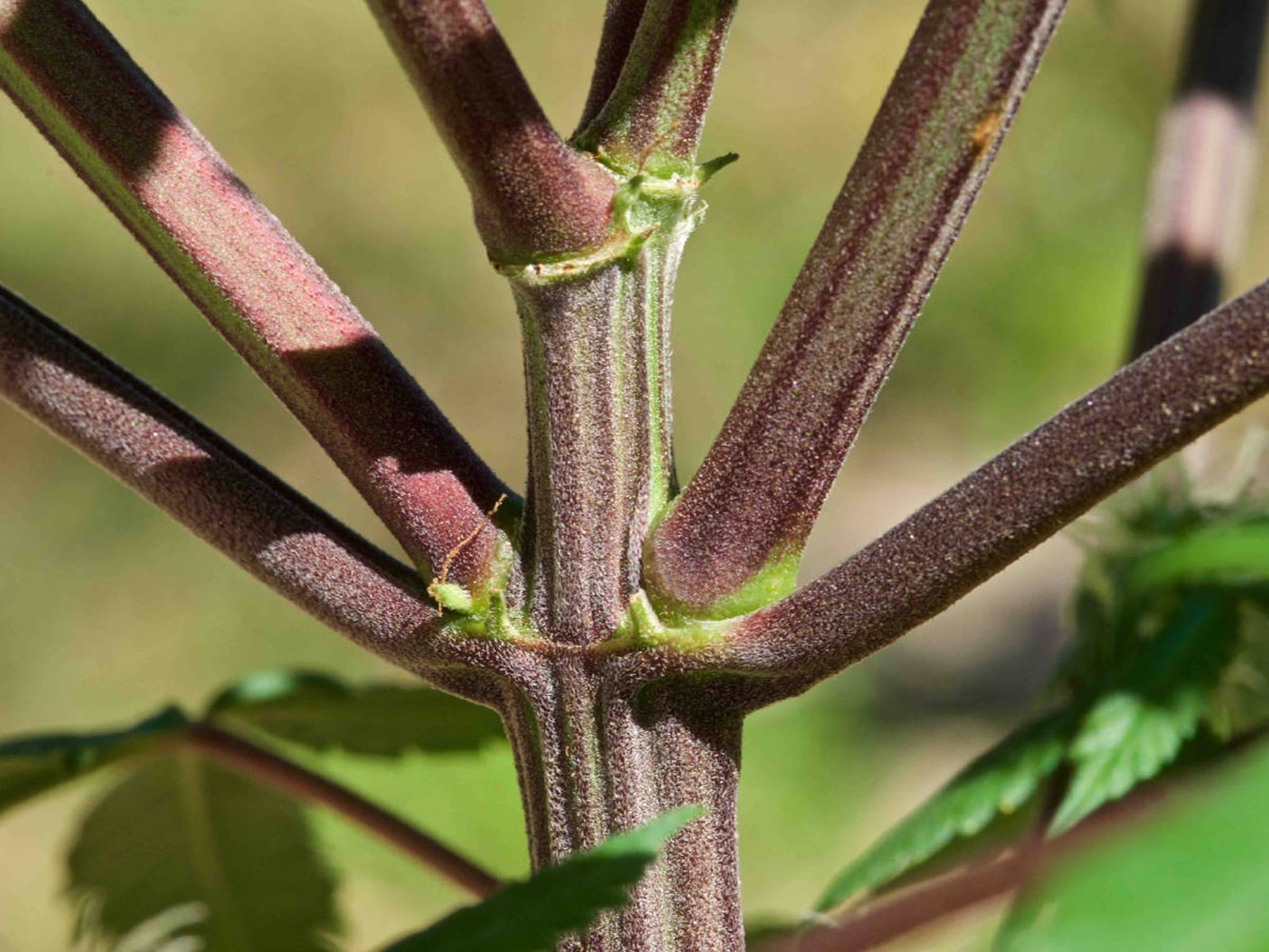
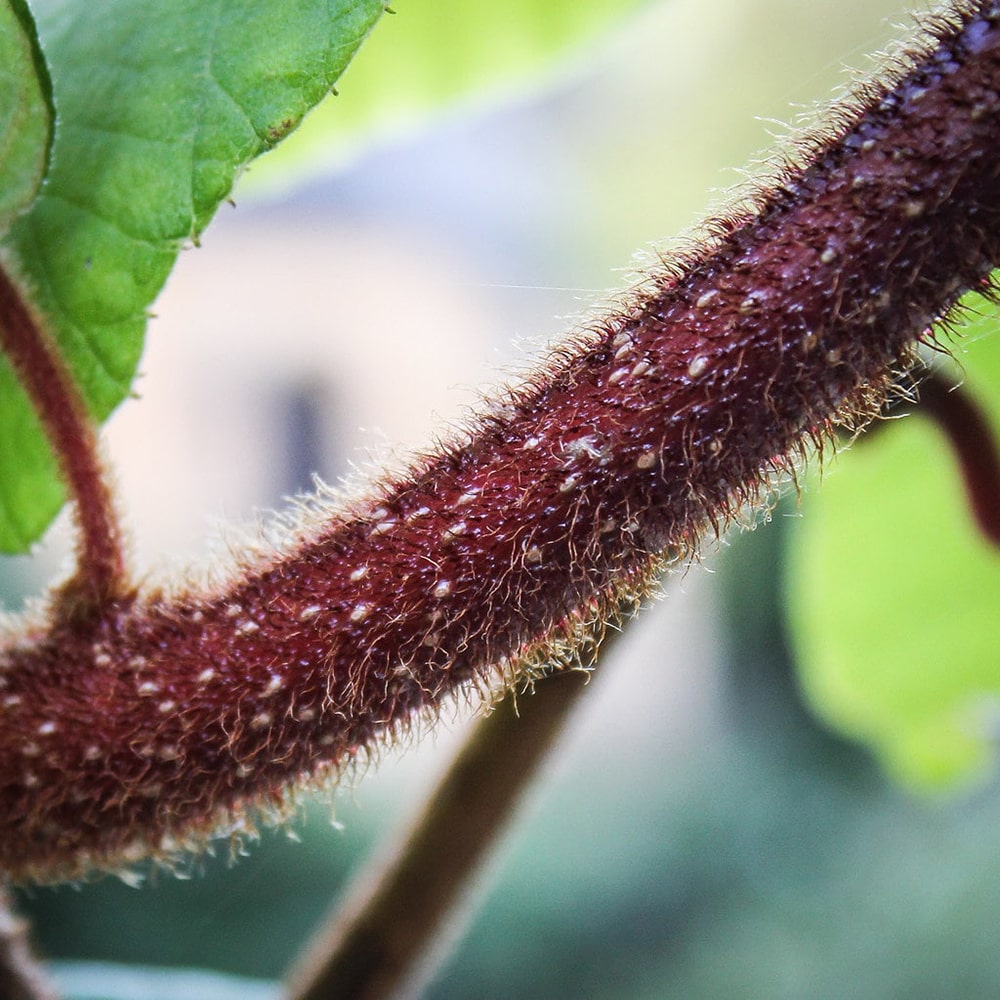
Rosa palustris, commonly known as swamp rose, is a deciduous shrub characterized by its upright growth and arching branches, typically reaching heights and widths of 3 to 6 feet. This species thrives in wet environments such as swamps, marshes, ditches, and along stream banks, spanning a range from Nova Scotia to Ontario and Minnesota, extending down to Florida and Louisiana. The shrub features reddish stems adorned with curved prickles and is covered in pinnately compound leaves that are medium to dark green. Each leaf usually consists of 7 broad-elliptic leaflets, though occasionally there are 5 or, rarely, 9. These leaflets, which can grow up to 2.5 inches long, are finely serrated and pointed at both ends. From late spring to early summer (June to July), the plant produces fragrant, single pink flowers, about 2 inches in diameter, with striking yellow stamens at their centers. Following the blooming period, pea-sized red hips, measuring up to half an inch, develop, and the leaves often transform into vibrant shades of red in the fall.

For optimal growth, swamp rose prefers acidic, organically rich, and consistently moist soils in full sunlight. While it can tolerate light shade, the best flowering and resistance to diseases are typically observed in full sun conditions. Although the plant does not thrive in standing water, it can withstand occasional seasonal flooding. Ensuring good air circulation is essential for robust growth and helps mitigate foliar diseases. Pruning should be done as necessary in late winter, and the plants propagate slowly through suckering.

Seasons of Interest:
- Leaves: Fall
- Blooms: Summer to late summer
- Fruit: Fall

In terms of pests and diseases, swamp rose is generally resilient against the common threats that affect many hybrid roses. However, potential issues for roses in general may include black spot, powdery mildew, and rust, while insect pests could consist of aphids, beetles, borers, scale, thrips, rose midges, and leafhoppers. Spider mites may also occasionally appear.

Form: Upright

Rosa palustris Feature Summary

Rosa palustris Image Gallery

Tags

#fragrant
#thorns
#deciduous
#rain garden
#wildlife plant
#showy
#native shrub
#cover plant
#food source
#NC native
#naturalizes
#cover
#food source fall
#Coastal OBL
#food source nectar
#food source pollen
#Piedmont Mountains OBL
#fruits
#bird friendly
#mammals
#food source soft mast fruit
#butterfly friendly
#cover plant winter
#pollinators
#bee friendly
#audubon

Similar Plants

Rosa palustris Feature Summary

Attributes
Eastern Canada to Eastern U.S.A
It provides excellent cover year-round. Its hips are eaten by songbirds, quail and wild turkey.
Fruit
Red fruit displays from September to October.
1-3 inches
Flowers
Fragrant, single pink roses (to 2" across) with contrasting yellow center stamens bloom from late spring to early summer (May - July). Flowers are followed by pea-sized red hips (to 1/2" long)
1-3 inches
Leaves
curved prickles are clad with pinnately compound medium to dark green leaves. Each leaf typically has 7 (sometimes 5 but rarely 9) broad-elliptic, finely-toothed, dark green leaflets (to 2 1/2" long) which are pointed at both ends. Leaves turn often attractive shades of red in fall
Compound (Pinnately , Bipinnately, Palmately)
Elliptical
1-3 inches
Stem
Whole Plant Traits
Cultural Conditions
Full sun (6 or more hours of direct sunlight a day)
Partial Shade (Direct sunlight only part of the day, 2-6 hours)
Acid (<6.0)
Good Drainage
Moist
Occasionally Wet
Coastal
Mountains
Piedmont
4a
4b
5b
5a
6a
6b
7a
7b
8b
8a
9a
9b
High Organic Matter
Landscape
Butterfly Garden
Pollinator Garden
Rain Garden
Native Garden
Butterflies
Pollinators
Songbirds
Bees
Small Mammals

Rosa palustris Attributes

Rosa palustris: Country Or Region Of Origin

Eastern Canada to Eastern U.S.A
Rosa palustris: Wildlife Value

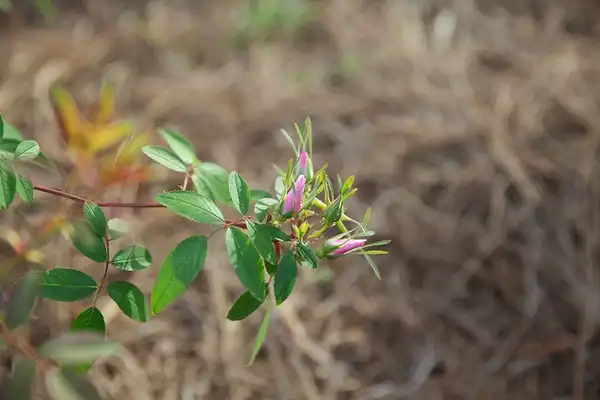
It provides excellent cover year-round. Its hips are eaten by songbirds, quail and wild turkey.

Rosa palustris Fruit

Rosa palustris: Fruit Description

Red fruit displays from September to October.

Rosa palustris: Fruit Color

grass
Pink

Rosa palustris: Fruit Value To Gardener

Edible
Fragrant
Good Cut
Good Dried
Long Bloom Season
Long-lasting
Showy

Rosa palustris: Display/Harvest Time

Fall
Spring
Summer
Winter

Rosa palustris: Fruit Length

< 1 inch
1-3 inches
> 3 inches

Rosa palustris Flowers

Rosa palustris: Flower Description

Fragrant, single pink roses (to 2" across) with contrasting yellow center stamens bloom from late spring to early summer (May - July). Flowers are followed by pea-sized red hips (to 1/2" long)

Rosa palustris: Flower Color

filter_vintage
Pink

Rosa palustris: Flower Value To Gardener

Edible
Fragrant
Good Cut
Good Dried
Long Bloom Season
Long-lasting
Showy

Rosa palustris: Flower Bloom Time

Winter
Spring
Summer
Fall

Rosa palustris: Flower Size

1-3 inches
3-6 inches
< 1 inch
> 6 inches

Rosa palustris Leaves

Rosa palustris: Leaf Description

curved prickles are clad with pinnately compound medium to dark green leaves. Each leaf typically has 7 (sometimes 5 but rarely 9) broad-elliptic, finely-toothed, dark green leaflets (to 2 1/2" long) which are pointed at both ends. Leaves turn often attractive shades of red in fall

Rosa palustris: Woody Plant Leaf Characteristics

Broadleaf Evergreen
Deciduous
Needled Evergreen
Semi-evergreen

Rosa palustris: Leaf Color

spa
Green

Rosa palustris: Deciduous Leaf Fall Color

spa
Red/Burgundy

Rosa palustris: Leaf Type

Compound (Pinnately , Bipinnately, Palmately)
Fronds
Needles
Sheath
Simple

Rosa palustris: Leaf Shape

Acicular
Auriculate
Cordate
Cuneate
Deltoid
Elliptical
Filiform
Lanceolate
Linear
Oblanceolate
Oblong
Obovate
Obtuse
Orbicular
Ovate
Palmasect
Palmatifid
Peltate
Pinnatifid
Pinnatisect
Reniform
Rhomboidal
Spatulate
Subcordate
Subulate

Rosa palustris: Hairs Present

No
Yes

Rosa palustris: Leaf Length

< 1 inch
1-3 inches
3-6 inches
> 6 inches

Rosa palustris Stem

Rosa palustris: Stem Description

Reddish stems

Rosa palustris: Stem Color

grass
Red/Burgundy

Rosa palustris: Stem Is Aromatic

No
Yes

Rosa palustris Whole Plant Traits

Rosa palustris: Plant Type

Annual
Bulb
Carnivorous
Edible
Epiphyte
Fern
Ground Cover
Herb
Herbaceous Perennial
Houseplant
Mushroom
Native Plant
Ornamental Grasses and Sedges
Perennial
Poisonous
Rose
Shrub
Succulent
Tree
Turfgrass
Vegetable
Vine
Water Plant
Weed
Wildflower

Rosa palustris: Woody Plant Leaf Characteristics

Broadleaf Evergreen
Deciduous
Needled Evergreen
Semi-evergreen

Rosa palustris: Habit/Form

Arching
Ascending
Broad
Cascading
Climbing
Clumping
Columnar
Conical
Creeping
Dense
Erect
Horizontal
Irregular
Mounding
Multi-stemmed
Multi-trunked
Open
Oval
Prostrate
Pyramidal
Rounded
Spreading
Vase
Weeping

Rosa palustris Cultural Conditions

Rosa palustris: Light

Dappled Sunlight (Shade through upper canopy all day)
Deep shade (Less than 2 hours to no direct sunlight)
Full sun (6 or more hours of direct sunlight a day)
Partial Shade (Direct sunlight only part of the day, 2-6 hours)

Rosa palustris: Soil pH

Acid (<6.0)
Alkaline (>8.0)
Neutral (6.0-8.0)

Rosa palustris: Soil Drainage

Frequent Standing Water
Good Drainage
Moist
Occasional Flooding
Occasionally Dry
Occasionally Wet
Very Dry

Rosa palustris: NC Region

Coastal
Mountains
Piedmont

Rosa palustris: USDA Plant Hardiness Zone

thermostat
4a
thermostat
4b
thermostat
5a
thermostat
5b
thermostat
6a
thermostat
6b
thermostat
7a
thermostat
7b
thermostat
8a
thermostat
8b
thermostat
9a
thermostat
9b

Rosa palustris: Soil Texture

Clay
High Organic Matter
Loam (Silt)
Sand
Shallow Rocky

Rosa palustris Landscape

Rosa palustris: Landscape Theme

Asian Garden
Butterfly Garden
Children's Garden
Cottage Garden
Cutting Garden
Drought Tolerant Garden
Edible Garden
English Garden
Fairy Garden
Garden for the Blind
Native Garden
Nighttime Garden
Pollinator Garden
Rain Garden
Rock Garden
Shade Garden
Water Garden
Winter Garden

Rosa palustris: Attracts

Bats
Bees
Butterflies
Frogs
Hummingbirds
Moths
Pollinators
Predatory Insects
Reptiles
Small Mammals
Songbirds
Specialized Bees