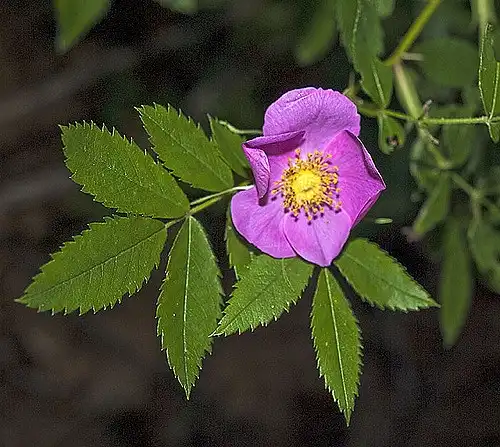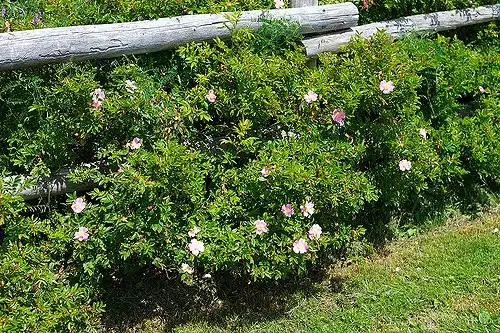
• Photo of Rosa carolina (Rosa carolinas)

Plant Profile: Rosa carolina

Taxonomy: Rosa carolina

Names

Carolina Rose, Pasture Rose

  • Photo of Rosa carolina (Rosa carolinas)

Phonetic Spelling:ROH-sah kay-roh-LEE-nah

Genus:Rosa

Species:carolina

Family:Rosaceae

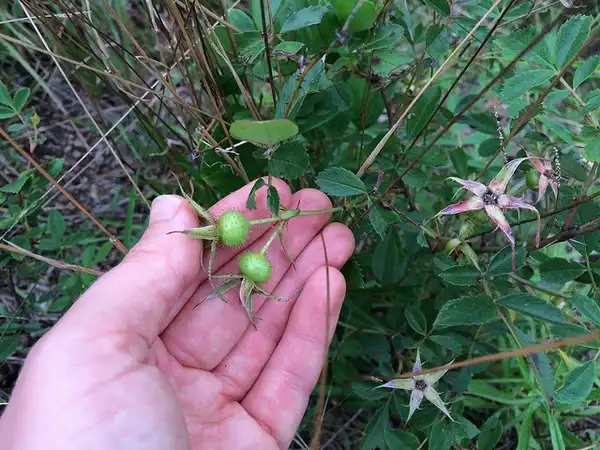
Rosa carolina, often referred to as the pasture rose, thrives in a variety of soil types, both dry and moist. This species is typically found in open areas such as glades, woodlands, prairies, and along roadsides and railways, as well as in the damp soils near streams, swamps, and low-lying regions. It typically reaches heights of 3 to 5 feet, occasionally growing up to 6 feet, and tends to propagate through suckers, forming dense colonies or thickets in natural settings. The plant showcases solitary pink flowers, each with five petals and measuring up to 2.5 inches in diameter, which bloom in May without any subsequent flowering. Its foliage is smooth and dark green, and it produces red hips in late summer.

For optimal growth, pasture rose prefers average to moist, well-drained soil and full sunlight. The best flowering and resistance to diseases are achieved under full sun conditions. It is important to water the plant deeply and consistently, ideally in the mornings, while avoiding overhead watering. Ensuring good air circulation is crucial for robust growth and helps mitigate foliar diseases. Applying summer mulch can aid in moisture retention and keep the roots cool. During the growing season, it is advisable to remove and dispose of any diseased leaves, as well as to clear away dead leaves from the surrounding area during winter cleanup. In colder climates, protecting the crowns during winter is beneficial, and pruning should be done from late winter to early spring.

Seasons of Interest:
- Blooms: Spring, Summer
- Nut/Fruit/Seed: Fall

When using the edible flowers for garnishing desserts, remember to remove the white, bitter base of the petals. The petals can also be incorporated into syrups, jellies, butters, and spreads, or frozen in ice cubes to enhance beverages.

Rosa carolina Feature Summary

Rosa carolina Image Gallery

Tags

#fragrant
#deciduous
#drought tolerant
#wildlife plant
#showy
#native shrub
#medicinal
#cover plant
#playground
#hedges
#food source
#cpp
#NC native
#children's garden
#edible fruits
#cover
#food source nectar
#food source pollen
#fruits
#bird friendly
#mammals
#food source soft mast fruit
#butterfly friendly
#Piedmont Mountains FACU
#Coastal FACU
#pollinators
#audubon

Similar Plants

Rosa carolina Feature Summary

Attributes
This plant was used by Native Americans for medicinal purposes.
It provides excellent cover year round. Hips are eaten by songbirds, quail and wild turkey.
Heat, drought, and soil compaction tolerant.
Edible fruit
Wildlife Food Source
Attracts Pollinators
Wildlife Cover/Habitat
Attractive Flowers
Fruit
Red fruit displays from August to October.
Red/Burgundy
Flowers
2 in., single, rich rose pink, fragrant flowers from May to June; red hips in fall.
Fragrant
Showy
Edible
Spring
Summer
1-3 inches
Whole Plant Traits
Cultural Conditions
Full sun (6 or more hours of direct sunlight a day)
Partial Shade (Direct sunlight only part of the day, 2-6 hours)
Good Drainage
Moist
Occasionally Dry
Very Dry
Coastal
Mountains
Piedmont
4a
4b
5b
5a
6a
6b
7a
7b
8b
8a
9a
9b
Landscape
Edible Garden
Butterfly Garden
Pollinator Garden
Children's Garden
Recreational Play Area
Butterflies
Pollinators
Songbirds
Small Mammals

Rosa carolina Attributes

Rosa carolina: Uses (Ethnobotany)

This plant was used by Native Americans for medicinal purposes.
Rosa carolina: Wildlife Value

It provides excellent cover year round. Hips are eaten by songbirds, quail and wild turkey.

Rosa carolina: Particularly Resistant To (Insects/Diseases/Other Problems)

Heat, drought, and soil compaction tolerant.

Rosa carolina: Play Value

Attractive Flowers
Attracts Pollinators
Buffer
Colorful
Defines Paths
Easy to Grow
Edible fruit
Fragrance
Pieces Used in Games
Screening
Shade
Sound
Textural
Wildlife Cover/Habitat
Wildlife Food Source
Wildlife Larval Host
Wildlife Nesting
Wind Break
Wind Shimmer

Rosa carolina Fruit

Rosa carolina: Fruit Description

Red fruit displays from August to October.

Rosa carolina: Fruit Type

Achene
Aggregate
Berry
Capsule
Caryopsis
Drupe
Follicle
Legume
Nut
Pome
Samara
Schizocarp
Siliqua

Rosa carolina: Fruit Color

grass
Red/Burgundy

Rosa carolina: Fruit Value To Gardener

Edible
Fragrant
Good Cut
Good Dried
Long Bloom Season
Long-lasting
Showy

Rosa carolina: Display/Harvest Time

Fall
Spring
Summer
Winter

Rosa carolina Flowers

Rosa carolina: Flower Description

2 in., single, rich rose pink, fragrant flowers from May to June; red hips in fall.

Rosa carolina: Flower Color

filter_vintage
Pink

Rosa carolina: Flower Value To Gardener

Edible
Fragrant
Good Cut
Good Dried
Long Bloom Season
Long-lasting
Showy

Rosa carolina: Flower Bloom Time

Winter
Spring
Summer
Fall

Rosa carolina: Flower Size

1-3 inches
3-6 inches
< 1 inch
> 6 inches

Rosa carolina Whole Plant Traits

Rosa carolina: Plant Type

Annual
Bulb
Carnivorous
Edible
Epiphyte
Fern
Ground Cover
Herb
Herbaceous Perennial
Houseplant
Mushroom
Native Plant
Ornamental Grasses and Sedges
Perennial
Poisonous
Rose
Shrub
Succulent
Tree
Turfgrass
Vegetable
Vine
Water Plant
Weed
Wildflower

Rosa carolina: Woody Plant Leaf Characteristics

Broadleaf Evergreen
Deciduous
Needled Evergreen
Semi-evergreen

Rosa carolina: Habit/Form

Arching
Ascending
Broad
Cascading
Climbing
Clumping
Columnar
Conical
Creeping
Dense
Erect
Horizontal
Irregular
Mounding
Multi-stemmed
Multi-trunked
Open
Oval
Prostrate
Pyramidal
Rounded
Spreading
Vase
Weeping

Rosa carolina: Growth Rate

Slow
Medium
Rapid

Rosa carolina: Texture

Fine
Medium
Coarse

Rosa carolina Cultural Conditions

Rosa carolina: Light

Dappled Sunlight (Shade through upper canopy all day)
Deep shade (Less than 2 hours to no direct sunlight)
Full sun (6 or more hours of direct sunlight a day)
Partial Shade (Direct sunlight only part of the day, 2-6 hours)

Rosa carolina: Soil Drainage

Frequent Standing Water
Good Drainage
Moist
Occasional Flooding
Occasionally Dry
Occasionally Wet
Very Dry

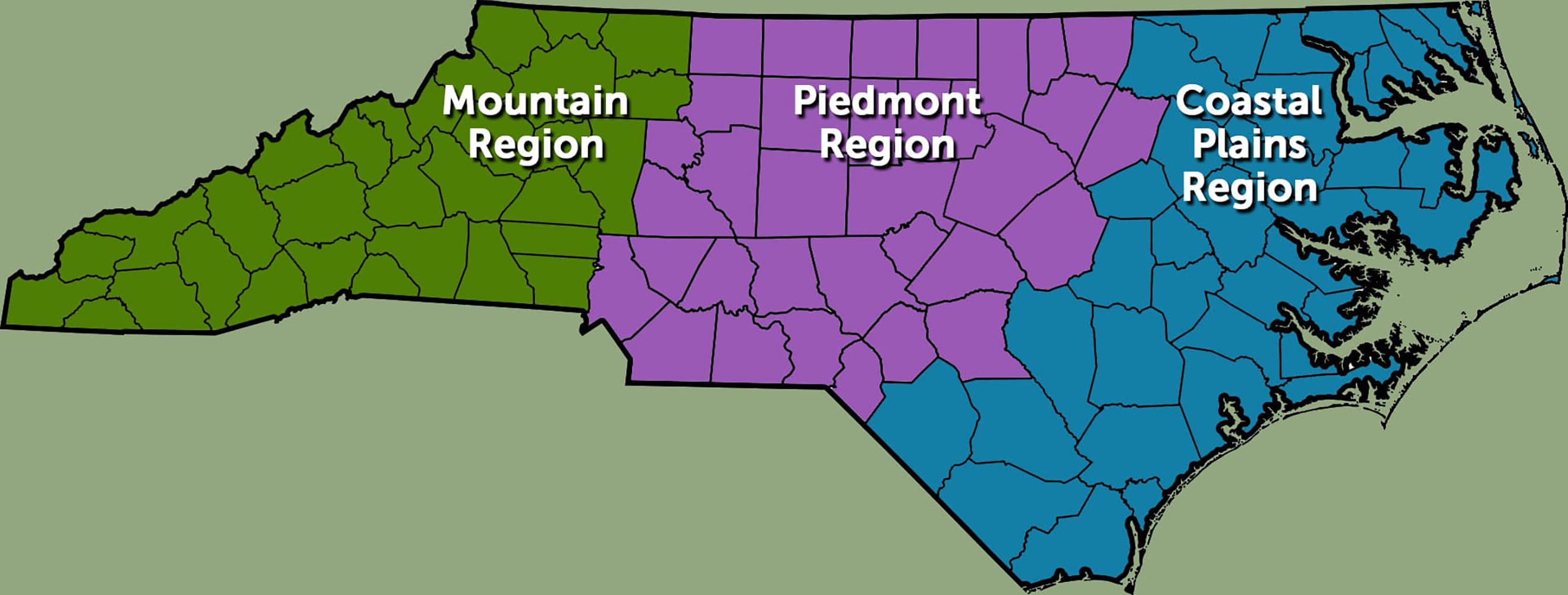
Rosa carolina: NC Region

Coastal
Mountains
Piedmont

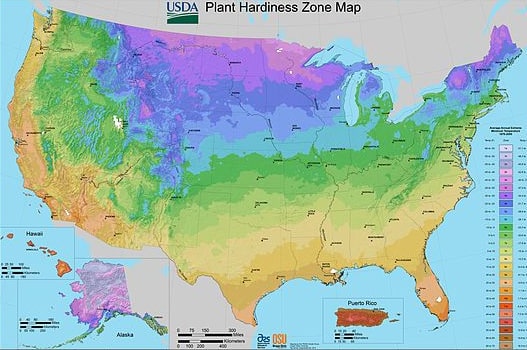
Rosa carolina: USDA Plant Hardiness Zone

thermostat
4a
thermostat
4b
thermostat
5a
thermostat
5b
thermostat
6a
thermostat
6b
thermostat
7a
thermostat
7b
thermostat
8a
thermostat
8b
thermostat
9a
thermostat
9b

Rosa carolina Leaves

Rosa carolina: Woody Plant Leaf Characteristics

Broadleaf Evergreen
Deciduous
Needled Evergreen
Semi-evergreen

Rosa carolina: Leaf Color

spa
Gold/Yellow

Rosa carolina: Deciduous Leaf Fall Color

spa
Brown/Copper
spa
Gold/Yellow

Rosa carolina: Hairs Present

No
Yes

Rosa carolina Stem

Rosa carolina: Stem Is Aromatic

No
Yes

Rosa carolina Landscape

Rosa carolina: Landscape Theme

Asian Garden
Butterfly Garden
Children's Garden
Cottage Garden
Cutting Garden
Drought Tolerant Garden
Edible Garden
English Garden
Fairy Garden
Garden for the Blind
Native Garden
Nighttime Garden
Pollinator Garden
Rain Garden
Rock Garden
Shade Garden
Water Garden
Winter Garden

Rosa carolina: Design Feature

Accent
Barrier
Border
Flowering Tree
Foundation Planting
Hedge
Mass Planting
Screen/Privacy
Security
Shade Tree
Small groups
Small Tree
Specimen
Street Tree
Understory Tree

Rosa carolina: Landscape Location

Coastal
Container
Hanging Baskets
Houseplants
Lawn
Meadow
Naturalized Area
Near Septic
Patio
Pond
Pool/Hardscape
Recreational Play Area
Riparian
Rock Wall
Slope/Bank
Small Space
Vertical Spaces
Walkways
Woodland

Rosa carolina: Attracts

Bats
Bees
Butterflies
Frogs
Hummingbirds
Moths
Pollinators
Predatory Insects
Reptiles
Small Mammals
Songbirds
Specialized Bees