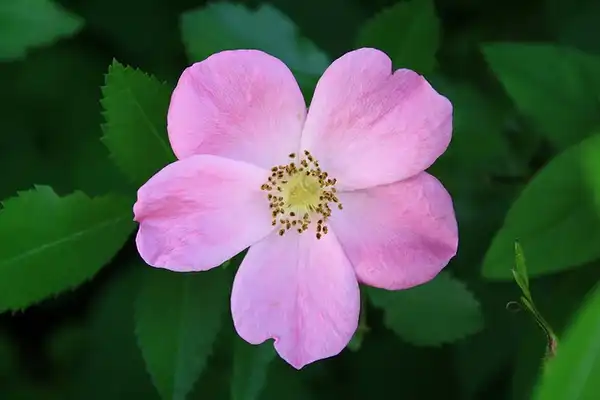
• Photo of Rosa virginiana (Rosa virginianas)

Plant Profile: Rosa virginiana

Taxonomy: Rosa virginiana

Names

Common Wild Rose, Prairie Rose, Virginia Rose

  • Photo of Rosa virginiana (Rosa virginianas)

Phonetic Spelling:ROH-sah ver-jin-ee-AY-nah

Genus:Rosa

Species:virginiana

Family:Rosaceae

Virginia Rose is a deciduous shrub belonging to the rose family, indigenous to eastern North America, typically reaching heights of 4 to 6 feet. It stands out as the premier choice among native roses for garden cultivation. From June to August, it showcases lovely pink flowers, while its stems are adorned with numerous hooked thorns. This plant thrives in full sunlight, is straightforward to transplant, and favors well-drained, acidic soils, though it demonstrates adaptability to various conditions. Additionally, it exhibits tolerance to salt and pruning. Its fall foliage is particularly striking.

Opt for this native rose over non-native varieties to support local wildlife, offering nourishment through its flowers and rose hips, while enhancing the beauty of your landscape.

Possible issues include black spot, powdery mildew, aphids, thrips, and mites. By ensuring the plant receives proper care, these problems can be kept to a minimum.

Rosa virginiana Feature Summary

Rosa virginiana Image Gallery

Tags

#deciduous
#fall color
#wildlife plant
#pink flowers
#native perennial
#deciduous shrub
#fall interest
#cpp
#edible fruits
#bird friendly

Similar Plants

Rosa virginiana Feature Summary

Attributes
Attracts birds, bees, butterflies, hummingbirds and other critters. Rose hips are edible.
Rose hips can be used to make jellies and jams.
Perennial
Woody
Edible fruit
Wildlife Food Source
Attracts Pollinators
Easy to Grow
Fruit
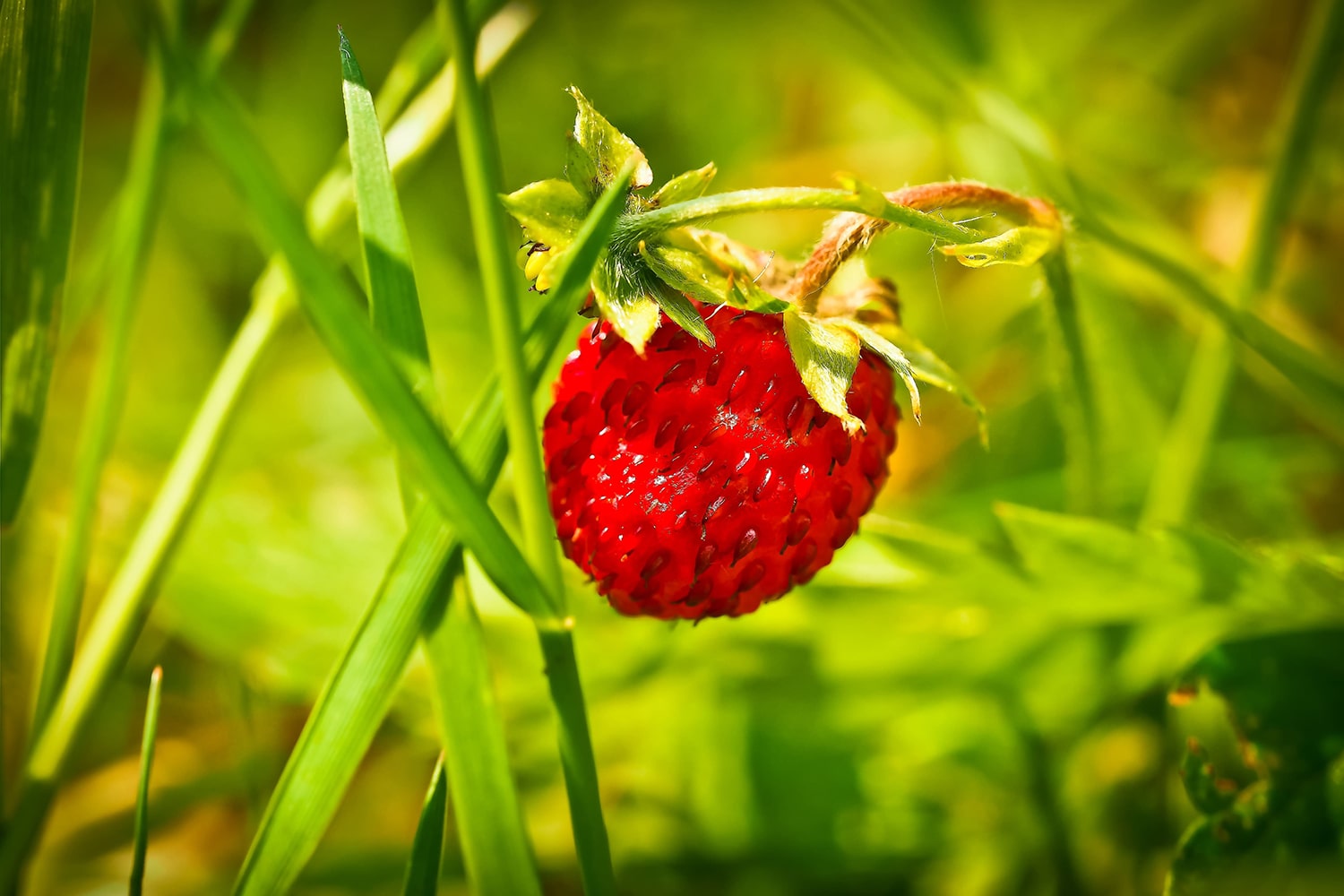
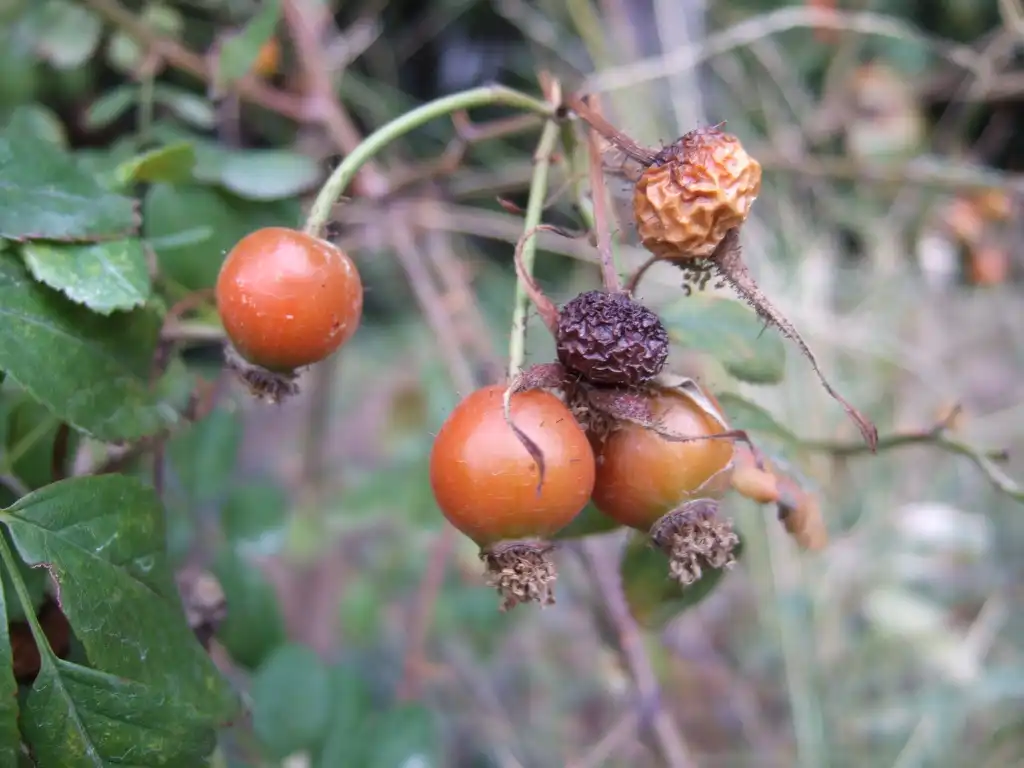
Edible shiny scarlet hips that persist into winter
Red/Burgundy
1-3 inches
Flowers
2-2.5 in. single pale pink flowers in summer, usually June-July or into Aug.
Pink
Gold/Yellow
Cup
Saucer
1-3 inches
Leaves
Pinnate compound leaves with 7-9 glossy green leaflets 1" to 2.5" long. Purple to red-orange to yellow fall foliage.
Green
Gold/Yellow
Orange
Purple/Lavender
Compound (Pinnately , Bipinnately, Palmately)
Stem
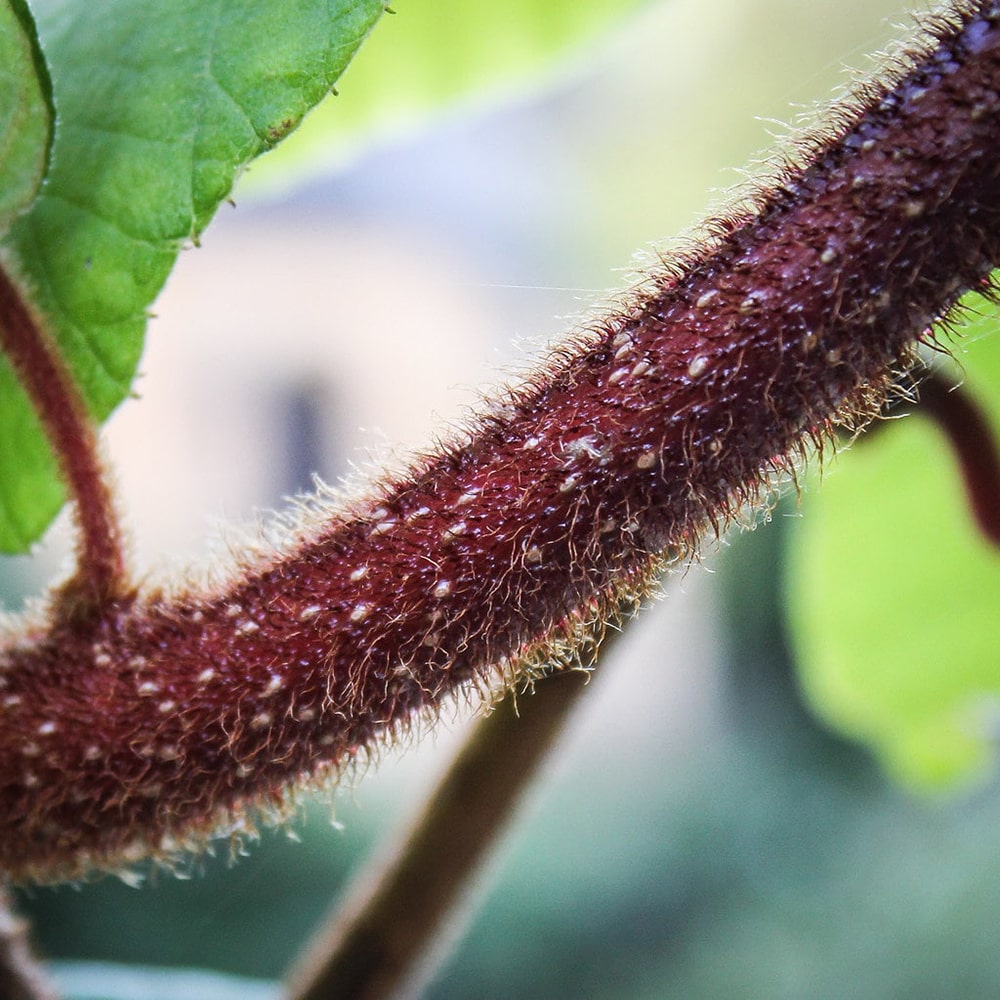
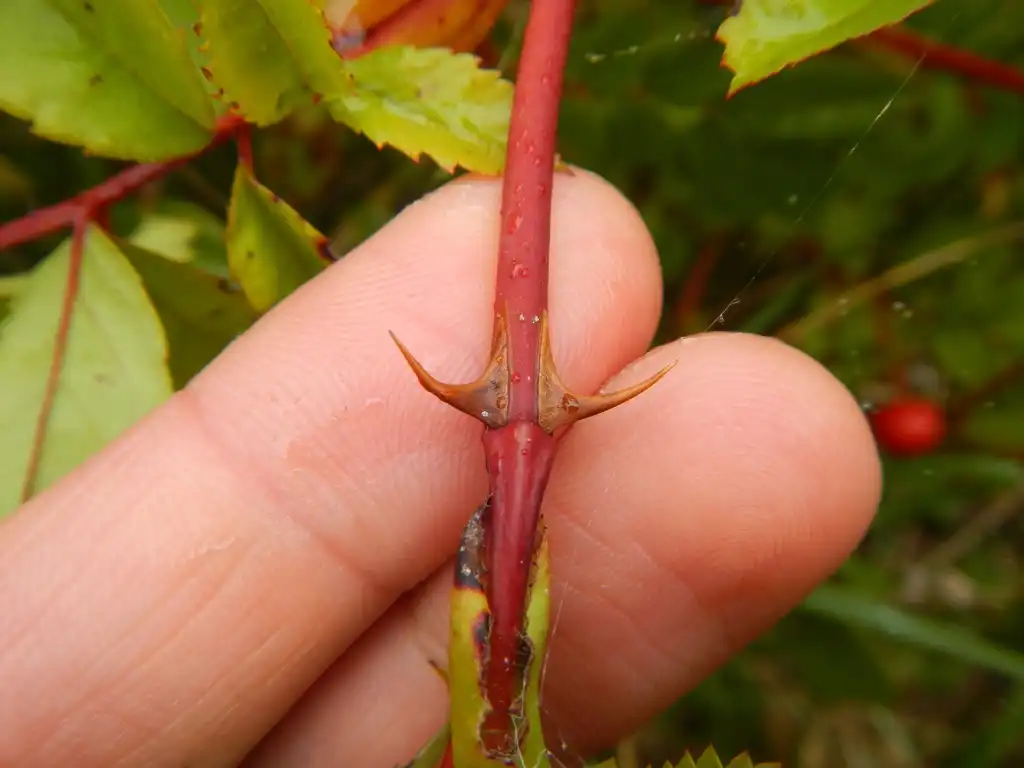
Reddish canes with curved prickles
Green
Red/Burgundy
Whole Plant Traits
Cultural Conditions
Full sun (6 or more hours of direct sunlight a day)
Partial Shade (Direct sunlight only part of the day, 2-6 hours)
Acid (<6.0)
Neutral (6.0-8.0)
Good Drainage
Coastal
Mountains
Piedmont
4a
4b
5b
5a
6a
6b
7a
7b
8b
8a
3a
3b
Loam (Silt)
Sand
Landscape

Rosa virginiana Attributes

Rosa virginiana: Wildlife Value

Attracts birds, bees, butterflies, hummingbirds and other critters. Rose hips are edible.
Rosa virginiana: Edibility

Rose hips can be used to make jellies and jams.

Rosa virginiana: Life Cycle

Annual
Biennial
Bulb
Perennial
Woody

Rosa virginiana: Recommended Propagation Strategy

Division
Grafting
Layering
Leaf Cutting
Root Cutting
Seed
Stem Cutting

Rosa virginiana: Play Value

Attractive Flowers
Attracts Pollinators
Buffer
Colorful
Defines Paths
Easy to Grow
Edible fruit
Fragrance
Pieces Used in Games
Screening
Shade
Sound
Textural
Wildlife Cover/Habitat
Wildlife Food Source
Wildlife Larval Host
Wildlife Nesting
Wind Break
Wind Shimmer

Rosa virginiana Fruit

Rosa virginiana: Fruit Description

Edible shiny scarlet hips that persist into winter

Rosa virginiana: Fruit Color

grass
Red/Burgundy

Rosa virginiana: Fruit Value To Gardener

Edible
Fragrant
Good Cut
Good Dried
Long Bloom Season
Long-lasting
Showy

Rosa virginiana: Display/Harvest Time

Fall
Spring
Summer
Winter

Rosa virginiana: Fruit Length

< 1 inch
1-3 inches
> 3 inches

Rosa virginiana Flowers

Rosa virginiana: Flower Description

2-2.5 in. single pale pink flowers in summer, usually June-July or into Aug.

Rosa virginiana: Flower Color

filter_vintage
Gold/Yellow
filter_vintage
Pink

Rosa virginiana: Flower Bloom Time

Winter
Spring
Summer
Fall

Rosa virginiana: Flower Shape

Bell
Cross
Crown
Cup
Dome
Funnel
Irregular
Lipped
Radial
Saucer
Star
Trumpet
Tubular
Urn
Wheel

Rosa virginiana: Flower Size

1-3 inches
3-6 inches
< 1 inch
> 6 inches

Rosa virginiana Leaves

Rosa virginiana: Leaf Description

Pinnate compound leaves with 7-9 glossy green leaflets 1" to 2.5" long. Purple to red-orange to yellow fall foliage.

Rosa virginiana: Woody Plant Leaf Characteristics

Broadleaf Evergreen
Deciduous
Needled Evergreen
Semi-evergreen

Rosa virginiana: Leaf Color

spa
Gold/Yellow
spa
Green
spa
Orange
spa
Purple/Lavender

Rosa virginiana: Leaf Type

Compound (Pinnately , Bipinnately, Palmately)
Fronds
Needles
Sheath
Simple

Rosa virginiana: Leaf Margin

Crenate
Crenulate
Dentate
Denticulate
Doubly Crenate
Doubly Dentate
Doubly Serrate
Entire
Lobed
Serrate
Sinuate
Undulate

Rosa virginiana: Hairs Present

No
Yes

Rosa virginiana: Leaf Feel

Fleshy
Glossy
Leathery

Papery
Prickly
Rough
Rubbery
Slippery
Smooth
Soft
Velvety
Waxy

Rosa virginiana Stem

Rosa virginiana: Stem Description

Reddish canes with curved prickles

Rosa virginiana: Stem Color

grass
Green
grass
Red/Burgundy

Rosa virginiana: Stem Is Aromatic

No
Yes

Rosa virginiana Whole Plant Traits

Rosa virginiana: Plant Type

Annual
Bulb
Carnivorous
Edible
Epiphyte
Fern
Ground Cover
Herb
Herbaceous Perennial
Houseplant
Mushroom
Native Plant
Ornamental Grasses and Sedges
Perennial
Poisonous
Rose
Shrub
Succulent
Tree
Turfgrass
Vegetable
Vine
Water Plant
Weed
Wildflower

Rosa virginiana: Woody Plant Leaf Characteristics

Broadleaf Evergreen
Deciduous
Needled Evergreen
Semi-evergreen

Rosa virginiana: Growth Rate

Slow
Medium
Rapid

Rosa virginiana: Maintenance

Low
Medium
High

Rosa virginiana: Texture

Fine
Medium
Coarse

Rosa virginiana Cultural Conditions

Rosa virginiana: Light

Dappled Sunlight (Shade through upper canopy all day)
Deep shade (Less than 2 hours to no direct sunlight)
Full sun (6 or more hours of direct sunlight a day)
Partial Shade (Direct sunlight only part of the day, 2-6 hours)

Rosa virginiana: Soil pH

Acid (<6.0)
Alkaline (>8.0)
Neutral (6.0-8.0)

Rosa virginiana: Soil Drainage

Frequent Standing Water
Good Drainage
Moist
Occasional Flooding
Occasionally Dry
Occasionally Wet
Very Dry

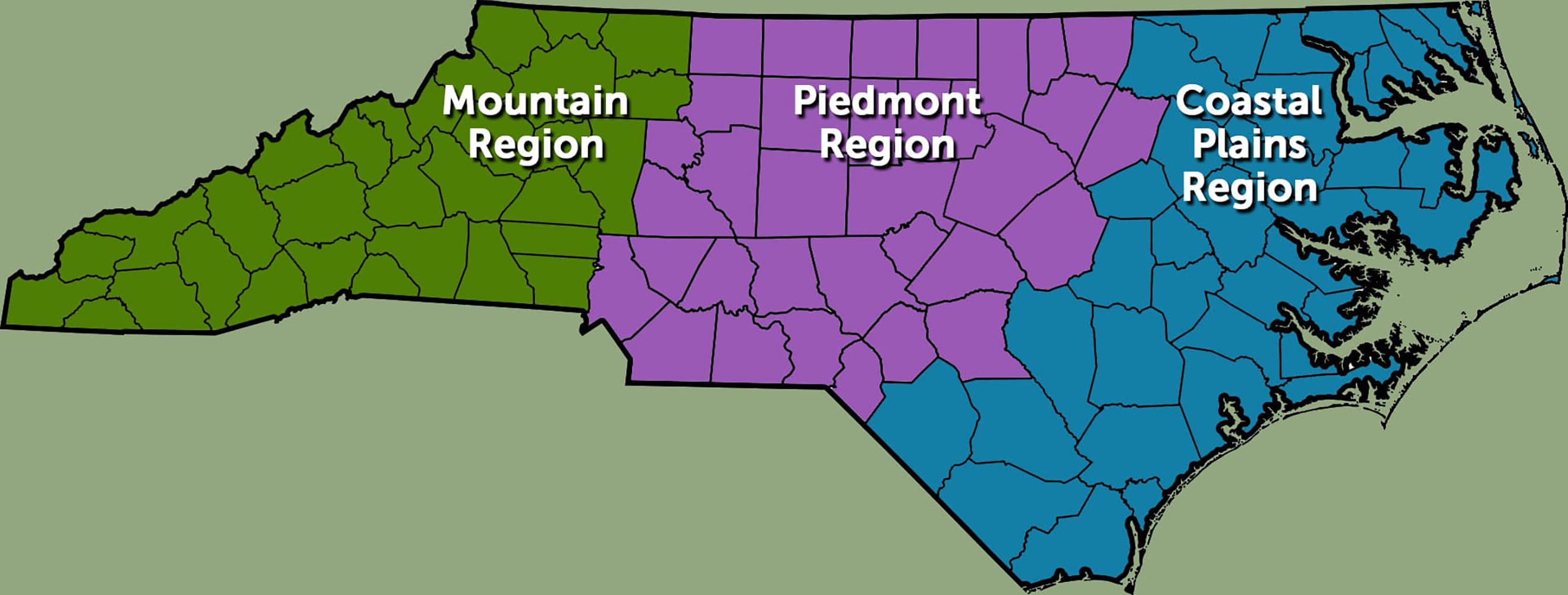
Rosa virginiana: NC Region

Coastal
Mountains
Piedmont

Rosa virginiana: USDA Plant Hardiness Zone

thermostat
3a
thermostat
3b
thermostat
4a
thermostat
4b
thermostat
5a
thermostat
5b
thermostat
6a
thermostat
6b
thermostat
7a
thermostat
7b
thermostat
8a
thermostat
8b

Rosa virginiana: Soil Texture

Clay
High Organic Matter
Loam (Silt)
Sand
Shallow Rocky

Rosa virginiana Landscape

Rosa virginiana: Resistance To Challenges

Black Walnut
Compaction
Deer
Diseases
Drought
Dry Soil
Erosion
Fire
Foot Traffic
Heat
Heavy Shade
Humidity
Insect Pests
Pollution
Poor Soil
Rabbits
Salt
Slugs
Squirrels
Storm damage
Urban Conditions
Voles
Wet Soil
Wind

Rosa virginiana: Landscape Location

Coastal
Container
Hanging Baskets
Houseplants
Lawn
Meadow
Naturalized Area
Near Septic
Patio
Pond
Pool/Hardscape
Recreational Play Area
Riparian
Rock Wall
Slope/Bank
Small Space
Vertical Spaces
Walkways
Woodland

Rosa virginiana: Attracts

Bats
Bees
Butterflies
Frogs
Hummingbirds
Moths
Pollinators
Predatory Insects
Reptiles
Small Mammals
Songbirds
Specialized Bees

Rosa virginiana: Problems

Allelopathic
Contact Dermatitis
Frequent Disease Problems
Frequent Insect Problems
Invasive Species
Malodorous
Messy
Poisonous to Humans
Problem for Cats
Problem for Children
Problem for Dogs
Problem for Horses
Short-lived
Spines/Thorns
Weak Wood
Weedy