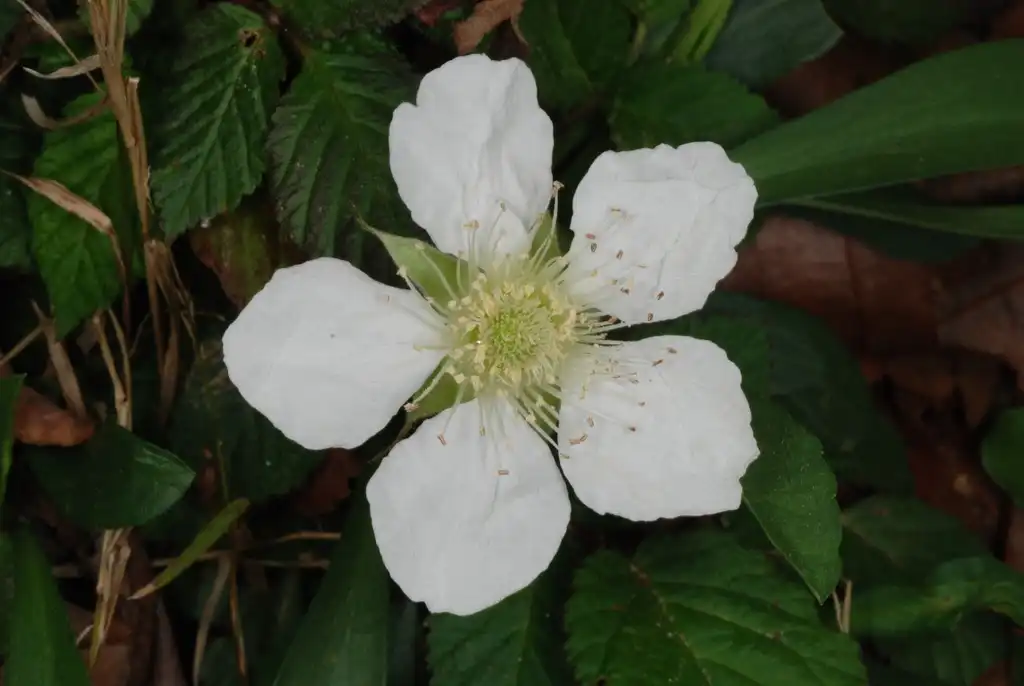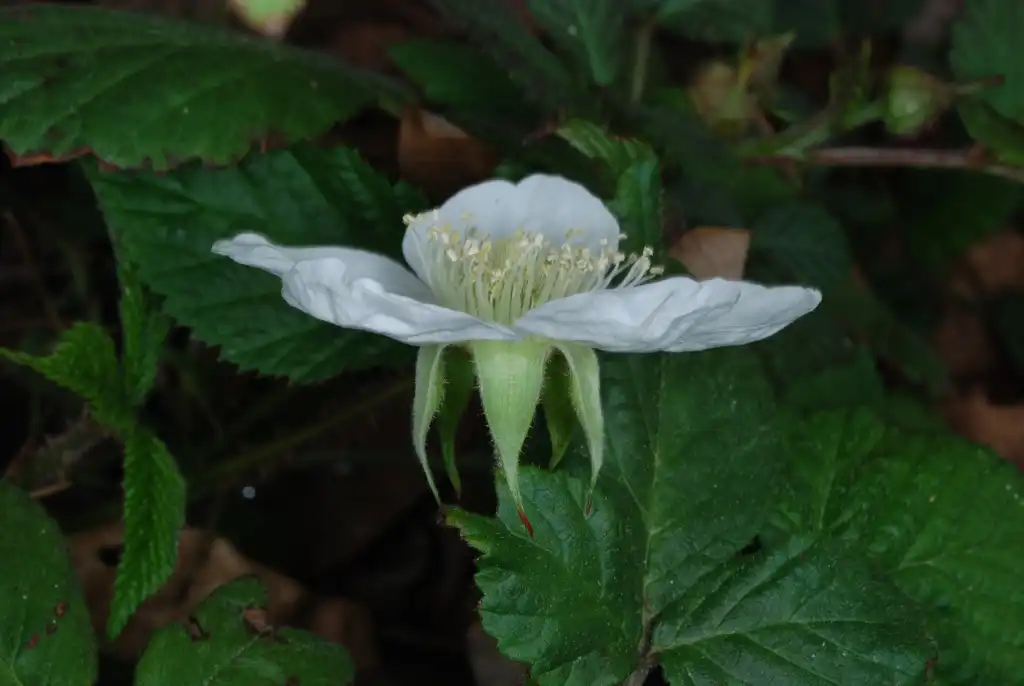
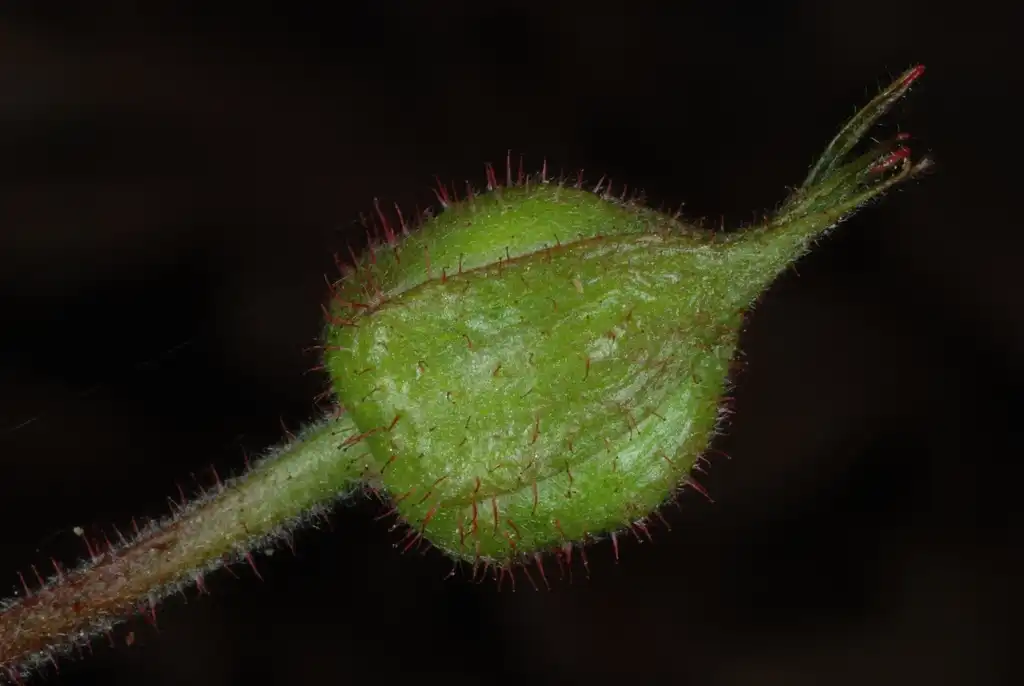
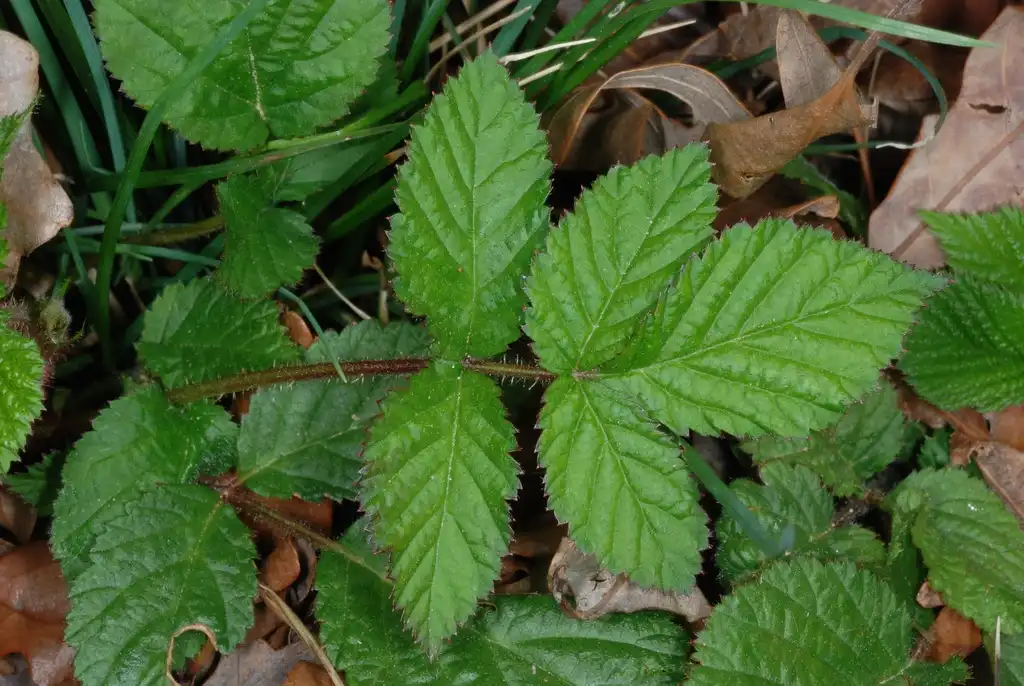
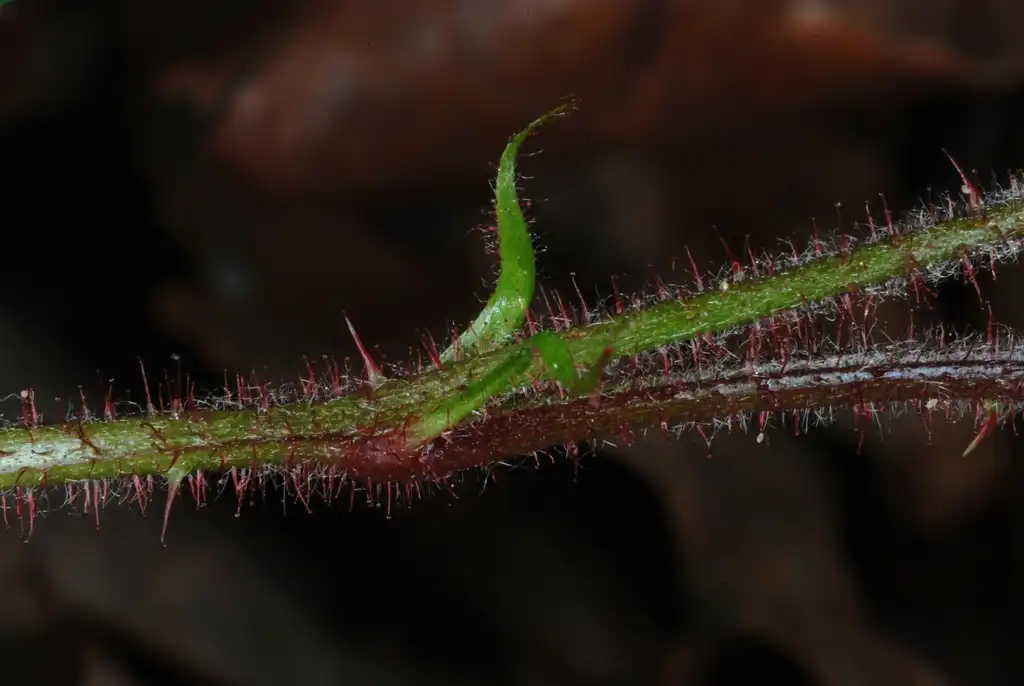
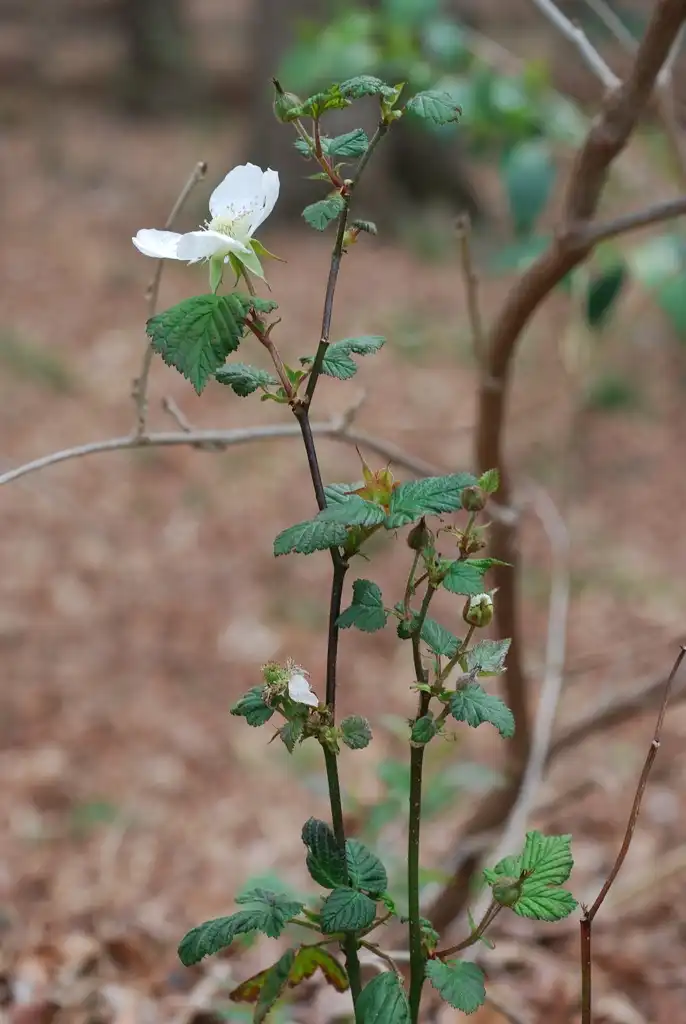
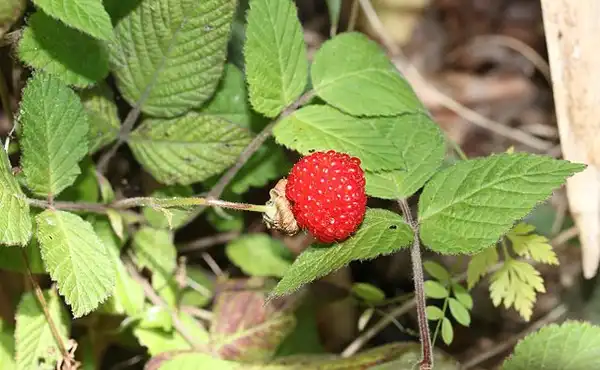
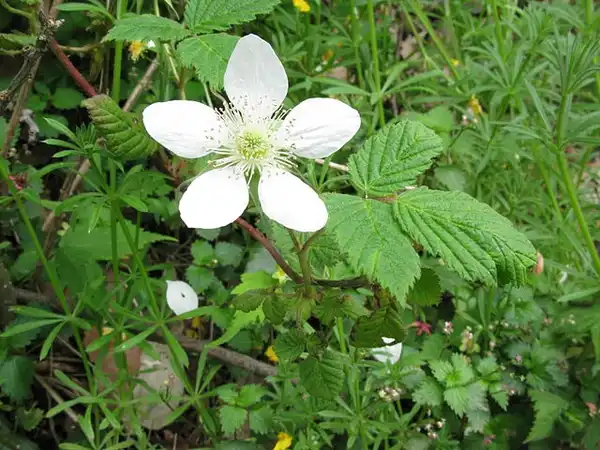
• Photo of Rubus hirsutus (Rubus hirsutuss)

Plant Profile: Rubus hirsutus

Names

Blackberry, Dewberry, Hirsute Raspberry

  • Photo of Rubus hirsutus (Rubus hirsutuss)

Phonetic Spelling:ROO-bus her-SOO-tus

Genus:Rubus

Species:hirsutus

Family:Rosaceae

The Genus Rubus encompasses a variety of plants, including blackberries, dewberries, and raspberries. Most species within this genus are characterized by their thorny or bristly stems and compound leaves. Notably, flowers and fruits typically develop on the previous year's canes rather than on new growth, which necessitates careful pruning to avoid removing the canes that will produce berries in the following season. There are variations among the species; for instance, some grow as upright or arching shrubs reaching heights of up to 8 feet, while others spread along the ground like vines. Dewberries tend to bear fruit in the spring, whereas blackberries and raspberries produce their fruit in the summer. Overall, the Genus Rubus includes some of the most vital plants for wildlife in the southeastern United States.

Rubus hirsutus, commonly known as the Hirsute raspberry, is a deciduous perennial shrub that can grow between 6 and 7 feet tall. It is typically found in thickets, on slopes, and in disturbed areas. This plant thrives in well-drained soil and can flourish in full sun or partial shade. Propagation can be achieved through division in the spring. In June, it produces white flowers that contain both male and female reproductive parts, and the seeds mature into edible berries from July to August. Rubus hirsutus is adaptable to various soil types, including sandy, loamy, and clay soils.

Regarding plant health, species within this genus are particularly vulnerable to honey fungus.

Rubus hirsutus Feature Summary

Rubus hirsutus Image Gallery

Tags

#perennial
#shrub
#wildlife plant
#nectar plant
#edible fruits
#nectar plant late spring
#nectar plant early summer
#nectar plant mid-spring
#pollinator garden

Similar Plants

Rubus hirsutus Feature Summary

Attributes
East Asia, Japan, China, Korea
This plant provides nectar for pollinators.
Fruit is eaten raw or cooked and used in pies, preserves, syrups etc.
Perennial
Seed
Stem Cutting
Division
Fruit
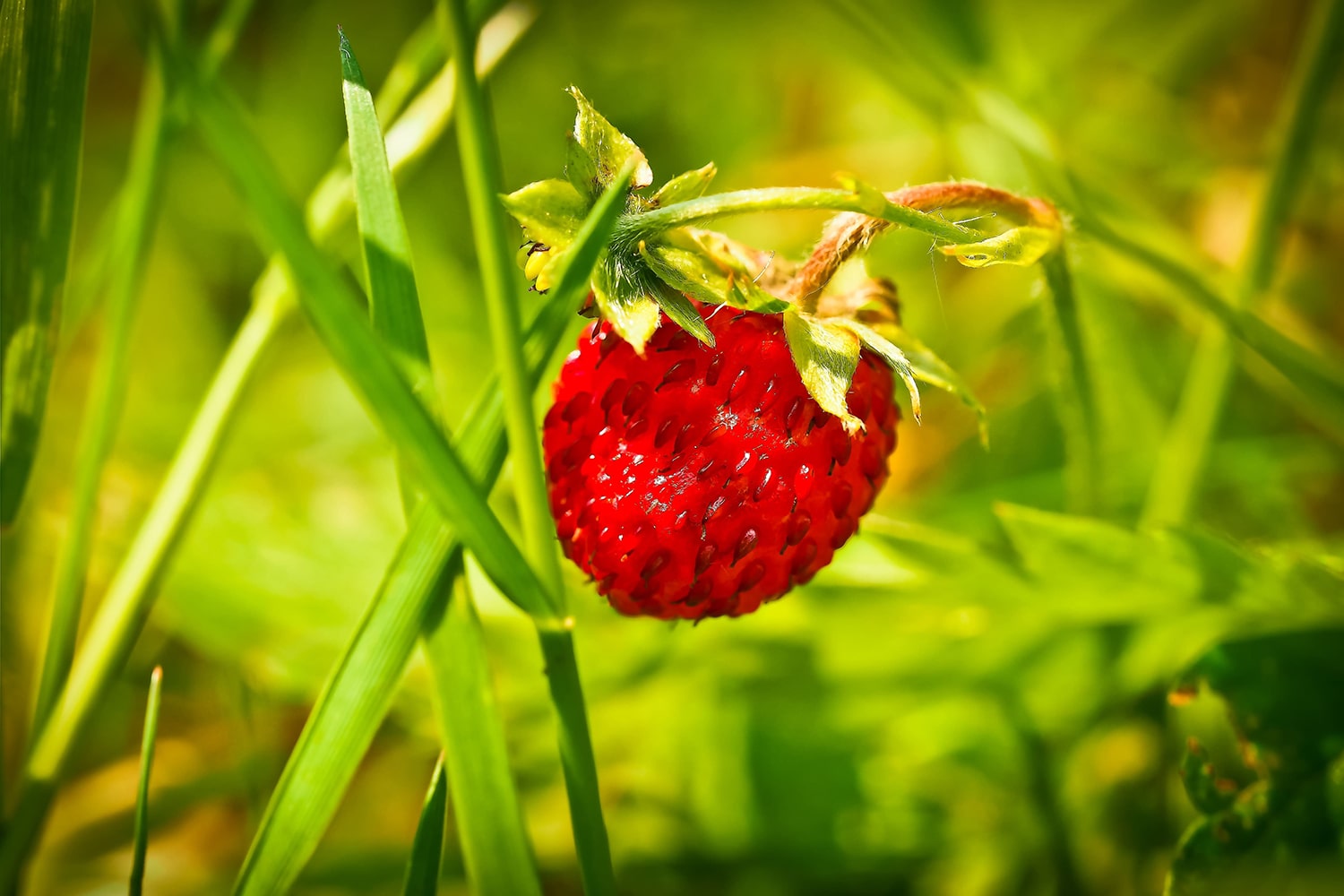
Seeds ripen in July and August. Fruit can be eaten raw or cooked and used in pies and preserves. The fruit varies in size from 1/3 to 3/4 of an inch in diameter.
Aggregate
Drupe
Flowers
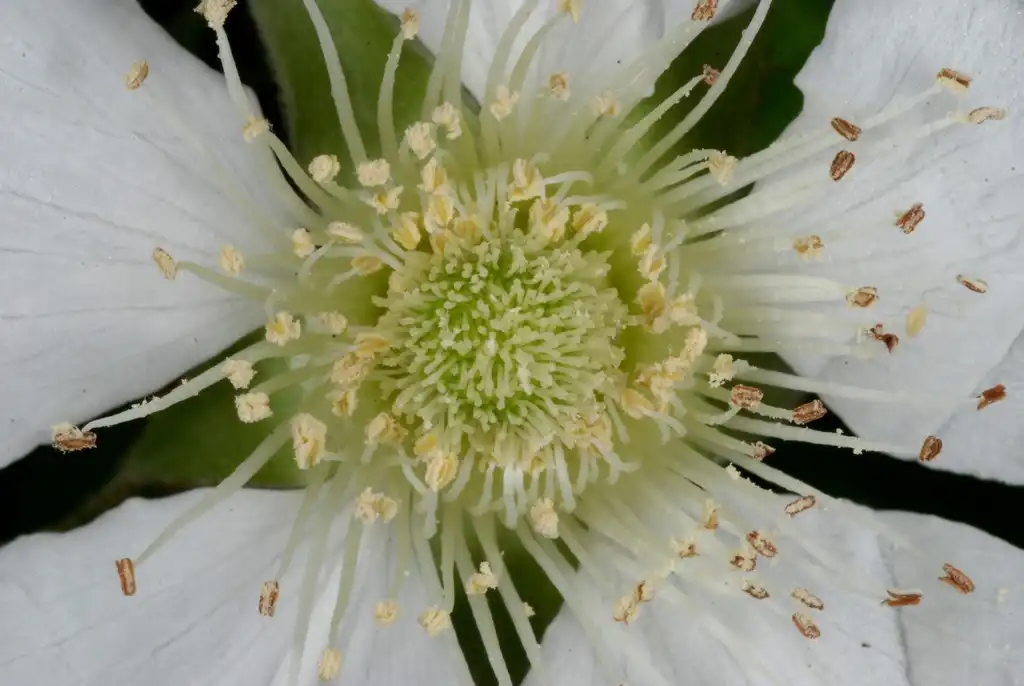
Blossoms appear in April to July. Flowers 1 to 2 inches in diameter.
Spring
Summer
Bracts
Colored Sepals
1-3 inches
Leaves
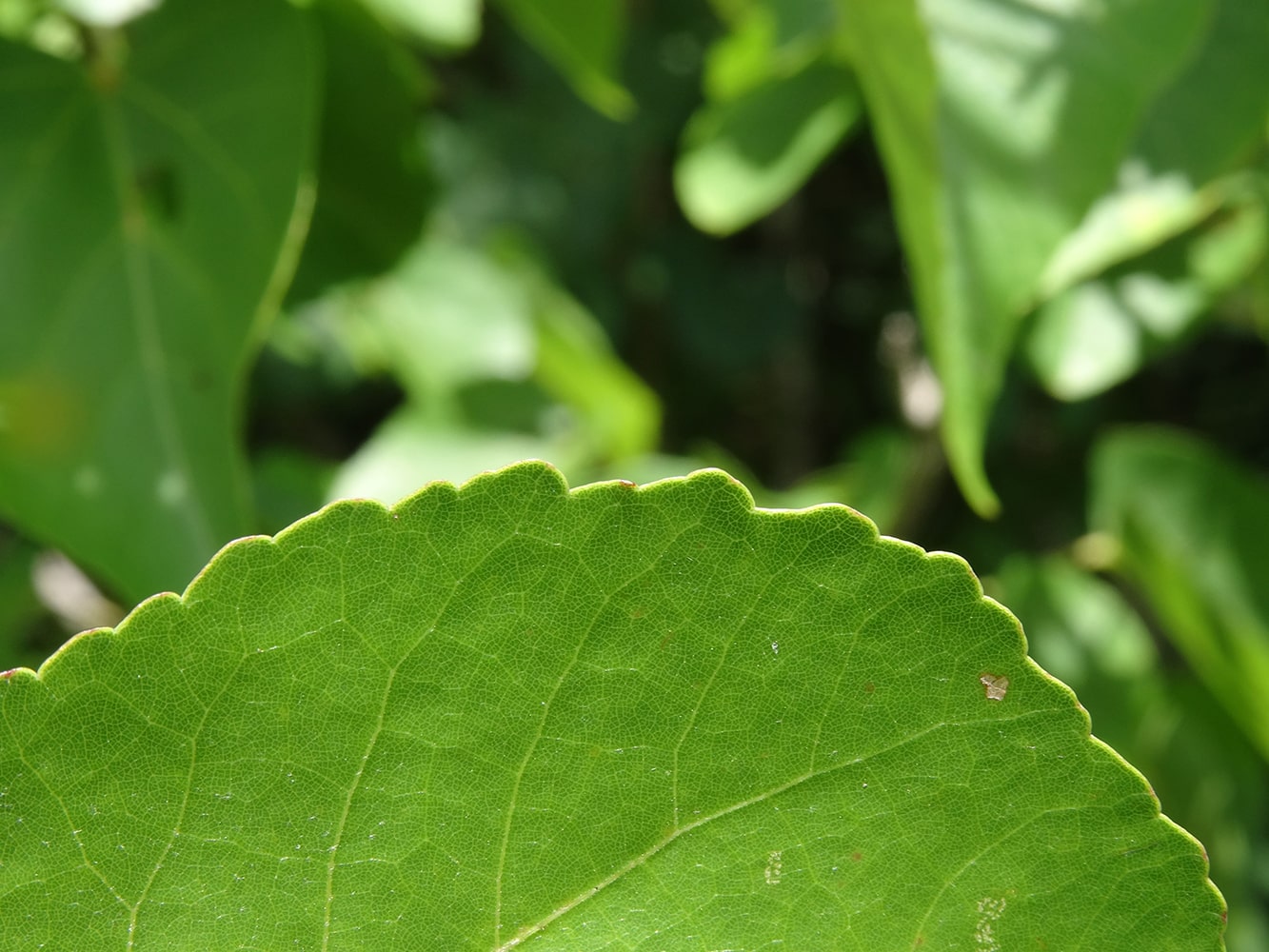
Stalked glands and sparse prickles. Stipules lanceolate or ovate-lanceolate, both surfaces pubescent, margin entire. Blade of 3 to 7 leaflets ovate or broadly ovate, 1 1/2 inches. both surfaces sparsely soft hairy, base broadly cuneate to rounded, margin irregularly sharply doubly serrate.
Ovate
Lanceolate
Entire
Doubly Serrate
1-3 inches
Stem
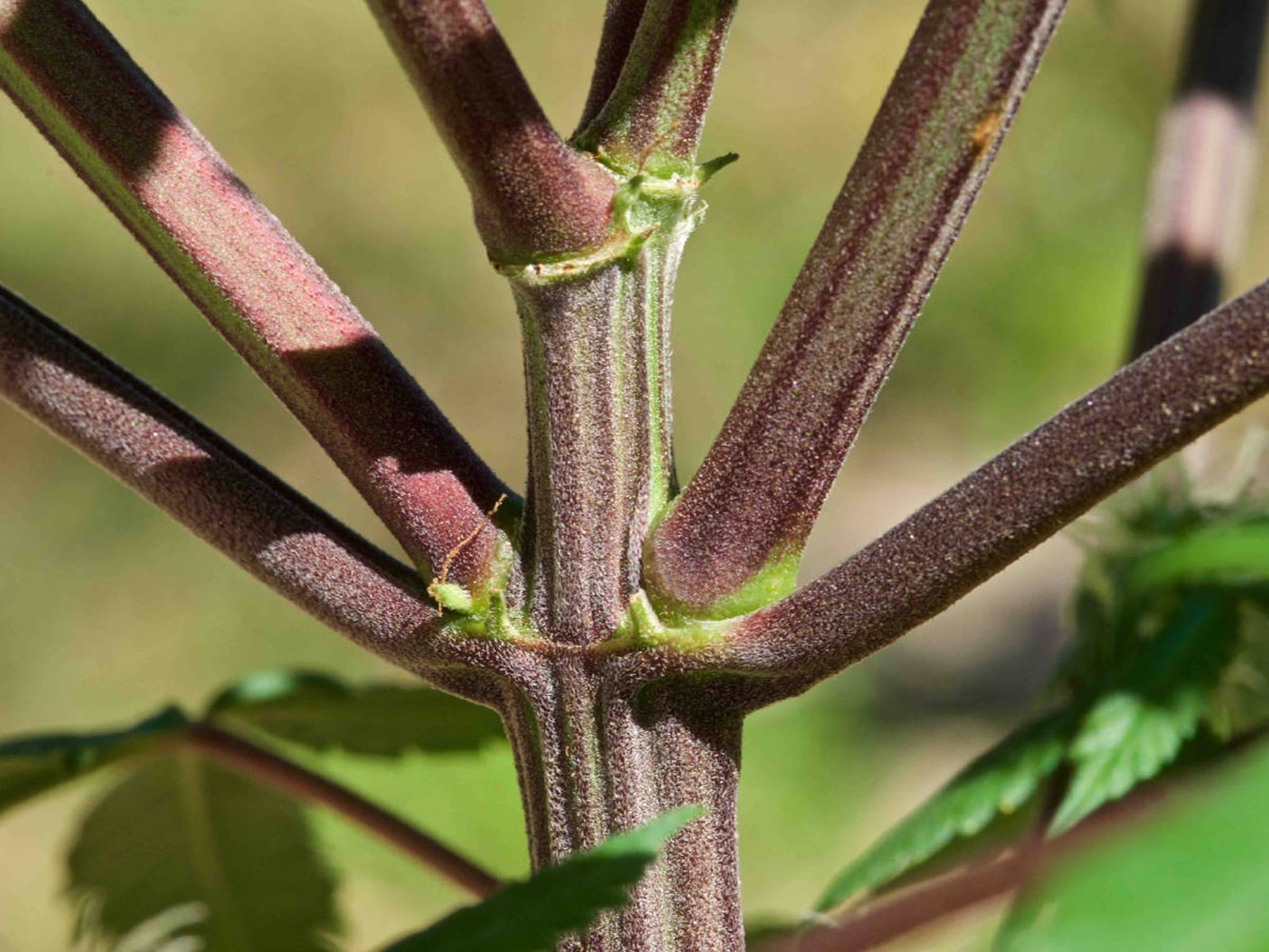
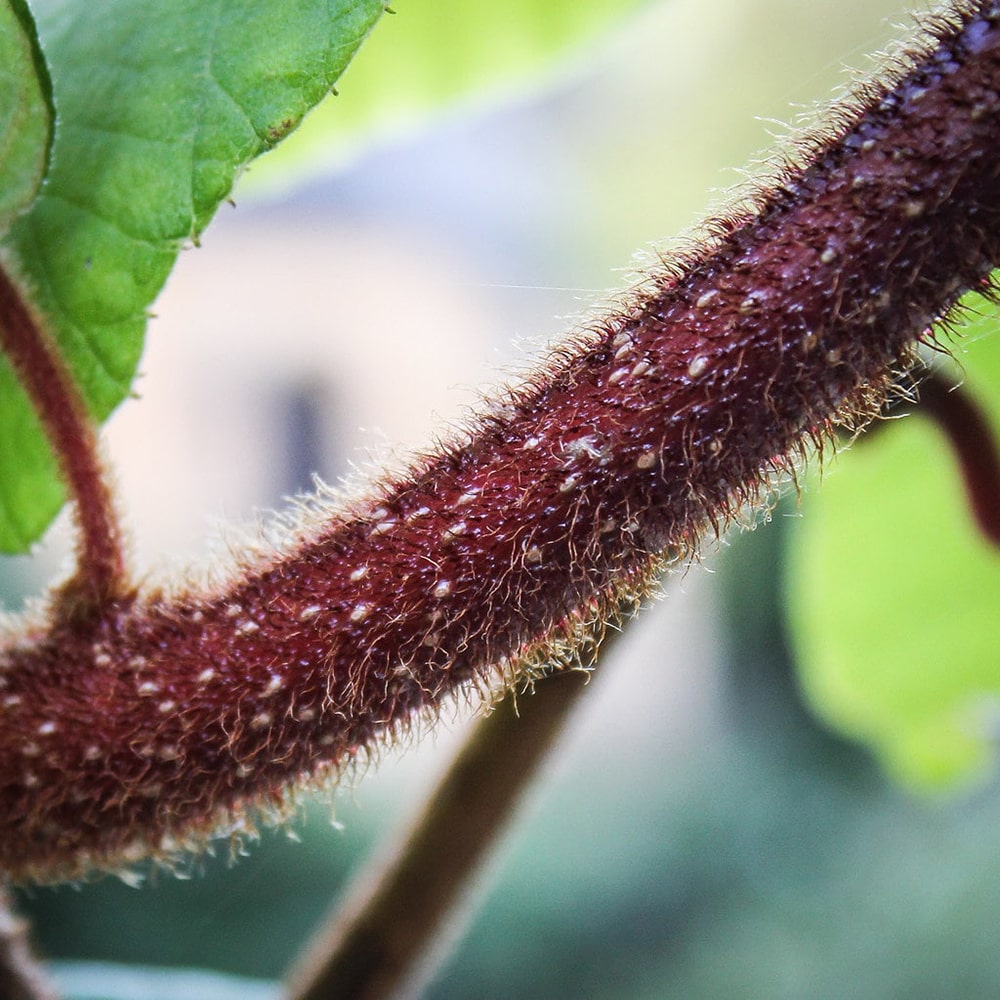
Branchlets reddish brown or brown, terete, with soft hairs, stalked glands, and sparse, curved prickles
Brown/Copper
Hairy (pubescent)
Whole Plant Traits
Cultural Conditions
Full sun (6 or more hours of direct sunlight a day)
Partial Shade (Direct sunlight only part of the day, 2-6 hours)
Dappled Sunlight (Shade through upper canopy all day)
Acid (<6.0)
Alkaline (>8.0)
Neutral (6.0-8.0)
Good Drainage
Clay
Loam (Silt)
Shallow Rocky
Landscape
Edible Garden
Pollinator Garden
Pollinators

Rubus hirsutus Attributes

Rubus hirsutus: Country Or Region Of Origin

East Asia, Japan, China, Korea
Rubus hirsutus: Wildlife Value

This plant provides nectar for pollinators.

Rubus hirsutus: Edibility

Fruit is eaten raw or cooked and used in pies, preserves, syrups etc.

Rubus hirsutus: Life Cycle

Annual
Biennial
Bulb
Perennial
Woody

Rubus hirsutus: Recommended Propagation Strategy

Division
Grafting
Layering
Leaf Cutting
Root Cutting
Seed
Stem Cutting

Rubus hirsutus Fruit

Rubus hirsutus: Fruit Description

Seeds ripen in July and August. Fruit can be eaten raw or cooked and used in pies and preserves. The fruit varies in size from 1/3 to 3/4 of an inch in diameter.

Rubus hirsutus: Fruit Type

Achene
Aggregate
Berry
Capsule
Caryopsis
Drupe
Follicle
Legume
Nut
Pome
Samara
Schizocarp
Siliqua

Rubus hirsutus: Fruit Value To Gardener

Edible
Fragrant
Good Cut
Good Dried
Long Bloom Season
Long-lasting
Showy

Rubus hirsutus: Display/Harvest Time

Fall
Spring
Summer
Winter

Rubus hirsutus Flowers

Rubus hirsutus: Flower Description

Blossoms appear in April to July. Flowers 1 to 2 inches in diameter.

Rubus hirsutus: Flower Color

filter_vintage
White

Rubus hirsutus: Flower Bloom Time

Winter
Spring
Summer
Fall

Rubus hirsutus: Flower Petals

2-3 rays/petals
4-5 petals/rays
6 petals/rays
7 - 20 petals/rays
asymmetrical petals
Bracts
Colored Sepals
fused petals
more than 20 petals/rays
Tepals

Rubus hirsutus: Flower Size

1-3 inches
3-6 inches
< 1 inch
> 6 inches

Rubus hirsutus Leaves

Rubus hirsutus: Leaf Description

Stalked glands and sparse prickles. Stipules lanceolate or ovate-lanceolate, both surfaces pubescent, margin entire. Blade of 3 to 7 leaflets ovate or broadly ovate, 1 1/2 inches. both surfaces sparsely soft hairy, base broadly cuneate to rounded, margin irregularly sharply doubly serrate.

Rubus hirsutus: Woody Plant Leaf Characteristics

Broadleaf Evergreen
Deciduous
Needled Evergreen
Semi-evergreen

Rubus hirsutus: Leaf Color

spa
Green

Rubus hirsutus: Leaf Shape

Acicular
Auriculate
Cordate
Cuneate
Deltoid
Elliptical
Filiform
Lanceolate
Linear
Oblanceolate
Oblong
Obovate
Obtuse
Orbicular
Ovate
Palmasect
Palmatifid
Peltate
Pinnatifid
Pinnatisect
Reniform
Rhomboidal
Spatulate
Subcordate
Subulate

Rubus hirsutus: Leaf Margin

Crenate
Crenulate
Dentate
Denticulate
Doubly Crenate
Doubly Dentate
Doubly Serrate
Entire
Lobed
Serrate
Sinuate
Undulate

Rubus hirsutus: Hairs Present

No
Yes

Rubus hirsutus: Leaf Length

< 1 inch
1-3 inches
3-6 inches
> 6 inches

Rubus hirsutus Stem

Rubus hirsutus: Stem Description

Branchlets reddish brown or brown, terete, with soft hairs, stalked glands, and sparse, curved prickles

Rubus hirsutus: Stem Color

grass
Brown/Copper

Rubus hirsutus: Stem Is Aromatic

No
Yes

Rubus hirsutus: Stem Surface

Corky Ridges
Covered with a powdery bloom (glaucous)
Dull
Hairy (pubescent)
Polished
Smooth (glabrous)

Rubus hirsutus Whole Plant Traits

Rubus hirsutus: Plant Type

Annual
Bulb
Carnivorous
Edible
Epiphyte
Fern
Ground Cover
Herb
Herbaceous Perennial
Houseplant
Mushroom
Native Plant
Ornamental Grasses and Sedges
Perennial
Poisonous
Rose
Shrub
Succulent
Tree
Turfgrass
Vegetable
Vine
Water Plant
Weed
Wildflower

Rubus hirsutus: Woody Plant Leaf Characteristics

Broadleaf Evergreen
Deciduous
Needled Evergreen
Semi-evergreen

Rubus hirsutus Cultural Conditions

Rubus hirsutus: Light

Dappled Sunlight (Shade through upper canopy all day)
Deep shade (Less than 2 hours to no direct sunlight)
Full sun (6 or more hours of direct sunlight a day)
Partial Shade (Direct sunlight only part of the day, 2-6 hours)

Rubus hirsutus: Soil pH

Acid (<6.0)
Alkaline (>8.0)
Neutral (6.0-8.0)

Rubus hirsutus: Soil Drainage

Frequent Standing Water
Good Drainage
Moist
Occasional Flooding
Occasionally Dry
Occasionally Wet
Very Dry

Rubus hirsutus: Soil Texture

Clay
High Organic Matter
Loam (Silt)
Sand
Shallow Rocky

Rubus hirsutus Landscape

Rubus hirsutus: Landscape Theme

Asian Garden
Butterfly Garden
Children's Garden
Cottage Garden
Cutting Garden
Drought Tolerant Garden
Edible Garden
English Garden
Fairy Garden
Garden for the Blind
Native Garden
Nighttime Garden
Pollinator Garden
Rain Garden
Rock Garden
Shade Garden
Water Garden
Winter Garden

Rubus hirsutus: Design Feature

Accent
Barrier
Border
Flowering Tree
Foundation Planting
Hedge
Mass Planting
Screen/Privacy
Security
Shade Tree
Small groups
Small Tree
Specimen
Street Tree
Understory Tree

Rubus hirsutus: Landscape Location

Coastal
Container
Hanging Baskets
Houseplants
Lawn
Meadow
Naturalized Area
Near Septic
Patio
Pond
Pool/Hardscape
Recreational Play Area
Riparian
Rock Wall
Slope/Bank
Small Space
Vertical Spaces
Walkways
Woodland

Rubus hirsutus: Attracts

Bats
Bees
Butterflies
Frogs
Hummingbirds
Moths
Pollinators
Predatory Insects
Reptiles
Small Mammals
Songbirds
Specialized Bees