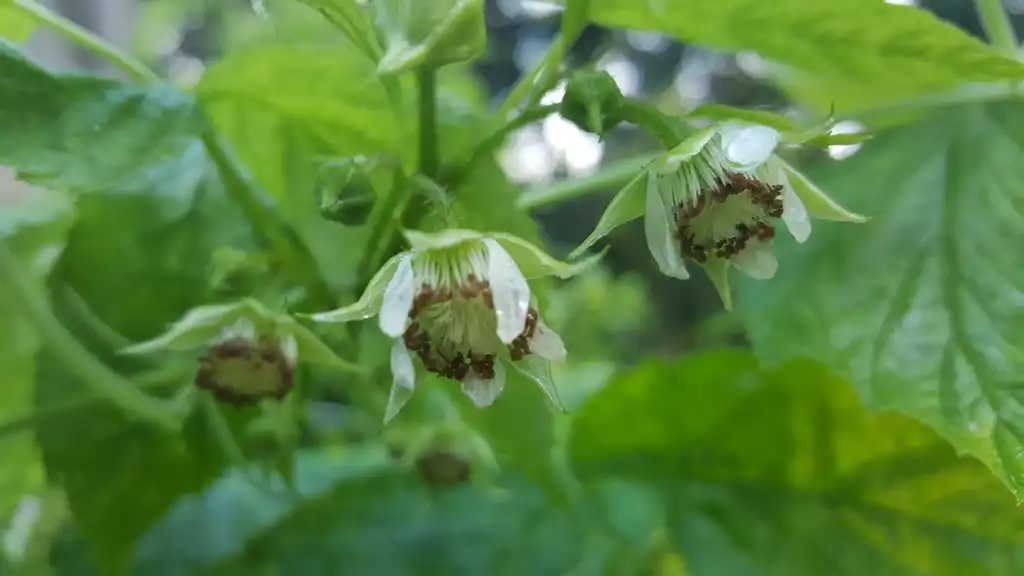
Rubus idaeus var. strigosus: Uses (Ethnobotany)
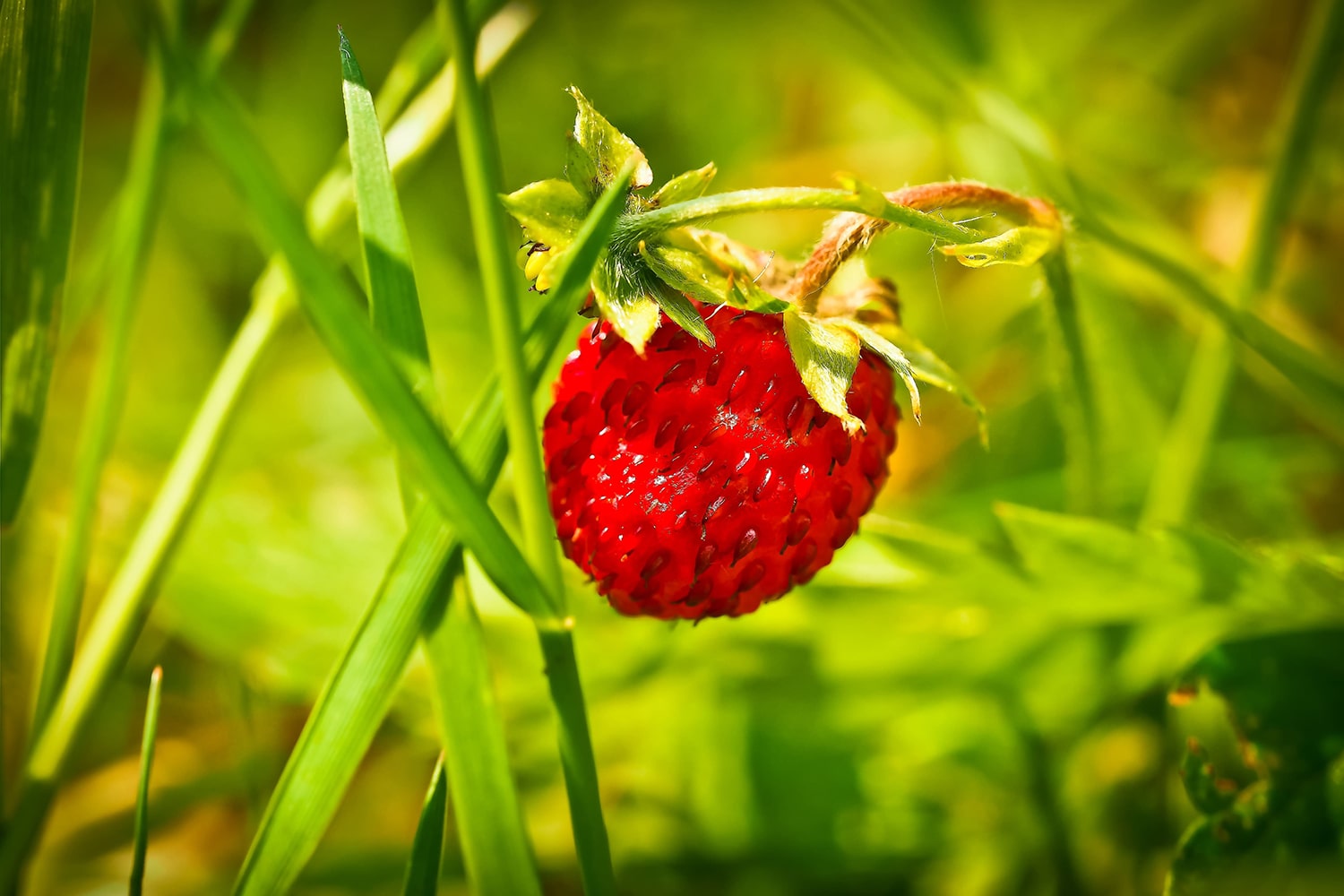
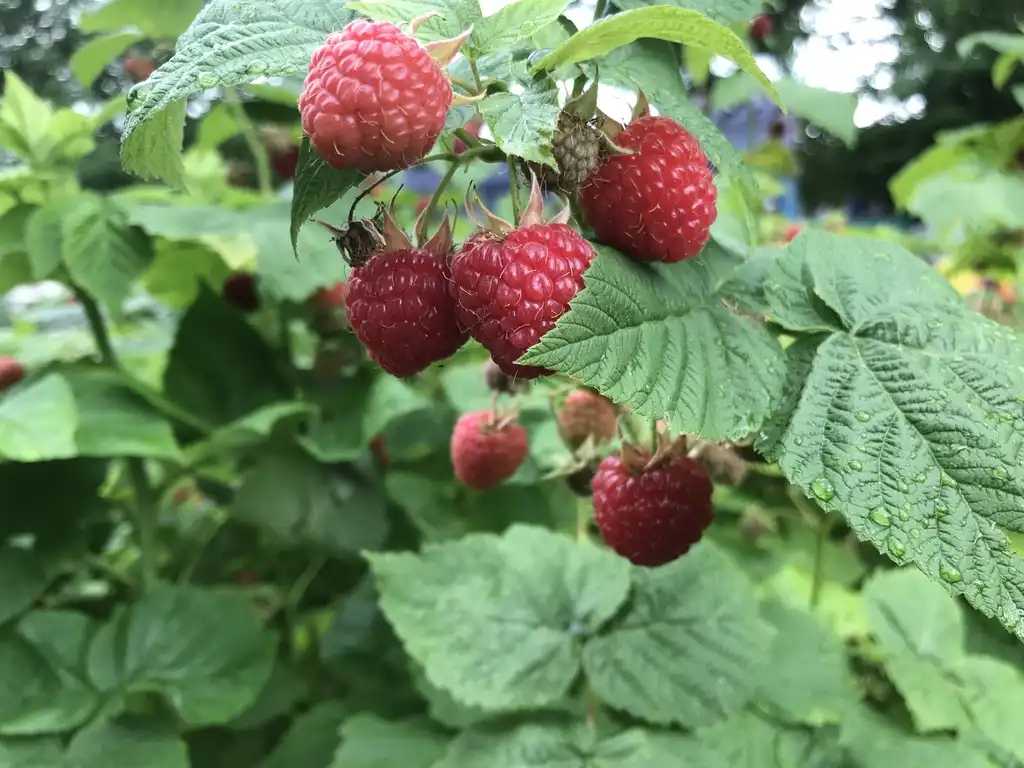
Fruit is highly edible fresh or frozen and often cooked into pies or as preserves.
Phonetic Spelling:ROO-bus eye-DAY-ee-us strig-OH-sus
Genus:Rubus
Species:idaeus
Family:Rosaceae
This genus comprises two primary varieties: Rubus idaeus var. idaeus, known as the European raspberry, which originates from Eurasia, and Rubus idaeus var. strigosus, or the American red raspberry, which is found across much of North America. These two cultivars, or their hybrids, are commonly cultivated for commercial raspberry production.
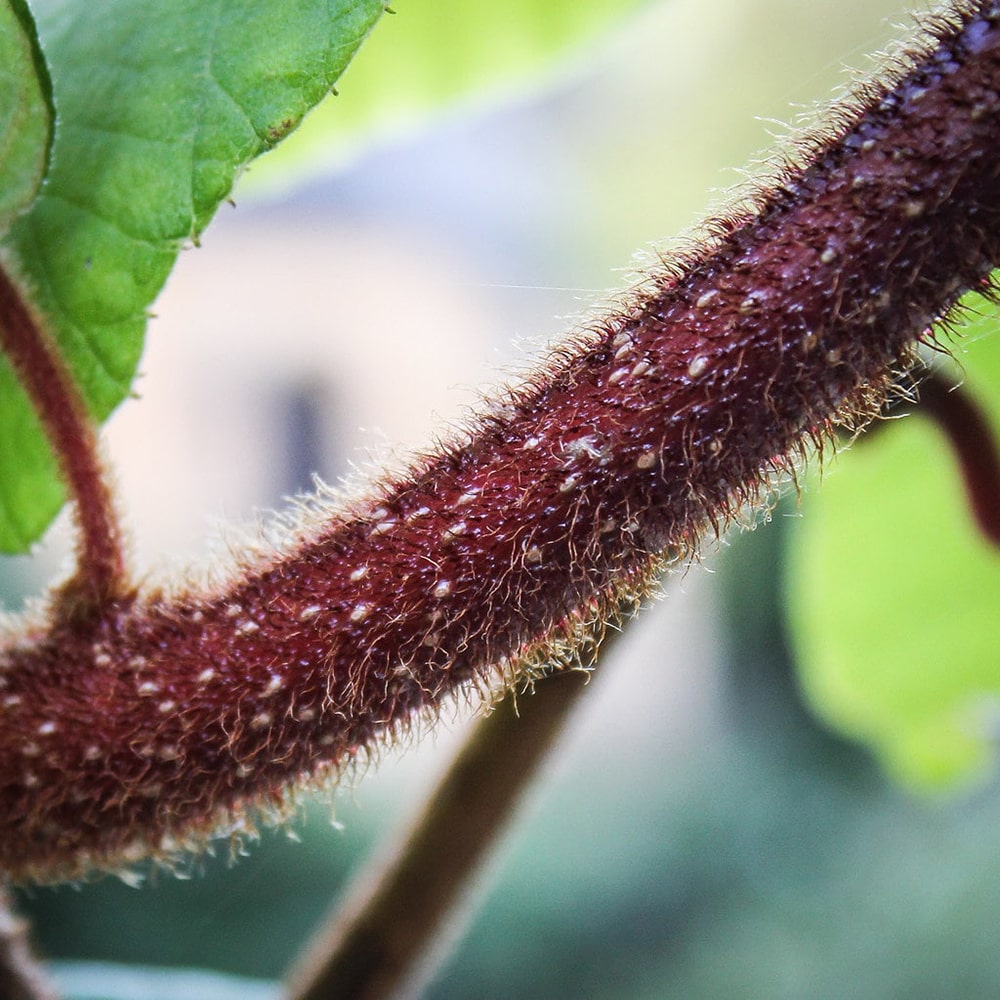
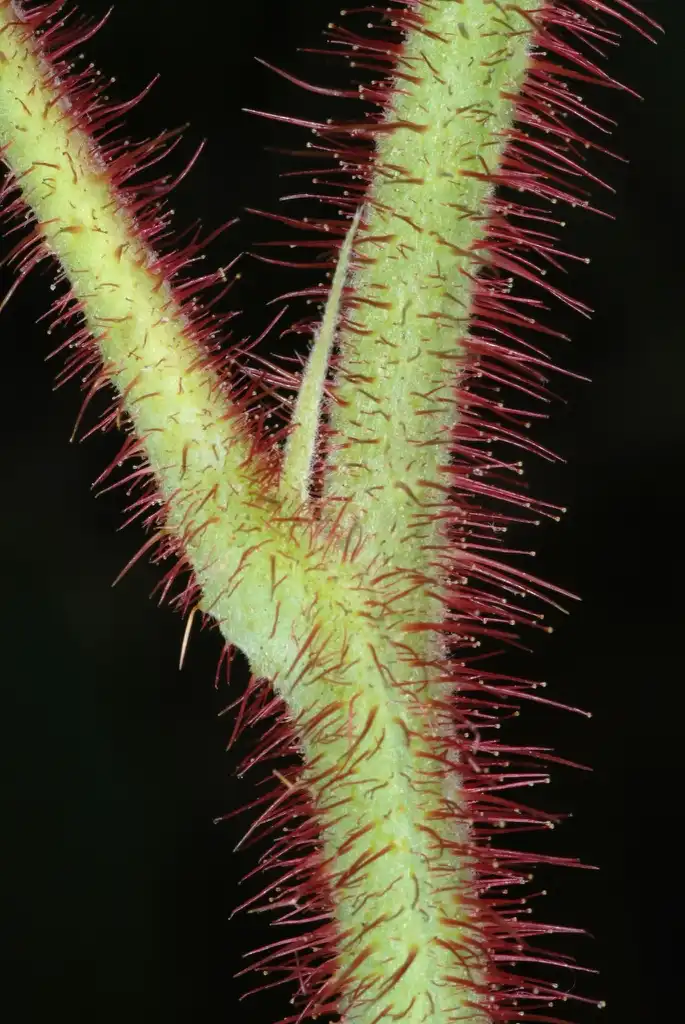
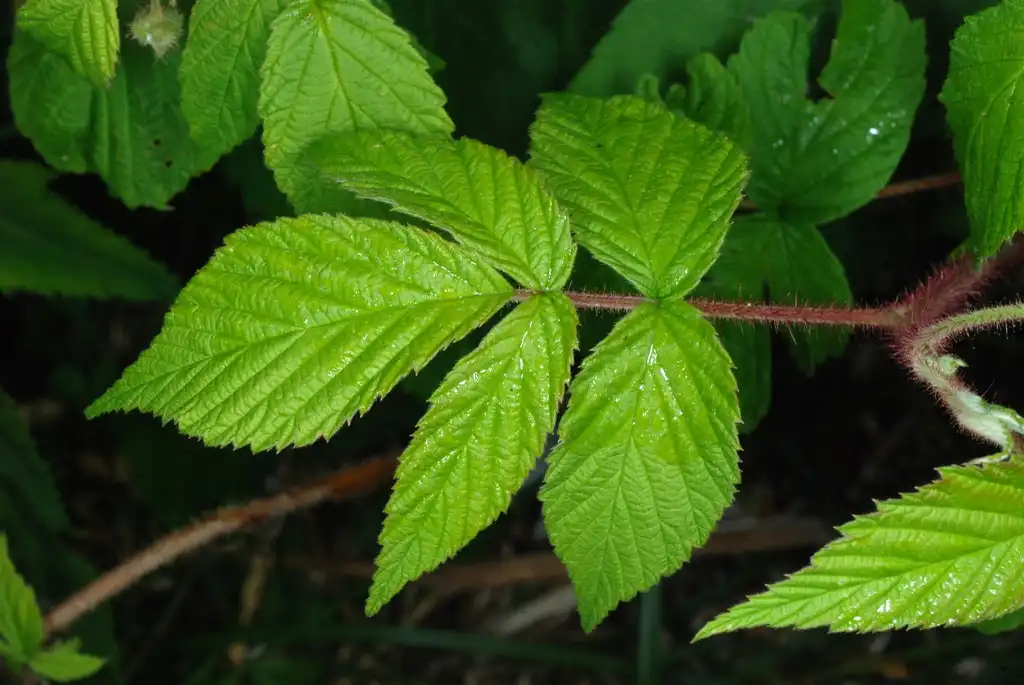
The Rubus genus encompasses blackberries, dewberries, and raspberries, with most species characterized by thorny or bristly stems and compound leaves. Notably, flowers and fruits develop on the previous year's canes rather than on new growth, necessitating careful pruning to avoid removing the canes that will produce berries in the following season. There are variations among species; some grow as upright or arching shrubs reaching heights of up to 8 feet, while others spread along the ground like vines. Dewberries typically bear fruit in the spring, whereas blackberries and raspberries yield their harvest in the summer. Overall, the Rubus genus includes some of the most vital plants for wildlife in the southeastern United States.
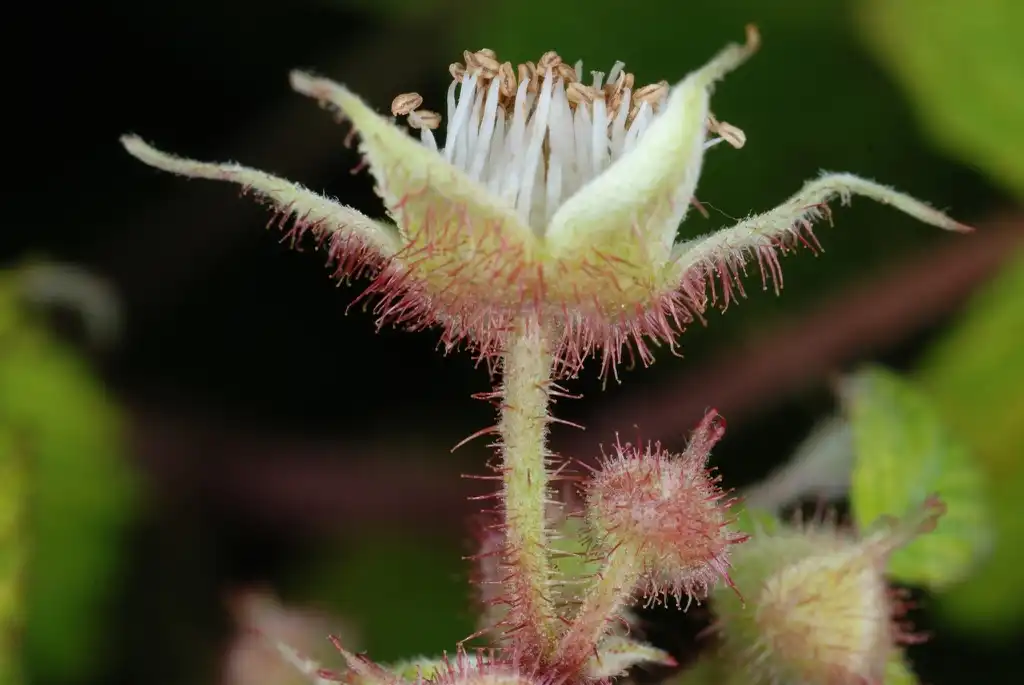
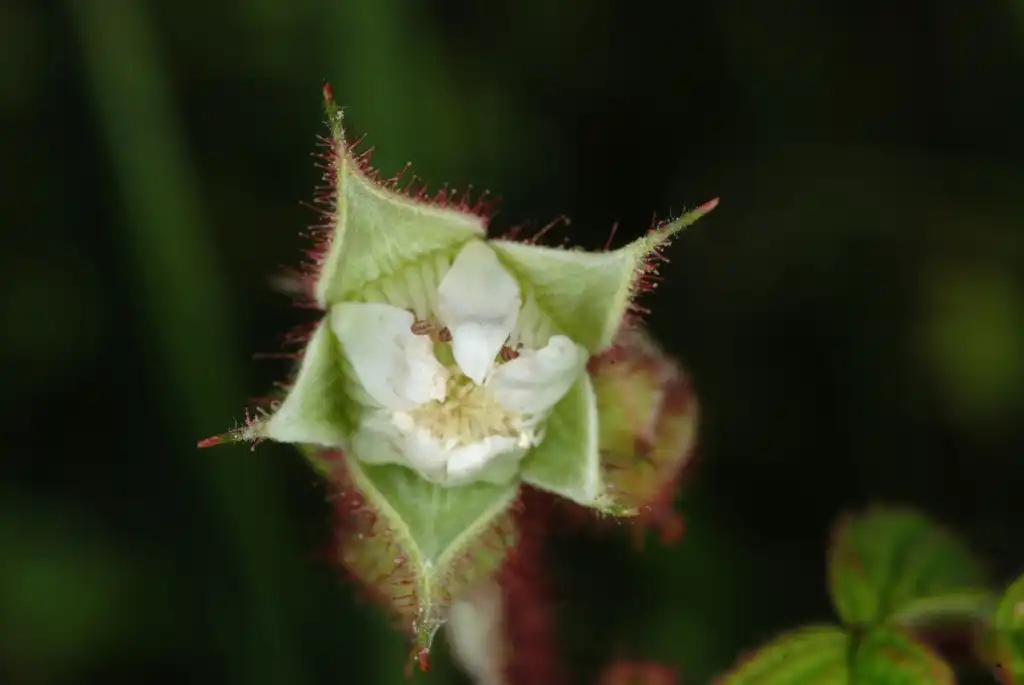
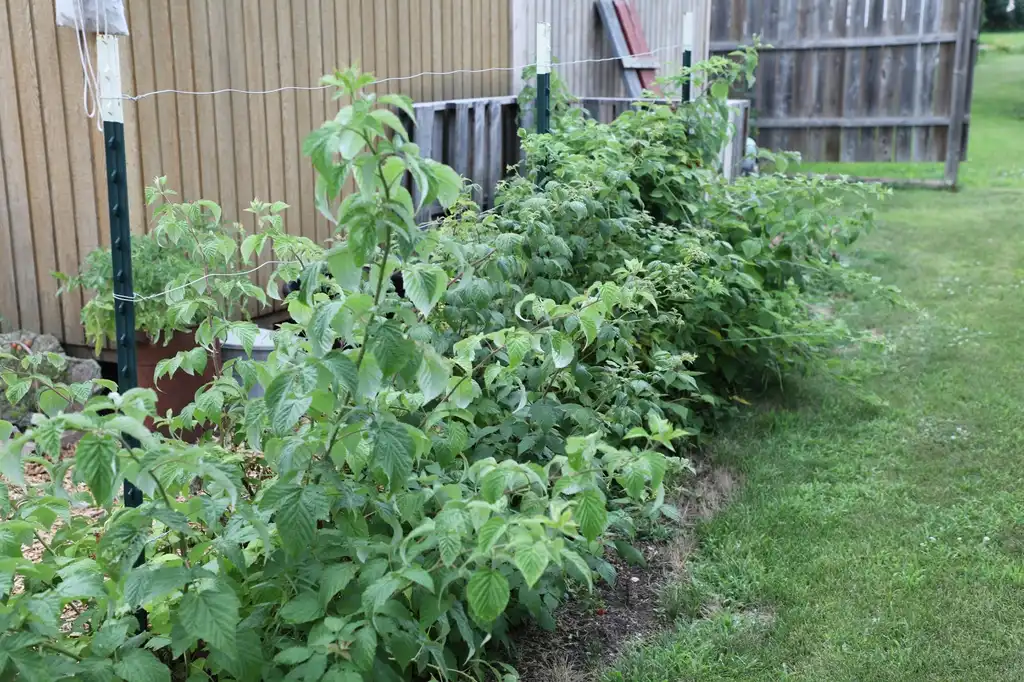
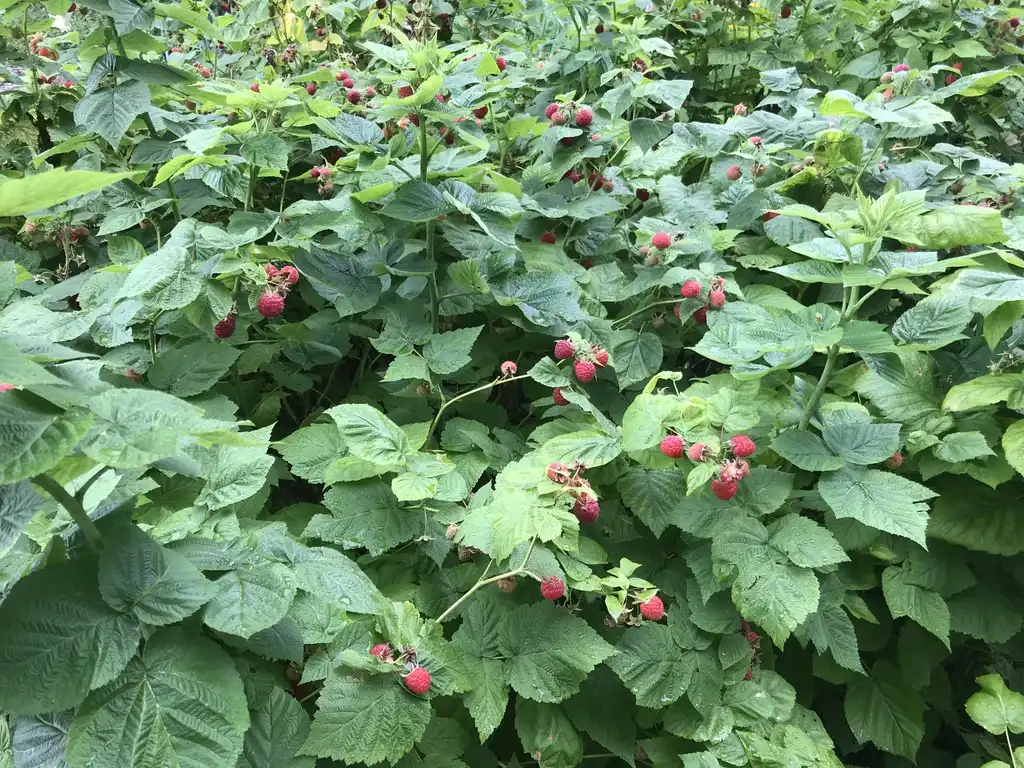
Rubus idaeus var. strigosus, commonly referred to as the American red raspberry, is a native perennial shrub characterized by its upright and spreading growth. It is primarily cultivated for its delicious fruits. In the first year, the stems produce only leaves, while the lateral branches in the second year yield leaves, flowers, and fruits. Pruning is crucial for maintaining the health of the plants, but care must be taken to avoid cutting back the second-year growth that will bear fruit. It is generally advisable to remove old, summer-bearing canes immediately after harvesting to promote the growth of new canes. While the roots of the raspberry plant are perennial, the canes that produce leaves and fruit are biennial, living for just two growing seasons before dying. This plant shows moderate resistance to deer damage and offers excellent year-round cover for birds and small mammals. Its blooms attract butterflies and other insects, while its fruits are favored by songbirds, small mammals, foxes, raccoons, and black bears. In winter, birds and small mammals consume the seeds from decayed fruit, and white-tailed deer and rabbits feed on the leaves.
**Diseases, Insects, and Other Plant Issues:**
Fungal diseases such as anthracnose, botrytis, and root rot can pose significant challenges, potentially requiring chemical intervention. Cane borers and crown borers are also notable insect pests that can affect these plants.
For further details on Rubus idaeus, please refer to additional resources.
Rubus idaeus var. strigosus Feature Summary
Rubus idaeus var. strigosus Image Gallery