Rubus illecebrosus: Country Or Region Of Origin
East Asia and Japan
Phonetic Spelling:ROO-bus il-lee-see-BROH-sus
Genus:Rubus
Species:illecebrosus
Family:Rosaceae
The Rubus genus encompasses blackberries, dewberries, and raspberries, with most species characterized by thorny or bristly stems and compound leaves. Notably, flowers and fruits typically develop on last year's canes rather than on new growth, necessitating careful pruning to avoid removing the canes that will produce berries in the following season. There are variations among species; for instance, some grow as upright or arching shrubs reaching heights of up to 8 feet, while others spread along the ground like vines. Dewberries tend to bear fruit in the spring, whereas blackberries and raspberries produce their fruit in the summer. Overall, the Rubus genus includes some of the most vital plants for wildlife in the southeastern United States.
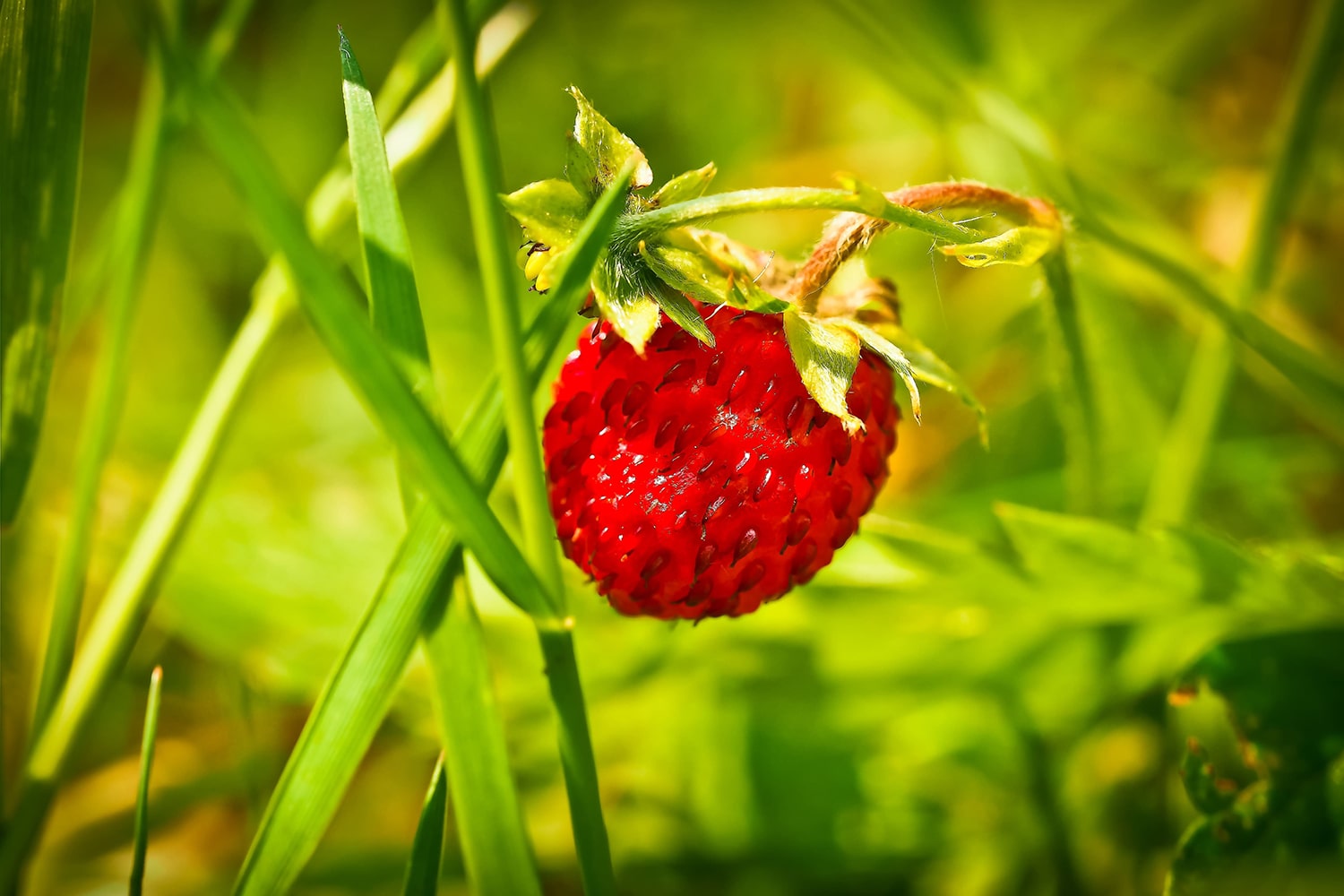
Rubus illecebrosus, commonly known as the strawberry-raspberry, is a deciduous perennial shrub with thorns, belonging to the Rosaceae family. This plant typically thrives in thickets and disturbed areas, where it can become invasive if conditions are favorable. It adapts well to a range of soil types, from sandy to loamy and even heavy clay, and prefers moist, well-drained environments. While it flourishes in full sunlight, it can also tolerate partial shade. The flowering period occurs in early summer, with seeds maturing into fruit by late summer. Some individuals find the fruit sweet and suitable for eating raw or cooked, while others describe it as sour or bitter and inedible, although cooking may enhance its flavor.
Regarding diseases, insects, and other plant issues, the primary concern is honey fungus, to which many Rubus species are vulnerable, but no other significant problems have been identified.
Rubus illecebrosus Feature Summary
Rubus illecebrosus Image Gallery