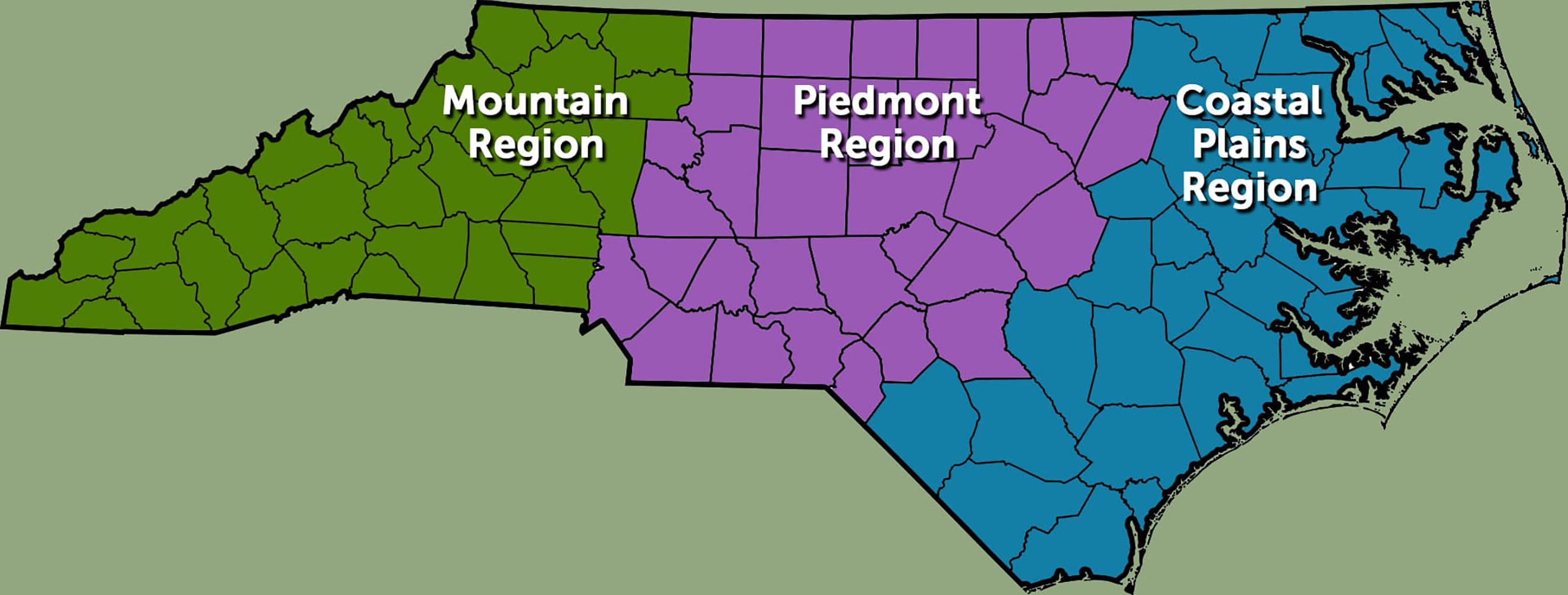
Rubus laciniatus: Country Or Region Of Origin
Eurasia
Phonetic Spelling:ROO-bus la-sin-ee-AY-tus
Genus:Rubus
Species:laciniatus
Family:Rosaceae
The Rubus genus encompasses blackberries, dewberries, and raspberries, with most species characterized by thorny or bristly stems and compound leaves. Notably, flowers and fruits typically develop on the previous year's canes rather than on new growth, necessitating careful pruning to avoid removing the canes that will produce berries in the following season. However, there are variations among species; some grow as upright or arching shrubs reaching heights of up to 8 feet, while others spread along the ground like vines. For instance, dewberries bear fruit in the spring, whereas blackberries and raspberries yield their harvest in the summer. Overall, the Rubus genus includes some of the most vital plants for wildlife in the southeastern United States.
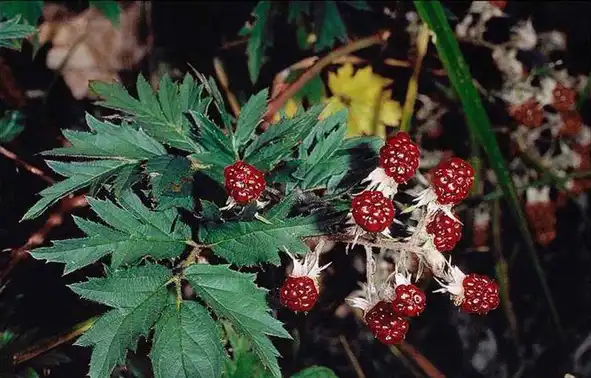
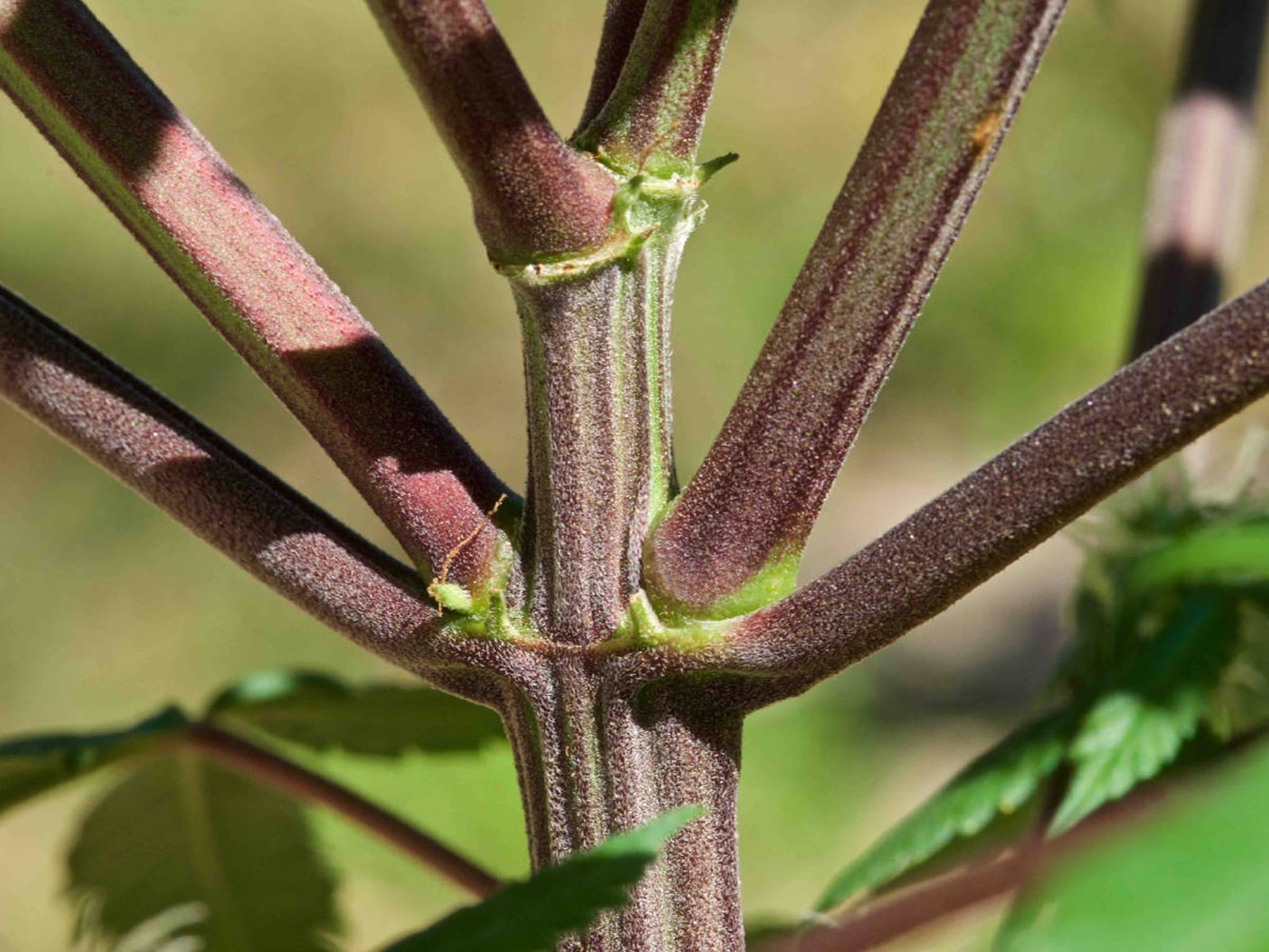
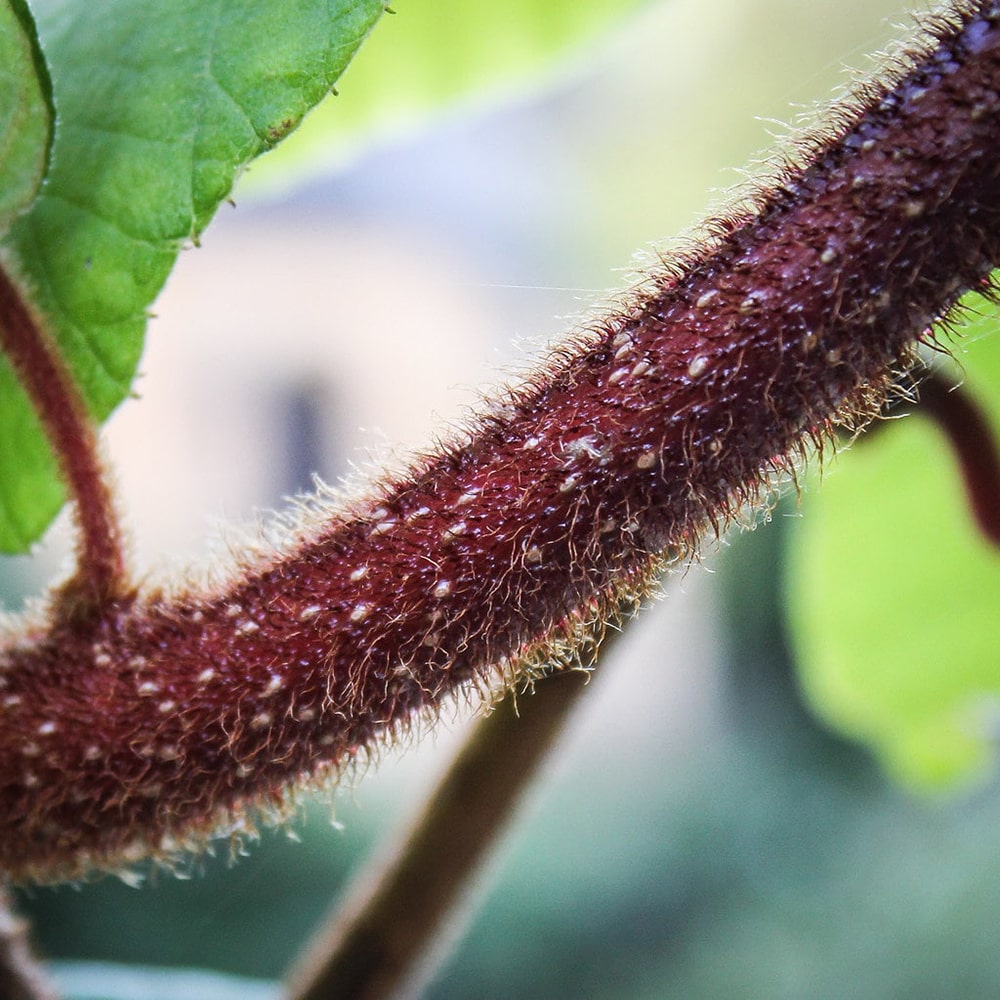
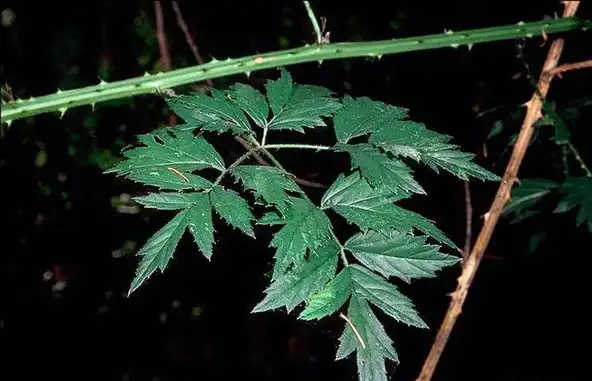
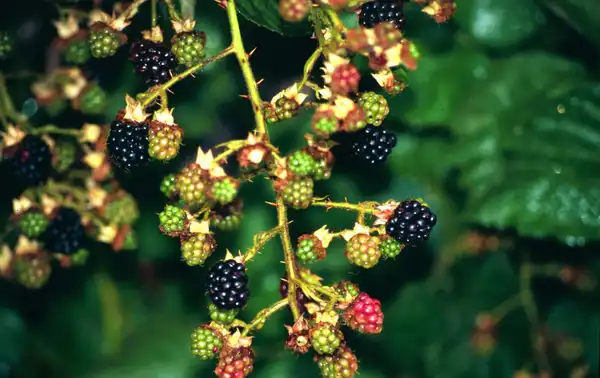
Rubus laciniatus, commonly known as Oregon Cut-leaf blackberry, is a perennial shrub belonging to the Rosaceae family, capable of reaching heights of 6 feet and widths of 8 feet. This species thrives in woodland edges and clearings, featuring prickly reddish stems adorned with recurved thorns. It produces white flowers from July to August, which are followed by ripe fruit from August to September. The berries begin as red and mature to a deep black when fully ripe. This blackberry variety has biennial stems that generate several new shoots each year from a perennial root system. Initially, the stems grow upright before bending to touch the ground. They bear fruit in their second year before dying off. The juicy, flavorful berries can be enjoyed fresh from the bush or used in cooking, such as in toppings or jams. With a rapid growth rate, this plant can become invasive. It thrives in moist soils of various textures, including sand, clay, or loam, and adapts to a range of pH levels, although it prefers well-drained soil and can tolerate light woodland to full sun exposure.
The 'Oregon Cutleaf Thornless' cultivar is particularly notable for its exceptional fruit flavor and yield, as well as its lack of prickles, making harvesting a breeze.
Regarding plant health, species within this genus are particularly vulnerable to honey fungus.
Rubus laciniatus Feature Summary
Rubus laciniatus Image Gallery